- Company Articles
- Products and Technology
- Application Cases
- Aluminum Pipe with Tray Holder in Cleanrooms: Medical Industry Applications

Aluminum Pipe with Tray Holder in Cleanrooms: Medical Industry Applications
Related Product
Aluminum Pipe with Tray Holder
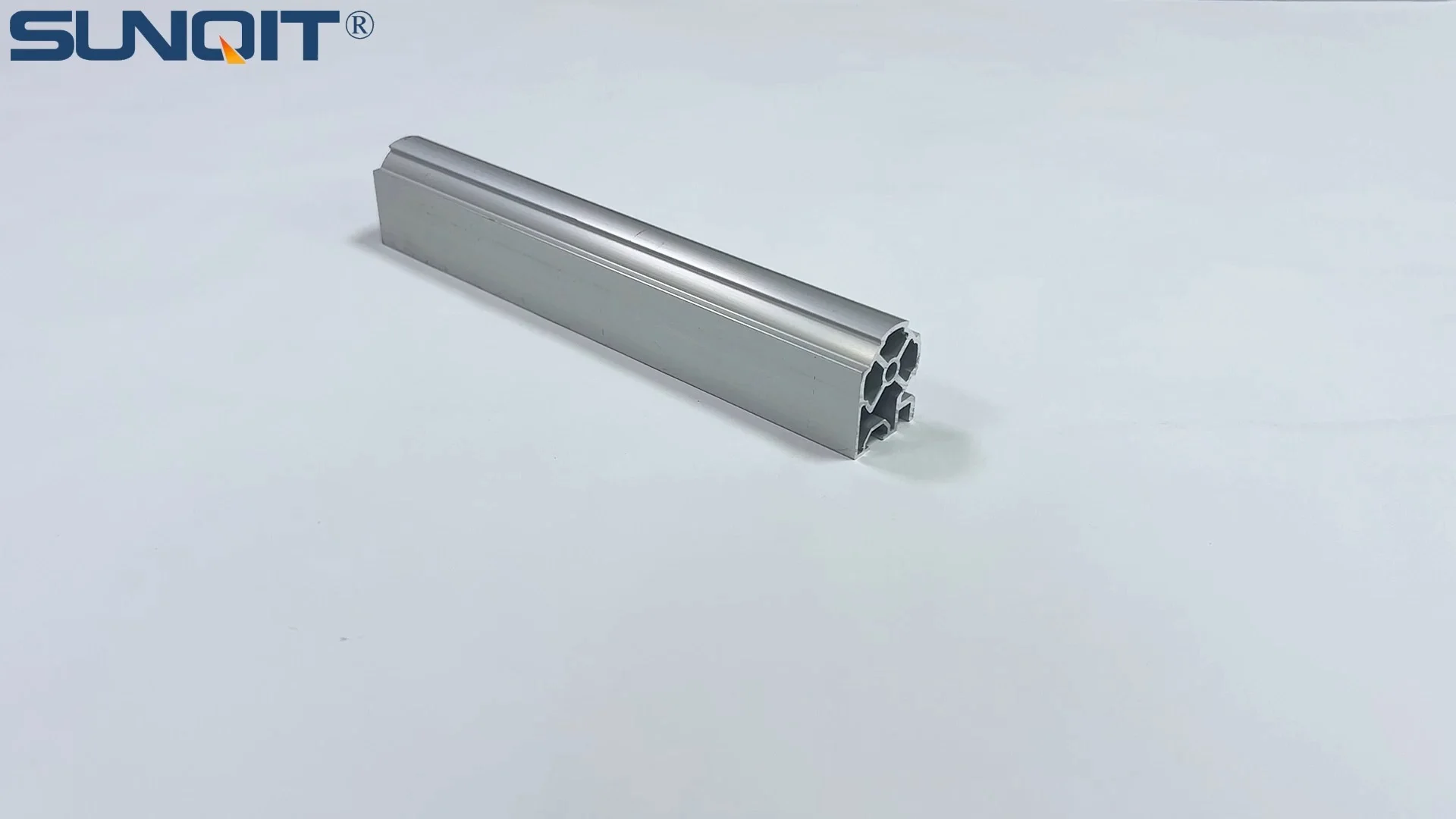
Aluminum pipe with tray holder,the pipe one side connected by a joint, the other side with a slot which can hold a tray or a aluminum pannel.
In the quiet hum of a medical cleanroom, where every particle counts and sterility is non-negotiable, the tools and infrastructure that support daily operations often go unnoticed—until something goes wrong. A misplaced instrument, a dusty surface, or a workflow bottleneck can compromise the integrity of life-saving medications, delicate surgical tools, or precision medical devices. This is where the unsung heroes of cleanroom design come into play: the modular systems that organize, protect, and streamline processes. Among these, aluminum pipe with tray holder systems stand out as a versatile, reliable, and essential component, quietly elevating safety and efficiency in some of healthcare's most critical spaces.
But why aluminum? And what makes these tray-equipped systems so indispensable in environments where even a single contaminated batch can have devastating consequences? This article dives into the world of medical cleanrooms, exploring how aluminum pipe with tray holder systems address unique challenges, enhance compliance, and support the dedicated professionals who work tirelessly to keep patients safe. From pharmaceutical labs to surgical prep areas, we'll uncover the practical applications, material advantages, and real-world impact of these unassuming yet vital tools.
The Critical Role of Cleanrooms in Modern Healthcare
Cleanrooms are the backbone of modern medical advancement. They are controlled environments where airborne particles, temperature, humidity, and pressure are meticulously regulated to minimize contamination risks. In healthcare, their importance cannot be overstated: they are where vaccines are developed, surgical instruments are sterilized, implantable devices are assembled, and pharmaceuticals are compounded. A single breach in sterility—whether from dust, human error, or subpar infrastructure—can lead to product recalls, failed clinical trials, or worse, patient harm.
Consider the stakes: A 2022 study in the Journal of Hospital Infection found that contaminated medical devices contribute to over 1.7 million healthcare-associated infections annually in the U.S. alone, resulting in tens of thousands of deaths and billions in added healthcare costs. For pharmaceutical manufacturers, the FDA estimates that product recalls due to contamination cost an average of $10 million per incident, not including the long-term damage to brand trust. In this context, cleanroom infrastructure isn't just a "nice-to-have"—it's a lifeline.
The challenge, however, is balancing strict sterility requirements with the need for flexibility. Medical cleanrooms are dynamic spaces: workflows evolve as new technologies emerge, production scales up or down, and regulatory standards tighten. Traditional fixed infrastructure—like welded steel shelving or permanent workstations—often falls short here, limiting adaptability and increasing long-term costs. This is where modular systems, particularly those built with aluminum, shine. They offer the rigidity needed for stability and the flexibility to reconfigure on demand, ensuring cleanrooms can grow and change without compromising safety.
Why Aluminum? Material Advantages in Cleanroom Environments
When it comes to cleanroom infrastructure, material selection is a decision that ripples through every aspect of operations—from daily cleaning routines to long-term durability and compliance. For decades, stainless steel and plastic have been go-to choices, but aluminum has emerged as a superior alternative, especially when paired with tray holders and modular components. Let's break down why aluminum has become the material of choice for forward-thinking medical facilities.
| Material Property | Aluminum | Stainless Steel | Plastic |
|---|---|---|---|
| Weight | Lightweight (1/3 the weight of steel) | Heavy (limits mobility and reconfiguration) | Light, but prone to warping under load |
| Corrosion Resistance | High (natural oxide layer prevents rust) | High, but heavier and costlier | Variable (some plastics degrade with cleaning agents) |
| Sterilization Ease | Non-porous surface; compatible with harsh disinfectants | Non-porous, but heavier to move during cleaning | Porous (traps bacteria in scratches) |
| ESD Compatibility | Can be treated for ESD protection (critical for electronics) | Conductive, but less customizable | Insulative (prone to static buildup) |
| Modularity | High (easily cut, joined, and reconfigured) | Low (requires welding; permanent once installed) | Moderate (limited load capacity and joint strength) |
| Cost (Lifecycle) | Moderate upfront, low long-term (reusable and durable) | High upfront and installation costs | Low upfront, high long-term (needs frequent replacement) |
Lightweight yet Durable: Aluminum's low weight is a game-changer in cleanrooms, where mobility and adaptability are key. Unlike stainless steel, which requires heavy machinery or multiple staff to move, aluminum systems can be reconfigured by a single technician, reducing downtime during workflow adjustments. This is especially valuable in environments like surgical prep areas, where tool layouts may need to shift between procedures, or pharmaceutical labs scaling production for a new vaccine.
Sterility by Design: Aluminum's non-porous surface leaves nowhere for bacteria, dust, or moisture to hide. Unlike plastic, which can develop micro-scratches that trap pathogens, aluminum's smooth finish is easy to wipe down with harsh disinfectants—from hydrogen peroxide to alcohol-based cleaners—without degrading. This is critical for complying with FDA and ISO 14644 standards, which mandate strict cleaning protocols to maintain Class 5 (ISO 5) or higher cleanroom classifications.
ESD Safety for Sensitive Devices: Many medical devices, from pacemakers to diagnostic equipment, contain delicate electronics that are vulnerable to electrostatic discharge (ESD). Aluminum can be treated with conductive coatings to dissipate static, making it ideal for ESD workstation setups. In contrast, plastic systems often generate static, risking damage to components, while stainless steel, though conductive, lacks the modularity to integrate seamlessly with tray holders and custom tool organizers.
Sustainability and Cost-Efficiency: Aluminum is 100% recyclable, aligning with the growing focus on eco-friendly healthcare practices. Its longevity also reduces waste: a well-maintained aluminum pipe system can last 15+ years, compared to 3–5 years for plastic. Over time, this translates to lower replacement costs and a smaller carbon footprint—an important consideration for facilities aiming to meet sustainability goals alongside regulatory requirements.

Aluminum Pipe with Tray Holder: Design, Functionality, and Integration
An aluminum pipe system is only as effective as its design. When paired with tray holders, these systems transform from simple shelving into dynamic workflow solutions, tailored to the unique needs of medical cleanrooms. Let's unpack the components that make these systems so versatile, and how they integrate into existing infrastructure to solve real-world challenges.
The Building Blocks: Components of a Modular System
At its core, an aluminum pipe with tray holder system is a collection of standardized parts that snap together (no welding required) to create custom workstations, storage racks, and material transport solutions. Key components include:
- Aluminum lean pipe : The backbone of the system, typically 28mm or 40mm in diameter, made from high-grade aluminum alloy. These pipes are lightweight yet strong, with a smooth anodized finish that resists scratches and corrosion.
- Aluminum profile accessories: Joints, connectors, and brackets that allow pipes to be configured into T-shapes, L-shapes, or multi-level structures. Internal rotary joints, for example, let pipes pivot 180°, enabling adjustable tray angles for easy access.
- Tray holders: Available in stainless steel, ESD-safe plastic, or aluminum, these trays come in various sizes (from small tool bins to large equipment platforms) and can be fixed or sliding. Some feature dividers, non-slip mats, or drainage holes for liquid-resistant storage.
- Casters and feet: Lockable casters for mobile setups (e.g., transport carts for surgical tools) or adjustable feet for stationary workbenches, ensuring stability on uneven floors common in older facilities.
- Accessories: Tool hooks, label holders, and cable management clips that turn basic pipes into organized workstations. For example, a workbench outfitted with aluminum pipes and trays can hold scalpels, syringes, and disinfectants in precisely positioned compartments, reducing the risk of cross-contamination.
Customization for Every Cleanroom Need
No two medical cleanrooms are alike. A pharmaceutical lab mixing chemotherapy drugs has different requirements than a surgical suite prepping for open-heart surgery. Aluminum pipe with tray holder systems thrive here because they're infinitely customizable. For instance:
Height-Adjustable Workstations: Ergonomics matter in cleanrooms, where technicians may stand for hours. Aluminum systems can be built with adjustable-height trays, allowing staff to switch between sitting and standing positions, reducing fatigue and improving focus. In one oncology lab in Texas, switching to height-adjustable aluminum workstations led to a 22% reduction in reported back pain among staff, according to internal surveys.
Mobile Material Carts: In vaccine production facilities, where raw materials must move from staging areas to filling lines without contamination, mobile carts with aluminum pipes and lockable trays are indispensable. These carts can be sanitized between uses and reconfigured to hold vials, syringes, or labeling equipment, adapting to changing production schedules.
Overhead Racks for Space Optimization: Cleanrooms are often cramped, with limited floor space. Aluminum pipe systems can extend vertically, with ceiling-mounted racks and hanging trays that keep tools and materials within reach but out of the way. This is especially useful in surgical prep areas, where floor space must be clear for equipment and staff movement.
Seamless Integration with Existing Infrastructure
One of the biggest hurdles in upgrading cleanroom systems is avoiding disruption to ongoing operations. Aluminum pipe systems solve this by integrating with existing infrastructure. For example, they can be mounted to aluminum profile workbenches, connected to roller tracks for automated material flow, or combined with stainless steel shelving for hybrid storage solutions. This modularity means facilities can upgrade incrementally, replacing outdated plastic racks with aluminum components one section at a time, without halting production.
In a recent case study, a mid-sized medical device manufacturer in California needed to expand its cleanroom to meet growing demand for insulin pumps. By using aluminum pipe with tray holders, they were able to add 300 sq. ft. of storage and workbench space in just three days, with minimal downtime. The system was configured to match existing stainless steel equipment, maintaining a cohesive look while adding the flexibility to reconfigure as production needs change.

Practical Applications in Medical Settings
Theory is one thing, but real-world impact is what matters. Let's explore how aluminum pipe with tray holder systems are transforming operations in four critical medical environments, backed by examples of facilities that have reaped the benefits.
1. Pharmaceutical Manufacturing: Ensuring Batch Integrity
In pharmaceutical cleanrooms, where even a tiny particle can render a batch of antibiotics or vaccines unusable, organization is everything. Aluminum pipe with tray holders excel at creating "clean zones" for each stage of production, from raw material storage to final packaging. For example, at a large pharmaceutical plant in New Jersey, aluminum pipe systems with color-coded trays (red for hazardous ingredients, blue for inactive fillers) reduced cross-contamination incidents by 40% in the first year of implementation, according to the facility's quality assurance reports.
Tray holders here are often equipped with dividers and clear lids, allowing staff to quickly identify materials without opening containers (a common source of particle release). Adjustable shelves accommodate varying bottle sizes, from 50ml vials to 5-gallon drums, while integrated label holders ensure compliance with FDA tracking requirements. Perhaps most importantly, the lightweight nature of aluminum means these systems can be moved during deep cleaning, ensuring no hidden dust or debris accumulates in hard-to-reach corners—critical for passing FDA inspections.
2. Surgical Prep and Sterile Processing Departments
Sterile Processing Departments (SPDs) are the unsung heroes of hospitals, responsible for cleaning, sterilizing, and organizing surgical instruments before they reach the operating room (OR). Here, aluminum pipe with tray holder systems streamline the "sterile to sterile" workflow, reducing the risk of surgical site infections (SSIs).
Consider a typical SPD workflow: Contaminated instruments arrive from the OR, are cleaned in ultrasonic baths, sterilized in autoclaves, and then assembled into surgical trays for future use. Aluminum pipe systems with open-mesh trays allow air circulation during drying, preventing moisture buildup (a breeding ground for bacteria). Trays can be labeled with barcodes and tracked via RFID tags, ensuring instruments are never misplaced. In a study published in AORN Journal , a hospital in Chicago reported a 28% reduction in SSI rates after implementing aluminum tray systems with RFID tracking, citing improved instrument traceability and faster access to sterile tools in the OR.
In the OR itself, aluminum pipe carts with tray holders keep tools organized by procedure. For example, a neurosurgery cart might have dedicated trays for drills, retractors, and sutures, positioned at waist height to reduce the time nurses spend bending or reaching. This not only speeds up surgeries but also minimizes the risk of accidental drops or misplaced tools—both of which can compromise sterility.
3. Medical Device Assembly: Precision and Protection
Medical devices, from stents to MRI coils, require precision assembly in environments where even a fingerprint can disrupt functionality. Aluminum pipe with tray holder systems provide the stability and ESD protection needed for these delicate tasks. For example, aluminum profile workstations with conductive trays and grounded pipes prevent static from damaging microelectronics in pacemakers or glucose monitors.
At a device manufacturer in Minnesota, aluminum pipe systems with custom-machined trays now hold tiny components (some smaller than a grain of rice) in fixed positions, reducing assembly errors by 35%. The trays are designed with foam inserts cut to the exact shape of each part, ensuring components don't shift during handling. The modularity of the system also allows the manufacturer to reconfigure workstations when switching between product lines, cutting changeover time from hours to minutes.
4. Research Labs: Flexibility for Innovation
Medical research labs are hotbeds of innovation, where experiments evolve daily and workflows change with new discoveries. Aluminum pipe with tray holder systems thrive in this environment, offering the flexibility to adapt quickly. For example, a virology lab studying emerging pathogens might need to reconfigure its sample storage racks weekly to accommodate new testing protocols. Aluminum pipes with quick-connect joints allow staff to add or remove trays in minutes, without tools or specialized training.
In academic settings, where budgets are often tight, aluminum systems also offer cost savings. A lab at a major university in Massachusetts replaced its outdated wooden shelving with aluminum pipe racks, reducing annual maintenance costs by $12,000 (no more repainting or replacing warped wood) and freeing up funds for research supplies. The open design of the trays also improved visibility, making it easier for students and researchers to locate samples, saving an estimated 10 hours per week in lost time.
Key Considerations for Implementation
Investing in an aluminum pipe with tray holder system is a smart move for medical cleanrooms, but success depends on careful planning. From choosing the right supplier to ensuring long-term compliance, here are the critical factors facilities should consider before implementation.
Choosing a Reputable Supplier
Not all aluminum pipe systems are created equal. Medical facilities should partner with suppliers who specialize in cleanroom applications and understand regulatory requirements. Look for suppliers who offer:
- Material certifications: Ensure pipes and trays are made from medical-grade aluminum (e.g., 6061-T6 alloy) and comply with FDA 21 CFR Part 177 for food contact (a common benchmark for medical use).
- Customization capabilities: A supplier should be able to design trays, joints, and accessories tailored to your specific workflow, not just offer off-the-shelf products.
- Compliance documentation: Request test reports for ESD protection, corrosion resistance, and load capacity to streamline FDA or ISO audits.
A reliable aluminum profile supplier will also provide installation support, training staff on how to reconfigure the system safely, and offer warranties that cover defects or premature wear—critical for protecting your investment.
Maintenance and Cleaning Protocols
Even the most durable aluminum system requires regular maintenance to stay compliant. Facilities should establish clear protocols for:
- Daily cleaning: Wiping down pipes and trays with approved disinfectants (avoid abrasive cleaners that can scratch the aluminum surface).
- Joint inspection: Checking connectors and casters monthly for looseness, which can compromise stability or create particle traps.
- ESD testing: For ESD workstation setups, annual testing of conductive properties to ensure static dissipation remains within acceptable limits (typically <10^6 to 10^9 ohms).
These protocols should be documented and integrated into staff training programs, ensuring consistency across shifts and reducing the risk of non-compliance during inspections.
Future-Proofing for Growth
Medical facilities are constantly evolving, whether expanding production, adding new services, or updating technology. When designing an aluminum pipe system, it's important to plan for growth. This means choosing components that can be easily scaled (e.g., extra pipes and joints stored on-site) and ensuring the system can integrate with future equipment (e.g., automated conveyors or robotic arms).
For example, a hospital planning to add a new OR should select aluminum pipe carts that can accommodate larger instrument trays or additional sterilization equipment down the line. A pharmaceutical company anticipating FDA-mandated process changes might opt for modular tray systems that can be reconfigured without replacing the entire infrastructure.
Future Trends: Innovations in Aluminum Cleanroom Solutions
The medical industry is evolving at a rapid pace, driven by advancements in technology, stricter regulations, and a growing focus on patient-centered care. Aluminum pipe with tray holder systems are keeping pace, with innovations that promise to further enhance safety, efficiency, and sustainability in cleanrooms.
Smart Integration with IoT
The Internet of Things (IoT) is transforming healthcare, and cleanrooms are no exception. Future aluminum pipe systems may feature embedded sensors that monitor temperature, humidity, or particle levels in real time, alerting staff to potential issues before they escalate. For example, a tray holder could be equipped with a sensor that detects when a sterile instrument package is opened, automatically logging the event in a digital compliance system. This not only reduces manual record-keeping but also provides a tamper-proof audit trail for regulators.
Advanced Surface Treatments for Enhanced Sterility
Researchers are developing new aluminum coatings that actively repel bacteria and viruses, reducing the need for frequent cleaning. One promising technology is antimicrobial aluminum, which uses silver ions embedded in the oxide layer to kill pathogens on contact. Early tests show these surfaces can reduce bacterial growth by up to 99.9% compared to untreated aluminum, potentially lowering infection risks in high-traffic cleanrooms.
Sustainability Through Circular Design
As healthcare facilities strive to reduce their carbon footprints, aluminum systems are becoming more circular. Manufacturers are designing pipes and joints for easy disassembly, allowing components to be reused or recycled when no longer needed. Some suppliers now offer take-back programs, where old systems are collected, melted down, and repurposed into new pipes—closing the loop on waste and reducing reliance on virgin materials.
Conclusion: The Quiet Impact of Aluminum Pipe Systems
In the high-stakes world of medical cleanrooms, success is measured in small victories: a batch of vaccines that passes sterility tests, a surgical tool that arrives in the OR free of contaminants, a researcher who can focus on innovation instead of searching for misplaced samples. Aluminum pipe with tray holder systems enable these victories, quietly supporting the professionals who work tirelessly to advance healthcare.
From their lightweight durability to their modular flexibility and ESD safety, these systems embody the principles of modern cleanroom design: adaptability, compliance, and a relentless focus on patient safety. As technology evolves and regulations tighten, aluminum will continue to play a central role, proving that even the most unassuming tools can have the most profound impact.
So the next time you step into a medical cleanroom, take a moment to notice the aluminum pipes and trays. They may not grab headlines, but they're hard at work—keeping us all safer, one particle at a time.