- Company Articles
- Products and Technology
- Application Cases
- Aluminum Pipe with Tray Holder in Lean Manufacturing: Key Benefits Explained

Aluminum Pipe with Tray Holder in Lean Manufacturing: Key Benefits Explained
Related Product
Aluminum Pipe with Tray Holder
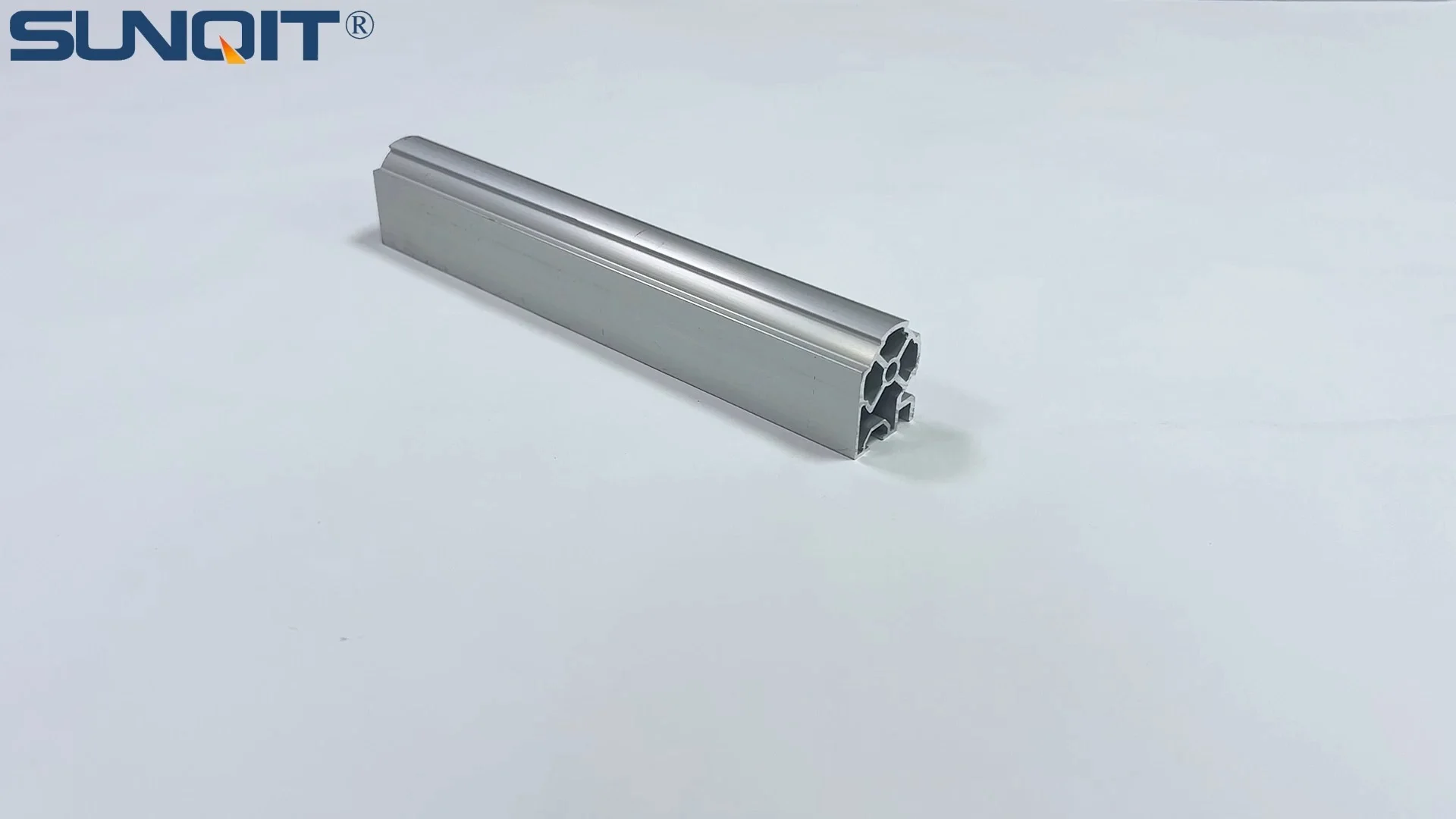
Aluminum pipe with tray holder,the pipe one side connected by a joint, the other side with a slot which can hold a tray or a aluminum pannel.
Walk into any modern manufacturing facility that's embraced lean principles, and you'll notice something subtle but powerful: the tools and workspaces seem to "fit" the work. There's no clutter, no wasted motion, and everything has a purpose. That's the magic of lean manufacturing—eliminating waste in all its forms, from excess inventory to inefficient workflows. But behind that seamless operation are often unsung heroes: the humble components that make lean systems tick. One such hero? The aluminum pipe with tray holder. It might not grab headlines, but for plant managers, assemblers, and operations teams, it's a game-changer. Let's dive into why this unassuming tool has become a cornerstone of lean systems worldwide.
What Exactly Is an Aluminum Pipe with Tray Holder?
First things first: let's demystify the term. An aluminum pipe with tray holder is a modular component designed to build flexible, customizable workspaces and material handling systems. Think of it as the building block of lean setups, made from lightweight yet durable aluminum alloy. The "pipe" part is straightforward—it's a hollow aluminum tube, often 28mm or 40mm in diameter, depending on the load it needs to bear. The "tray holder" is the clever add-on: a bracket or rail system that attaches to the pipe, creating a stable platform for trays, bins, or containers. Together, they form a system that can be configured into workbenches, flow racks, material carts, or even conveyor supports—all tailored to the specific needs of a production line.
But what makes it "aluminum lean pipe"? Unlike traditional steel pipes, aluminum brings a unique set of advantages: it's rust-resistant, lighter, and easier to handle. And because it's part of a lean system, it's designed for quick assembly and reconfiguration. No welding, no heavy tools—just simple joints (like those internal rotatory aluminum joints) that let you snap, twist, and secure pipes into place in minutes. Add a caster wheel here, a roller track there, and suddenly you've got a mobile workstation that can follow the flow of work, not the other way around.
Why It Matters in Lean Manufacturing: The Core Benefits
Lean manufacturing isn't just a buzzword—it's a mindset. Every tool, every process, and every inch of space is evaluated for its contribution to value. Aluminum pipe with tray holder checks all the boxes, offering benefits that directly align with lean's core goals: eliminating waste, boosting efficiency, and empowering workers. Let's break down the key advantages.
1. Unmatched Flexibility: Adapt Fast, Waste Less
In manufacturing, change is constant. A product design update, a new client order, or a shift in demand can turn a once-efficient line into a bottleneck overnight. Traditional fixed workstations—welded steel benches, rigid shelving—become liabilities in these moments. They take days (or weeks) to modify, and often end up being replaced entirely, wasting time and money.
Aluminum lean pipe with tray holder? It's the opposite. Imagine a small electronics manufacturer that suddenly needs to ramp up production of a new smartphone component. Their old steel workbenches were bolted to the floor, with fixed shelves that couldn't accommodate the smaller, more numerous parts. With aluminum pipes, their team grabbed a few extra aluminum guide rail A sections, some internal rotatory joints, and reconfigured three workbenches in under four hours. They added taller tray holders for tiny screws, angled the pipes to create a downward slope for finished parts (using a plastic roller track guide rail yellow to keep things visible), and even attached caster wheels to one bench so it could roll between stations. No downtime, no scrap metal—just a system that adapted as quickly as their needs did.
This flexibility isn't just about big changes, either. Day-to-day adjustments matter too. A worker might need a tray holder moved two inches to the left to reduce arm strain. A supervisor might want to add a second tier to a flow rack to separate incoming and outgoing parts. With aluminum pipes, these tweaks take minutes, not meetings. It's lean manufacturing in action: empowering the people on the floor to solve problems without waiting for external help.
2. Durability That Stands the Test of Time (and Mess)
Manufacturing floors are tough environments. There's oil, coolant, dust, and the occasional dropped tool. Traditional steel pipes might start strong, but over time, they rust, chip, and degrade—especially in humid or wet conditions (think food processing or automotive plants). That means regular repainting, replacing corroded sections, or even scrapping entire systems long before their time.
Aluminum lean pipe laughs in the face of these challenges. Aluminum naturally resists corrosion, so even if it gets splashed with coolant or exposed to moisture, it won't rust. Take a food packaging plant in Florida, for example. Their old steel flow racks were constantly rusting from the high humidity, leaving unsightly stains on packaging materials. After switching to aluminum lean pipe flow racks with stainless steel swivel roller balls (1 inch, to handle heavier trays), they've gone three years without a single rust spot. The maintenance team, once stuck sanding and painting steel racks every quarter, now spends that time on more critical tasks—like optimizing production flow.
And it's not just corrosion. Aluminum is surprisingly strong for its weight. A 2.0mm wall aluminum lean pipe can support up to 150kg per linear meter, more than enough for most manufacturing needs (trays of parts, tools, even small machinery). drop a wrench on it? Maybe a small scratch, but no dent. Bump a cart into it? The pipe might flex, but it won't bend permanently. This durability means fewer replacements, less waste, and a system that keeps working long after traditional setups have given up.
3. Efficiency: Every Second (and Inch) Counts
In lean manufacturing, "waste" includes more than just physical scrap—it includes time wasted searching for tools, walking to retrieve parts, or adjusting to poorly designed workspaces. Aluminum pipe with tray holder attacks this waste head-on by putting everything exactly where it needs to be, when it needs to be there.
Consider a workbench built with aluminum lean pipe and a single-deck workbench E (without casters, for stability). The tray holder is mounted at waist height, with bins labeled by part number. Assemblers don't have to bend down, reach up, or turn around—every screw, washer, and tool is within arm's reach. A study by the Lean Enterprise Institute found that such organized workspaces reduce "search time" by up to 40%—that's hours saved per worker, per week. Multiply that by a shift of 20 workers, and you're looking at hundreds of extra production hours per month.
Flow racks built with aluminum pipes take this efficiency further. By combining aluminum lean pipe with roller track (say, a 40 steel roller track with yellow wheels for visibility), you create a gravity-fed system where parts flow automatically to the assembly line. No more workers pushing heavy carts back and forth—parts arrive just as they're needed, in the right order. A automotive parts supplier in Michigan reported cutting material handling time by 25% after installing these flow racks, thanks to the smooth-rolling tracks and strategically placed tray holders that kept parts from jamming.
4. Ergonomics: Happy Workers = Productive Workers
Lean isn't just about machines and materials—it's about people. A tired, strained worker is a slow, error-prone worker. Traditional workstations often ignore ergonomics, forcing workers into awkward positions: reaching above shoulder height for tools, bending to access low shelves, or standing in one spot for hours on end.
Aluminum pipe with tray holder changes that. Because it's so easy to adjust, workspaces can be tailored to individual workers. Need a taller tray holder for a 6'4" assembler? Add an extra aluminum pipe segment. Prefer a lower, angled tray to reduce wrist strain? Swap out a straight joint for a 45° aluminum pipe joint. One factory in Texas even installed caster wheels on their aluminum workbenches so workers could roll their stations closer to the conveyor line, reducing walking by 1,500 steps per shift (that's over a mile of unnecessary movement eliminated!).
The result? Happier, healthier workers. A survey of employees at a plant that switched to aluminum lean pipe systems found a 35% reduction in reported back and shoulder pain, and a 20% increase in job satisfaction. And when workers are happy, they're more engaged—meaning fewer mistakes, faster production, and lower turnover. It's a win-win for everyone.
| Feature | Traditional Steel Pipe Systems | Aluminum Lean Pipe with Tray Holder |
|---|---|---|
| Flexibility | Fixed; requires welding/heavy tools to reconfigure | Tool-free assembly; reconfigurable in minutes with joints |
| Durability | Prone to rust; paint chips over time | Corrosion-resistant; withstands impacts and daily wear |
| Weight | Heavy (hard to move/install) | Lightweight (50% lighter than steel; easy to handle) |
| Maintenance | Regular painting, rust removal, and part replacements | Minimal—occasional cleaning with soap and water |
| Ergonomics | One-size-fits-all; hard to adjust for workers | , |
| Long-Term Cost | High (frequent replacements, downtime for changes) | Low (long lifespan, minimal maintenance, reusable components) |
5. Cost-Effectiveness: Invest Once, Benefit for Years
Let's talk numbers—because at the end of the day, lean is also about the bottom line. At first glance, aluminum lean pipe might seem pricier than traditional steel. After all, aluminum is a premium material, right? But that initial cost is misleading. When you factor in durability, flexibility, and maintenance, aluminum pipe with tray holder is often cheaper in the long run.
Take a mid-sized furniture manufacturer that replaced 10 steel workbenches with aluminum lean pipe workbenches. The upfront cost was 20% higher, but here's what happened next: Over five years, they spent $0 on rust repairs (compared to $12,000 for steel repainting and part replacements). They reconfigured the workbenches four times (for new product lines) at a cost of $500 total (vs. $8,000 to replace steel benches each time). And because the aluminum systems were lighter, installation took half the time, saving $3,000 in labor. Total savings over five years? Over $25,000. That's a pretty good return on investment.
Plus, aluminum is 100% recyclable. When a pipe finally reaches the end of its life (which, with proper care, could be 10+ years), it can be melted down and reused—unlike steel, which often ends up in landfills. For companies committed to sustainability (a growing priority in lean manufacturing), that's an added bonus.

Real-World Applications: Where Aluminum Pipe with Tray Holder Shines
So, where exactly does this tool make the biggest impact? The short answer: almost anywhere in a lean system. From the shop floor to the warehouse, aluminum lean pipe with tray holder is versatile enough to solve a wide range of problems. Here are a few key applications:
Workbenches: The Heart of Assembly
Workbenches are where the magic happens—where parts become products. Aluminum lean pipe workbenches (like the workbench E, single deck without caster) are the gold standard here. They're sturdy enough to support heavy tools but light enough to move if needed. The tray holders keep parts organized, and accessories like LED light bars or tool hooks can be added with a few extra pipes and joints. One electronics assembler even added a small shelf above the tray holder for tablets, so workers could pull up assembly instructions without leaving their stations.
Flow Racks: Keeping Materials Moving
Flow racks are essential for "first in, first out" (FIFO) inventory management, ensuring older parts are used before newer ones (reducing waste from expired or obsolete stock). Aluminum lean pipe is perfect for building these racks because it's strong enough to support loaded trays but lightweight enough to keep the roller track (like the 38 aluminum roller track with side guide) moving smoothly. Add a plastic roller track guide rail (grey, for a clean look) and you've got a system that glides parts right to the assembly line—no pushing, no pulling, no wasted effort.
Conveyor Supports: The Backbone of Material Handling
Conveyors are the arteries of a factory, moving parts from station to station. But they need strong, reliable supports to stay aligned and functional. Aluminum lean pipe is ideal here, too. It can be shaped into custom frames that fit any conveyor size, and because it's corrosion-resistant, it holds up in environments with coolants or lubricants. A beverage bottling plant used aluminum pipes to build supports for their bottle conveyors, and reported zero rust issues after three years—even with daily exposure to water and cleaning chemicals.

Why Aluminum Lean Pipe? It's About the Lean Mindset
At the end of the day, aluminum pipe with tray holder isn't just a tool—it's a reflection of the lean mindset. It's about focusing on what adds value, not what looks impressive. It's about trusting workers to adapt and improve their own spaces. It's about building systems that grow with your business, not hold it back.
So, the next time you're on a factory floor, take a closer look at those shiny aluminum pipes and organized tray holders. They might not seem like much at first glance, but they're working hard—eliminating waste, boosting efficiency, and helping turn good manufacturing operations into great ones. And in lean manufacturing, that's the ultimate goal.