- Company Articles
- Products and Technology
- Product knowledge
- Aluminum Pipe with Tray Holder in Mechanical Manufacturing: Tool Organization

Aluminum Pipe with Tray Holder in Mechanical Manufacturing: Tool Organization
Related Product
Aluminum Pipe with Tray Holder
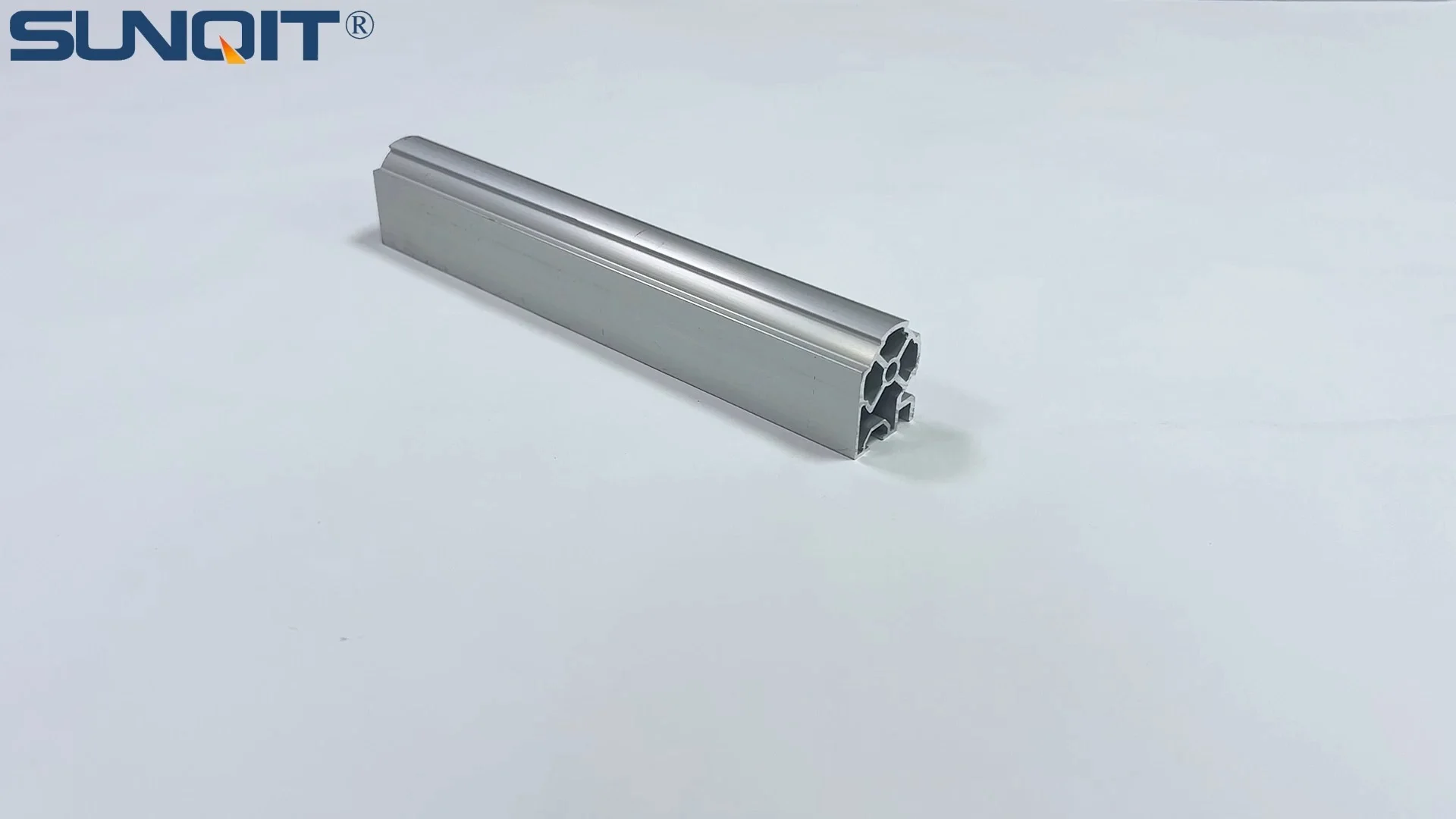
Aluminum pipe with tray holder,the pipe one side connected by a joint, the other side with a slot which can hold a tray or a aluminum pannel.
Walk into any mechanical manufacturing facility, and you'll quickly notice a common challenge: tool organization. On a typical shop floor, wrenches, screwdrivers, gauges, and small parts often end up scattered across workbenches, stuffed into overcrowded drawers, or piled on makeshift shelves. Mechanics and operators spend precious minutes each day hunting for the right tool, and misplaced items lead to delays, frustration, and even errors in production. It's a silent productivity killer—one that many managers accept as "just part of the job." But what if there was a better way? Enter the aluminum pipe with tray holder : a simple yet transformative solution that's redefining how manufacturing teams organize, access, and manage their tools.
This isn't just about "tidying up." In mechanical manufacturing, where every second counts and precision is non-negotiable, tool organization directly impacts efficiency, safety, and bottom-line results. A well-organized workspace reduces motion waste, minimizes errors, and empowers teams to focus on what they do best: building quality products. And at the heart of this organizational revolution lies a deceptively simple system: lightweight, durable aluminum pipes paired with customizable tray holders. Designed to be modular, adaptable, and built to last, these systems are more than storage solutions—they're the backbone of a leaner, more productive workflow. Let's dive into how aluminum pipe with tray holders are changing the game for mechanical manufacturing.
What Is an Aluminum Pipe with Tray Holder, Anyway?
At first glance, an aluminum pipe with tray holder might seem like little more than a metal tube with a shelf attached. But looks can be deceiving. This system is the result of decades of innovation in industrial ergonomics and lean manufacturing principles. Let's break it down: the "aluminum pipe" part refers to lightweight, corrosion-resistant aluminum tubing—often part of a broader aluminum lean pipe system—that's strong enough to support tools and parts but easy to maneuver and reconfigure. The "tray holder" is the customizable storage component: a flat or sloped tray (usually made of aluminum or high-impact plastic) that attaches to the pipe, providing a dedicated spot for tools, fasteners, or small components.
What makes this combination so powerful is its modularity. Unlike fixed wooden shelves or metal racks, aluminum pipe systems use simple joints and connectors that let you assemble, disassemble, and rearrange the structure in minutes. Need to add a new tray for a set of specialized drills? Just slide on a new connector and attach the tray. Moving a workbench to a different area of the shop? Disassemble the pipe frame, transport it, and rebuild it in the new location—no tools required. This flexibility is a game-changer in manufacturing, where production needs shift constantly, and adaptability is key to staying competitive.
Aluminum itself is a standout material here. Unlike steel, it's lightweight (about 1/3 the weight of steel), making it easy for a single person to handle during setup or reconfiguration. It's also naturally resistant to rust and corrosion, which is critical in manufacturing environments where oils, coolants, and moisture are common. And while aluminum is lightweight, it's surprisingly strong: a 20mm diameter aluminum pipe can easily support the weight of heavy tools, making it durable enough for daily use in busy shops. When paired with a tray holder—designed with features like dividers, non-slip surfaces, or even labeled compartments—the system becomes a tailored storage solution that keeps tools visible, accessible, and exactly where they need to be.
Why Traditional Tool Storage Falls Short
To appreciate the value of aluminum pipe with tray holders, it helps to first understand the limitations of traditional tool storage methods. For years, manufacturers relied on three main options: wooden shelves, metal cabinets, and fixed racks. Each has its drawbacks, and together, they often create more problems than they solve.
| Storage Method | Key Limitations | Impact on Productivity |
|---|---|---|
| Wooden Shelves | Prone to warping, cracking, or absorbing moisture; no built-in organization (tools slide around); difficult to clean (grease and dirt get trapped in grain). | Tools shift and mix together; shelves degrade quickly, requiring frequent replacement; time wasted sorting through jumbled items. |
| Metal Cabinets | Heavy and fixed in place; limited internal customization; drawers often jam; hard to access tools at the back of deep drawers. | Limited flexibility for changing workflows; operators waste time opening/closing drawers and digging for tools; cabinets can't be reconfigured as production needs evolve. |
| Fixed Metal Racks | Permanent installation; no easy way to adjust height or add/remove shelves; bulky and hard to move; often overcrowded due to lack of organization. | Wasted vertical space (either too tall to reach or too short to use efficiently); tools stacked haphazardly, increasing risk of damage or loss. |
Take metal cabinets, for example. A typical cabinet might have five or six drawers, each stuffed with tools. An operator looking for a 10mm socket might have to open three drawers, sift through a jumble of similar-sized sockets, and then close the drawers—only to realize they grabbed the wrong size. Multiply that by dozens of tools per day, and the minutes add up to hours of lost productivity each week. Wooden shelves are even worse: a spilled cup of coolant can warp the wood, and without dividers, small parts like screws or washers roll off and get lost under the workbench.
Perhaps the biggest issue with traditional storage is rigidity. Manufacturing lines change frequently—new products require new tools, production volumes fluctuate, and workflows get optimized. A fixed rack that works for assembling small engines might be useless when the shop switches to building larger machinery. Companies end up either living with inefficient storage or spending thousands on new cabinets or shelves every time their needs change. It's a cycle of waste that directly contradicts the principles of modern manufacturing, where agility and cost-effectiveness are priorities.

The Benefits of Aluminum Pipe with Tray Holder Systems
Aluminum pipe with tray holder systems address nearly every shortcoming of traditional storage—and then some. These systems are designed with the realities of manufacturing in mind: they're flexible, durable, and focused on making tools easy to find and use. Let's explore the key benefits that make them a must-have for any mechanical manufacturing facility.
1. Unmatched Flexibility and Customization
The modular design of aluminum pipe systems is their biggest strength. Using simple connectors and joints, you can build a storage setup that fits your exact needs—today—and reconfigure it tomorrow. Need a taller tray holder to accommodate power tools? Add an extra section of aluminum pipe. Want to split a large tray into smaller compartments for screws and washers? Clip in dividers. Moving a workbench to a new location? Disassemble the pipe frame in 15 minutes, transport it, and rebuild it with minimal effort.
This flexibility is a lifesaver for facilities with changing production lines. For example, a manufacturer that produces both small automotive parts and larger industrial components can adjust their tray holders to fit the tools needed for each project. No more buying new storage every time the product mix changes—just reconfigure what you already have. It's a level of adaptability that traditional systems can't match, and it directly reduces long-term costs by extending the lifespan of your storage infrastructure.
2. Improved Tool Accessibility and Visibility
In manufacturing, "out of sight" often means "out of mind—and out of reach." Aluminum pipe with tray holders solve this by keeping tools visible and within arm's reach. Most tray holders are open (no doors or drawers to open) and sloped slightly forward, so operators can quickly scan and grab what they need. Labels can be added to tray dividers, turning the system into a visual management tool that even new employees can navigate easily.
Consider a workbench equipped with aluminum pipe tray holders along the back edge. A mechanic assembling a gearbox can have wrenches in one tray, screwdrivers in another, and spare bolts in a third—all visible and within a few inches of their workspace. No more bending down to rummage through a cabinet or walking across the shop to retrieve a tool. This reduces "motion waste"—one of the seven wastes of lean manufacturing—and keeps operators focused on the task at hand.
3. Durability That Stands Up to Shop Floor Conditions
Manufacturing environments are tough on equipment. Oils, coolants, metal shavings, and constant use can wear down even the sturdiest tools. Aluminum pipe systems are built to withstand this abuse. Aluminum's natural corrosion resistance means it won't rust when exposed to moisture or chemicals, and the smooth surface is easy to wipe clean—no more trapped grease or dirt. The tray holders, often made of reinforced plastic or aluminum, are impact-resistant, so they won't crack if a heavy tool is dropped into them.
Unlike wooden shelves that warp or metal racks that rust, aluminum systems maintain their integrity for years. Many suppliers offer warranties of 5–10 years, and even with daily use, it's common to see these systems last a decade or more. This durability translates to lower replacement costs and less downtime spent repairing or replacing storage solutions.
4. Ergonomic Design for Safer, Happier Teams
Ergonomics is a critical but often overlooked aspect of manufacturing. Poorly designed workspaces force operators into awkward positions—reaching up to high shelves, bending down to low drawers, or stretching across cluttered workbenches—which leads to fatigue, strain, and even injuries over time. Aluminum pipe with tray holders can be adjusted to the ideal height for each workstation, ensuring tools are at waist level or below, reducing the need for reaching or bending.
For example, a tray holder mounted on an aluminum pipe frame can be set to 36 inches high for a taller operator and 32 inches for a shorter one—all without tools or complicated adjustments. This personalized setup reduces the risk of back pain, shoulder strain, and repetitive motion injuries, leading to fewer absences and higher employee satisfaction. When teams feel their workspace is designed with their comfort in mind, morale improves—and that's reflected in better quality work and lower turnover.

Integrating with Lean Systems: A Match Made in Manufacturing Heaven
In today's competitive manufacturing landscape, lean principles are no longer optional—they're essential. Lean manufacturing focuses on eliminating waste, streamlining workflows, and continuously improving processes, and aluminum pipe with tray holder systems align perfectly with these goals. In fact, they're often the missing piece that turns a "lean in theory" facility into a "lean in practice" one.
At the core of lean is the concept of "5S"—Sort, Set in Order, Shine, Standardize, Sustain. Aluminum pipe with tray holders excel at the first two S's: Sort (removing unnecessary tools) and Set in Order (organizing remaining tools for easy access). By providing dedicated, labeled spots for each tool, tray holders make it obvious when something is missing or out of place. This prevents overstocking (a form of waste) and ensures only essential tools are kept at the workstation.
Take the "Set in Order" step, for example. A lean workstation should follow the "golden zone" principle: tools used most frequently should be within easy reach (between shoulder and knee height), and less frequently used items can be stored higher or lower. With aluminum pipe systems, you can arrange tray holders to map directly to this principle. A mechanic who uses a torque wrench 20 times a day gets a tray at waist level; a specialty gauge used once a week goes on a higher shelf. This reduces motion waste—no more climbing ladders or bending to the floor—and ensures every second of the workday is spent on value-adding tasks.
Another lean principle is "continuous flow," which aims to keep production moving without interruptions. When tools are disorganized, flow is broken: an operator can't proceed with assembly until they find the right drill bit, bringing the entire line to a halt. Aluminum pipe with tray holders eliminate these bottlenecks by making tools instantly accessible. In one automotive parts plant we worked with, implementing tray holders reduced tool-related delays by 40% in the first month—saving over 200 production hours annually. That's the kind of impact that makes lean initiatives successful, not just on paper, but in real, measurable results.
Real-World Applications: From Workbenches to Material Racks
Aluminum pipe with tray holders aren't a one-trick pony—they're versatile enough to solve organization challenges across the entire manufacturing facility. Let's look at some of the most common applications and how they transform daily operations.
Workbench Tool Stations
The workbench is the heart of any manufacturing operation, and it's where tool organization matters most. A typical workbench might have a vice, a power drill, and a handful of hand tools—but without proper storage, the surface quickly becomes a chaotic mess. Adding aluminum pipe tray holders to the back or sides of the workbench creates a dedicated "tool wall" that keeps everything within reach but off the work surface.
For example, a workbench in an aerospace component shop might use two parallel aluminum pipes running the length of the bench, with tray holders mounted at different heights. The lower tray holds frequently used wrenches and screwdrivers, the middle tray has small parts like nuts and bolts (sorted by size), and the upper tray stores less common tools like calipers or thread gauges. Dividers in each tray prevent items from mixing, and color-coded labels make it easy to return tools to their correct spots at the end of a job. The result? A clean work surface, faster tool retrieval, and a workstation that stays organized even during the busiest shifts.
Material Racks for Small Parts
In addition to tools, mechanical manufacturing facilities deal with thousands of small parts—screws, washers, bearings, and clips—that are easy to lose or misplace. A material rack built with aluminum pipes and multi-tiered tray holders turns chaos into order. Unlike generic shelving, these racks can be customized with trays of different sizes to fit specific parts: shallow trays for small screws, deeper trays for larger bearings, and even angled trays for parts that need to "flow" to the front for easy access.
One manufacturer of industrial pumps, for instance, replaced their old wire shelving with an aluminum pipe material rack featuring 3 rows and 3 floors of tray holders (a setup similar to their old "Material Rack B"). Each tray was labeled with part numbers and quantities, and the racks were positioned next to the assembly line, reducing the distance operators had to walk to retrieve parts. Within a month, the plant saw a 30% reduction in time spent fetching parts and a 15% drop in missing inventory—saving thousands of dollars in reordering costs and production delays.
Mobile Tool Carts
Not all tools stay at a fixed workstation. Maintenance teams, for example, need to carry tools to different areas of the facility. Aluminum pipe with tray holders can be mounted on casters to create mobile tool carts that bring organization directly to the job site. These carts are lightweight (thanks to aluminum's low weight) but sturdy enough to hold heavy tools, and the tray holders keep everything secure during transport.
A maintenance team at a steel mill, for example, uses mobile carts with aluminum pipe frames and divided tray holders to carry wrenches, hammers, and replacement parts. The carts are customized with tall tray holders for long-handled tools and small, compartmentalized trays for fuses and connectors. When a machine breaks down, the team rolls the cart to the site, and every tool they need is right there—no more running back to the shop for forgotten items. It's a simple solution that turns reactive maintenance into a streamlined, efficient process.
Choosing the Right Aluminum Pipe with Tray Holder System
With so many options on the market, selecting the right aluminum pipe with tray holder system can feel overwhelming. But by focusing on a few key factors, you can ensure you get a setup that meets your needs, fits your budget, and stands the test of time.
Start with Your Workflow
Before buying anything, map out your current workflow. What tools are used most frequently? Where are the biggest bottlenecks in tool access? How often do your storage needs change? For example, a facility with high-mix, low-volume production will need more flexible, reconfigurable systems, while a high-volume line with repetitive tasks might benefit from fixed but highly organized tray holders.
Talk to your operators—they're the ones using the tools daily, and they'll have valuable insights into what works and what doesn't. A mechanic might mention that their most-used wrench always ends up buried under other tools, so a shallow, front-facing tray would solve the problem. An assembler might need a tray with dividers to separate left and right parts to avoid mix-ups. By involving your team, you'll end up with a system that actually improves their day-to-day work, not just looks good on paper.
Prioritize Quality Components
Not all aluminum pipes and tray holders are created equal. Cheaper systems might use thin-walled aluminum pipes that bend under heavy loads or flimsy plastic trays that crack after a few months. Invest in high-quality components: look for aluminum pipes with a wall thickness of at least 1.2mm (1.5mm or higher for heavy-duty use), and tray holders made of reinforced polypropylene or aluminum. The joints and connectors are also critical—choose ones with secure locking mechanisms to prevent the system from wobbling or coming apart during use.
It's also worth considering aluminum lean pipe accessories, like cable management clips or tool hooks, which can extend the functionality of your system. For example, adding hooks to the side of a tray holder lets you hang power cords or air hoses, keeping them off the floor and out of the way. These small additions can make a big difference in overall organization.
Think Long-Term
Aluminum pipe systems are an investment, so think about your future needs. Will you be expanding production lines? Adding new tools or equipment? A modular system that can grow with your facility will save you money in the long run. Look for suppliers that offer a wide range of components—pipes, joints, tray holders, and accessories—so you can add to your system over time without needing to replace everything.
Also, consider the total cost of ownership, not just the upfront price. A slightly more expensive system with durable components will last longer and require fewer replacements, saving you money over 5–10 years. Cheaper systems might seem like a bargain now, but if they need to be repaired or replaced every year, they'll cost far more in the end.
Conclusion: More Than Storage—A Foundation for Excellence
Aluminum pipe with tray holders are more than just a way to organize tools—they're a foundation for excellence in mechanical manufacturing. By reducing waste, improving accessibility, and adapting to changing needs, these systems empower teams to work smarter, not harder. They turn chaotic workbenches into hubs of efficiency, transform frustrated operators into focused professionals, and help manufacturers stay competitive in a fast-paced industry.
The next time you walk through your facility, take a moment to watch how your team interacts with their tools. Notice the time spent searching, the frustration of misplaced items, and the delays that ripple through production. Then imagine a world where every tool has a dedicated spot, where operators can grab what they need in seconds, and where storage adapts to your workflow—not the other way around. That's the world aluminum pipe with tray holders can create.
So don't settle for "good enough" tool organization. Invest in a system that reflects your commitment to productivity, safety, and your team. Your operators will thank you, your bottom line will thank you, and you'll wonder how you ever managed without it.