- Company Articles
- Products and Technology
- Installation And Maintenance
- Aluminum Pipe with Tray Holder Installation Mistakes to Avoid

Aluminum Pipe with Tray Holder Installation Mistakes to Avoid
Related Product
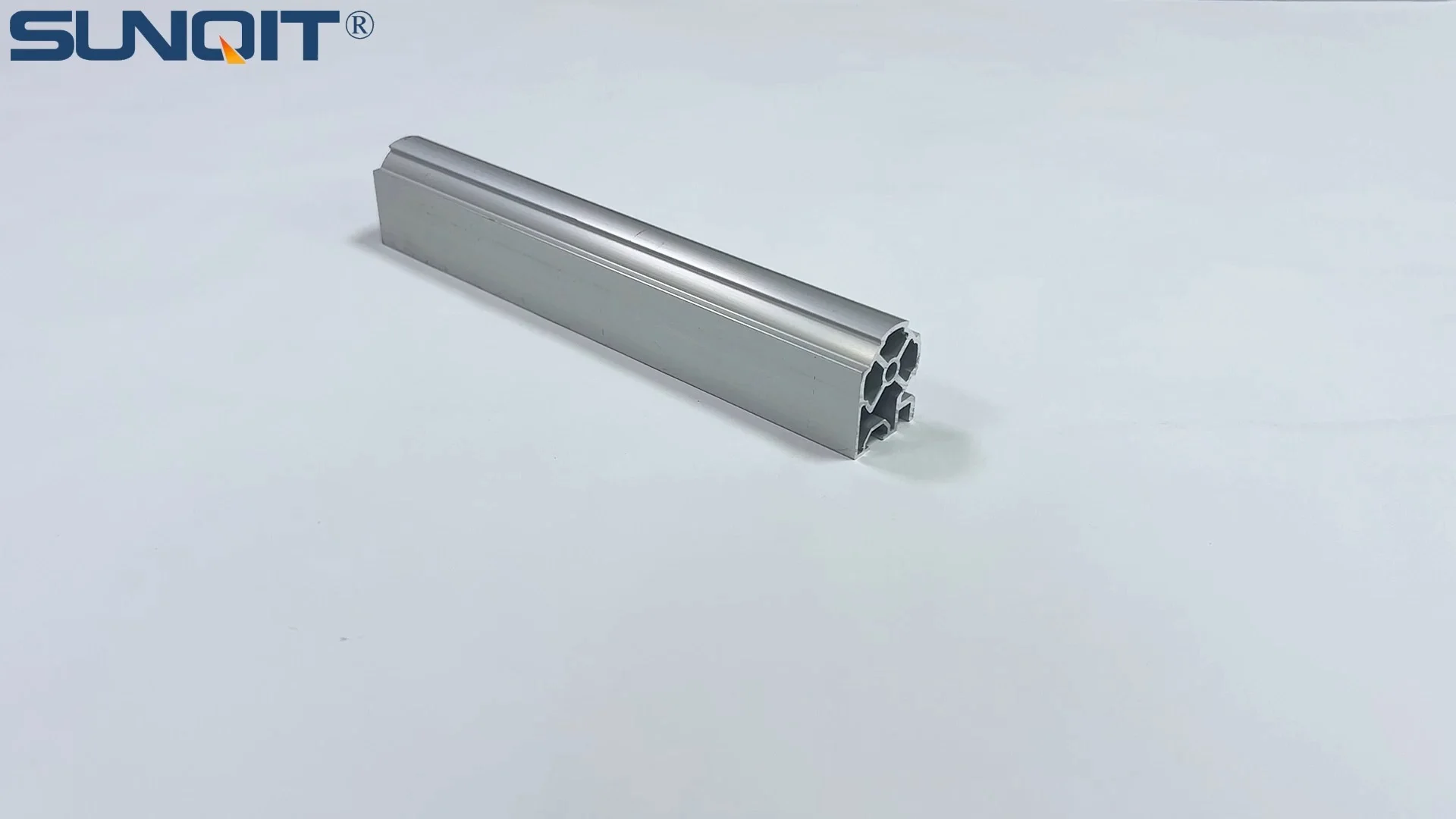
Aluminum Pipe with Tray Holder
Aluminum pipe with tray holder,the pipe one side connected by a joint, the other side with a slot which can hold a tray or a aluminum pannel.
There's something satisfying about building your own workspace solutions—especially when you're using versatile components like aluminum pipe and tray holders. Whether you're setting up a production line, organizing a warehouse, or upgrading your workshop, these systems promise flexibility, durability, and a custom fit for your needs. But here's the catch: even the sturdiest aluminum pipe can let you down if you make simple installation mistakes. From wobbly structures that disrupt workflow to safety hazards that put your team at risk, these errors can turn a promising project into a frustrating (and costly) headache. Let's dive into the most common pitfalls and how to steer clear of them, ensuring your aluminum pipe with tray holder setup is as reliable as it is functional.
1. Choosing the Wrong Aluminum Pipe Thickness or Material
One of the first decisions you'll make is selecting the aluminum pipe itself—and it's where many people go wrong. Walk into any supplier's catalog, and you'll see options like basic aluminum tube (often labeled with a thickness, like t=1.2mm), aluminum lean pipe, and even stainless steel pipe series. It's easy to grab the cheapest or most readily available option, but that's a mistake that comes back to haunt you.
For example, basic aluminum tube with a 1.2mm wall thickness is lightweight and great for light-duty tasks, like holding small tools or lightweight parts. But if you're building a tray holder to support heavy machinery components or stacks of materials, that thin pipe will bend or warp over time. I've seen workshops where a team installed a basic aluminum tube frame for their tray holders, only to have the pipes sag after a month of use—ruining alignment and making it impossible to slide materials smoothly.
Material matters too. Aluminum lean pipe, designed specifically for lean manufacturing systems, is engineered for repeated assembly and disassembly. It's coated to resist scratches and corrosion, making it ideal for busy production environments. Swap that for a generic aluminum pipe without that coating, and you'll end up with rust spots or chipped surfaces that weaken the structure over time.
How to avoid this:
Start by calculating the maximum weight your tray holder will need to support. If you're unsure, overestimate—better safe than sorry. Check the supplier's specs: most reputable aluminum pipe suppliers list weight capacities for each pipe type. For heavy loads, opt for thicker-walled pipes (look for options thicker than 1.2mm) or reinforced aluminum lean pipe. And if your workspace is humid or prone to spills, skip basic aluminum and go for coated aluminum lean pipe or even stainless steel pipe series to prevent corrosion.
2. Incorrect Joint Selection or Poor Joint Installation
Your aluminum pipe is only as strong as the joints holding it together—and aluminum pipe joints are where precision matters most. The market is flooded with options: internal rotary aluminum joint, 90° aluminum pipe joint inside connection, vertical fixed joints, and more. But using the wrong joint for the job, or installing it improperly, is a recipe for disaster.
Take internal rotary aluminum joint, for instance. These joints are designed to let pipes rotate slightly, which is perfect for adjustable structures like height-changing workbenches. But if you use them on a fixed tray holder that needs to stay rigid, you'll end up with a wobbly mess. I visited a facility once where the team used rotary joints on their material rack B (a 3-row, 3-floor setup), thinking they'd allow for easy reconfiguration. Instead, every time someone pulled a bin from the bottom shelf, the whole rack shifted—knocking items off the top shelves.
Even if you pick the right joint, improper installation can undo your hard work. Over-tightening a joint can strip the threads or crack the aluminum, while under-tightening leaves gaps that cause movement. Cross-threading is another culprit: forcing a joint onto misaligned threads weakens the connection, making it prone to failure under load.
How to avoid this:
Match the joint to the structure's needs. Fixed tray holders need fixed joints (like 90° aluminum pipe joint inside connection), while adjustable setups can use internal rotary aluminum joint. Always hand-tighten joints first to ensure they're aligned, then use a torque wrench to tighten to the supplier's recommended setting—most aluminum pipe joints specify a torque range (usually 15-25 Nm) to prevent over-tightening. And inspect joints regularly: vibrations from daily use can loosen them over time, so a quick check with a wrench every few weeks goes a long way.

3. Neglecting Aluminum Pipe Accessories Compatibility
Aluminum pipe systems thrive on accessories—clamps, brackets, end caps, and guides that turn pipes into functional tray holders. But here's the problem: not all aluminum pipe accessories play well together. Mixing parts from different manufacturers or using accessories designed for lean pipe with aluminum profile systems is a common mistake that leads to weak connections and wasted time.
For example, aluminum profile accessories are engineered for T-slot aluminum extrusion profiles, which have grooves along their length. If you try to use these with smooth aluminum lean pipe, the clamps won't grip properly, and your tray holder will slide or shift. I once helped a client who'd bought a set of plastic roller track guide rail (yellow, to match their workspace) intended for aluminum profile, only to realize their pipes were standard aluminum lean pipe without T-slots. The guides wouldn't attach, and they had to delay their project by a week while waiting for compatible parts.
Even within the same system, size matters. A 20mm pipe accessory won't fit a 25mm pipe, and vice versa. Forgetting to check diameters—say, using a caster install base designed for 30mm pipe on a 28mm aluminum pipe—leaves gaps that make the structure unstable.
How to avoid this:
Stick to one supplier if possible. Reputable aluminum pipe suppliers design their accessories to work seamlessly with their pipes, so you won't have compatibility issues. If you must mix brands, check the part numbers and specs carefully: look for terms like "compatible with 28mm aluminum lean pipe" or "fits T-slot aluminum profile." And when in doubt, buy a small sample of the accessory and test it with your pipe before ordering in bulk. It's a small investment that saves hours of frustration later.

4. Poor Measurement and Alignment
"Measure twice, cut once" isn't just a carpenter's mantra—it's critical for aluminum pipe tray holders too. Even a 1cm misalignment can throw off the entire structure, leading to uneven tray levels, pipes that don't fit into joints, or tray holders that slope, causing materials to slide off.
Let's say you're building a workbench e (single deck, without caster) with attached tray holders. If the left side of the workbench is 5mm higher than the right, the tray holders mounted to it will tilt, making it hard to keep tools or parts in place. I've seen this in assembly lines where misaligned tray holders caused workers to waste time straightening parts before they could start assembling—slowing down production by 10% or more.
Alignment isn't just about height; it's about angles too. A tray holder that's supposed to be perpendicular to the workbench but is off by 5 degrees will stress the joints, leading to premature wear. Over time, those stressed joints loosen, and the whole structure becomes unstable.
How to avoid this:
Invest in a good level tool and a measuring tape with clear markings. Start by marking your pipe lengths precisely—use a square to ensure 90° angles at joints. Assemble the structure in sections: build the base first, check it with a level, then add the vertical pipes, and check again before attaching the tray holders. For larger setups, use string lines to ensure all vertical pipes are aligned in a straight line. And don't rush: taking an extra 10 minutes to double-check measurements saves hours of rework later.
5. Ignoring Weight Distribution and Stability Features
You've chosen the right pipe, tightened the joints, and aligned everything perfectly—now it's time to load up the tray holder. But if you ignore weight distribution, all that hard work goes out the window. Tray holders are meant to organize materials, but overloading one side or placing heavy items on the edge is a surefire way to tip the structure.
I visited a warehouse where they installed a material rack B (3 rows, 3 floors) with aluminum tray holders. The team loaded all their heaviest boxes on the top shelf, thinking it was "out of the way." One afternoon, a worker bumped the rack, and the whole thing tipped—crushing boxes and damaging the floor. The issue? The weight was concentrated too high and off-center, making the rack unstable even with a small nudge.
Stability features like anti-slip adjustable leveling feet and caster wheels are often afterthoughts, but they're crucial. If your tray holder is on uneven ground, skipping anti-slip adjustable leveling feet means the structure rocks back and forth, loosening joints. If it's mobile (with caster wheel), forgetting to lock the brakes when loading/unloading can lead to accidental movement and spills.
How to avoid this:
Distribute weight evenly across the tray holder—heaviest items on the bottom, lighter ones on top. Use dividers or bins to keep items from shifting. For fixed structures, install anti-slip adjustable leveling feet to compensate for uneven floors; most come with a rubber pad that grips the ground and prevents sliding. If your tray holder is mobile, opt for caster wheel with brakes and make it a rule to lock them whenever the structure is in use. And always test the load gradually: start with half the intended weight, check for wobbling, then add more.
| Mistake | Common Consequences | How to Avoid It |
|---|---|---|
| Using thin basic aluminum tube (t=1.2mm) for heavy loads | Pipe bending, sagging tray holders, misalignment | Calculate weight needs; use thick-walled or aluminum lean pipe for heavy loads |
| Installing internal rotary aluminum joint on fixed structures | Wobbling, shifting, and instability under load | Use fixed joints (e.g., 90° aluminum pipe joint inside connection) for rigid setups |
| Mixing aluminum profile accessories with non-T-slot pipes | Loose connections, accessories slipping or falling off | Buy accessories from the same supplier; check pipe diameter and slot compatibility |
| Poor measurement leading to uneven tray holders | Materials sliding off, stressed joints, workflow delays | Use a level tool; assemble in sections and check alignment incrementally |
| Overloading one side of the tray holder | Structure tipping, pipe bending, safety hazards | Distribute weight evenly; use anti-slip adjustable leveling feet for stability |
6. Skipping Pre-Installation Checks
It's tempting to dive straight into assembly—after all, you've got a workspace to set up. But skipping pre-installation checks is like baking a cake without preheating the oven: you might get something edible, but it won't turn out right.
Start with inspecting parts. Even from top suppliers, aluminum pipe or accessories can arrive with defects: a bent pipe, a cracked joint, or a caster wheel that doesn't spin smoothly. I once unboxed a set of aluminum guide rail a only to find one had a dent in the middle—using it would have created a bump that blocked materials from sliding. Catching these issues before assembly saves you from (dismantling) the entire structure later.
Next, test fit parts. You don't need to fully tighten every joint, but dry-fitting the pipes and accessories ensures they align and connect properly. A pipe that's slightly too short or a joint that doesn't seat correctly will cause headaches mid-assembly. And if you're using new aluminum pipe accessories, like roller track placon mount for rail connection, test how they attach to the pipe—some require specific tools or pressure to lock in place.
Finally, plan the assembly sequence. Building from the top down is a common mistake; start with the base (like the workbench frame or the bottom shelf of your material rack) and work upward. This gives you a stable foundation to build on, reducing the risk of the structure toppling as you add height.
How to avoid this:
Set aside 15-20 minutes before assembly to lay out all parts and inspect them. Look for dents, cracks, or missing components. Dry-fit the first section (e.g., base frame + vertical pipes) to check alignment. And map out the assembly order—most suppliers provide guides, but a simple sketch of "base → vertical pipes → horizontal supports → tray holders" works too.
Installing an aluminum pipe with tray holder system shouldn't be a stressful experience. By avoiding these common mistakes—choosing the right pipe, selecting compatible joints and accessories, measuring carefully, distributing weight, and checking parts first—you'll build a structure that's stable, durable, and tailored to your needs. Remember, the goal isn't just to "get it done" but to create a workspace solution that makes your team's jobs easier and safer. With a little patience and attention to detail, your aluminum pipe tray holder will be more than just a structure—it'll be a tool that boosts productivity for years to come.