- Company Articles
- Products and Technology
- Installation And Maintenance
- Aluminum Pipe with Tray Holder Maintenance Tips: Extend Lifespan Easily

Aluminum Pipe with Tray Holder Maintenance Tips: Extend Lifespan Easily
Related Product
Aluminum Pipe with Tray Holder
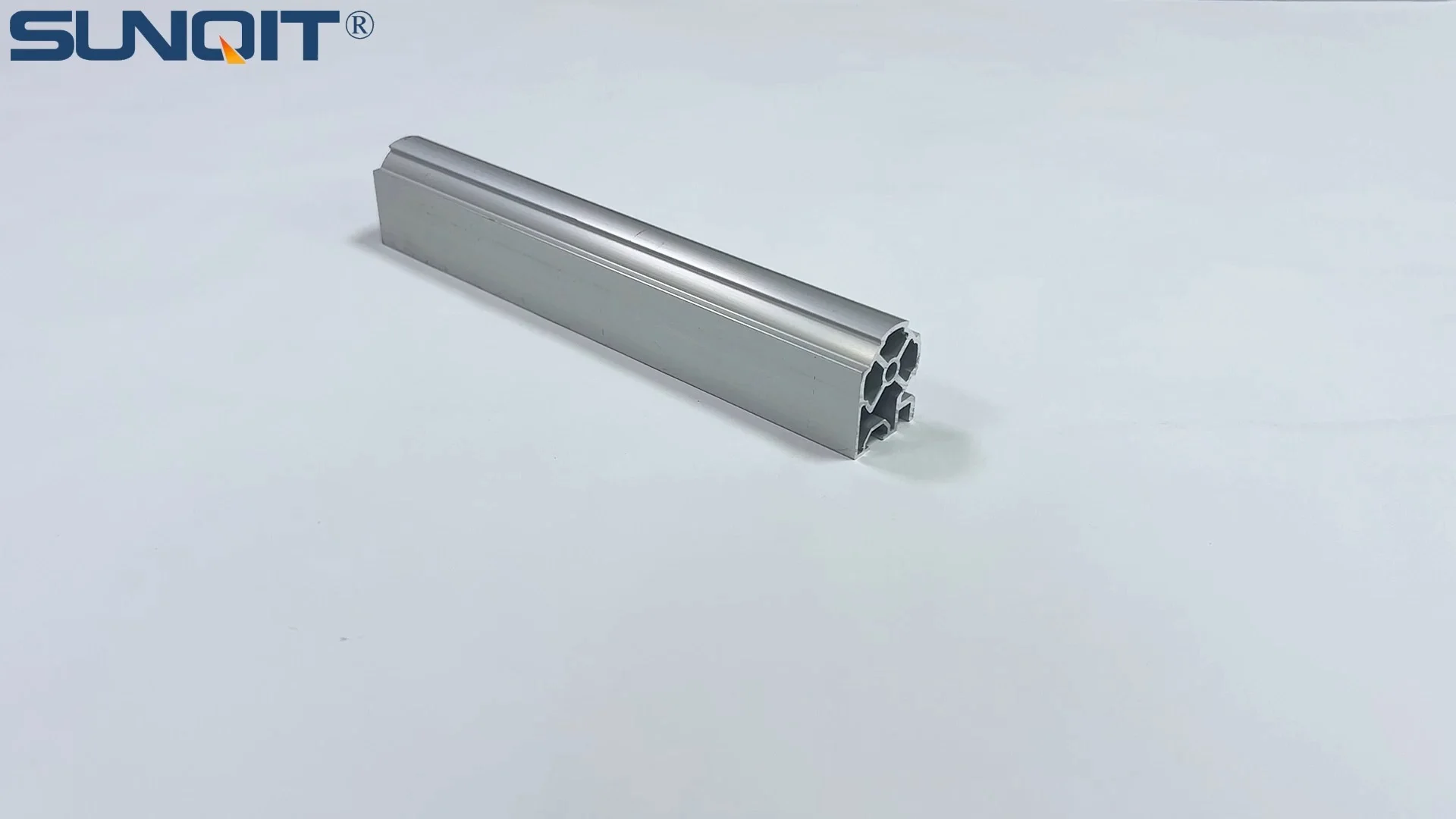
Aluminum pipe with tray holder,the pipe one side connected by a joint, the other side with a slot which can hold a tray or a aluminum pannel.
If you've spent any time in a workshop, factory, or production line, you've probably seen it: that unassuming yet hardworking aluminum pipe with a tray holder, quietly holding tools, parts, or materials right where your team needs them. Maybe it's mounted to a workbench, rolling on caster wheels across the floor, or integrated into a larger lean system. It's easy to take these tools for granted—until they start to wobble, stick, or even break. But here's the thing: your aluminum pipe with tray holder isn't just a piece of equipment. It's the backbone of efficiency, keeping workflows smooth and your team focused on what matters most. And like any hardworking teammate, it needs a little care to keep performing at its best. In this guide, we'll walk through simple, actionable maintenance tips to extend its lifespan, avoid costly repairs, and ensure it keeps supporting your lean system goals for years to come.
First, Let's Get to Know Your Aluminum Pipe with Tray Holder
Before diving into maintenance, it helps to understand what you're working with. An aluminum pipe with tray holder is typically made of lightweight yet durable aluminum profile—think of it as the "bones" of the structure. The aluminum pipe itself is often paired with a tray (plastic, metal, or wood) that sits on top or alongside, held in place by brackets or clamps. Then there are the aluminum pipe accessories: joints that connect pipes at angles, fasteners that secure the tray, and maybe even caster wheels if it's a mobile unit. Together, these parts create a flexible, customizable tool that adapts to everything from assembly lines to storage areas. But here's the catch: each part depends on the others. A loose joint can make the whole structure wobbly. A dirty tray can scratch delicate parts. And a worn caster wheel? That might turn a smooth roll into a frustrating struggle. So, maintenance isn't just about one piece—it's about keeping the entire system in harmony.
Why Maintenance Matters (Spoiler: It Saves You Time and Money)
Let's talk about the cost of neglect. Imagine (oops, scratch that—let's consider ) what happens when you skip maintenance. A small scratch on the aluminum profile might seem harmless, but over time, moisture creeps in, leading to corrosion. A loose joint could cause the tray to sag, risking damage to the parts it holds. And if a caster wheel locks up, suddenly that mobile unit becomes a dead weight, slowing down your team as they drag it across the floor. Repairs or replacements for these issues? They add up. New aluminum pipe joints, caster wheels, or even a whole new aluminum pipe—those aren't cheap. Plus, downtime while you wait for parts? That's lost productivity, which hits your bottom line even harder. On the flip side, consistent maintenance is cheap insurance. A few minutes each day, an hour each week, and a little monthly attention can prevent most of these problems. It's like changing the oil in your car: a small task that saves you from a blown engine later. And when your aluminum pipe with tray holder stays in shape, it keeps your lean system running like clockwork—no more hunting for tools that fell off a wobbly tray or wasting time fixing avoidable breakdowns.

Daily Maintenance: Quick Habits That Make a Big Difference
You don't need to spend hours each day maintaining your aluminum pipe with tray holder—just a few minutes of focused checks can go a long way. Let's break it down into simple, daily habits you can build into your routine.
Start with a Visual Scan
Before you even start your shift, take 30 seconds to look over your aluminum pipe with tray holder. What are you checking for? Debris on the tray, for starters. If there are loose screws, bits of packaging, or spilled liquids, clear them off right away. Debris can scratch the tray surface or even get caught in moving parts like caster wheels, causing them to jam. Next, glance at the aluminum pipe itself. Are there any new dents or bends? A small bend might not seem like a big deal, but it can throw off the tray's balance over time. Finally, check the joints where the pipe connects to the tray or other parts. Do they look loose? Are any of the aluminum pipe accessories, like brackets or clamps, hanging off? Catching these small issues early prevents them from turning into bigger problems by the end of the day.
Wipe It Down (Quickly!)
At the end of your shift, grab a dry, soft cloth and give the aluminum pipe and tray a quick wipe. This removes dust, fingerprints, and any light spills before they have a chance to set in. If there's a sticky spot—maybe some oil or grease—dampen the cloth with a little water (no soap needed for daily cleaning) and wipe it away. Avoid using paper towels here; they can leave lint or scratch the aluminum profile, especially if it's coated. A microfiber cloth works best—it's gentle and picks up even tiny particles. This quick wipe keeps the surface clean and makes your weekly deep clean much easier.
Test the Movement (If It Rolls)
If your aluminum pipe with tray holder has caster wheels, take a minute to roll it back and forth. Does it move smoothly, or does it jerk or stick? Listen for strange noises—squeaking, grinding, or rattling. Squeaky caster wheels are often a sign they need lubrication (we'll get to that in monthly maintenance), but if it's sticking, there might be debris caught in the wheel or axle. Flip the unit gently (or have a teammate help) and check the caster wheels for hair, threads, or small pieces of plastic wrapped around them. Pull those out with your fingers or a pair of tweezers. If the wheel still sticks, it might be misaligned—check that the caster is mounted straight to the base. A quick adjustment here can save you from a frustrating day of wrestling with a stuck cart.

Weekly Deep Dive: Cleaning and Inspection
Daily habits keep things running day-to-day, but weekly maintenance is where you really protect your aluminum pipe with tray holder from long-term damage. Set aside 15–20 minutes each week—maybe on Friday afternoons when things slow down—to give it a little extra attention.
Deep Clean the Aluminum Pipe and Tray
Start by removing everything from the tray—tools, parts, bins, whatever's sitting on it. This gives you a clear view and access to every surface. Fill a bucket with warm water and add a few drops of mild dish soap (avoid harsh cleaners like bleach or ammonia; they can damage the aluminum profile's finish). Dip a soft sponge or cloth into the soapy water and wring it out well—you want it damp, not soaking. Wipe down the entire tray, paying extra attention to corners and edges where dirt likes to hide. For the aluminum pipe, wipe along the length, turning it if you can to reach all sides. If there are stubborn spots, like dried glue or tape residue, let the soapy cloth sit on the spot for a minute to soften it, then gently rub. Never use a scouring pad or abrasive sponge—they'll scratch the aluminum, making it more prone to corrosion later. Once you've wiped everything down, rinse the cloth with clean water and go over the surfaces again to remove any soap residue. Dry immediately with a clean, dry cloth to prevent water spots, especially if your shop has hard water.
Inspect for Wear and Tear
With the unit clean, it's time to really inspect it. Grab a flashlight if needed—good lighting helps spot small issues. Start with the tray: Are there cracks, chips, or deep scratches? If the tray is plastic, a small crack might spread under weight; if it's metal, scratches can lead to rust. For minor scratches on aluminum trays, you can buff them gently with a fine steel wool pad (in the direction of the grain) to smooth the surface. For cracks, though, it might be time to replace the tray—check with your supplier for compatible replacements, maybe using aluminum pipe accessories designed for your specific model. Next, look at the aluminum pipe itself. Are there any dents deeper than a few millimeters? A small dent might not affect structural integrity, but a deep one could weaken the pipe, especially if it's load-bearing. Run your hand along the pipe—do you feel any sharp edges or burrs? These can snag gloves or damage parts; file them down gently with a metal file or sandpaper (start with 220-grit, then 400-grit for a smooth finish). Finally, check all the joints and connections. Are the screws or bolts holding the pipe to the tray loose? Use a screwdriver or wrench (depending on the fastener type) to tighten them—just snug, not overtight (you don't want to strip the threads). If a fastener spins without tightening, the hole might be stripped; in that case, you'll need to replace it with a new one from your stock of aluminum pipe accessories.
Check Caster Wheels (Again, More Thoroughly)
Weekly is also the time to give your caster wheels a closer look. Flip the unit (safely!) so the wheels are off the ground. Spin each wheel by hand—they should rotate smoothly, with no wobbling or grinding. If a wheel wobbles, check the axle nut—if it's loose, tighten it with a wrench. If it's tight but still wobbles, the wheel might be bent or the bearing could be worn out. In that case, you'll need to replace the caster wheel. Most caster wheels are held on with a pin or bolt; remove that, take off the old wheel, and pop on a new one (keep spares in your aluminum pipe accessories drawer!). While you're at it, check the caster housing for cracks or damage—if the housing is bent, the wheel won't align properly, even with a new wheel. Finally, look at the tread on the caster wheels. If the tread is worn smooth, the wheel will slip more easily, especially on smooth floors. replace worn wheels before they become a safety hazard—better to spend a few dollars on a new caster than risk a spill or fall.
Monthly Preventive Care: Lubrication and Tightening
Monthly maintenance is all about preventing problems before they start. These tasks take a bit more time—maybe 30 minutes—but they're critical for keeping your aluminum pipe with tray holder in top shape for the long haul.
Lubricate Moving Parts
Moving parts like caster wheels, hinges (if your tray tilts or folds), and adjustable joints need lubrication to reduce friction and wear. The key here is to use the right lubricant—avoid oil-based products like WD-40 (they attract dust and grime, which can gum up parts over time). Instead, use a silicone-based spray lubricant or dry lubricant (like graphite powder). For caster wheels, spray a small amount of silicone lubricant into the wheel bearings—you can usually see the gap between the wheel and the housing where the bearing sits. Spin the wheel a few times to work the lubricant in, then wipe off any excess with a cloth (this prevents dust from sticking). If your aluminum pipe with tray holder has hinges (maybe for a folding tray or adjustable height), apply a drop of lubricant to the hinge pin and move the hinge back and forth to distribute it. For threaded joints or adjustable clamps, a light coating of dry lubricant (like graphite) on the threads will make them easier to adjust and prevent seizing. Remember: a little goes a long way—too much lubricant just makes a mess.
Tighten Every Fastener
Vibration is the enemy of tight fasteners. Every time you roll your aluminum pipe with tray holder across the floor, set heavy parts on the tray, or bump it into a workbench, the screws, bolts, and joints loosen a little. Over time, that looseness can lead to wobbling, misalignment, or even parts falling off. Once a month, go through every fastener with the right tool—a screwdriver for Phillips or flat-head screws, a wrench or hex key for bolts—and tighten them. Start with the tray brackets: these take the most weight, so they're often the first to loosen. Then move to the aluminum pipe joints, caster wheel mounts, and any other connections. A good rule of thumb is "hand-tight plus a quarter turn"—you want them snug, but don't overtighten (this can strip the threads or warp the aluminum profile). If a fastener keeps loosening, even after tightening, it might be time to replace it with a new one from your aluminum pipe accessories stash. You can also try adding a drop of thread-locking compound (like Loctite) to the threads—just make sure it's removable (not permanent) so you can take it apart later if needed.
Inspect for Corrosion
Aluminum is naturally resistant to corrosion, but it's not immune—especially if your shop is humid, near saltwater, or uses chemicals that can eat away at the finish. Once a month, check the aluminum pipe and any metal parts for signs of corrosion: white, powdery spots (aluminum oxide) or greenish discoloration. If you spot corrosion, act fast. For light surface corrosion, mix equal parts white vinegar and water, dip a cloth in the solution, and gently rub the affected area. The acid in the vinegar will dissolve the corrosion. Rinse with clean water and dry thoroughly. For more stubborn corrosion, use a specialized aluminum cleaner (available at hardware stores) and follow the instructions. After cleaning, apply a thin coat of car wax or aluminum polish to the surface—it acts as a barrier against moisture and slows future corrosion. Pay extra attention to joints and crevices, where moisture can hide. If the corrosion has eaten into the aluminum profile (you can feel a pit or hole), that part might need to be replaced—corroded metal is weakened and unsafe to use.
Troubleshooting Common Issues (And How to Fix Them)
Even with great maintenance, things can go wrong. Here's how to spot and solve the most common problems with aluminum pipe with tray holders.
Problem: Loose or Wobbly Tray
If the tray feels like it's going to fall off when you load it, the issue is almost always loose brackets or joints. Start by checking the brackets that connect the tray to the aluminum pipe—tighten all screws or bolts. If that doesn't help, look at the aluminum pipe itself: is it bent? A bent pipe can throw off the tray's alignment, making it wobble. If the pipe is bent, you might be able to straighten it gently with a rubber mallet (tap slowly and evenly—don't hit hard, or you'll make it worse). If it's badly bent, replace the pipe with a new aluminum pipe from your supplier. Another possibility: the tray itself is warped. Set it on a flat surface (like a workbench) to see if it rocks—if it does, the tray is bent and needs to be replaced. Most suppliers sell replacement trays that work with standard aluminum pipe accessories, so this should be an easy fix.
Problem: Stuck or Squeaky Caster Wheels
Squeaky wheels are annoying, but stuck wheels are a productivity killer. For squeaks, first try lubricating the wheel bearings (as we covered in monthly maintenance). If that doesn't work, the wheel might be rubbing against the caster housing—check for dents or bends in the housing and straighten them with pliers if needed. For stuck wheels, start by cleaning out any debris (hair, threads, etc.) from the axle. If that doesn't help, remove the wheel and check the bearing—if it's rusted or seized, you'll need to replace the caster wheel. Most caster wheels are designed to be easy to swap out; just remove the axle pin or bolt, take off the old wheel, and put on a new one. If the entire caster unit is stuck (not just the wheel), the mounting plate might be bent—loosen the bolts holding it to the base, straighten the plate, and retighten.
Problem: Bent Aluminum Pipe
Aluminum is strong, but it's not indestructible. A heavy impact (like dropping a tool on the pipe) can bend it. Small bends (less than 5 degrees) can often be fixed by hand: grip the pipe on either side of the bend and gently apply pressure to straighten it. For bigger bends, use a vice: clamp the pipe just above the bend, then use a pipe wrench to slowly straighten the bent section (go slow—aluminum can crack if bent too quickly). If the bend is severe (more than 15 degrees) or there's a crease in the pipe, don't try to fix it—replace the pipe. A creased pipe is weakened and could snap under load, which is dangerous. Always use a new aluminum pipe that matches the original size and thickness—using a thinner or weaker pipe is a safety risk.
Maintenance Schedule at a Glance
To make it easy to stay on track, here's a handy maintenance schedule you can print and keep near your workspace:
| Task Category | Specific Task | Frequency | Tools Needed | Pro Tip |
|---|---|---|---|---|
| Daily Checks | Clear debris from tray; inspect for loose parts | Daily | None | Do this first thing in the morning to start fresh. |
| Daily Cleaning | Wipe tray and aluminum pipe with dry cloth | Daily | Microfiber cloth | Focus on sticky spots—they attract more dirt. |
| Weekly Cleaning | Deep clean with mild soap and water | Weekly | Bucket, soft sponge, mild soap | Remove all items from the tray first for full access. |
| Weekly Inspection | Check for dents, scratches, and loose joints | Weekly | Flashlight (for hard-to-see spots) | Mark dents with a pencil so you can track if they get worse. |
| Monthly Lubrication | Lubricate caster wheels and hinges | Monthly | Silicone lubricant, cloth | Wipe excess lubricant to avoid dust buildup. |
| Monthly Tightening | Tighten all screws, bolts, and joints | Monthly | Screwdrivers, wrenches, hex keys | Start with the tray brackets—they take the most stress. |
| Quarterly Corrosion Check | Inspect for rust or aluminum oxide | Quarterly | Vinegar-water solution, cloth | Check joints and crevices—moisture loves to hide there. |
Long-Term Care: When to Repair vs. replace
Even with perfect maintenance, parts wear out. Knowing when to repair and when to replace can save you time and money. As a general rule: if a part is broken, bent, or corroded through, replace it. If it's loose, dirty, or slightly worn, repair it. For example, a loose joint can be tightened or replaced with a new aluminum pipe joint (cheap and easy). A bent aluminum profile, though, is better replaced—bending weakens the metal, and it might fail under load. When replacing parts, always use quality aluminum pipe accessories from a reputable supplier. Cheap knockoffs might save money upfront, but they'll wear out faster and could be unsafe. Look for parts that match the original specifications—same size, material, and load rating. And keep a small stock of common parts (casters, joints, screws) on hand so you can fix issues quickly without waiting for deliveries.
Final Thoughts: Your Aluminum Pipe with Tray Holder Deserves Care
At the end of the day, your aluminum pipe with tray holder is more than just a tool. It's a partner in keeping your lean system efficient, your team productive, and your workspace organized. It doesn't ask for much—just a few minutes of your time each day, week, and month. But that small investment pays off in smoother workflows, fewer breakdowns, and a longer lifespan for your equipment. So, the next time you walk past your aluminum pipe with tray holder, take a second to appreciate all it does. Then, grab a cloth, check those joints, and give it the care it deserves. Your future self (and your bottom line) will thank you.