- Company Articles
- Products and Technology
- Product knowledge
- Aluminum Pipe with Tray Holder Material Quality: Why Alloy Grade Matters

Aluminum Pipe with Tray Holder Material Quality: Why Alloy Grade Matters
Related Product
Aluminum Pipe with Tray Holder
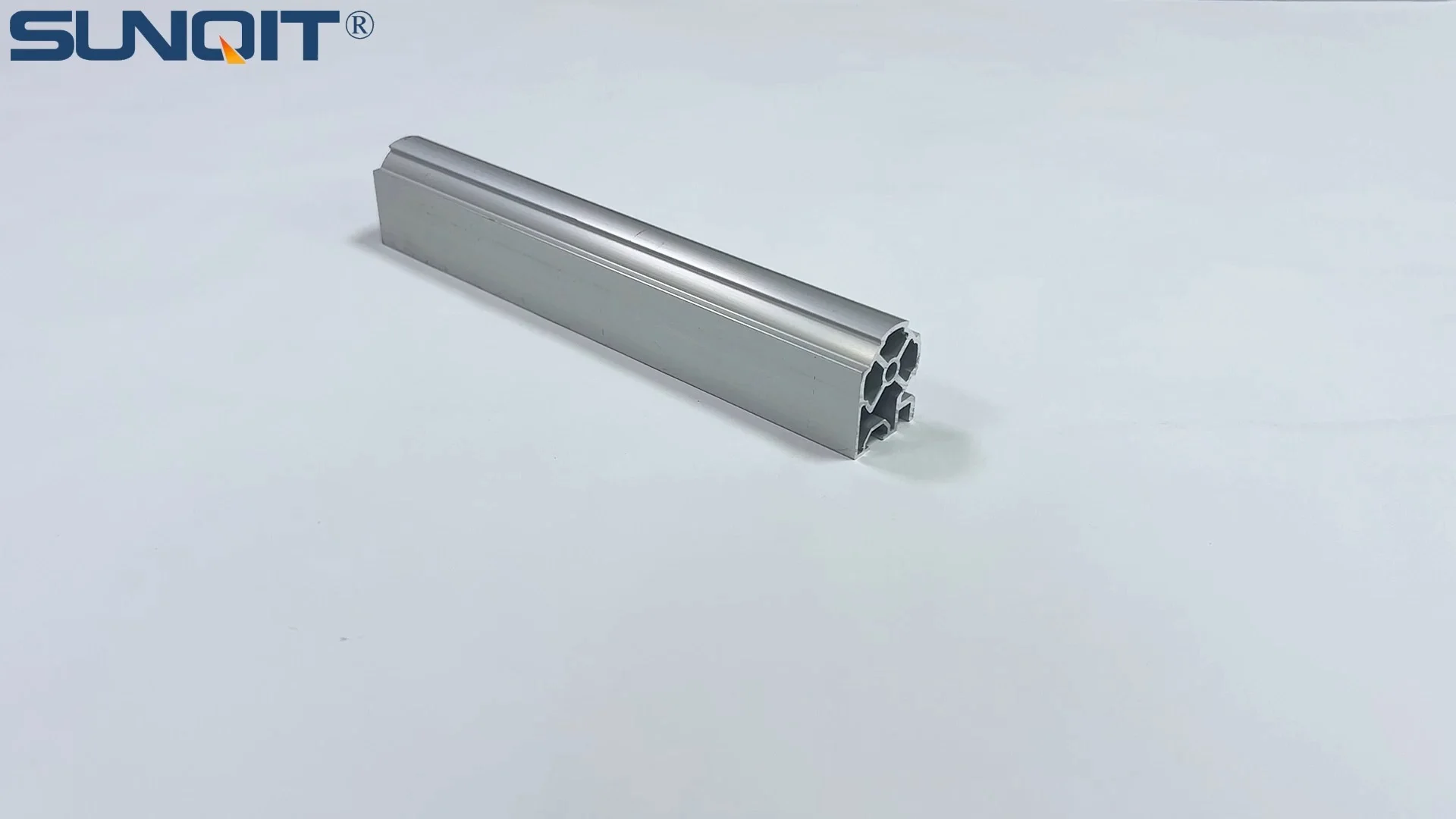
Aluminum pipe with tray holder,the pipe one side connected by a joint, the other side with a slot which can hold a tray or a aluminum pannel.
Walk into any busy manufacturing floor, warehouse, or assembly plant, and you'll notice a silent backbone holding everything together: the equipment that keeps materials moving, workers productive, and operations flowing. From the workbench where an assembler pieces together components to the material rack stacked with parts, these structures aren't just metal and bolts—they're the unsung heroes of efficiency. And among these heroes, one component stands out for its versatility and reliability: the aluminum pipe with tray holder. But here's the thing: not all aluminum pipes are created equal. The secret to their performance, durability, and long-term value lies in a detail many overlook: the alloy grade. In this article, we'll dive into why alloy grade isn't just a technical specification but a critical factor that impacts everything from safety to bottom-line costs. Whether you're setting up a new lean system or upgrading existing equipment, understanding alloy grade will help you make choices that stand the test of time.
What Is an Aluminum Pipe with Tray Holder, Anyway?
Before we get into alloy grades, let's make sure we're on the same page about what an aluminum pipe with tray holder actually is. At its core, it's a simple concept: a lightweight, modular aluminum pipe (often part of an aluminum extrusion profile) paired with a tray or shelf-like holder designed to carry materials, tools, or products. You'll find these in just about every corner of industrial operations: on assembly lines holding small parts, in warehouses as part of flow racks, or on workbenches organizing tools.
What makes them so popular? Their modularity. Thanks to aluminum profile accessories like connectors, brackets, and end caps, these pipes can be easily assembled, disassembled, or reconfigured to fit changing needs—perfect for lean system setups where adaptability is key. But here's the catch: the entire system is only as strong as its weakest link, and that link often starts with the aluminum pipe itself. And the pipe's strength? Directly tied to its alloy grade.
Aluminum Alloys 101: It's Not Just "Aluminum"
When we say "aluminum," most of us picture a soft, silvery metal that's lightweight and easy to bend. But industrial aluminum pipes are a far cry from the aluminum foil in your kitchen. That's because pure aluminum is actually too soft for most structural applications. To make it strong enough to hold heavy trays of parts or withstand the daily wear of a busy factory, manufacturers mix aluminum with other elements—like magnesium, silicon, copper, or zinc—to create alloys. These alloys have properties tailored for specific jobs, and the "grade" tells you exactly what's in the mix.
Think of it like baking a cake: the base is aluminum (the flour), but adding different ingredients (alloying elements) changes the final result. Want a cake that's moist and dense? Add more butter. Want an aluminum pipe that's strong and corrosion-resistant? Add magnesium and silicon. The grade is like the recipe card—it tells you which ingredients were used and in what proportions, so you know what to expect from the final product.
For industrial applications like aluminum pipes with tray holders, two alloy families dominate: the 6000 series and, to a lesser extent, the 5000 series. Let's break down why these matter.

Why Alloy Grade Makes or Breaks Your Aluminum Pipe with Tray Holder
You might be thinking, "Does it really matter? It's just a pipe holding a tray of parts." But in reality, the alloy grade impacts nearly every aspect of how your aluminum pipe with tray holder performs. Let's break it down into four critical areas: strength, durability, weight, and compatibility with accessories.
1. Strength: Can It Handle the Load?
The most obvious job of an aluminum pipe with tray holder is to hold weight—whether that's a tray full of metal components, plastic parts, or tools. A pipe made from a low-quality alloy might bend under the strain, sag over time, or even snap under heavy loads. That's not just a nuisance; it's a safety hazard. Imagine a tray full of heavy parts suddenly collapsing onto a worker's foot, or a sagging pipe causing materials to shift and jam a production line. Here's where alloy grade steps in. Alloys in the 6000 series, like 6061 and 6063, are heat-treatable, meaning they can be strengthened through a process of heating and cooling. This gives them impressive tensile strength (the maximum pulling force they can withstand) and yield strength (the point at which they start to bend permanently). For example, 6061-T6, a common heat-treated variant, has a tensile strength of around 45,000 psi—more than enough to handle the daily demands of a busy warehouse. Compare that to a pure aluminum pipe, which might only hit 13,000 psi, and you see why alloy grade matters.
Real-Life Scenario:
A small electronics manufacturer once opted for a budget aluminum pipe with tray holder made from a generic, ungraded aluminum alloy to save costs. Within six months, the pipes supporting their component trays began to sag under the weight of circuit boards and small tools. The sagging caused trays to tilt, leading to parts sliding off and getting damaged. Worse, the unstable trays forced workers to slow down, checking each shelf for balance—wasting valuable time. After upgrading to 6061-T6 alloy pipes, the sagging stopped, parts stayed in place, and productivity rebounded. The initial cost savings? Wiped out by the downtime and damaged inventory.
2. Durability: Fighting Corrosion, Wear, and Time
Industrial environments are tough. Pipes with tray holders face everything from humidity in warehouses to oil and coolant spills on factory floors, not to mention the constant sliding of trays and parts. A pipe that can't stand up to these conditions will degrade quickly—rusting, pitting, or weakening until it needs replacement. Alloy grade directly impacts corrosion resistance. Take the 5000 series alloys, which are mixed with magnesium (up to 5%). These alloys are known for their excellent resistance to saltwater and atmospheric corrosion, making them a good choice for humid or outdoor environments. On the other hand, 6000 series alloys (magnesium and silicon) offer good corrosion resistance too, though not quite as robust as 5000 series. But they make up for it with higher strength—a trade-off that matters in most indoor industrial settings. Wear resistance is another factor. Pipes with tray holders often have parts sliding across them or trays being pushed and pulled into place. A softer alloy might scratch or dent easily, creating rough edges that catch on trays or damage parts. Harder alloys, like heat-treated 6061, resist these micro-abrasions, keeping the pipe smooth and functional for years longer.3. Weight: Lightweight Without Sacrificing Strength
One of the biggest advantages of aluminum over steel is its weight—aluminum is about one-third the density of steel. This makes aluminum pipes with tray holders easier to install, reconfigure, and move (a big plus for lean system setups that need to adapt to changing production needs). But here's the catch: making aluminum stronger often means adding alloying elements, which can slightly increase weight. The right alloy grade strikes the perfect balance between strength and weight. For example, 6063 alloy is slightly lighter than 6061 but has lower strength. It's ideal for lighter loads or applications where weight is a top priority, like mobile trolleys. 6061, with its higher magnesium and silicon content, is a bit heavier but much stronger—perfect for stationary material racks or workbenches where strength matters more than portability. Choosing the wrong grade here can lead to either a pipe that's too flimsy (if you prioritized weight over strength) or unnecessarily heavy (if you overcompensated with a high-strength alloy when a lighter one would do).4. Compatibility with Aluminum Profile Accessories
An aluminum pipe with tray holder isn't a standalone product—it's part of a system. To build that system, you'll use aluminum profile accessories like connectors, brackets, end caps, and hinges. These accessories need to attach securely to the pipe, whether via T-slots, screws, or clamps. A pipe made from a poor-quality alloy can make this connection unreliable. Softer alloys, for example, might strip easily when screws are tightened, or deform when a clamp is applied. This leads to wobbly tray holders, loose connections, and a system that feels "unstable." High-quality alloys like 6061, with their higher hardness, hold screws and clamps firmly, ensuring the entire structure stays tight and secure over time. It's the difference between a bookshelf that wobbles when you touch it and one that stands rock-solid for decades—all because the material can handle the stress of being connected.
Common Alloy Grades for Aluminum Pipes with Tray Holders: A Comparison
To make this tangible, let's compare three of the most common alloy grades used in aluminum pipes with tray holders. This table breaks down their key properties, best uses, and why you might choose one over the other.
Let's unpack this a bit. 6061-T6 is the workhorse of the group. Its high strength makes it ideal for heavy loads, like a material rack holding 3 rows and 3 floors of metal parts. 6063-T5 is the lightweight option—great for a small tray holder on a workbench where the load is minimal, or a mobile cart that needs to be pushed around. 5052-H32 is the corrosion champion, perfect for a warehouse near the coast where salt air could eat away at other alloys, or a food processing plant where frequent washdowns are required.
The key takeaway? There's no "best" alloy grade—only the best grade for your specific needs. A one-size-fits-all approach here will cost you in the long run.
| Alloy Grade | Main Alloying Elements | Tensile Strength (psi) | Yield Strength (psi) | Corrosion Resistance | Best For |
|---|---|---|---|---|---|
| 6061-T6 | Magnesium (1.0%), Silicon (0.6%) | 45,000 | 40,000 | Good (resistant to atmospheric corrosion) | Heavy-duty material racks, workbenches, stationary tray holders with high load capacity |
| 6063-T5 | Magnesium (0.7%), Silicon (0.4%) | 25,000 | 21,000 | Very Good (excellent for indoor, dry environments) | Light to medium load tray holders, mobile trolleys, decorative or non-structural components |
| 5052-H32 | Magnesium (2.5%) | 33,000 | 28,000 | Excellent (resistant to saltwater, humidity, and chemicals) | Outdoor or humid environments (e.g., food processing, marine facilities), where corrosion is a concern |
The Hidden Cost of Choosing the Wrong Alloy Grade
It's tempting to cut costs by choosing the cheapest aluminum pipe with tray holder you can find. After all, a pipe is a pipe, right? Wrong. The upfront savings of a low-grade alloy often vanish when you factor in the hidden costs of failure: repairs, replacements, downtime, and even safety incidents.
Let's say you run a small assembly plant and need a material rack for holding plastic parts. You opt for a generic aluminum pipe with tray holder made from ungraded aluminum (likely a low-purity alloy) to save $50 per unit. At first, it works fine. But after a few months, the pipes start to sag under the weight of the trays. You have to prop them up with wooden blocks to keep the parts from sliding off. Then, one day, a pipe bends so much that a tray crashes to the floor, scattering parts and halting production for an hour while your team cleans up and replaces the broken pipe. The cost of that downtime? Easily $500 or more in lost productivity. Multiply that by multiple racks, and the "cheap" option ends up costing you ten times more than investing in a quality 6061 alloy pipe upfront.
On the flip side, overspending on a high-grade alloy when you don't need it is also a waste. If you're building a lightweight tray holder for holding small electronic components, a 6063 alloy pipe will work perfectly. Splurging on 7075 (a high-strength alloy used in aerospace!) would be like using a sledgehammer to crack a nut—you're paying for strength you'll never use, driving up costs unnecessarily.
How to Ensure You're Getting the Right Alloy Grade
Now that you know why alloy grade matters, how do you make sure you're getting the real deal? Here are a few tips to avoid getting stuck with subpar aluminum pipes:
1. Ask for the Specs
Reputable manufacturers will happily provide material specifications, including the alloy grade and temper (like T6 or T5). If a supplier hesitates to share this info, or if the specs are vague ("high-quality aluminum"), that's a red flag. Insist on seeing a certificate of analysis (COA) if possible—it's a document that confirms the alloy's composition and properties.2. Check the Finish
High-quality aluminum extrusion profiles (like those used in 6061 and 6063 alloys) have a smooth, consistent finish with no visible defects like pits, cracks, or uneven coloring. A rough or blotchy finish can be a sign of poor extrusion quality or a low-grade alloy that didn't flow properly during manufacturing.3. Do a Simple Hardness Test (If You Can)
While not foolproof, a quick scratch test can give you a sense of hardness. Use a key or a small knife to gently scratch the surface of the pipe. A high-grade alloy like 6061-T6 will resist scratching, while a softer, lower-grade alloy will scratch more easily. (Note: This is just a preliminary check—always rely on specs for confirmation.)4. Buy from a Trusted Supplier
Finally, work with suppliers who specialize in industrial aluminum products and have a track record of quality. A supplier who knows the difference between 6061 and 6063, and can help you choose the right grade for your needs, is worth their weight in gold. They'll ask questions about your application—What's the maximum load? Will it be indoors or outdoors? Do you need it to be mobile?—and guide you to the best option, not just the cheapest.Aluminum Pipe with Tray Holder in Lean Systems: The Big-Picture Impact
We've talked a lot about the technical side of alloy grades, but let's zoom out to the bigger picture: how this impacts your lean system. Lean manufacturing is all about eliminating waste—whether that's wasted time, wasted materials, or wasted effort. A poorly made aluminum pipe with tray holder introduces waste in spades:
-
Wasted time
when parts fall off sagging trays and need to be retrieved.
-
Wasted money
on frequent replacements and repairs.
-
Wasted effort
when workers have to adjust or fix unstable equipment instead of focusing on production.
A high-quality aluminum pipe with tray holder, made from the right alloy grade, does the opposite: it supports lean principles by creating a stable, reliable system that keeps materials flowing, workers focused, and operations running smoothly. It's not just a piece of equipment—it's an investment in your team's productivity and your company's bottom line.
Final Thoughts: Alloy Grade Isn't Just a Detail—It's the Foundation
The next time you're shopping for aluminum pipes with tray holders, remember: you're not just buying metal tubes. You're buying peace of mind, reliability, and long-term value. The alloy grade is the foundation of that value—it determines whether your tray holder will sag, snap, or stand strong; whether it will rust in a humid warehouse or resist corrosion for years; whether it will work with your aluminum profile accessories to create a solid system or leave you with wobbly, frustrating equipment.
So don't settle for "good enough." Ask about the alloy grade. Compare the specs. Choose the grade that fits your load, environment, and needs. Your workers will thank you for the stable, safe equipment. Your budget will thank you for avoiding costly repairs and downtime. And your lean system? It will hum along, efficient and waste-free, all because you took the time to care about the material that holds it all together.
After all, in the world of industrial operations, the smallest details often make the biggest difference. And when it comes to aluminum pipes with tray holders, that detail is the alloy grade.