- Company Articles
- Products and Technology
- Solution
- Aluminum Pipe with Tray Holder: The Future of Lean Material Handling Systems

Aluminum Pipe with Tray Holder: The Future of Lean Material Handling Systems
Related Product
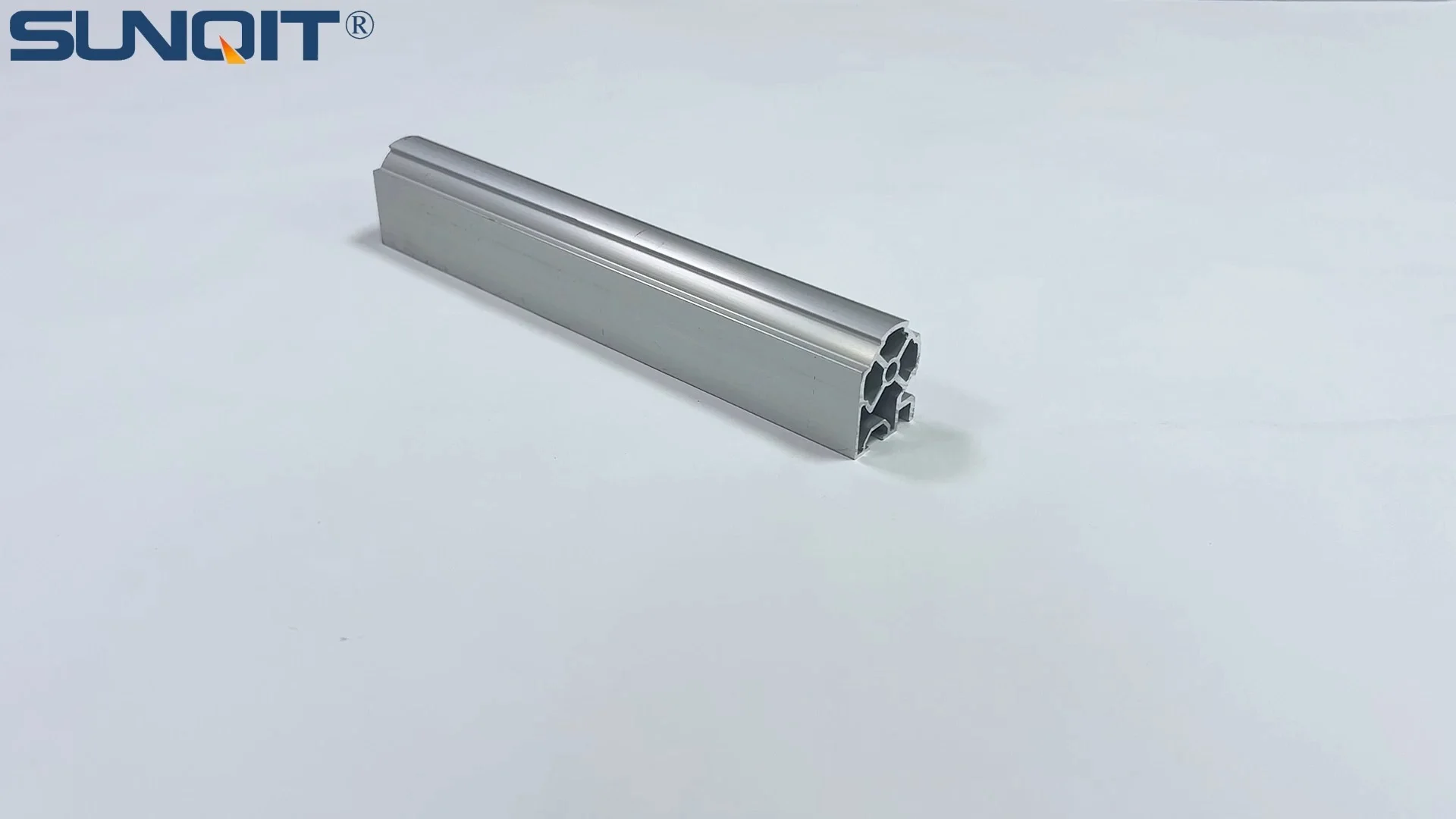
Aluminum Pipe with Tray Holder
Aluminum pipe with tray holder,the pipe one side connected by a joint, the other side with a slot which can hold a tray or a aluminum pannel.
The Pulse of Modern Manufacturing: Efficiency Redefined
Walk into any thriving factory or workshop today, and you'll notice a quiet revolution underway. Gone are the days of cluttered floors, disorganized tools, and workers spending precious minutes hunting for materials. Instead, there's a rhythm—a seamless flow of parts, tools, and products that feels almost orchestrated. This transformation isn't accidental. It's the result of lean material handling systems, and at the heart of this evolution lies a deceptively simple yet powerful tool: the aluminum pipe with tray holder.
In a world where every second counts, inefficiencies are more than just frustrating—they're costly. Studies show that workers in traditional setups spend up to 25% of their time searching for tools or moving materials, eating into productivity and morale. Lean systems tackle this by eliminating waste, streamlining workflows, and putting everything exactly where it needs to be, exactly when it's needed. And when it comes to building these systems, aluminum has emerged as the material of choice, with aluminum pipe and its accessories leading the charge.
What Makes Lean Material Handling Systems Indispensable?
Lean isn't just a buzzword—it's a philosophy rooted in respect for people and a relentless pursuit of perfection. At its core, lean material handling aims to minimize "muda" (waste) in all forms: wasted time, wasted space, wasted effort, and wasted resources. Whether it's overproduction, excess inventory, or unnecessary movement, lean systems strip away the non-essentials, leaving only what adds value.
But lean isn't about cutting corners. It's about working smarter. A well-designed lean system turns chaos into order, reduces errors, and empowers workers to focus on what they do best: creating quality products. And to build such a system, you need components that are as flexible and adaptable as the workflows they support. Enter aluminum pipe with tray holder—a solution that checks every box.

Aluminum: The Unsung Hero of Lean Systems
Why aluminum? For decades, steel was the go-to material for industrial structures. It's strong, durable, and familiar. But steel has drawbacks: it's heavy, prone to rust, and rigid. Once a steel structure is welded into place, changing it means cutting and rewelding—a time-consuming, costly process that stifles adaptability.
Aluminum, on the other hand, is a game-changer. It's lightweight (about one-third the weight of steel), making it easy to move and reconfigure without heavy machinery. It's naturally resistant to corrosion, so it holds up in humid factories or outdoor warehouses. And perhaps most importantly, it's infinitely modular. Aluminum pipes and profiles connect with simple, tool-free joints, allowing workers to build, break down, and rebuild structures in minutes. This flexibility is gold in today's fast-paced manufacturing landscape, where production lines shift, product designs evolve, and space constraints demand creative solutions.
Add to that aluminum's sustainability credentials— it's 100% recyclable with no loss in quality—and it's clear why forward-thinking manufacturers are making the switch. Aluminum isn't just a material; it's a commitment to efficiency, adaptability, and the future of work.

Aluminum Pipe with Tray Holder: A Closer Look at the Innovation
At first glance, an aluminum pipe with tray holder might seem simple: a frame of aluminum pipes, topped with trays for holding tools, parts, or materials. But its genius lies in its design. Let's break it down:
The Frame: Made from high-quality aluminum pipe—often T-slot aluminum profile, which features grooves along its length for easy attachment of accessories. These pipes come in various diameters and thicknesses, ensuring the frame can support anything from lightweight tools to heavy components.
The Tray Holder: Customizable trays (plastic, metal, or wood) mount securely to the frame via brackets or clips. They can be adjusted for height, tilted for easy access, or even fitted with dividers to separate small parts. Some tray holders include hooks or bins for additional storage, turning the system into a all-in-one organizational hub.
The Joints: Aluminum pipe joints—like the internal rotary aluminum joint or 90° aluminum crossing joint—connect pipes with a simple twist or clamp. No welding, no drilling, no hassle. This means if your needs change, you can reposition the trays, add more pipes, or even convert the whole structure into a different shape (say, from a workbench to a mobile trolley) with minimal effort.
The result? A system that's as unique as your workflow. Need a tall rack for storing bulky items? Extend the pipes. Prefer a low-profile workbench for assembly tasks? Shorten them. Have a mix of small parts and large tools? Add a combination of shallow and deep trays. The aluminum pipe with tray holder doesn't just store materials—it organizes them in a way that makes sense for your team.
Key Benefits: Why Aluminum Pipe with Tray Holder Stands Out
So, what makes this tool a must-have for lean systems? Let's dive into the advantages:
1. Waste Reduction: By keeping materials and tools at arm's reach, aluminum pipe with tray holders eliminate "motion waste"—the time workers spend walking, bending, or stretching to retrieve items. A study by the Lean Enterprise Institute found that well-organized workstations can reduce motion waste by up to 35%, directly boosting productivity.
2. Adaptability: Production lines rarely stay the same. New products, updated processes, or seasonal demands mean workflows change. Aluminum systems adapt with you. Need to add a new tray for a new part? Clip it on. Move the workstation to a different area? Just disassemble and rebuild. This agility saves you from investing in new equipment every time your needs shift.
3. Durability: Aluminum's resistance to rust and corrosion means your tray holder system will stand up to the wear and tear of daily use—even in damp or dusty environments. Unlike plastic shelving, which can crack, or wood, which warps, aluminum maintains its strength and appearance for years, reducing replacement costs over time.
4. Safety: Cluttered workspaces are accident waiting to happen. Loose tools cause trips, heavy items fall, and disorganization leads to mistakes. Aluminum pipe with tray holders keep everything secure and off the floor, reducing the risk of slips, falls, and injuries. Plus, the lightweight frame is easy to maneuver, so workers aren't straining to move it.
5. Cost-Effectiveness: While aluminum systems might have a slightly higher upfront cost than basic steel or plastic shelving, their longevity and adaptability make them cheaper in the long run. You won't need to replace them every few years, and you'll save on labor costs by reducing time spent on organization and reconfiguration.
Real-World Impact: How Factories Are Using Aluminum Pipe with Tray Holder
To truly understand the power of aluminum pipe with tray holder, let's look at how it's transforming real workplaces:
Automotive Assembly Lines: In car manufacturing, precision and speed are critical. Workers on the line use aluminum pipe workbenches (like Workbench E, a single-deck design without casters) fitted with tray holders to keep screws, bolts, and small components organized by size and type. The benches are often paired with flow racks—loaded with roller tracks and swivel roller balls—to move larger parts (like door panels or dashboards) smoothly from station to station. The result? Faster assembly times, fewer errors, and happier workers who no longer fumble with misplaced parts.
Electronics Workshops: For delicate electronics, ESD (electrostatic discharge) protection is a must. ESD workstations—built with aluminum pipe and ESD-safe tray holders—prevent static buildup, keeping sensitive components safe. The modular design allows workers to position trays at eye level, reducing neck strain, while hooks under the bench hold cables and tools, keeping the workspace clean and focused.
Warehouse Picking Stations: Order fulfillment centers thrive on speed. Material Rack B (a 3-row, 3-floor design) with aluminum pipe frame and tray holders organizes products by SKU, making picking faster and more accurate. Roller track guide rails (yellow or grey plastic, depending on the warehouse's color-coding system) connect the racks to conveyors, ensuring orders glide from picking to packing without manual lifting.
Small Batch Production: In custom manufacturing or prototyping, workflows change daily. A mobile aluminum pipe trolley with tray holders becomes a "portable workstation." Workers load it with tools and materials, wheel it to the job site, and then reconfigure the trays as needed for each project. At the end of the day, the trolley folds down or is repurposed for the next task—no wasted space, no wasted time.
Key Components: Building Blocks of a Lean System
An aluminum pipe with tray holder is just one part of a larger ecosystem of lean components. To build a truly integrated system, you'll need to pair it with accessories that enhance its functionality. Below is a breakdown of essential components and their roles:
| Component Name | Material | Primary Use | Load Capacity |
|---|---|---|---|
| Basic Aluminum Tube | Aluminum Alloy | Core structural frame for workbenches, racks, and trolleys | Up to 200kg per linear meter |
| Internal Rotary Aluminum Joint | Aluminum Alloy | Connects pipes at adjustable angles (0°–180°) for flexible frame designs | Supports up to 150kg per joint |
| Workbench E (Single Deck-Without Caster) | Aluminum Frame + Wood/Metal Top | Stationary work surface for assembly or packing; compatible with tray holders | 500kg total (evenly distributed) |
| Material Rack B (3 Row and 3 Floor) | Aluminum Frame + Steel Shelves | Multi-tier storage for bulk materials or finished goods | 300kg per shelf |
| Swivel Roller Balls (1 inch) | Plastic/Steel | Mounted on trays or workbenches to allow easy sliding of materials | 5kg per ball |
| Plastic Roller Track Guide Rail (Yellow) | High-Density Plastic | Guides items along conveyor or flow rack; color-codes for different product lines | 100kg per linear meter |
These components work together like a well-oiled machine. For example, a Material Rack B might use Basic Aluminum Tubes for the frame, Internal Rotary Aluminum Joints to angle the shelves, and Swivel Roller Balls on the top shelf to allow easy access to heavy boxes. Add a Plastic Roller Track Guide Rail at the bottom, and you've got a system that stores, organizes, and transports materials—all in one.
Choosing the Right Partner: Why Your Lean System Supplier Matters
Building a lean system is an investment, and like any investment, it pays to choose wisely. A reputable lean system supplier doesn't just sell parts—they partner with you to design a solution that fits your space, budget, and goals. Here's what to look for:
Expertise: Look for suppliers with a track record in lean manufacturing. They should understand your industry's unique challenges and be able to recommend components (like ESD workstations for electronics or heavy-duty casters for warehouses) that solve specific problems.
Customization: Off-the-shelf solutions rarely fit perfectly. The best suppliers offer custom aluminum pipe lengths, tray sizes, and accessory combinations to ensure your system works for you , not the other way around.
Quality: Aluminum pipe and joints should meet industry standards for strength and durability. Ask about material certifications, load-testing results, and warranty policies. A cheap joint that breaks after a month will cost more in the long run than a slightly pricier, high-quality one.
Support: From design to installation to after-sales service, your supplier should be there every step of the way. Do they offer design consultations? Training for your team on how to reconfigure the system? Replacement parts if something wears out?
Remember, your lean system is more than a collection of pipes and trays—it's the backbone of your productivity. Choosing the right supplier ensures it's built to last, adapt, and grow with your business.
The Future of Lean: Where Aluminum Pipe with Tray Holder is Headed
As manufacturing continues to evolve, so too will lean material handling. Here's a glimpse of what's next for aluminum pipe systems:
Smart Integration: Imagine tray holders with built-in sensors that track inventory levels, alerting you when parts are running low. Or aluminum profiles with embedded RFID tags that help locate tools in real time. The Internet of Things (IoT) is coming to lean systems, and aluminum's T-slot design makes it easy to add these smart features.
Sustainability 2.0: With pressure to reduce carbon footprints, aluminum suppliers are innovating to make production even greener. Expect to see more recycled aluminum content, energy-efficient manufacturing processes, and even plant-based plastics for tray holders.
Ergonomic Design: As workplaces prioritize worker health, aluminum systems will become more tailored to human comfort. Think adjustable-height tray holders that sync with workers' heights, anti-fatigue mats integrated into workbenches, and lightweight yet sturdy frames that reduce strain during reconfiguration.
3D Printing for Custom Parts: Need a unique tray holder bracket? Soon, your supplier might 3D-print it on demand, reducing lead times and allowing for hyper-customization. Aluminum's compatibility with 3D-printed plastics or metals will make this possible.
Conclusion: Building a Leaner, Smarter Future
Aluminum pipe with tray holder isn't just a tool—it's a mindset. It's about refusing to settle for "good enough" and instead striving for "better." In a world where efficiency, adaptability, and sustainability are no longer optional, it's the foundation upon which the factories of tomorrow will be built.
Whether you're running a small workshop or a large manufacturing plant, the message is clear: lean material handling systems, powered by aluminum, are the key to unlocking your team's full potential. They turn chaos into order, waste into value, and challenges into opportunities.
So, take a look around your workspace. What could be better? What waste could be eliminated? Then, take the first step: explore how an aluminum pipe with tray holder can transform your workflow. Your workers will thank you. Your bottom line will thank you. And the future? It will be lean, it will be smart, and it will be built on aluminum.