- Company Articles
- Products and Technology
- Product knowledge
- Aluminum Pipe with Tray Holder vs Wooden Racks: Hygiene & Durability

Aluminum Pipe with Tray Holder vs Wooden Racks: Hygiene & Durability
Related Product
Aluminum Pipe with Tray Holder
Aluminum pipe with tray holder,the pipe one side connected by a joint, the other side with a slot which can hold a tray or a aluminum pannel.
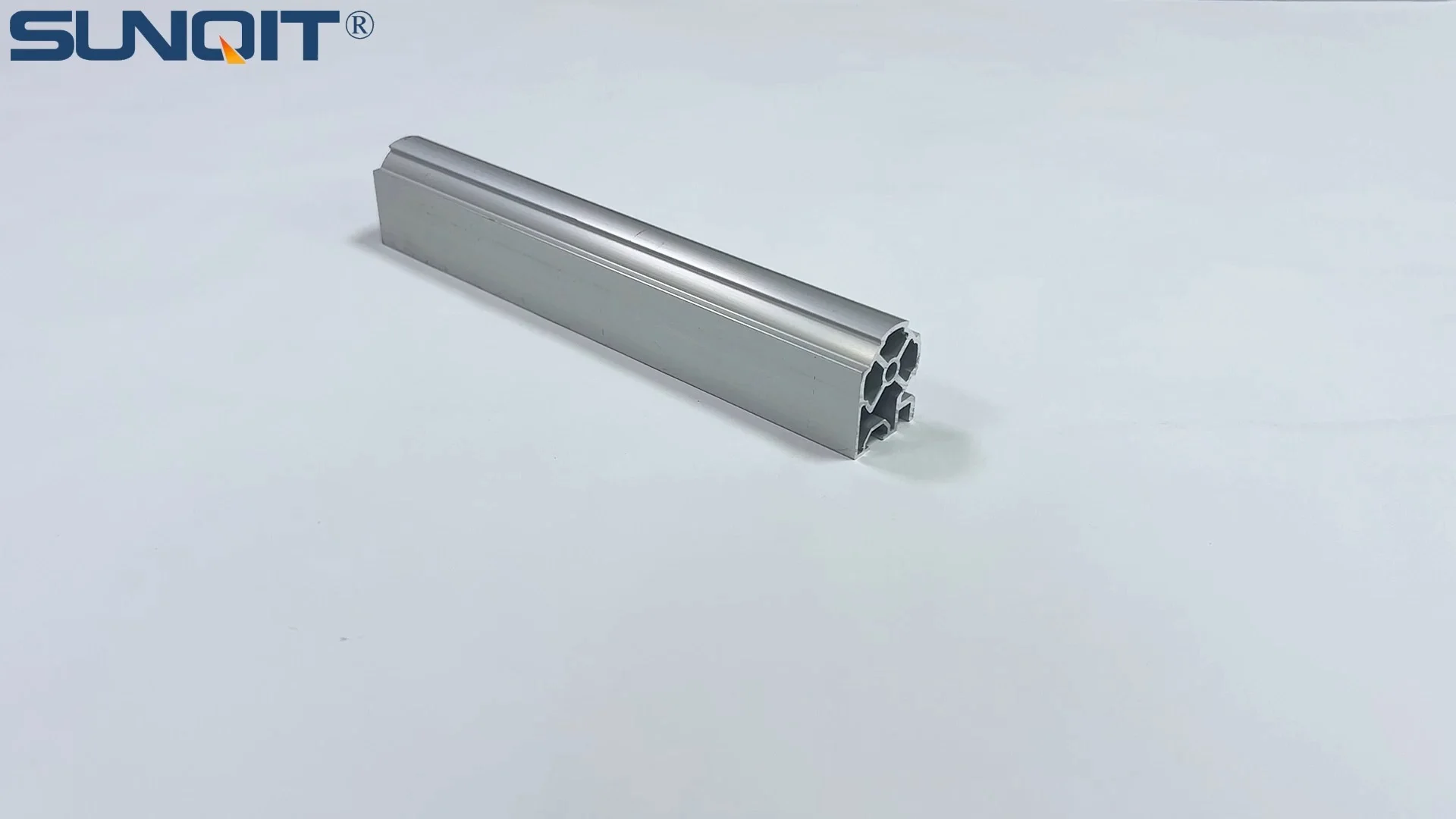
Walk into any workshop, warehouse, or manufacturing facility, and you'll likely spot a familiar sight: racks and holders carrying tools, parts, or materials. For decades, wooden racks have been a go-to choice—affordable, easy to source, and seemingly "good enough." But as industries evolve, so do the demands on our workspace tools. Today, a new contender has emerged: the aluminum pipe with tray holder . Sleek, modular, and built to last, it's challenging the status quo in two critical areas: hygiene and durability. Let's dive into why this shift matters, and how choosing between aluminum and wood can impact everything from daily operations to long-term costs.
Hygiene: Why Porosity Matters More Than You Think
Hygiene isn't just a concern for hospitals or restaurants. In electronics manufacturing, a single speck of dust can ruin a circuit board. In food processing, mold on a rack can contaminate batches. Even in auto repair shops, bacteria hiding in work surfaces can spread between tools and hands. Here's where the battle between aluminum and wood begins—and where wood often falls short.
Wood is a natural material, but its very nature is its Achilles' heel: it's porous. Imagine a wooden rack that's been in use for a year. Spills—oil, water, cleaning fluids—soak into its surface, creating tiny pockets where bacteria, mold, and mildew thrive. Wiping it down with a cloth might remove surface dirt, but those pores? They're like invisible hideouts. Over time, these microorganisms can multiply, leading to foul odors, stains, or worse: cross-contamination. In industries like pharmaceuticals or medical device manufacturing, this isn't just a nuisance—it's a compliance risk.
Aluminum, by contrast, is non-porous. Its smooth, sealed surface leaves nowhere for moisture or microbes to hide. A quick wipe with a disinfectant spray or a damp cloth is enough to sanitize it, making it ideal for environments where cleanliness is non-negotiable. Think about a busy workbench in a electronics assembly line: spilled flux or cleaning solvent can be wiped away in seconds, with no risk of seepage. In food packaging facilities, aluminum racks stand up to daily pressure washing without warping or harboring germs. Even in garages, where oil and grease are constant companions, aluminum resists staining and bacterial growth—keeping workspaces safer for employees and products alike.
But don't just take our word for it. A 2023 study by the International Food Safety Association found that wooden storage racks in food processing plants had 37% more bacterial colonies than aluminum alternatives, even after routine cleaning. For businesses that prioritize hygiene, the choice becomes clear: aluminum doesn't just look cleaner—it is cleaner.
Durability: When "Good Enough" Isn't Enough
Let's talk about longevity. A wooden rack might feel sturdy on day one, but how does it hold up after months of use? Wood is prone to a laundry list of issues: warping from humidity, rotting from moisture, scratches from heavy tools, and even pest infestations (termites, anyone?). In a warehouse where temperatures swing or in a coastal area with salt air, wooden racks can degrade shockingly fast—sometimes in as little as 2–3 years.
Aluminum, on the other hand, is built to withstand the elements. Its natural resistance to corrosion means it won't rust, even in damp or high-moisture environments. drop a heavy tool on an aluminum pipe rack, and chances are it'll shrug it off with a minor scratch; do the same to wood, and you might end up with a splintered shelf. Aluminum also handles temperature extremes better: it won't expand or contract dramatically in hot or cold conditions, so your rack stays level and stable, no matter the season.
| Feature | Aluminum Pipe with Tray Holder | Wooden Racks |
|---|---|---|
| Expected Lifespan | 10–15 years (with minimal maintenance) | 2–5 years (varies by environment) |
| Resistance to Moisture | Excellent (non-porous, corrosion-resistant) | Poor (prone to warping, rotting, mold) |
| Impact Resistance | High (dents rarely compromise structural integrity) | Low (splintering or cracking common) |
| Pest Resistance | Immune (no organic material for pests to target) | Vulnerable (termites, beetles, and rodents) |
Consider a scenario: a manufacturing plant running two shifts a day, with workers loading and unloading heavy metal parts onto racks. A wooden rack here might start to bow under the weight within a year, requiring costly repairs or replacement. An aluminum rack, however, can handle the same load day in and day out for a decade. That's not just durability—it's reliability. When your tools and materials are stored on a system you can trust, you spend less time fixing problems and more time getting work done.

Beyond Hygiene and Durability: The Lean System Advantage
Hygiene and durability are critical, but modern workspaces need more: flexibility. Enter the lean system —a philosophy centered on reducing waste, streamlining workflow, and adapting to change. Aluminum pipe with tray holder isn't just a storage solution; it's a lean system ally.
Wooden racks are static. Once built, they're hard to modify. Need to add a shelf? You'll need saws, nails, and maybe a carpenter. Want to reconfigure your workspace for a new project? Good luck—wooden structures are often too heavy or fragile to move. Aluminum pipe systems, though, are modular by design. Using simple connectors and aluminum profile accessories, you can adjust shelf heights, add tray holders, or even disassemble and rebuild the entire unit in minutes. This flexibility cuts down on downtime and lets you adapt to new needs without starting from scratch.
Take a small electronics workshop, for example. One week, they're assembling circuit boards and need a workbench with a tray holder for tiny screws and resistors. The next week, they switch to testing larger components and need extra shelf space. With aluminum, they can reconfigure the same system instead of buying a new rack. That's lean thinking in action—maximizing resources, minimizing waste, and keeping the focus on productivity.

Cost: The Hidden Long-Term Savings
Let's address the elephant in the room: cost. Wooden racks often have a lower upfront price tag, which can be tempting for small businesses or startups. But here's the catch: total cost of ownership . Over time, wooden racks cost more. They need regular maintenance—sanding, painting, sealing—to slow decay. They need replacement every few years. And in industries where hygiene is critical, the cost of a single contamination incident (recalls, fines, lost reputation) could dwarf the initial savings of wood.
Aluminum pipe systems, while pricier upfront, pay for themselves. Their 10–15 year lifespan means fewer replacements. Minimal maintenance—just an occasional wipe-down—saves on labor and materials. And because they're modular, you can expand or reconfigure them instead of buying new units. For a warehouse managing seasonal inventory spikes, this adaptability alone can cut storage costs by 20–30% over five years.
Think of it as investing in a tool, not just a rack. Wooden racks are disposable; aluminum ones are assets that grow with your business.
Real-World Impact: Stories from the Field
Still on the fence? Let's hear from businesses that made the switch. A mid-sized bakery in California recently replaced all wooden ingredient racks with aluminum pipe systems. Within six months, they noticed three key changes: cleaning time dropped by 40% (no more scrubbing mold from wood crevices), product waste from contamination fell to zero, and the racks still looked brand-new, even in the humid bakery environment. "We used to replace wooden racks every two years," said the operations manager. "With aluminum, I expect these to last through my retirement."
Another example: a automotive repair shop in Texas swapped wooden tool racks for aluminum ones. The mechanics loved the adjustable tray holders, which let them organize tools by project. But the biggest surprise? Durability. "We drop wrenches and hammers on these racks daily," said the shop owner. "Not a single crack or bend. The wooden ones would've been splintered by now."
The Verdict: Aluminum Pipe with Tray Holder for the Future
Wooden racks have their place—maybe in a home garage or a low-traffic storage area where hygiene and longevity aren't priorities. But for modern workspaces that demand cleanliness, durability, and adaptability, aluminum pipe with tray holder is the clear winner. It's non-porous surface fights germs, its robust build withstands the toughest environments, and its modular design aligns with lean system principles.
At the end of the day, your workspace tools should work for you, not against you. Aluminum pipe systems don't just store materials—they elevate efficiency, safety, and peace of mind. So the next time you're setting up a rack or workbench, ask yourself: Are you choosing "good enough," or are you building for the future?