- Company Articles
- Products and Technology
- Product knowledge
- Aluminum Profile 3 Way Connectors: Rust Resistance and Corrosion Protection

Aluminum Profile 3 Way Connectors: Rust Resistance and Corrosion Protection
Related Product
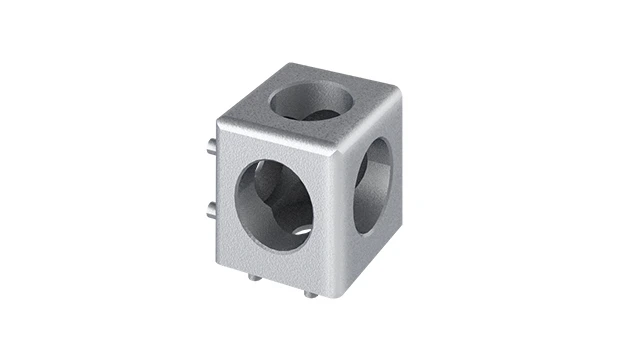
Aluminum Profile 3 Way Connector
The 3 way - squared corner connector is an external fastening method that is typically used to create a corner connection between three profiles. It is a heavy-duty connection that is simple to use and provides a polished look.
The Unsung Heroes of Manufacturing Efficiency
In the bustling world of factories and assembly lines, where every second counts and precision is non-negotiable, there's a quiet workhorse that often goes unnoticed: the connectors that hold everything together. Imagine a busy automotive plant, where conveyor belts hum and workers assemble intricate parts. Or a electronics workshop, where delicate components glide across workbenches. Behind the scenes, aluminum profile 3 way connectors are the silent guardians, ensuring that workbenches don't wobble, material racks stay sturdy, and production flows without a hitch. But not all connectors are created equal. In environments where moisture, chemicals, or even just daily wear and tear threaten to weaken structures, rust and corrosion become invisible enemies. That's where aluminum profile 3 way connectors shine—turning vulnerability into strength, and uncertainty into reliability.
What Are Aluminum Profile 3 Way Connectors, Anyway?
Let's start with the basics. Aluminum profile 3 way connectors are specialized components designed to join three pieces of aluminum extrusion profile at specific angles, creating stable, modular structures. Think of them as the "joints" of the industrial world—they're what allow manufacturers to build everything from simple workbenches to complex material racks and conveyor systems. Unlike rigid, one-size-fits-all welding, these connectors let teams assemble, disassemble, and reconfigure structures on the fly, adapting to changing production needs without costly overhauls.
But here's the catch: in many manufacturing settings, connectors are exposed to harsh conditions. A food processing plant might have high humidity; a pharmaceutical facility could use sanitizing chemicals; even a standard warehouse might see temperature fluctuations that cause condensation. Over time, traditional steel connectors would rust, weaken, and eventually fail—leading to wobbly workbenches, sagging racks, and worst-case scenario, production shutdowns. Aluminum profile 3 way connectors, however, are built to fight back against these threats.
But here's the catch: in many manufacturing settings, connectors are exposed to harsh conditions. A food processing plant might have high humidity; a pharmaceutical facility could use sanitizing chemicals; even a standard warehouse might see temperature fluctuations that cause condensation. Over time, traditional steel connectors would rust, weaken, and eventually fail—leading to wobbly workbenches, sagging racks, and worst-case scenario, production shutdowns. Aluminum profile 3 way connectors, however, are built to fight back against these threats.

Rust and Corrosion: The Hidden Costs of Weak Connectors
Rust isn't just an eyesore—it's a productivity killer. When a steel connector starts to corrode, it doesn't happen overnight. First, a tiny spot of rust forms, then spreads, eating away at the metal's integrity. A once-tight joint becomes loose; a stable rack begins to sway. Workers notice, adjusting their movements to compensate. Maybe a part slips off a wobbly conveyor, causing a delay. Or a workbench leg gives way, damaging tools or even injuring someone. The costs add up: downtime for repairs, replacement parts, lost productivity, and the stress of unexpected disruptions.
Corrosion is even sneakier. In industries like marine manufacturing or chemical processing, where saltwater or acids are present, traditional materials stand no chance. Steel connectors corrode quickly, turning into flaky, brittle shells. Plastic connectors might melt or warp under heat. But aluminum? It's a different story. Aluminum extrusion profile, by nature, has a built-in defense mechanism: a thin, invisible layer of aluminum oxide that forms when it's exposed to air. This layer acts like a shield, preventing further oxidation and stopping corrosion in its tracks. And when you pair that with a well-designed 3 way connector, you get a structure that doesn't just resist rust—it laughs in its face.
Corrosion is even sneakier. In industries like marine manufacturing or chemical processing, where saltwater or acids are present, traditional materials stand no chance. Steel connectors corrode quickly, turning into flaky, brittle shells. Plastic connectors might melt or warp under heat. But aluminum? It's a different story. Aluminum extrusion profile, by nature, has a built-in defense mechanism: a thin, invisible layer of aluminum oxide that forms when it's exposed to air. This layer acts like a shield, preventing further oxidation and stopping corrosion in its tracks. And when you pair that with a well-designed 3 way connector, you get a structure that doesn't just resist rust—it laughs in its face.

How Aluminum Profile 3 Way Connectors Beat Rust and Corrosion
Let's dive into the science (but don't worry, we'll keep it simple). Aluminum is a reactive metal, but instead of breaking down like iron (which forms rust), it forms that protective oxide layer we mentioned. This layer is only a few nanometers thick, but it's incredibly dense and self-healing. If it gets scratched or damaged, a new layer forms almost immediately, keeping the metal underneath safe.
Now, add in the design of aluminum profile 3 way connectors. Most are made from high-grade aluminum alloys, chosen for their strength and corrosion resistance. Some are even treated with additional coatings, like anodization, which thickens the oxide layer and adds extra protection. Unlike steel connectors, which require regular painting or plating to fight rust, aluminum connectors need minimal maintenance. They don't flake, chip, or peel. Even in damp warehouses or outdoor applications, they hold their ground.
Take a material rack in a beverage factory, for example. Cans and bottles are constantly being loaded and unloaded, and the air is humid from cleaning processes. A steel connector here would start rusting within months, weakening the rack and risking collapse. But an aluminum profile 3 way connector? It stays bright and strong, year after year. That's the difference between a structure that lasts 2 years and one that lasts 10.
Now, add in the design of aluminum profile 3 way connectors. Most are made from high-grade aluminum alloys, chosen for their strength and corrosion resistance. Some are even treated with additional coatings, like anodization, which thickens the oxide layer and adds extra protection. Unlike steel connectors, which require regular painting or plating to fight rust, aluminum connectors need minimal maintenance. They don't flake, chip, or peel. Even in damp warehouses or outdoor applications, they hold their ground.
Take a material rack in a beverage factory, for example. Cans and bottles are constantly being loaded and unloaded, and the air is humid from cleaning processes. A steel connector here would start rusting within months, weakening the rack and risking collapse. But an aluminum profile 3 way connector? It stays bright and strong, year after year. That's the difference between a structure that lasts 2 years and one that lasts 10.
Beyond Corrosion: Why Aluminum Profile 3 Way Connectors Make Life Easier
Rust resistance is a big win, but aluminum profile 3 way connectors offer more than just longevity. They're also lightweight, which makes assembly a breeze. Imagine a team of workers building a large conveyor system. Steel connectors would require heavy lifting equipment and extra manpower. Aluminum connectors? They're easy to carry, position, and tighten—saving time and reducing worker fatigue.
Then there's modularity. Aluminum extrusion profile systems are all about flexibility. Need to reconfigure a workbench to fit a new machine? With 3 way connectors, you can disassemble and rebuild in hours, not days. Unlike welded steel structures, which are permanent (and expensive to modify), aluminum systems adapt as your needs change. And because the connectors are precision-engineered, every joint is tight and secure, so structures don't creak or shift over time.
Let's not forget compatibility. Aluminum profile 3 way connectors are designed to work seamlessly with other aluminum profile accessories—like end caps, hinges, and brackets. This means you can mix and match components to create custom solutions without worrying about fit issues. Whether you're building a simple hand trolley or a complex automated storage system, the connectors play nice with the rest of the team.
Then there's modularity. Aluminum extrusion profile systems are all about flexibility. Need to reconfigure a workbench to fit a new machine? With 3 way connectors, you can disassemble and rebuild in hours, not days. Unlike welded steel structures, which are permanent (and expensive to modify), aluminum systems adapt as your needs change. And because the connectors are precision-engineered, every joint is tight and secure, so structures don't creak or shift over time.
Let's not forget compatibility. Aluminum profile 3 way connectors are designed to work seamlessly with other aluminum profile accessories—like end caps, hinges, and brackets. This means you can mix and match components to create custom solutions without worrying about fit issues. Whether you're building a simple hand trolley or a complex automated storage system, the connectors play nice with the rest of the team.
Real-World Wins: Where Aluminum Profile 3 Way Connectors Shine
Let's look at some real examples of how these connectors make a difference.
Automotive Manufacturing: Car plants are tough environments. Oils, greases, and cleaning solvents are everywhere, and production never stops. A leading auto parts supplier switched from steel to aluminum profile systems for their assembly workbenches. They reported a 40% reduction in maintenance costs over 3 years, simply because the aluminum connectors didn't rust or corrode. Workers also noted that the lighter benches were easier to adjust, cutting down on setup time for new production runs.
Pharmaceutical Labs: Cleanliness is critical here, and harsh disinfectants are used daily. Steel connectors would react with these chemicals, corroding and potentially contaminating products. Aluminum profile 3 way connectors, however, are non-reactive. A lab in Germany switched to aluminum material racks and saw zero corrosion issues over 5 years of heavy use.
Warehouse Logistics: Warehouses often have high humidity, especially in regions with hot, wet climates. A logistics company in Florida was replacing steel material racks every 2-3 years due to rust. After switching to aluminum profiles with 3 way connectors, their racks lasted over 8 years with only minor wear. The savings in replacement costs alone paid for the upgrade in less than 2 years.
Automotive Manufacturing: Car plants are tough environments. Oils, greases, and cleaning solvents are everywhere, and production never stops. A leading auto parts supplier switched from steel to aluminum profile systems for their assembly workbenches. They reported a 40% reduction in maintenance costs over 3 years, simply because the aluminum connectors didn't rust or corrode. Workers also noted that the lighter benches were easier to adjust, cutting down on setup time for new production runs.
Pharmaceutical Labs: Cleanliness is critical here, and harsh disinfectants are used daily. Steel connectors would react with these chemicals, corroding and potentially contaminating products. Aluminum profile 3 way connectors, however, are non-reactive. A lab in Germany switched to aluminum material racks and saw zero corrosion issues over 5 years of heavy use.
Warehouse Logistics: Warehouses often have high humidity, especially in regions with hot, wet climates. A logistics company in Florida was replacing steel material racks every 2-3 years due to rust. After switching to aluminum profiles with 3 way connectors, their racks lasted over 8 years with only minor wear. The savings in replacement costs alone paid for the upgrade in less than 2 years.
Choosing the Right 3 Way Connector: It's Not One-Size-Fits-All
Not all aluminum profile 3 way connectors are the same, and choosing the right one depends on your needs. Here's a quick guide to help you decide:
Load Capacity: How much weight will the structure hold? Heavier loads (like industrial workbenches) need reinforced connectors with thicker walls.
Environment: Is the area humid, chemical-rich, or outdoors? Look for anodized or coated connectors for extra protection.
Profile Size: Aluminum extrusion profiles come in different sizes (like 2020, 3030, or 4040). Make sure the connector matches your profile's dimensions.
To make it easier, here's a comparison of common types:
Load Capacity: How much weight will the structure hold? Heavier loads (like industrial workbenches) need reinforced connectors with thicker walls.
Environment: Is the area humid, chemical-rich, or outdoors? Look for anodized or coated connectors for extra protection.
Profile Size: Aluminum extrusion profiles come in different sizes (like 2020, 3030, or 4040). Make sure the connector matches your profile's dimensions.
To make it easier, here's a comparison of common types:
| Connector Type | Material Composition | Load Capacity (kg per joint) | Corrosion Resistance Level | Best For |
|---|---|---|---|---|
| Standard 3 Way Connector | 6063 Aluminum Alloy | 150-200 | High (natural oxide layer) | Light workbenches, small material racks |
| Heavy-Duty Reinforced Connector | 6082 Aluminum Alloy (higher strength) | 300-400 | High (anodized coating) | Industrial conveyors, large material racks |
| Marine-Grade Connector | 5052 Aluminum Alloy (saltwater resistant) | 200-250 | Extreme (double anodized) | Outdoor structures, coastal warehouses |
Remember, working with a reliable aluminum profile supplier is key. They can help you select the right connector for your specific application, ensuring you get the perfect balance of strength, corrosion resistance, and cost-effectiveness.
Caring for Your Connectors: Simple Steps to Maximize Lifespan
While aluminum profile 3 way connectors are low-maintenance, a little care goes a long way. Here are some tips to keep them in top shape:
Keep Them Clean: Wipe down connectors with a damp cloth occasionally to remove dust and debris. For greasy or oily environments, use a mild detergent—avoid harsh chemicals that might damage the oxide layer.
Check for Loose Fasteners: Over time, vibrations from machinery can loosen bolts. Tighten them gently with a torque wrench (don't over-tighten, as this can strip threads).
Inspect for Damage: Look for cracks or bent parts, especially after heavy impacts. While aluminum is strong, it can still deform under extreme force. replace damaged connectors immediately to avoid structural issues.
Avoid Abrasive Cleaners: Steel wool or scouring pads can scratch the oxide layer. Stick to soft cloths or sponges.
Keep Them Clean: Wipe down connectors with a damp cloth occasionally to remove dust and debris. For greasy or oily environments, use a mild detergent—avoid harsh chemicals that might damage the oxide layer.
Check for Loose Fasteners: Over time, vibrations from machinery can loosen bolts. Tighten them gently with a torque wrench (don't over-tighten, as this can strip threads).
Inspect for Damage: Look for cracks or bent parts, especially after heavy impacts. While aluminum is strong, it can still deform under extreme force. replace damaged connectors immediately to avoid structural issues.
Avoid Abrasive Cleaners: Steel wool or scouring pads can scratch the oxide layer. Stick to soft cloths or sponges.
The Future of Manufacturing: Why Aluminum Profile Systems Are Here to Stay
As manufacturers strive for leaner operations, modularity and durability are becoming more important than ever. Aluminum extrusion profile systems, with their corrosion-resistant 3 way connectors, fit perfectly into this trend. They reduce waste (no more custom-welded structures that can't be reused), cut down on maintenance costs, and adapt to changing production needs.
Think about the rise of small-batch manufacturing and customization. Companies can't afford to build new structures every time a product changes. With aluminum profiles and 3 way connectors, they can reconfigure workbenches, racks, and conveyors in hours, staying agile and competitive.
And let's not forget sustainability. Aluminum is 100% recyclable, and using durable connectors means less frequent replacements—reducing waste and lowering carbon footprints. In a world where eco-friendly practices are no longer optional, this is a huge plus.
Think about the rise of small-batch manufacturing and customization. Companies can't afford to build new structures every time a product changes. With aluminum profiles and 3 way connectors, they can reconfigure workbenches, racks, and conveyors in hours, staying agile and competitive.
And let's not forget sustainability. Aluminum is 100% recyclable, and using durable connectors means less frequent replacements—reducing waste and lowering carbon footprints. In a world where eco-friendly practices are no longer optional, this is a huge plus.
Final Thoughts: Small Connectors, Big Impact
Aluminum profile 3 way connectors might not be the most glamorous part of manufacturing, but they're the backbone of efficient, reliable production. They turn aluminum extrusion profiles into structures that can withstand the toughest environments, from humid warehouses to chemical labs. They save time, money, and headaches by fighting rust and corrosion, so you can focus on what matters: making great products.
Next time you walk through a factory or workshop, take a closer look at the workbenches and racks. Chances are, aluminum profile 3 way connectors are holding them together—quietly, steadily, and rust-free. And that's the real power of these unsung heroes: they turn ordinary structures into extraordinary tools for success.
Next time you walk through a factory or workshop, take a closer look at the workbenches and racks. Chances are, aluminum profile 3 way connectors are holding them together—quietly, steadily, and rust-free. And that's the real power of these unsung heroes: they turn ordinary structures into extraordinary tools for success.