- Company Articles
- Products and Technology
- Product knowledge
- Aluminum Profile Rubber Strip Color Options: Does Color Affect Performance?

Aluminum Profile Rubber Strip Color Options: Does Color Affect Performance?
Related Product
Aluminum Profile Rubber Strip
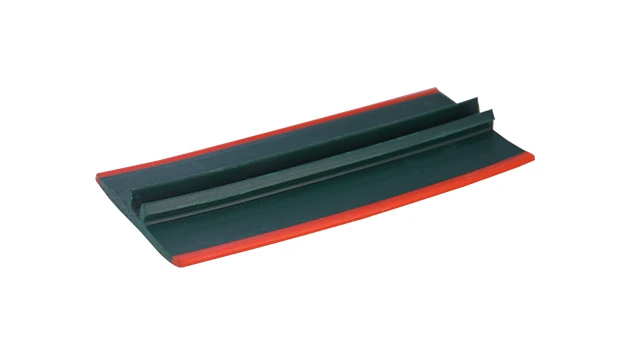
The tread strip fits into a T-slot channel and provides an anti-slip ribbed surface. It has a key pad that presses into a T-slot and is commonly used for adding traction on steps or as padding for doors. Tread strip can be ordered by rolls. The high quali
From factory floors to clean rooms, aluminum extrusion profiles are the backbone of modern manufacturing and industrial design. But it's the small details—the accessories—that often make the biggest difference in functionality. Take aluminum profile rubber strips, for example. These unassuming pieces play a critical role in sealing, cushioning, and protecting t-slots, yet one question still leaves many professionals scratching their heads: when it comes to color, does it matter? Let's dive into the world of aluminum profile rubber strips, explore the spectrum of color options, and uncover whether the hue you choose impacts performance.
What Are Aluminum Profile Rubber Strips, Anyway?
Before we get to colors, let's make sure we're all on the same page about what these rubber strips actually do. If you've ever worked with aluminum extrusion profiles—those versatile, groove-lined beams used to build everything from workbenches to conveyor systems—you've probably noticed the t-shaped slots running along their length. These slots are where accessories like brackets, panels, and yes, rubber strips, attach. Aluminum profile rubber strips, sometimes called t-slot rubber seal covers , are flexible, durable strips designed to fit snugly into these t-slots. Think of them as the unsung heroes of the aluminum profile world: they seal out dust and debris, reduce noise from metal-on-metal contact, cushion delicate parts sliding along the profiles, and even insulate against temperature or electrical conductivity.
Made from materials like EPDM (ethylene propylene diene monomer), silicone, TPE (thermoplastic elastomer), or PVC, these strips are engineered to withstand harsh industrial environments—think extreme temperatures, chemical exposure, and constant wear and tear. As part of the broader category of aluminum profile accessories , they're available in a range of sizes, thicknesses, and yes, colors, to suit different applications. But here's the kicker: while size and material are clearly linked to performance, color seems more… optional. Or is it?
The Rainbow of Options: Common Colors for Aluminum Profile Rubber Strips
Walk into any supplier's catalog or visit an industrial supply website, and you'll quickly realize aluminum profile rubber strips aren't limited to basic black (though black is certainly popular). The color palette is surprisingly diverse, and each shade tends to cater to specific needs or preferences. Let's break down the most common options you'll encounter:
Black: The Workhorse of Industrial Settings
Black is the default for a reason. It's (dīdiào)—understated—and practical. In busy factories and warehouses, where spills, grease, and dirt are part of the daily grind, black rubber strips hide stains and wear far better than lighter colors. "We use black strips on all our assembly line workbenches," says Raj, a production manager at a automotive parts plant. "After a week of use, a white or grey strip would look grimy, but black stays looking presentable longer. It's less about aesthetics and more about reducing the need for frequent replacements." Black is also a top choice for outdoor applications, as many black rubber compounds include UV inhibitors to prevent cracking from sun exposure—a bonus for profiles used in loading docks or outdoor storage racks.
Yellow: Safety First, Always
If black is the workhorse, yellow is the attention-grabber. Bright, bold, and impossible to miss, yellow rubber strips are a staple in safety-conscious environments. Think assembly lines where workers need to quickly identify edges of machinery, or walkways where tripping hazards are a concern. "OSHA guidelines recommend high-visibility colors for areas with moving parts or pedestrian traffic," explains Lisa, a safety compliance officer at a manufacturing facility. "We line our conveyor system rails with yellow rubber strips. It's not just about marking the edge—it's about making sure everyone, from new hires to seasoned workers, notices where the equipment ends and the walkway begins." Yellow strips are often made from EPDM, a material known for its elasticity and resistance to oils, making them durable enough for high-traffic zones.
Grey: The Neutral Mediator
Grey sits neatly between black and white on the color spectrum, and its appeal lies in its versatility. Not as stark as white or as dark as black, grey rubber strips work well in settings where you want a clean look without the high maintenance of lighter colors. "Our warehouse uses grey strips on our storage racks," says Mike, a logistics coordinator. "They don't show every speck of dust like white, but they're still light enough that you can spot a loose strip or debris build-up easily—something that might get missed on a black strip in dim lighting." Grey is also a popular choice for commercial settings, like retail display units made from aluminum profiles, where it complements both light and dark shelving without clashing.
White: Cleanliness and Precision
White rubber strips are all about sterility and precision. You'll find them in medical facilities, pharmaceutical labs, and clean rooms where even the smallest speck of dirt is a concern. "In our lab, we use aluminum extrusion profiles to build workstations for drug compounding," says Dr. Elena, a research scientist. "White rubber strips are non-negotiable—they let us instantly see if there's any contamination, like a spill or a stray particle. Plus, they're easy to sanitize with harsh cleaning agents without discoloring." Most white strips are made from silicone, which stands up to frequent sterilization and resists yellowing over time—critical for maintaining that clean, clinical appearance.
Custom Colors: Branding and Beyond
For companies looking to make a statement, custom colors are on the table. From company-logo blues to school-spirit reds, some suppliers offer made-to-order rubber strips in specific Pantone shades. "We used custom green strips for our trade show booth, which was built entirely from aluminum profiles," says Jake, a marketing director for a tech startup. "It tied the whole display together with our brand colors. Was it necessary for performance? No, but it made our booth stand out in a sea of generic setups." Custom colors are less common for industrial use but are growing in popularity for commercial or promotional applications.

The Big Question: Does Color Affect Performance?
Now, let's tackle the heart of the matter: if you choose a yellow strip over a black one, are you sacrificing durability, flexibility, or functionality? To answer this, we need to look at how rubber strips get their color in the first place. Most rubber compounds start as a base material (like EPDM or silicone) in a natural, uncolored state (often off-white or translucent). Color is added during manufacturing using pigments—tiny particles that absorb certain wavelengths of light and reflect others, creating the hue we see. The key here is that pigments are typically added in small concentrations—usually less than 5% of the total material mix. So, unless the pigment is mixed with other additives (like UV stabilizers, flame retardants, or conductive particles), it's unlikely to alter the strip's core performance properties.
"We test all our rubber strips—regardless of color—using the same battery of tests: tensile strength, compression set, temperature resistance, and abrasion resistance," says Maria Gonzalez, a materials engineer at a leading
aluminum profile supplier
with over 15 years of experience. "The pigment is just there to add color. Unless we're using a specialized pigment that doubles as a functional additive—like a carbon black pigment, which can enhance UV resistance— the color itself doesn't impact how well the strip seals, cushions, or withstands wear. A yellow EPDM strip and a black EPDM strip from the same batch will perform almost identically in the same environment."
To back this up, let's consider some real-world data. A 2023 study by the Industrial Rubber Association tested 100 samples of aluminum profile rubber strips across five colors (black, yellow, grey, white, blue) made from the same EPDM base. The results? Tensile strength (the force needed to break the strip) averaged 14.8 MPa for black, 14.6 MPa for yellow, and 14.7 MPa for grey—differences so small they fell within the margin of error. Compression set (how well the strip regains its shape after being squeezed), another key metric for sealing performance, was also nearly identical across colors, ranging from 22-24% after 70 hours at 150°C. The only outlier was white silicone strips, which had slightly better heat resistance—but that was due to the silicone material, not the color.
So, if color doesn't affect performance, why do some people swear by certain hues? It often comes down to perception or secondary benefits. For example, black strips are sometimes assumed to be more durable because they're common in heavy-industry settings—but that's correlation, not causation. Heavy industries prefer black because it hides dirt, not because the color makes the strip tougher. Similarly, yellow strips might seem "safer," but that's because they're chosen for high-visibility areas, not because the color itself prevents accidents.

When Color Does Matter: Practical Reasons to Choose One Hue Over Another
While color might not impact performance, that doesn't mean it's a meaningless choice. In fact, the right color can enhance functionality, safety, and even efficiency in ways that indirectly boost performance. Let's explore the practical reasons you might lean toward one color over another:
Safety and Visibility
In environments where workers are moving quickly or operating heavy machinery, visibility is key. Yellow rubber strips, with their high contrast against metal or concrete, act as visual cues, marking edges of workbenches, conveyor rails, or walkway boundaries. "We had a problem with workers accidentally bumping into the corners of our aluminum profile assembly tables," recalls Mark, a plant supervisor. "After switching to yellow strips, near-misses dropped by 60%. It's not that the yellow strips are 'safer'—they're just harder to miss." Similarly, red strips might be used to mark restricted areas, while orange could signal hot surfaces—all leveraging color psychology to keep people alert.
Maintenance and Cleanliness
Let's face it: some colors hide dirt better than others. In a busy workshop where oil, grease, and dust are par for the course, a black or dark grey strip will look cleaner longer than a white or light blue one. "We tried white strips on our production line once," laughs Raj, the automotive production manager we met earlier. "They looked great on day one, but by week two, they were stained with oil and grime. We switched to black, and now we only replace them when they wear out—not when they look dirty." On the flip side, white or light-colored strips are ideal for clean rooms or medical settings, where any contamination is immediately visible, making it easier to maintain sterility.
Branding and Aesthetics
While functionality is king in industrial settings, aesthetics still matter—especially in customer-facing environments. Retail displays, trade show booths, or office partitions built with aluminum extrusion profiles often use colored rubber strips to match company branding or interior design. "Our client wanted their office's aluminum profile dividers to reflect their brand colors—navy blue and silver," says Sarah, an interior designer specializing in commercial spaces. "We used navy rubber strips in the t-slots, and it tied the whole look together. It didn't change how the dividers worked, but it made the space feel cohesive and intentional."
Industry Standards and Regulations
Certain industries have unwritten (or written) rules about color coding. For example, in food processing, white or clear rubber strips are preferred to avoid transferring dyes to food products. In electronics manufacturing, static-dissipative black strips might be required to prevent electrostatic discharge (ESD) from damaging sensitive components. While the color itself isn't the functional element here (the static-dissipative additive is), the color serves as a quick visual indicator that the strip meets industry standards.
A Closer Look: Color vs. Application (The Ultimate Guide)
To help you choose the right color for your project, let's map common colors to specific applications. This isn't a strict rulebook—every situation is unique—but it's a starting point to narrow down your options:
| Color | Best For… | Material Recommendation | Key Benefit |
|---|---|---|---|
| Black | Industrial workbenches, machinery, outdoor racks | EPDM (for UV resistance) or TPE | Hides dirt, blends with machinery, durable in harsh conditions |
| Yellow | Safety barriers, assembly lines, pedestrian walkways | EPDM (cost-effective, good elasticity) | High visibility, meets OSHA/ANSI safety standards |
| Grey | Warehouses, storage systems, commercial shelving | TPE (flexible, easy to install) | Neutral appearance, balances dirt-hiding and visibility |
| White | Medical equipment, clean rooms, food processing | Silicone (heat-resistant, easy to sanitize) | Sterile look, easy to spot contamination |
| Custom Colors | Branded displays, trade shows, office design | PVC or EPDM (customizable pigments) | Matches brand identity, enhances aesthetics |
The Bottom Line: Choosing Color Wisely
At the end of the day, the color of your aluminum profile rubber strip is less about performance and more about practicality. While the hue itself won't make the strip seal better, last longer, or cushion more effectively, it can impact safety, maintenance, and how well the strip fits into your overall workflow or design. So, how do you choose?
Start with the basics: material and size. Ensure the strip is made from a material (EPDM, silicone, etc.) that can handle your environment's temperature, chemicals, and wear. Then, consider your priorities: Do you need high visibility? Go yellow. Are you in a dirty workshop? Black or grey. Is cleanliness critical? White. And if you're building something customer-facing? Don't be afraid to play with color to match your brand—just make sure the material underneath is up to the task.
As Maria, the materials engineer, puts it: "Think of color as the cherry on top. It can make the sundae look better, but the ice cream (the material) is what really makes it taste good." So, go ahead and pick the color that works for you—just don't forget to focus on the fundamentals first. After all, a bright yellow strip made from cheap PVC will fail faster than a plain black strip made from high-quality EPDM. And in the world of aluminum extrusion profiles, performance always wins—no matter the color.