- Company Articles
- Products and Technology
- Product knowledge
- Aluminum Profile Rubber Strip Fire Resistance Ratings: What You Need to Know

Aluminum Profile Rubber Strip Fire Resistance Ratings: What You Need to Know
Related Product
Aluminum Profile Rubber Strip
The tread strip fits into a T-slot channel and provides an anti-slip ribbed surface. It has a key pad that presses into a T-slot and is commonly used for adding traction on steps or as padding for doors. Tread strip can be ordered by rolls. The high quali
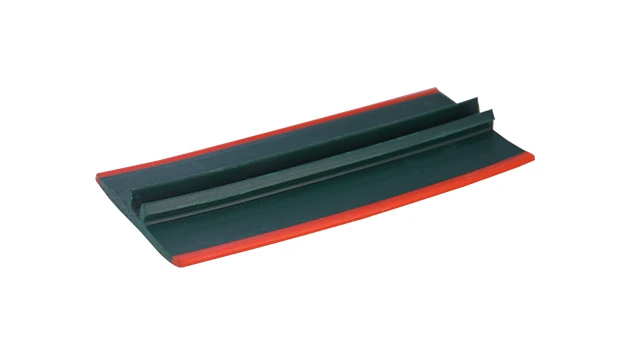
Walk into any modern factory, office building, or even a high-tech lab, and you'll likely spot aluminum profiles—sleek, sturdy, and versatile structures that form the backbone of workbenches, racks, partitions, and machinery frames. But for all their visibility, there's a small yet critical component working behind the scenes: the aluminum profile rubber strip. These unassuming strips line the T-slots of aluminum extrusion profiles, sealing gaps, dampening noise, blocking dust, and keeping moisture at bay. They're the unsung heroes of aluminum profile accessories, ensuring that the profiles function smoothly and safely. Yet, one aspect of these strips often gets overlooked until it's too late: their fire resistance. In a world where safety regulations grow stricter and workplace fires remain a real threat, understanding the fire resistance ratings of aluminum profile rubber strips isn't just a "nice-to-know"—it's a necessity. Let's dive into why these ratings matter, how they're determined, and what you need to consider when choosing the right strips for your project.
What Are Aluminum Profile Rubber Strips, Anyway?
Before we get into fire resistance, let's make sure we're all on the same page about what aluminum profile rubber strips actually are. If you've ever worked with aluminum extrusion profiles—the modular, T-slot aluminum beams used to build everything from lean pipe workbenches to conveyor frames—you know that their T-shaped grooves are designed to accept accessories like brackets, panels, and yes, rubber strips. These strips, often called T-slot rubber seal covers, are flexible, often rubber or silicone-based, and come in various sizes to fit different profile (slot) widths. Their primary jobs? To seal the slots when they're not in use, preventing debris from clogging the T-slots; to insulate against temperature changes, reducing heat or cold transfer through the profile; to dampen vibrations, which is crucial in noisy industrial settings; and to create a tight seal between connected profiles, keeping out dust, water, and even pests.
But here's the thing: not all rubber strips are created equal. Some are made from basic EPDM rubber, others from silicone, neoprene, or even fluoropolymers. And while their day-to-day roles are about functionality and durability, in an emergency—like a fire—their composition can mean the difference between containing a blaze and letting it spread. That's where fire resistance ratings come in.
Why Fire Resistance Matters: It's Not Just About the Strip Itself
You might be thinking, "Rubber burns—so why does a strip's fire resistance matter?" The answer lies in how fires spread. In a workplace, a small spark from a faulty machine, an overheated wire, or even a careless cigarette can ignite flammable materials. If that fire reaches an aluminum profile with a non-fire-resistant rubber strip, the strip can act as kindling. It might melt, dripping burning material onto other surfaces, or release toxic smoke that impairs visibility and breathing. Worse, if the strip burns away, it leaves gaps in the profile, allowing flames and heat to pass through walls, partitions, or machinery frames—turning a small fire into a large one in minutes.
Consider a manufacturing plant with a production line built using aluminum extrusion profiles. The workbenches, material racks, and conveyor frames all use rubber strips to seal their T-slots. If a fire starts near one of these workbenches, a non-resistant strip could catch fire, melting and spreading flames along the profile to adjacent equipment. The smoke from burning rubber—often rich in carbon monoxide and other toxins—could quickly fill the area, endangering workers and complicating evacuation. On the flip side, a fire-resistant strip would resist ignition, self-extinguish if flames do reach it, and emit minimal smoke, buying critical time for firefighters to respond and employees to escape.
Then there are the regulatory stakes. Most countries have strict building and workplace safety codes that mandate minimum fire resistance standards for materials used in commercial and industrial settings. For example, in the EU, the Construction Products Regulation (CPR) requires that construction materials, including those used in aluminum profiles, meet specific fire performance criteria. In the U.S., OSHA and the National Fire Protection Association (NFPA) set guidelines for workplace fire safety, which often include requirements for flame spread and smoke development. Using rubber strips without the proper fire resistance ratings could land your business in violation of these codes, leading to fines, shutdowns, or even legal liability in the event of a fire.

Decoding Fire Resistance Ratings: What Do the Numbers Mean?
Fire resistance ratings aren't just random numbers—they're the result of rigorous testing designed to measure how a material behaves under fire conditions. When it comes to aluminum profile rubber strips, the key metrics to understand are flame spread index (FSI) , smoke development index (SDI) , and self-extinguishing ability . Let's break them down:
- Flame Spread Index (FSI): This measures how quickly a flame spreads across the surface of a material when exposed to fire. The scale typically ranges from 0 (no spread) to 200 (rapid spread). Materials with an FSI of 25 or lower are considered "low flame spread," while those above 75 are classified as "high flame spread." For aluminum profile rubber strips used in occupied spaces, an FSI of 25 or lower is often required.
- Smoke Development Index (SDI): When materials burn, they release smoke, which can be just as dangerous as the flames themselves. SDI measures the amount of smoke a material produces, with a scale from 0 (no smoke) to 450 (heavy smoke). A low SDI (under 100) is critical in enclosed spaces like factories or offices, where smoke can quickly reduce visibility and cause respiratory issues.
- Self-Extinguishing Ability: Some materials, when ignited, will continue burning even after the flame source is removed (called "flaming combustion"). Fire-resistant rubber strips, however, should self-extinguish within a specified time (usually 10-30 seconds) once the flame is taken away. This is often tested using the UL 94 standard, which classifies materials as V-0 (self-extinguishes in 10 seconds), V-1 (self-extinguishes in 30 seconds), or V-2 (may drip burning particles but self-extinguishes in 30 seconds).
To make sense of these metrics, let's look at common testing standards. The most widely recognized include:
| Testing Standard | Focus | Key Metrics Measured | Common Applications |
|---|---|---|---|
| ASTM E84 (UL 723) | Surface burning characteristics | Flame spread index (FSI), Smoke development index (SDI) | Building materials, including aluminum profile accessories |
| UL 94 | Vertical/horizontal burning behavior of plastics | Self-extinguishing time, dripping of burning particles | Rubber and plastic strips, T-slot rubber seal covers |
| EN 13501-1 | Fire classification of construction products | Euroclasses (A1, A2, B, C, D, E, F) based on FSI, SDI, and heat release | EU-based projects using aluminum extrusion profiles |
| GB 8624 (China) | Fire performance of building materials | Classes (A, B1, B2, B3) based on combustion performance | Asian markets, especially China |
For example, a rubber strip rated "UL 94 V-0" would self-extinguish within 10 seconds and not drip burning particles, making it suitable for high-risk areas. A strip classified as "Euroclass B-s1, d0" under EN 13501-1 would have low flame spread (B), low smoke production (s1), and no burning droplets (d0)—ideal for public or industrial spaces.

Factors That Affect a Rubber Strip's Fire Resistance
Not all aluminum profile rubber strips are engineered to resist fire, and even those that are can vary widely in performance. Several factors influence a strip's fire resistance, starting with its material composition:
Material Type: The Foundation of Fire Resistance
The type of rubber or polymer used to make the strip is the single biggest factor in its fire resistance. Let's compare common materials:
- Silicone Rubber: Silicone is naturally heat-resistant, with some grades able to withstand temperatures up to 300°C (572°F). It's inherently flame-retardant, often achieving UL 94 V-0 ratings without additional additives. Silicone strips are ideal for high-temperature environments, like factories with ovens or machinery that generates heat.
- EPDM Rubber: Ethylene Propylene Diene Monomer (EPDM) is a popular choice for general-purpose strips due to its durability and weather resistance. However, standard EPDM is not fire-resistant. To meet fire ratings, manufacturers add flame retardants (like halogenated or halogen-free additives), which can push it to UL 94 V-1 or V-2 ratings. Halogen-free EPDM is preferred in settings where toxic smoke is a concern, as it emits less harmful gases when burned.
- Neoprene: Chloroprene (neoprene) rubber has moderate fire resistance, with some grades self-extinguishing. It's often used in applications where oil resistance is also needed, but its fire performance is generally lower than silicone.
- Fluoropolymers (e.g., Viton): These high-performance materials are extremely heat and chemical resistant, with fire resistance ratings to match. They're expensive, though, so they're typically reserved for specialized settings like aerospace or chemical labs.
Additives: Boosting Performance
Even inherently flame-resistant materials like silicone can be enhanced with additives to meet stricter ratings. Common additives include:
- Flame Retardants: These chemicals (e.g., aluminum hydroxide, magnesium hydroxide, or brominated compounds) work by absorbing heat, releasing water vapor to cool the material, or forming a char layer that blocks oxygen. Halogen-free retardants are increasingly popular due to their lower toxicity.
- Smoke Suppressants: Materials like molybdenum trioxide or zinc borate reduce the amount of smoke released during combustion, lowering the SDI.
- Reinforcements: Adding fibers (like glass or aramid) can improve the strip's structural integrity at high temperatures, preventing it from melting or dripping.
Thickness and Design: More Than Just Size
A thicker rubber strip might seem more fire-resistant, but that's not always the case. While thickness can slow heat transfer, a poorly designed thick strip with low-quality material will perform worse than a thinner, well-engineered silicone strip. The strip's shape also matters: strips with a tighter fit in the T-slot of aluminum extrusion profiles are less likely to catch fire, as they're shielded from direct flames and heat. Additionally, some strips are designed with a "char-forming" layer that expands when heated, creating a barrier between the flame and the profile.
Installation: Even the Best Strip Fails If Installed Wrong
You could buy the highest-rated fire-resistant strip on the market, but if it's installed incorrectly—gaps between the strip and the profile, loose fitting, or overlapping edges—it won't perform as intended. Gaps allow flames and heat to penetrate the T-slot, bypassing the strip entirely. That's why proper installation, following the manufacturer's guidelines, is just as critical as choosing the right strip.
Applications: Where Fire-Resistant Strips Are Non-Negotiable
Fire-resistant aluminum profile rubber strips aren't a one-size-fits-all solution—their necessity depends on the application. Here are some settings where they're absolutely critical:
Industrial Manufacturing Facilities
Factories, especially those producing electronics, automotive parts, or chemicals, are hotspots for fire risks. Welding sparks, electrical equipment, and flammable raw materials are constant hazards. Aluminum extrusion profiles are used here to build workbenches, assembly lines, and material racks—all of which rely on rubber strips. A fire-resistant T-slot rubber seal cover in these areas can prevent flames from spreading along the profiles, containing the fire to its origin and protecting expensive machinery.
Healthcare and Laboratory Settings
Hospitals, clinics, and labs have strict safety standards to protect patients, staff, and sensitive equipment. Aluminum profiles are used in medical carts, lab benches, and cleanroom partitions. In these environments, fire-resistant strips are a must to comply with regulations like the Joint Commission's fire safety standards, as well as to minimize smoke inhalation risks for vulnerable patients.
Public Buildings and Transportation
Airports, train stations, schools, and office buildings see high foot traffic, making fire safety a top priority. Aluminum profiles are used in partitions, handrails, and signage, with rubber strips sealing gaps. Fire-resistant strips here help slow the spread of fire, giving occupants more time to evacuate and reducing damage to the building structure.
Data Centers
Data centers house servers and equipment that generate heat and are powered by massive electrical systems—prime fire risks. Aluminum profiles are used in server racks and cable management systems, where rubber strips seal T-slots to prevent dust buildup. Fire-resistant strips here not only resist flames but also emit minimal smoke, protecting both the equipment and the technicians who maintain it.
Choosing the Right Fire-Resistant Strip: A Buyer's Guide
Now that you understand the "why" and "how" of fire resistance ratings, let's talk about how to choose the right strip for your project. Here's a step-by-step guide:
Step 1: Know Your Local Codes and Standards
Start by researching the fire safety regulations in your area. For example, if you're in the EU, check EN 13501-1 to see what Euroclass rating is required for your application (e.g., Euroclass B for public buildings). In the U.S., NFPA 101 (Life Safety Code) and OSHA standards will dictate minimum FSI and SDI values. Your local building department or safety officer can help clarify these requirements.
Step 2: Identify Your Application's Risk Level
Assess the fire risk of your environment. Is it a low-risk office with minimal electrical equipment, or a high-risk factory with welding operations? High-risk areas demand higher ratings (e.g., UL 94 V-0, Euroclass B-s1, d0), while low-risk areas might accept lower ratings (e.g., UL 94 V-2). Don't cut corners here—overestimating risk is better than underestimating it.
Step 3: Prioritize Material and Additives
Based on your risk level and codes, select a material. For most industrial settings, silicone or halogen-free flame-retardant EPDM are solid choices. Ask suppliers for test reports (like UL or EN certificates) to verify the strip's ratings—don't just take their word for it. Look for halogen-free options if toxic smoke is a concern, and ensure the material is compatible with your aluminum extrusion profile's T-slot size.
Step 4: Consider Long-Term Performance
Fire resistance isn't a "set it and forget it" feature. Over time, exposure to UV light, chemicals, or extreme temperatures can degrade the strip's flame retardants, reducing its effectiveness. Choose strips with good aging resistance, and factor in replacement schedules—even the best strips won't last forever.
Step 5: Work with Reputable Suppliers
Not all suppliers are equal when it comes to fire-resistant aluminum profile accessories. Look for manufacturers with a track record of producing compliant products and who can provide detailed documentation (test certificates, material safety data sheets). A reliable supplier will also help you select the right strip for your needs, rather than pushing a one-size-fits-all solution.
Maintenance and Compliance: Keeping Your Strips Fire-Ready
Choosing the right fire-resistant strip is just the first step. To ensure it continues to perform, regular maintenance is key:
- Inspect Regularly: Check strips for signs of wear, cracking, or degradation. If a strip is brittle or has come loose from the T-slot, replace it immediately—gaps compromise fire resistance.
- Clean Gently: Dust and debris can hide damage, so clean strips with a soft brush or damp cloth. Avoid harsh chemicals, which can break down flame retardants.
- replace Proactively: Even if a strip looks intact, consider replacing it every 3-5 years (or as recommended by the manufacturer). Aging materials lose their fire-resistant properties over time.
- Document Everything: Keep records of strip installations, test certificates, and maintenance checks. This documentation will be invaluable during safety audits or in the event of an insurance claim.
Conclusion: Don't Overlook the Small Stuff
Aluminum profile rubber strips might be small, but their role in fire safety is enormous. By understanding fire resistance ratings, choosing the right materials, and maintaining your strips properly, you're not just complying with regulations—you're protecting your employees, your equipment, and your business from the devastating impact of fire. Whether you're building a lean pipe workbench in a factory or a cleanroom partition in a lab, remember: the right aluminum profile rubber strip isn't just an accessory. It's a lifeline. So the next time you're sourcing aluminum profile accessories, take a moment to ask about fire resistance. Your team, your bottom line, and your peace of mind will thank you.