- Company Articles
- Products and Technology
- Product knowledge
- Aluminum Profile Rubber Strip for Automotive Battery Assembly Workstations

Aluminum Profile Rubber Strip for Automotive Battery Assembly Workstations
Related Product
Aluminum Profile Rubber Strip
The tread strip fits into a T-slot channel and provides an anti-slip ribbed surface. It has a key pad that presses into a T-slot and is commonly used for adding traction on steps or as padding for doors. Tread strip can be ordered by rolls. The high quali
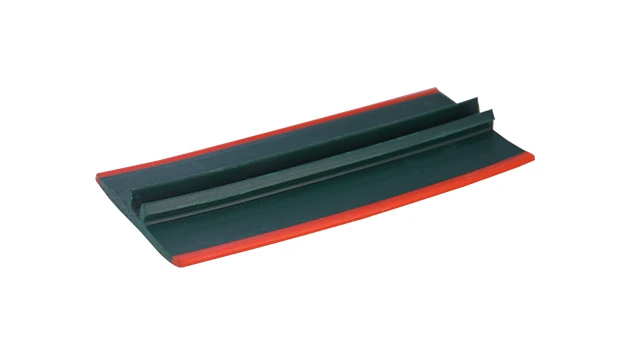
In the fast-paced world of electric vehicle (EV) manufacturing, where every second counts and precision is non-negotiable, there's a quiet champion working behind the scenes: the aluminum profile rubber strip. It's not the flashiest component on the factory floor—you won't see it in product launches or viral social media clips—but ask any assembly line worker, engineer, or plant manager, and they'll tell you: this small, unassuming accessory is the glue that holds modern battery assembly workstations together. Let's dive into why it matters, how it works, and why choosing the right one can make or break your production efficiency.
The Rise of EVs and the Demand for Smarter Workstations
The automotive industry is in the midst of a revolution. With governments worldwide pushing for carbon neutrality and consumers embracing sustainable mobility, EV production is skyrocketing. By 2030, experts predict that over half of all new cars sold globally will be electric. At the heart of every EV is its battery pack—a complex assembly of cells, modules, and wiring that requires meticulous handling. This is where battery assembly workstations come in: they're the command centers where technicians build, test, and inspect these critical components.
But not all workstations are created equal. Today's EV manufacturers need setups that are durable enough to withstand 24/7 operation, flexible enough to adapt to evolving battery designs, and precise enough to protect sensitive components from damage. Enter aluminum extrusion profiles. Lightweight yet strong, infinitely customizable, and easy to assemble, aluminum profiles have become the backbone of modern assembly lines. And when paired with the right accessories—like aluminum profile rubber strips—they transform from simple frames into high-performance workstations that meet the industry's toughest demands.
Why Aluminum Profiles? The Backbone of Modern Workstations
Before we zoom in on rubber strips, let's take a moment to appreciate why aluminum extrusion profiles are the go-to choice for battery assembly workstations. Unlike traditional steel frames, aluminum profiles offer a unique blend of benefits:
- Lightweight Strength: Aluminum is 30% lighter than steel but boasts comparable strength, making workstations easier to reconfigure without sacrificing durability.
- Customizability: With t-slots running along their length, aluminum profiles can be outfitted with a wide range of accessories—from shelves and brackets to lights and ESD mats—without welding or drilling.
- Corrosion Resistance: Aluminum naturally forms a protective oxide layer, ensuring workstations hold up in factory environments where oils, coolants, and humidity are common.
- Cost-Effectiveness: While upfront costs may be slightly higher than steel, aluminum profiles reduce long-term expenses through faster assembly, easier modifications, and lower maintenance.
But even the best aluminum profiles need help to deliver their full potential. Sharp edges can scratch delicate battery components, gaps between profiles can trap dust and debris, and metal-on-metal contact can generate noise and wear over time. This is where aluminum profile rubber strips step in—turning good workstations into great ones.

Aluminum Profile Rubber Strips: Small Component, Big Impact
At first glance, an aluminum profile rubber strip might seem like an afterthought—a thin strip of rubber that slides into the t-slot of an aluminum extrusion. But don't let its simplicity fool you. These strips play four critical roles in battery assembly workstations:
1. Protection: Safeguarding Sensitive Components
Battery cells and modules are delicate. A single scratch or ding can compromise performance or safety. Aluminum profiles, while smooth, have sharp edges along their t-slots. When technicians slide battery components across a workstation, unprotected edges can catch and damage casings or wiring. Rubber strips act as a buffer, softening these edges and creating a smooth, safe surface for components to glide across.
Take, for example, a workstation where workers manually place battery modules onto a conveyor (another keyword: conveyor ). Without rubber strips, the metal edges of the aluminum profile frame could scrape the module's outer casing, leading to quality control issues. With a rubber strip, the surface becomes gentle, reducing the risk of damage and ensuring modules reach the next stage of assembly in pristine condition.
2. Sealing: Keeping Dust and Debris at Bay
Cleanliness is non-negotiable in battery assembly. Even tiny particles of dust can interfere with electrical connections or cause short circuits. Aluminum profiles are often joined at angles or stacked to create shelves, leaving small gaps that can trap dust. Rubber strips, especially t-slot rubber seal covers (a key keyword: t-slot rubber seal cover ), fill these gaps, creating a tight seal that prevents debris from accumulating. This not only keeps workstations cleaner but also reduces the time spent on maintenance and cleaning—time that can be better spent on production.
3. Noise Reduction: Creating a Quieter Work Environment
Factory floors are noisy places. The constant hum of machinery, clatter of tools, and movement of materials can lead to worker fatigue and reduced focus. Aluminum profiles, when left uncovered, can amplify this noise—metal tools or components dropped on bare profiles create a loud, sharp sound. Rubber strips absorb impact, muffling noise and creating a more pleasant work environment. Over time, this can boost morale and productivity, as workers are less distracted by constant background noise.
4. Vibration Dampening: Enhancing Precision
Battery assembly requires precision. Even minor vibrations from nearby equipment can disrupt delicate tasks, like aligning wiring harnesses or attaching sensors. Rubber strips act as shock absorbers, dampening vibrations and stabilizing the workstation. This is especially critical for automated assembly lines, where even the smallest tremor can throw off robotic arms or measurement tools.

Types of Aluminum Profile Rubber Strips: Finding the Right Fit
Not all rubber strips are designed for the same job. Depending on your workstation's needs, you'll want to choose a strip that matches the application. Here's a breakdown of common types, along with their ideal uses:
| Type of Rubber Strip | Material | Primary Function | Ideal Application | Key Benefit |
|---|---|---|---|---|
| T-Slot Rubber Seal Cover | EPDM or Silicone | Sealing gaps, protecting edges | General assembly workstations, shelves | Easy installation into t-slots; available in grey/black for low visibility |
| Edge Protection Strip | PVC or Thermoplastic Rubber | Cushioning sharp edges | Workstation perimeters, conveyor rails | Thicker design for high-impact areas; resistant to abrasion |
| ESD-Compliant Rubber Strip | Conductive Silicone | Static control | ESD-sensitive battery assembly (e.g., cell handling) | Dissipates static electricity to prevent damage to sensitive electronics |
| High-Temperature Resistant Strip | Silicone | Withstanding heat | Workstations near drying ovens or thermal testing equipment | Maintains flexibility and integrity in temperatures up to 200°C (392°F) |
For most automotive battery assembly workstations, the t-slot rubber seal cover is the workhorse. It's versatile, easy to install, and addresses the core needs of protection, sealing, and noise reduction. Available in neutral colors like grey (matching the keyword plastic roller track guide rail grey , though here applied to rubber strips), it blends into the workstation design without drawing attention—letting the focus remain on the critical task of building batteries.
Installation and Maintenance: Making the Most of Your Rubber Strips
One of the best things about aluminum profile rubber strips is how easy they are to install. Unlike traditional gaskets or seals that require adhesives or tools, most rubber strips are designed to slide directly into the t-slot of an aluminum profile. Simply align the strip with the slot, apply gentle pressure, and it snaps into place. This means even workers with minimal training can install or replace strips in minutes, minimizing downtime.
Maintenance is just as straightforward. Rubber strips are durable, but over time, they can wear down—especially in high-traffic areas like conveyor rails or workstation edges. Regular inspections (once a month is usually sufficient) can help catch signs of wear early: look for cracks, tears, or sections that have come loose from the t-slot. Replacing a worn strip is as easy as pulling out the old one and sliding in a new one—no need to disassemble the entire workstation.
To extend the life of your rubber strips, avoid using harsh chemicals or solvents for cleaning. Instead, wipe them down with a damp cloth and mild soap. This will prevent the rubber from drying out or degrading. For ESD-compliant strips, periodically test their conductivity to ensure they're still dissipating static effectively—most manufacturers provide guidelines on testing frequency.
Real-World Impact: How Rubber Strips Improve Production
Still not convinced that a small rubber strip can make a big difference? Let's look at a real-world example. A leading EV battery manufacturer in Europe recently upgraded its assembly workstations with aluminum profiles and t-slot rubber seal covers. The results were striking:
- 30% Reduction in Component Damage: By softening sharp edges, rubber strips reduced the number of scratched or dented battery modules by nearly a third, cutting down on rework and waste.
- 25% Less Time Spent Cleaning: Sealed gaps meant less dust accumulation, freeing up workers to focus on assembly instead of wiping down workstations.
- 15% Quieter Work Environment: Noise levels dropped from 85 decibels (equivalent to heavy traffic) to 72 decibels (equivalent to a busy office), leading to fewer worker complaints and higher reported job satisfaction.
- 5% Increase in Production Output: Combined, these improvements translated to a small but significant boost in daily production—enough to meet rising demand without adding extra shifts.
This isn't an isolated case. Across the automotive industry, manufacturers are discovering that investing in small, thoughtful components like aluminum profile rubber strips pays off in big ways—improving quality, efficiency, and worker well-being.
Looking Ahead: The Future of Aluminum Profile Accessories
As EV production continues to grow, the demand for smarter, more efficient assembly solutions will only increase. Aluminum profiles and their accessories, including rubber strips, are poised to play a key role in this evolution. We're already seeing trends like:
Sustainability:
Manufacturers are developing rubber strips made from recycled materials or biodegradable compounds, aligning with the automotive industry's push for greener practices. These eco-friendly options perform just as well as traditional rubber but have a lower environmental footprint.
Integration with Smart Technology:
Imagine rubber strips embedded with sensors that monitor wear and send alerts when replacement is needed, or strips that change color when static buildup exceeds safe levels. While still in the early stages, these innovations could make workstations even more efficient and proactive.
Customization for Specific Battery Types:
As battery designs evolve—from cylindrical to prismatic to solid-state—accessories like rubber strips will become more specialized. For example, strips designed for solid-state batteries might need to withstand higher temperatures, while those for prismatic batteries might focus on precise alignment.
Conclusion: The Small Component That Delivers Big Results
In the grand scheme of automotive battery manufacturing, aluminum profile rubber strips may seem. But as we've explored, they're far more than just "add-ons." They protect sensitive components, keep workstations clean, reduce noise, and enhance precision—all while being easy to install and maintain. For EV manufacturers looking to stay competitive in a rapidly growing market, every detail counts. And when it comes to building efficient, reliable, and worker-friendly assembly lines, aluminum profile rubber strips are a detail worth investing in.
So the next time you walk through a battery assembly plant, take a closer look at the workstations. Chances are, you'll spot those small, unassuming rubber strips doing their job—quietly, reliably, andly. They may not make headlines, but they're helping drive the future of mobility, one battery at a time.