
- Company Articles
- Products and Technology
- Product knowledge
- Aluminum Profile Rubber Strip for Medical Equipment Workstations: Compliance & Safety
Walk into any modern medical facility—whether it's a bustling hospital lab, a precision-focused pharmaceutical cleanroom, or a specialized diagnostic center—and you'll quickly notice that the workstations are more than just tables. They're the silent backbone of care and research, where every second counts, and every detail matters. From holding delicate testing equipment to organizing life-saving medications, these workstations are trusted with responsibilities that leave no room for error. That's why the materials that build them, especially components like aluminum profiles and their accompanying rubber strips, are far more critical than they might seem at first glance.
Why Aluminum Profiles Are the Foundation of Medical Workstations
When it comes to medical workstations, durability, cleanliness, and adaptability aren't just nice-to-haves—they're non-negotiable. This is where aluminum profiles shine. Unlike traditional materials like wood (which can harbor bacteria) or heavy steel (which is hard to reconfigure), aluminum profiles offer a unique blend of benefits tailored to medical environments. They're lightweight yet surprisingly strong, making them easy to move or adjust without compromising stability. Their smooth, non-porous surface resists stains and is simple to disinfect, a must in spaces where sterility can mean the difference between success and disaster. And perhaps most importantly, they're modular. With the right accessories, aluminum profiles can be assembled, disassembled, and reconfigured in hours, adapting to changing workflows or new equipment needs—perfect for facilities that evolve with medical advancements.
This flexibility aligns closely with the principles of a lean system , a methodology focused on minimizing waste and maximizing efficiency. In medical settings, a lean system translates to workstations that reduce unnecessary movement, keep tools within arm's reach, and adapt to staff needs—all of which reduce fatigue and errors. Aluminum profiles, with their easy customization, are the ideal building blocks for such systems. But even the best aluminum profile setup would fall short without one small but mighty component: the aluminum profile rubber strip.
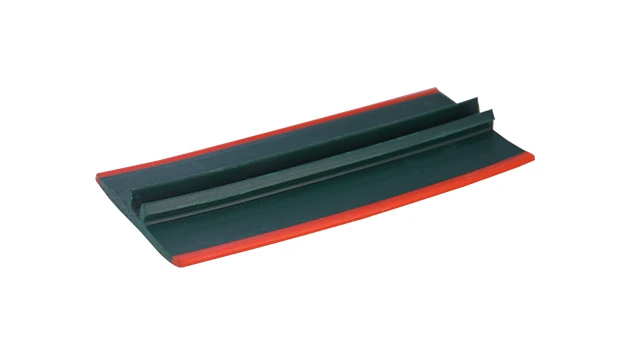
The Unsung Hero: Aluminum Profile Rubber Strip
If aluminum profiles are the bones of a medical workstation, then aluminum profile rubber strips are the connective tissue that holds everything together—quietly ensuring safety, compliance, and functionality. At first glance, these strips might look like simple pieces of rubber attached to the edges or joints of aluminum profiles. But their role is surprisingly multifaceted, and each function directly impacts the workstation's ability to meet medical standards.
Let's start with safety. Medical workstations often hold fragile items: glass test tubes, sensitive electronic monitors, or vials of expensive reagents. A single slip could lead to spills, contamination, or broken equipment. Aluminum profile rubber strips act as a buffer, adding friction to surfaces to prevent items from sliding. They also soften sharp edges of aluminum profiles, reducing the risk of cuts or scrapes for staff who spend hours working at these stations. In busy environments where rushing is sometimes unavoidable, this small layer of protection can prevent costly (and dangerous) accidents.
Then there's compliance. Medical facilities are governed by strict regulations, and even minor details like the materials used in workstation components are scrutinized. Aluminum profile rubber strips, when designed correctly, are made from medical-grade materials that are non-toxic, latex-free, and resistant to harsh disinfectants. This ensures they won't degrade over time or leach harmful substances into the environment—critical for maintaining compliance with agencies like the FDA or ISO. They also help seal gaps between profile joints, preventing dust, liquids, or bacteria from accumulating in hard-to-clean crevices. In a setting where a single germ can compromise a sample or infect a patient, this level of sealing is indispensable.
Noise reduction is another underrated benefit. Medical labs and hospitals can be surprisingly loud, with equipment beeping, carts rolling, and staff communicating. Rubber strips dampen the sound of tools being placed on the workstation or equipment being adjusted, creating a quieter environment that's less stressful for both staff and patients. For anyone who's worked a 12-hour shift in a noisy lab, this small improvement in acoustics can make a world of difference in focus and well-being.

Compliance: Meeting the Gold Standards
In the medical field, compliance isn't just a box to check—it's a promise to patients, staff, and regulatory bodies that safety and quality are prioritized. Aluminum profile rubber strips play a direct role in meeting these standards, and understanding which regulations apply is key to choosing the right product. Below is a breakdown of the most critical compliance benchmarks and how rubber strips contribute to meeting them:
| Regulation/Standard | Key Requirement | How Aluminum Profile Rubber Strips Help |
|---|---|---|
| ISO 13485 | Quality management for medical devices, focusing on risk reduction and consistency. | Made from traceable, batch-tested materials to ensure consistency; resistant to degradation from cleaning agents, maintaining performance over time. |
| FDA (21 CFR Part 177) | Safety of materials in contact with food, drugs, or medical devices. | Constructed from food-grade, non-toxic rubber compounds that don't leach chemicals when exposed to liquids or cleaning solutions. |
| UL 94 V-0 | Fire resistance standard for plastics and rubber. | Fire-retardant formulations that self-extinguish quickly, reducing fire risk in facilities with electrical equipment. |
| ESD S20.20 | Protection against electrostatic discharge (ESD) in sensitive electronic environments. | Conductive or dissipative rubber options that prevent static buildup, safeguarding delicate medical electronics like MRI machines or diagnostic tools. |
For example, consider an ESD workstation in a lab that handles microelectronics for pacemakers. Even a tiny electrostatic charge could damage the components, rendering them useless. A rubber strip with ESD properties would ground the workstation, ensuring static doesn't accumulate. Similarly, in a pharmaceutical cleanroom, where surfaces are cleaned hourly with strong disinfectants, a rubber strip that resists cracking or discoloration from these chemicals ensures the workstation remains compliant for years, avoiding costly replacements or regulatory violations.

Safety Beyond Compliance: Protecting People and Processes
While compliance ensures a baseline of safety, the best aluminum profile rubber strips go above and beyond, actively protecting staff, patients, and processes. Let's break down the most critical safety features:
Anti-slip properties: Medical staff often wear gloves, which can make gripping tools or placing items on smooth surfaces tricky. Rubber strips add texture to workstation edges and shelves, reducing the risk of test tubes, syringes, or scalpels sliding off. In emergency situations, where hands might be shaky or time is tight, this simple feature can prevent spills or injuries.
Chemical resistance: Medical workstations are exposed to a battery of harsh substances—alcohols, bleach, hydrogen peroxide, and specialized cleaning agents. A low-quality rubber strip might harden, crack, or become sticky when exposed to these chemicals, creating gaps where bacteria can hide or compromising the strip's other functions. High-quality strips, however, are formulated to withstand these substances, maintaining their elasticity and grip even after years of daily cleaning.
Impact absorption: Accidents happen. A nurse might accidentally knock a heavy instrument against the workstation edge, or a lab technician might drop a glass container. Rubber strips act as a cushion, absorbing impact to protect both the workstation (preventing dents or scratches) and the item being dropped (reducing the chance of breakage). In a setting where equipment can cost thousands of dollars, this is a small investment that pays off in longevity.
Choosing the Right Aluminum Profile Rubber Strip: What to Look For
With so much riding on this seemingly small component, selecting the right aluminum profile rubber strip requires careful consideration. Here are the key factors to keep in mind:
Material quality: Opt for strips made from medical-grade silicone or EPDM rubber. These materials are non-toxic, resistant to high temperatures, and durable enough to withstand frequent cleaning. Avoid cheap PVC-based strips, which can degrade quickly or release harmful chemicals.
Customization options: Workstations come in all shapes and sizes, so the rubber strip should be flexible enough to fit different aluminum profile designs. Look for suppliers that offer custom lengths, widths, or profiles (e.g., T-shaped, U-shaped) to ensure a snug, gap-free fit.
Certifications: Always ask for documentation proving compliance with relevant standards (ISO 13485, FDA, etc.). A reputable supplier will have no trouble providing test reports or material safety data sheets (MSDS).
Supplier reliability: The best rubber strip is only as good as the supplier behind it. Choose a supplier with experience in medical applications, who understands the unique demands of healthcare environments. They should be able to answer technical questions, offer samples for testing, and provide consistent quality across batches.
Conclusion: The Small Component That Makes a Big Difference
In the world of medical equipment workstations, aluminum profiles are the stars, but aluminum profile rubber strips are the unsung heroes that make those stars shine. They turn a basic structure into a compliant, safe, and efficient tool that supports the critical work of medical professionals. From preventing slips and spills to ensuring compliance with the strictest regulations, these strips prove that sometimes the smallest components have the biggest impact.
So the next time you walk into a medical facility, take a moment to look at the workstations. Behind the equipment, the labels, and the, there's a story of careful engineering—one where aluminum profiles and rubber strips work together to create spaces that save lives, one detail at a time. And for anyone building or upgrading medical workstations, investing in high-quality aluminum profile rubber strips isn't just a choice—it's a commitment to safety, compliance, and the people who rely on these workstations every day.