- Company Articles
- Products and Technology
- Installation And Maintenance
- Aluminum Profile Rubber Strip Maintenance Tips: Extending Service Life

Aluminum Profile Rubber Strip Maintenance Tips: Extending Service Life
Related Product
Aluminum Profile Rubber Strip
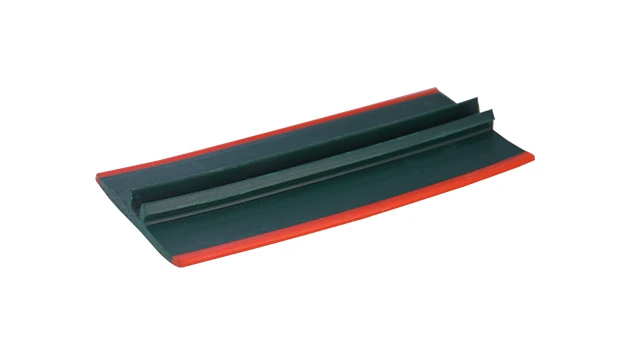
The tread strip fits into a T-slot channel and provides an anti-slip ribbed surface. It has a key pad that presses into a T-slot and is commonly used for adding traction on steps or as padding for doors. Tread strip can be ordered by rolls. The high quali
If you've ever walked into a workshop, a manufacturing plant, or even a modern office, chances are you've seen aluminum profiles hard at work. They're the silent backbone of workbenches, racks, conveyor systems, and countless other setups—sturdy, versatile, and built to last. But here's a little secret: even the toughest aluminum extrusion profile relies on a tiny, often overlooked component to keep performing at its best: the rubber strip. Tucked into the t-slots of your aluminum profile, this unassuming strip is the unsung hero that blocks dust, seals out moisture, reduces noise, and prevents wear and tear. Ignore it, and you might start noticing jams in your conveyor, drafts in your workbench, or even corrosion eating away at your aluminum over time. So today, let's dive into how to take care of these small but mighty parts, ensuring your aluminum profiles—and everything they support—stay in top shape for years to come.
Understanding Your Aluminum Profile's Rubber Strip: More Than Just a "Filler"
Before we jump into maintenance, let's get to know the star of the show: the rubber strip. Most people assume it's just there to fill gaps, but it does so much more. Think of it as a multi-tasker for your aluminum profile. First, it's a sealant: in workbenches or material racks, it keeps dust, water, and debris from sneaking into the t-slots, where they can gunk up moving parts or corrode the aluminum from the inside. Second, it's a shock absorber: when you slide tools, materials, or components along the profile (like on a conveyor or roller track), the rubber strip softens the impact, reducing noise and preventing scratches on both the profile and your items. Third, it's a stabilizer: in setups with moving parts—like a turnover trolley or a sliding shelf—the strip helps keep everything aligned, reducing wobble and ensuring smooth operation.
But not all rubber strips are created equal. The one you'll find in your aluminum profile is usually made from durable, flexible materials like EPDM or silicone, chosen for their resistance to heat, cold, and everyday wear. And while they're tough, they're not invincible. Over time, exposure to sunlight, temperature swings, chemicals, and constant friction can take a toll. That's where maintenance comes in. By giving your rubber strips a little TLC, you're not just extending their life—you're protecting your entire aluminum profile setup, from the smallest accessory to the largest workbench.
Daily Inspection: Catching Problems Before They Start
Maintenance starts with paying attention—and that means making inspection a habit. You don't need to spend hours poring over every inch of your aluminum profile, but a quick 5-minute check once a day (or even once a week, depending on usage) can save you from costly repairs later. Here's what to look for:
1. Cracks, Tears, or Hardening
Run your finger gently along the rubber strip. It should feel soft and pliable, like a new eraser. If it's hard, brittle, or has tiny cracks (especially around the edges), that's a red flag. Hardening usually happens when the strip is exposed to too much UV light or extreme temperatures over time, while tears might come from sharp objects scraping against it or heavy items being dragged over the profile. Either way, a damaged strip can't seal properly—so note the location and plan to replace it soon.
2. Debris Buildup in the T-Slot
Dust, metal shavings, or bits of plastic can get trapped between the rubber strip and the t-slot. At first glance, it might just look like "dirt," but over time, that debris acts like sandpaper, wearing down the strip from the inside. It can also push the strip out of place, creating gaps. Take a flashlight and peer into the t-slot—if you see anything stuck under or around the strip, it's time to clean.
3. Loose or Misaligned Strips
A rubber strip that's slipping out of the t-slot is a problem waiting to happen. Gently tug on one end—if it moves easily or has started to peel away, it's no longer creating a tight seal. This often happens if the strip wasn't installed properly in the first place, or if the t-slot itself has become worn (though aluminum profiles are pretty tough, so this is rare). Misalignment can also occur if the profile has been knocked or bumped, shifting the strip out of its groove.
4. Discoloration or Staining
Yellowing, dark spots, or sticky residue on the rubber strip might seem like just a cosmetic issue, but they can be signs of chemical damage. For example, if you work with oils, solvents, or cleaning agents near your aluminum profile, even a small spill can seep into the strip, breaking down its material over time. Sticky residue might also attract more dust, creating a grimy buildup that accelerates wear.

Cleaning 101: Keeping Your Rubber Strip (and T-Slot) Spotless
Once you've inspected and noted any issues, the next step is cleaning. Think of it like brushing your teeth: regular, gentle cleaning prevents buildup that can cause bigger problems. The key here is to be thorough but gentle—rubber strips are tough, but harsh tools or chemicals can damage them. Here's how to do it right:
What You'll Need
- A soft-bristled brush (an old toothbrush works great for tight spaces)
- A microfiber cloth (avoid paper towels—they can leave lint or scratch the aluminum)
- Mild soap (like dish soap) or a rubber-safe cleaner (check the label for "EPDM/silicone compatible")
- Warm water (not hot—extreme heat can warp the rubber)
- A small bowl for mixing soap and water
Step-by-Step Cleaning
1. Remove Loose Debris First: Start by using the soft brush to sweep away any dust, dirt, or loose particles from the t-slot and around the rubber strip. Brush gently to avoid pushing debris further under the strip—use short, downward strokes to guide the dirt out of the slot.
2. Mix Your Cleaning Solution: In the bowl, mix a few drops of mild soap with warm water until it's slightly sudsy. Avoid using harsh chemicals like bleach, alcohol, or abrasive cleaners—these can dry out the rubber, causing it to crack or harden faster.
3. Wipe the Rubber Strip: Dip the microfiber cloth into the soapy water, wring it out well (you don't want excess water pooling in the t-slot), and gently wipe the rubber strip. Pay extra attention to areas with discoloration or sticky residue—you might need to rub a little firmer, but be careful not to scrub too hard, as this can wear down the rubber.
4. Clean the T-Slot (If Needed): If there's debris stuck under the strip, use the toothbrush dipped in soapy water to gently dislodge it. Angle the brush so the bristles reach under the edge of the strip, and brush outward to pull the debris out. Avoid prying the strip up too much—you don't want to loosen it further.
5. Rinse and Dry: Once you're done cleaning, dampen a clean microfiber cloth with plain warm water and wipe away any soap residue. Then, use a dry cloth to pat the rubber strip and t-slot dry. Moisture left in the slot can lead to mold or mildew, especially in humid environments, so make sure it's completely dry before moving on.
Pro Tip:
If you're dealing with stubborn stains (like oil or grease), try a small amount of baking soda mixed with water to make a paste. Apply it gently with a cloth, let it sit for 5 minutes, then wipe clean. Baking soda is mild enough to avoid damaging the rubber but tough on grease!

Repair and Replacement: When to Swap in a New Rubber Strip
Even with the best care, rubber strips don't last forever. Most will stay in good shape for 1–3 years, depending on usage and environment, but eventually, you'll need to replace them. The good news? It's a simple DIY job that doesn't require special tools—just a little patience and the right replacement part. Here's how to know when it's time, and how to do it right:
Signs It's Time to replace
- Cracks deeper than 1mm: Small surface cracks can sometimes be managed with cleaning, but deep cracks (especially those that run the length of the strip) mean the strip can't seal properly.
- Hardening that won't reverse: If the strip feels rock-hard and doesn't flex when you bend it gently, it's no longer functional—hard rubber can't absorb shock or seal gaps.
- Loose or missing sections: If parts of the strip have fallen out or are hanging loose, they're not protecting the t-slot anymore. Even a small missing section can let in debris.
- Persistent leaks or drafts: If you've cleaned and adjusted the strip, but you still notice water seeping into the t-slot or air blowing through, the strip is likely worn out.
Choosing the Right Replacement: T-Slot Rubber Seal Cover and Accessories
When it comes to replacing your rubber strip, not all options are created equal. The best choice is a t-slot rubber seal cover designed specifically for your aluminum profile—this ensures a snug fit, proper sealing, and compatibility with your setup. Here's what to look for:
Size Matters: Measure the width and depth of your t-slot before buying. Aluminum profiles come in different sizes (like 2020, 3030, or 4040), and the rubber strip needs to match the slot's dimensions to stay in place. A strip that's too small will fall out; too large will stretch and crack prematurely.
Material: Stick with EPDM or silicone rubber if possible. These materials are resistant to heat, cold, and UV rays, making them ideal for both indoor and outdoor use. Avoid cheap plastic strips—they'll harden and crack within months.
Check for Compatibility: If your aluminum profile is part of a specialized setup (like an ESD workstation or a food-grade conveyor), look for rubber strips labeled "ESD-safe" or "food contact approved." These are designed to meet strict standards, ensuring safety and performance.
You can find t-slot rubber seal covers at most industrial supply stores or through your aluminum profile accessories supplier. If you're unsure which one to get, bring a sample of your old strip (or a photo of your profile) to the supplier—they'll help you find the perfect match.
Installing the New Rubber Strip: A Step-by-Step Guide
Installing a new rubber strip is easier than you might think. Here's how to do it in 10 minutes or less:
1. Remove the Old Strip: Gently pull the old strip out of the t-slot. If it's stuck, use a flathead screwdriver (wrapped in a cloth to avoid scratching the aluminum) to pry up one end, then pull it out slowly. Be careful not to damage the t-slot edges—aluminum is soft and can scratch easily.
2. Clean the T-Slot Thoroughly: Now's a good time to deep-clean the slot. Use your brush and soapy water to remove any remaining debris, then dry it completely. A clean slot ensures the new strip adheres properly and stays in place.
3. Prep the New Strip: Unroll the new t-slot rubber seal cover and let it sit at room temperature for 10–15 minutes. This softens the rubber, making it easier to install. If the strip is coiled tightly, gently stretch it (don't overdo it!) to straighten out any kinks.
4. Start Installing: Line up one end of the strip with the end of the t-slot. Press it firmly into the slot, starting at the corner and working your way along the length. Use your thumb to apply even pressure—you should feel the strip "snap" into place as it fits into the groove. If you encounter resistance, stop and check for debris in the slot—don't force the strip, as this can tear it.
5. Trim to Fit: Once the strip is installed, use a sharp pair of scissors or a utility knife to trim off any excess length. Leave a tiny gap (about 1mm) at the end to allow for expansion in hot weather—this prevents the strip from buckling or popping out.
6. Test It Out: Run your finger along the strip to ensure it's seated evenly in the slot. Gently tug on it—if it stays in place, you're good to go! If it feels loose, remove it and try again, making sure it's fully pressed into the groove.
Preventive Maintenance: Keeping Your Rubber Strip Happy for Longer
The best way to extend your rubber strip's life is to prevent damage before it starts. A few simple habits can add months (or even years) to its lifespan, saving you time and money on replacements. Here are our top preventive tips:
1. Protect from Extreme Temperatures
Rubber hates extreme heat and cold. If your aluminum profile is outdoors or near heat sources (like ovens, heaters, or welding equipment), consider adding a heat shield or moving the setup to a cooler spot. In freezing temperatures, avoid hitting or bending the rubber strip—cold rubber becomes brittle and prone to cracking. If you can't move the profile, covering it with a tarp or insulated cloth during extreme weather can help.
2. Avoid Harsh Chemicals
We mentioned this earlier, but it's worth repeating: keep oils, solvents, acids, and strong cleaning chemicals away from your rubber strip. Even a small spill can break down the rubber's material over time. If you do need to clean near the strip, use mild soap and water, and wipe up spills immediately with a dry cloth.
3. Reduce Friction and Impact
Constant rubbing or heavy impacts can wear down the rubber strip faster. For example, if you're sliding heavy tools or materials along your aluminum profile workbench, add a layer of protective padding (like a silicone mat) on top of the strip. This reduces direct friction and cushions impacts. Similarly, in conveyor systems, make sure items are centered on the rollers to avoid dragging against the profile edges where the strip is located.
4. Lubricate (Sparingly) for Moving Parts
If your aluminum profile is part of a moving system (like a sliding shelf or a conveyor with t-slot guides), a tiny bit of lubricant can reduce friction between the strip and moving parts. Use a silicone-based lubricant (avoid petroleum-based products, which can damage rubber) and apply it sparingly with a cloth—just a thin layer is enough. Wipe away any excess to prevent attracting dust.
5. Store Properly When Not in Use
If you have extra aluminum profiles or disassembled setups in storage, make sure to protect the rubber strips. Store profiles in a cool, dry place away from direct sunlight, and cover them with a breathable cloth to keep dust off. Avoid stacking heavy items on top of stored profiles, as this can crush or warp the rubber strip over time.
Troubleshooting Common Issues: Quick Fixes for Rubber Strip Problems
Even with the best maintenance, you might run into occasional hiccups. Here's a handy troubleshooting guide to help you diagnose and fix common rubber strip issues fast:
| Issue | Possible Cause | Maintenance Solution |
|---|---|---|
| Rubber strip is cracked | UV exposure, extreme heat, or old age | replace with a new t-slot rubber seal cover. If only a small section is cracked, trim the damaged part and install a partial strip (ensure the new piece overlaps the old one by 2cm for a tight seal). |
| Debris stuck under the strip | Poor cleaning habits or high dust environment | Use a soft brush and soapy water to dislodge debris. For stubborn particles, gently lift the strip's edge with a toothpick (wrapped in cloth) to pull out the debris, then press the strip back into place. |
| Rubber strip is loose or falling out | Strip is too small, or t-slot is damaged | Check if the strip matches your profile's t-slot size—replace with a properly sized strip. If the t-slot is bent, gently straighten it with pliers (wrapped in cloth to avoid scratches) before reinstalling. |
| Sticky residue on the strip | Spilled chemicals, oil, or grease | Clean with a baking soda paste (1 part baking soda + 2 parts water). Apply, let sit 5 minutes, then wipe with a damp cloth. Repeat if needed. |
| Strip is discolored (yellow or brown) | UV damage or chemical staining | If discoloration is cosmetic (strip is still soft and pliable), clean with soapy water. If the strip is hard or cracked, replace it and move the profile away from direct sunlight or chemical sources. |
Final Thoughts: Small Care, Big Results
At the end of the day, maintaining your aluminum profile's rubber strip is all about attention to detail. It's a small task, but it has a big impact on the longevity and performance of your aluminum extrusion profile, workbenches, racks, and conveyor systems. By inspecting regularly, cleaning gently, replacing when needed, and taking preventive measures, you'll keep those rubber strips—and your entire setup—running smoothly for years to come.
Remember, your aluminum profile is an investment, and the rubber strip is its first line of defense. Treat it well, and it will return the favor by keeping your workspace efficient, clean, and built to last. So go ahead—grab that microfiber cloth, give your rubber strip a quick check, and rest easy knowing you're extending the life of one of your most valuable tools.