- Company Articles
- Products and Technology
- Product knowledge
- Aluminum Profile Rubber Strip Material Selection: Food-Grade vs Industrial-Grade

Aluminum Profile Rubber Strip Material Selection: Food-Grade vs Industrial-Grade
Related Product
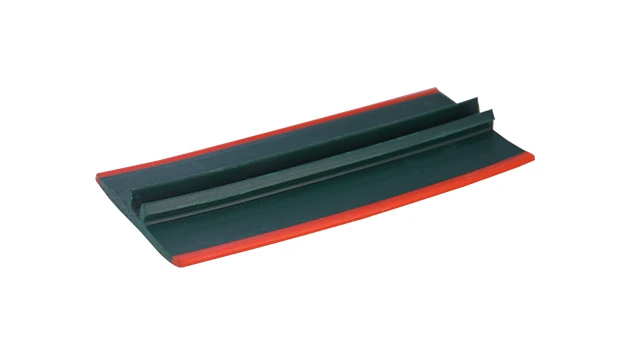
Aluminum Profile Rubber Strip
The tread strip fits into a T-slot channel and provides an anti-slip ribbed surface. It has a key pad that presses into a T-slot and is commonly used for adding traction on steps or as padding for doors. Tread strip can be ordered by rolls. The high quali
Introduction: The Hidden Workhorses of Aluminum Extrusion Profiles
Walk through any bustling factory, a sleek food processing plant, or a busy warehouse, and you'll likely see aluminum extrusion profiles hard at work. These versatile structures form the backbone of workbenches, conveyor systems, and machine frames—quietly supporting the operations that keep industries moving. But what truly makes these aluminum profiles shine isn't just their sturdy frames; it's the smaller, often overlooked aluminum profile accessories that turn them into functional, efficient systems. Among these unsung heroes is the T-slot rubber seal cover, a flexible strip that plays a critical role in sealing, protecting, and enhancing performance.
Choosing the right rubber strip might seem like a minor detail, but it can make or break your system's reliability. Imagine a food packaging line where a rubber strip fails and contaminates products, or a factory workstation where a worn strip leads to constant downtime. That's why understanding the difference between food-grade and industrial-grade rubber strips is essential. In this guide, we'll dive into their materials, uses, and how to pick the perfect one for your needs.
What Are Aluminum Profile Rubber Strips, Anyway?
If you've ever run your finger along an aluminum extrusion profile, you've probably noticed the narrow T-shaped groove running along its length—the T-slot. This groove is designed to hold accessories like brackets, panels, and yes, rubber strips. The T-slot rubber seal cover, as the name suggests, is a flexible strip that fits snugly into this slot, serving as a multi-tasking helper in your setup.
Think of it as the "silent guardian" of your aluminum profiles. It seals gaps between connected profiles to keep out dust and liquids, cushions impacts to reduce noise, protects workers from sharp edges, and even insulates against heat or electricity. Without these strips, aluminum extrusion profiles would be functional but far less efficient, safe, or durable. But not all strips are created equal—especially when it comes to where they'll be used.

Material Basics: The Building Blocks of Performance
At their core, both food-grade and industrial-grade rubber strips are made from elastomers—stretchy polymers that bounce back after being bent or squeezed. But the specific type of elastomer, plus additives like plasticizers and stabilizers, determines how they perform. Let's break down the most common materials in each category.
Food-Grade Rubber Strips: Safety as the Top Priority
Food-grade strips are formulated to avoid contaminating food, beverages, or pharmaceuticals. They're made from materials that are non-toxic, odorless, and tough enough to handle harsh cleaning agents. The go-to options include:
- Silicone Rubber: The gold standard for food applications, silicone is inert (it doesn't react with other substances), heat-resistant (from -60°C to 200°C), and easy to clean. It's perfect for high-temperature environments like ovens or pasteurizers.
- FDA-Grade EPDM: A more budget-friendly choice, ethylene propylene diene monomer (EPDM) resists water, steam, and mild acids. It's ideal for cold storage or beverage lines where extreme heat isn't a concern.
- Nitrile Rubber: Great for oily or fatty food processing (like meat packing), nitrile stands up to oils and greases without breaking down.
Industrial-Grade Rubber Strips: Built to Tough It Out
Industrial-grade strips prioritize durability over food safety. They're designed to withstand oils, chemicals, UV rays, and heavy wear. Common materials include:
- Standard EPDM: The workhorse of industrial rubber, EPDM handles outdoor exposure, ozone, and water—making it perfect for construction or automotive settings.
- Neoprene: Resistant to abrasion and oils, neoprene is a favorite for machinery with moving parts, like conveyor belts or hydraulic systems.
- Natural Rubber: Super stretchy and tear-resistant, but less chemical-resistant—good for light industrial use like packaging lines.

Food-Grade Rubber Strips: More Than Just Compliance
In industries where even tiny contaminants can lead to recalls or health risks, food-grade rubber strips aren't optional—they're a lifeline. Let's explore what makes them unique.
Certifications: Your Assurance of Safety
What makes a rubber strip "food-grade"? Certifications. Regulatory bodies like the FDA (U.S.), LFGB (Europe), and 3-A Sanitary Standards set strict rules to ensure materials don't harm food. For example:
- FDA 21 CFR 177.2600: Ensures rubber won't leach harmful chemicals into food during contact.
- LFGB: Europe's stricter standard, banning additives that could affect taste or safety.
- 3-A Sanitary: Critical for dairy or beverage lines, ensuring strips can be sterilized without harboring bacteria.
These certifications aren't just paperwork. For a baby food manufacturer, using an FDA-approved T-slot rubber seal cover on their aluminum extrusion profile conveyor isn't just compliant—it's a promise to parents that their products are safe.
Real-World Uses: Where Food and Rubber Meet
Food-grade strips pop up wherever food or pharmaceuticals are handled. Here are a few everyday examples:
- Dairy Processing: On aluminum profile workstations for milk bottling, where strips seal gaps to prevent bacteria growth.
- Bakery Lines: In conveyor systems carrying dough or pastries, where silicone strips resist high oven temperatures.
- Pharmaceutical Labs: On cleanroom equipment frames, where non-porous rubber prevents dust buildup and stands up to autoclaving (steam sterilization).
Industrial-Grade Rubber Strips: Durability in the Trenches
Industrial-grade strips thrive where conditions are harsh. They're the tough guys of the rubber world, built to handle oil, dirt, and constant wear.
Certifications That Matter: Performance, Not Purity
While they don't need FDA approval, industrial strips rely on certifications to prove their mettle. Standards like ISO 9001 (quality management) or ASTM D2000 (rubber classification) ensure consistency. For example, an industrial EPDM strip might be labeled "ASTM D2000 M2DH70B34"—meaning it resists heat, ozone, and water, with a hardness of 70 Shore A.
Where They Shine: Industrial Workhorses
Industrial strips are everywhere from factory floors to construction sites. Here's where you'll find them:
- Automotive Plants: On aluminum extrusion profile assembly lines, where strips dampen vibrations and resist motor oil.
- Warehouses: On material racks, where neoprene strips protect metal profiles from dents caused by heavy boxes.
- Construction Sites: On temporary aluminum structures, where EPDM strips seal out rain and UV rays.
Side-by-Side Comparison: Food-Grade vs Industrial-Grade
Still unsure which type you need? This table breaks down the key differences to help you decide:
| Criteria | Food-Grade Rubber Strips | Industrial-Grade Rubber Strips |
|---|---|---|
| Primary Materials | Silicone (food-safe), FDA EPDM, nitrile | Standard EPDM, neoprene, natural rubber |
| Key Certifications | FDA 21 CFR 177.2600, LFGB, 3-A Sanitary | ISO 9001, ASTM D2000, RoHS |
| Top Applications | Food processing, pharmaceuticals, dairy | Automotive, construction, manufacturing |
| Temperature Range | -60°C to 200°C (silicone); -40°C to 150°C (EPDM) | -40°C to 150°C (EPDM); -30°C to 120°C (neoprene) |
| Chemical Resistance | Resists acids, alkalis, cleaning agents | Resists oils, solvents, UV radiation |
| Cost | Higher (due to certifications and premium materials) | Lower (no food safety requirements) |
| Best For | Anywhere food, drinks, or meds are handled | Heavy-duty, non-food environments |
How to Choose: A Simple Decision Guide
Follow these steps to pick the right strip for your project:
Step 1: Check for Food Contact
If your aluminum extrusion profile will be near open food, beverages, or pharmaceuticals—even indirectly (like a conveyor above a production line)—you need food-grade. When in doubt, ask: "Could a broken strip contaminate the product?" If yes, go food-grade.
Step 2: Assess the Environment
Consider the conditions the strip will face: extreme heat? Oils? UV rays? For example, a bakery oven conveyor needs food-grade silicone (heat-resistant), while a factory floor rack needs industrial neoprene (oil-resistant).
Step 3: Don't Overspend (or Underinvest)
Food-grade strips cost more, so only use them where necessary. A warehouse shelf far from food doesn't need silicone—save money with industrial EPDM. Conversely, skimping on food-grade for a dairy line could cost you millions in recalls.
Step 4: Match the T-Slot
Finally, ensure the strip fits your aluminum profile's T-slot. Aluminum profile accessories come in standard sizes (e.g., 6mm, 8mm slots), so check the slot width before buying. A strip that's too loose will fall out; too tight will tear during installation.
Common Mistakes to Avoid
Even pros make errors when choosing rubber strips. Here are pitfalls to steer clear of:
- Using Industrial-Grade in Food Zones: A $5 strip could lead to a $500,000 recall. Always verify compliance first.
- Ignoring Temperature Limits: Don't use EPDM in a 200°C oven—it will melt. Opt for silicone instead.
- Forgetting About Cleaning: Food-grade strips need to withstand daily sanitizing. Avoid porous materials that trap bacteria.
- Skipping Certifications: "Food-safe" labeled strips might not meet FDA standards. Always ask for certification docs.
Future Trends: What's Next for Rubber Strips?
The world of aluminum profile accessories is evolving, and rubber strips are no exception. Look for these innovations:
- Eco-Friendly Materials: Bio-based elastomers that perform like traditional rubber but are biodegradable.
- Smart Strips: Embedded sensors that alert maintenance when wear or temperature damage occurs—perfect for critical food lines.
- Custom Colors: Color-coded strips for easy identification (e.g., red for high-temperature zones, blue for cold storage).
Conclusion: The Right Strip for the Job
Aluminum extrusion profiles are the backbone of modern industry, but aluminum profile accessories like the T-slot rubber seal cover make them truly indispensable. Whether you need food-grade silicone for a pharmaceutical lab or industrial neoprene for a factory floor, the key is to match the strip to your environment, compliance needs, and budget.
By taking the time to choose wisely, you'll ensure your aluminum profiles work harder, last longer, and keep your operations running smoothly. After all, the smallest components often make the biggest difference.