- Company Articles
- Products and Technology
- Product knowledge
- Aluminum Profile Rubber Strip Thickness Guide for Turnover Carts in Logistics

Aluminum Profile Rubber Strip Thickness Guide for Turnover Carts in Logistics
Related Product
Aluminum Profile Rubber Strip
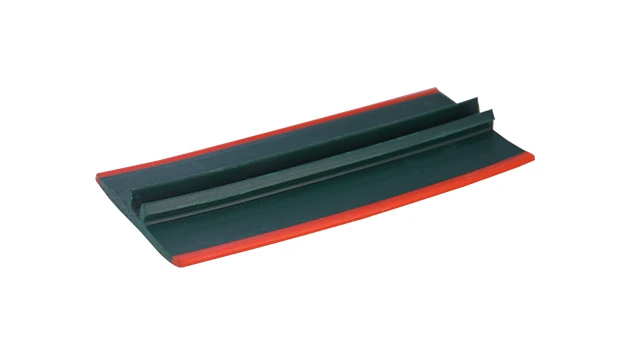
The tread strip fits into a T-slot channel and provides an anti-slip ribbed surface. It has a key pad that presses into a T-slot and is commonly used for adding traction on steps or as padding for doors. Tread strip can be ordered by rolls. The high quali
If you've ever stepped foot in a bustling warehouse or distribution center, you've likely witnessed the backbone of daily operations: turnover carts. These hardworking vehicles glide between assembly lines, storage areas, and shipping docks, carrying everything from delicate electronic components to heavy machinery parts. They're the silent enablers of efficiency, but their reliability hinges on more than just sturdy wheels or a durable frame. Today, we're zooming in on a small yet mighty component that often goes unnoticed but plays a huge role in performance: the aluminum profile rubber strip. Specifically, we'll explore how choosing the right thickness for these strips can elevate your turnover cart's functionality, longevity, and safety—all while keeping your logistics operations running like a well-oiled machine.
1. Turnover Carts and Aluminum Extrusion Profiles: A Match Made in Logistics
Before we dive into rubber strips, let's first understand why aluminum extrusion profiles have become the go-to choice for building turnover carts. Walk into any modern warehouse, and you'll notice that many carts aren't made of heavy steel or flimsy plastic—they're crafted from aluminum extrusion profiles. Why? Because aluminum brings a winning combination of strength, lightweight design, and customization that's hard to beat.
Aluminum extrusion profiles are created by pushing molten aluminum through a die, resulting in consistent, precise shapes—think T-slots, channels, and tubes—that can be easily assembled into carts, racks, or workbenches. This process makes them incredibly versatile: you can add shelves, dividers, or handles by simply sliding accessories into the T-slots, no welding required. For turnover carts, this means you can design a cart tailored to your exact needs, whether you're hauling small parts bins or large, irregularly shaped items.
But what truly sets aluminum extrusion profiles apart is their durability without the bulk. Unlike steel, aluminum resists rust and corrosion, making it ideal for environments where carts might be exposed to moisture, chemicals, or frequent cleaning. And because it's lightweight, even fully loaded carts are easier for workers to maneuver, reducing strain and lowering the risk of workplace injuries. It's no wonder that logistics managers swear by aluminum extrusion profiles for their turnover carts—they're built to last, adapt, and keep up with the fast pace of modern supply chains.
2. The Unsung Hero: Aluminum Profile Rubber Strips and Their Critical Role
Now, let's talk about the star of the show: the aluminum profile rubber strip. If aluminum extrusion profiles are the "bones" of your turnover cart, rubber strips are the "muscles" that protect, cushion, and seal. These narrow strips of flexible rubber are designed to fit into the T-slots or edges of aluminum profiles, and their job is far more than just filling space. Let's break down their key functions:
Sealing and Protection: Aluminum profiles have sharp edges—without rubber strips, these edges can scratch goods, damage packaging, or even cut workers' hands during loading and unloading. Rubber strips act as a buffer, softening contact points and preventing abrasions. They also seal gaps between profile joints, keeping out dust, debris, and moisture that could corrode the aluminum over time.
Cushioning and Shock Absorption: Ever heard a loud clatter when a cart hits a bump or a box shifts during transport? That's where rubber strips shine. Their elasticity absorbs shocks, reducing noise and minimizing the risk of damage to fragile items like electronics or glassware. For example, a cart carrying circuit boards needs extra cushioning to prevent component damage—rubber strips add that critical layer of protection.
Noise Reduction: Warehouses are already noisy places with forklifts, conveyor belts, and chatter. Turnover carts, if unmodified, can add to the din as metal profiles rub against each other or goods slide around. Rubber strips dampen these sounds, creating a quieter, more pleasant work environment (and happier employees).
As part of the broader category of aluminum profile accessories, rubber strips are a small investment with big returns. They extend the life of your aluminum extrusion profiles by preventing wear and tear, reduce maintenance costs by minimizing damage to goods, and enhance safety for your team. Simply put, skimping on quality or choosing the wrong thickness here could turn your reliable turnover cart into a liability.

3. Key Factors That Determine the Right Rubber Strip Thickness
Not all rubber strips are created equal, and thickness is the most critical variable. A strip that's too thin might tear under pressure, while one that's too thick could bulge, interfere with cart movement, or fail to fit properly into the aluminum profile's T-slot. So, how do you choose? Let's break down the factors that should guide your decision:
Load Capacity: How Much Weight Will the Cart Carry?
The first question to ask is: What's the maximum load your turnover cart will handle? Heavier loads mean more pressure on the rubber strips, especially when the cart is in motion or when items shift. For example, a cart carrying 500kg of metal parts will exert more downward force on the frame than one carrying 50kg of packaged goods. Thicker strips (2mm–3mm) are better suited for heavy loads—they're more resistant to compression and less likely to flatten or tear over time. Lighter loads, on the other hand, can get by with thinner strips (1mm–1.5mm), which are more flexible and cost-effective.
Environment: Where Will the Cart Operate?
Your warehouse or facility's environment plays a big role in rubber strip performance. Let's consider a few scenarios:
- High-Traffic Areas: Carts in busy zones (near conveyor belts, loading docks) are more likely to bump into walls, other carts, or equipment. Thicker strips (2.5mm–3mm) offer better impact resistance here.
- Extreme Temperatures: If your facility is unheated (cold storage) or near heat sources (ovens, furnaces), rubber strips must withstand temperature fluctuations. Thicker strips may hold up better in cold environments (where rubber can harden) by retaining flexibility, while thinner strips might be preferable in hot areas to avoid melting or warping.
- Moisture or Chemical Exposure: Warehouses with frequent cleaning (food processing, pharmaceuticals) or exposure to oils/grease (automotive) need rubber strips that resist degradation. Thicker strips with chemical-resistant materials (like EPDM or silicone) are ideal here, as they provide a thicker barrier against corrosive substances.
Frequency of Use: How Often Does the Cart Move?
A cart used once a day to transport light items will have far less wear on its rubber strips than one used hourly to shuttle heavy loads across a large warehouse. High-frequency use demands thicker, more durable strips (2mm+) that can withstand repeated flexing, compression, and friction. Conversely, low-use carts can opt for thinner strips to save on costs without sacrificing performance.
| Rubber Strip Thickness | Best For Load Capacity | Optimal Environment | Frequency of Use | Key Benefits |
|---|---|---|---|---|
| 1mm–1.5mm | Light loads (≤100kg) | Indoor, climate-controlled, low moisture | Low (1–3x daily) | Cost-effective, flexible, easy to install |
| 2mm–2.5mm | Medium loads (100kg–300kg) | General warehouse, moderate traffic, occasional moisture | Medium (4–8x daily) | Balanced durability and flexibility, good shock absorption |
| 3mm+ | Heavy loads (>300kg) | High-traffic areas, extreme temps, chemical exposure | High (9+x daily) | Maximum impact resistance, long lifespan, ideal for harsh conditions |

4. Choosing the Right Thickness for Your Turnover Trolley and Rack
Now that we've covered the "why" behind thickness, let's get practical: how do you select the perfect rubber strip thickness for your turnover trolley and rack? It starts with a simple assessment of your cart's purpose, environment, and usage. Let's walk through a step-by-step process:
Step 1: Define Your Cart's "Mission"
Ask yourself: What will this turnover cart carry? Is it fragile items (e.g., glass, electronics) that need extra cushioning? Or heavy, rugged goods (e.g., metal parts, tools) that require more structural support? For fragile items, even if the load is light, a slightly thicker strip (2mm) can provide better shock absorption to prevent damage during transport. For heavy items, prioritize thickness (3mm+) to avoid strip compression or tearing under weight.
Step 2: Map Out the Operating Environment
Take a walk around your facility and note the conditions your cart will face. Is the floor smooth or uneven? Are there temperature extremes? Will the cart be exposed to water, oil, or cleaning chemicals? For example, a cart used in a cold storage warehouse (0°C or below) should avoid thin rubber strips, as they may become brittle. Instead, opt for 2.5mm–3mm strips made from cold-resistant rubber to maintain flexibility.
Step 3: Estimate Daily Usage
Talk to your team: How many times a day is the cart moved? How far does it travel? A cart that shuttles between a production line and shipping dock 15 times daily will wear out thin strips quickly. In this case, investing in 3mm strips will save you from frequent replacements and downtime. For carts used sparingly (e.g., once a shift to restock supplies), 1.5mm strips will likely suffice.
Real-World Example: A regional electronics distributor was struggling with frequent damage to smartphone components during transport. Their turnover carts used 1mm rubber strips, and parts would often shift, hitting the aluminum frame and causing scratches. After assessing their needs—fragile loads (50kg max), daily use (10+ trips), and indoor, climate-controlled environment—they switched to 2mm rubber strips. The result? A 70% reduction in damaged parts and happier customers.
Step 4: Check Compatibility with Aluminum Profiles
Not all rubber strips fit all aluminum profiles. Thicker strips may not slide into narrow T-slots, while overly thin strips might fall out or fail to seal properly. Check your aluminum profile's specifications (e.g., T-slot width, edge thickness) and consult with your aluminum profile accessories supplier to ensure the strip thickness matches your profile design. Most suppliers offer sample strips, so test a few thicknesses to see which fits snugly and stays in place during movement.
5. Installation Tips: Getting the Most Out of Your Rubber Strips
Even the best rubber strip won't perform well if installed incorrectly. Here are some pro tips to ensure a secure, long-lasting fit:
- Clean the Profile First: Dust, grease, or debris in the T-slot or along the edge will prevent the rubber strip from adhering properly. Wipe the area with a clean, dry cloth (or alcohol wipe for oily residues) before installation.
- Avoid Stretching the Strip: Pulling the rubber strip tight while installing can cause it to shrink back over time, leaving gaps. Install it with minimal tension—let it lie naturally in the slot.
- Use a Roller Tool: For longer strips, a rubber roller tool (available at hardware stores) helps press the strip firmly into the slot, ensuring full contact and reducing air bubbles.
- Trim Excess Length: Cut the strip to fit the profile exactly—overhanging ends can catch on other equipment or tear off during use. Use sharp scissors or a utility knife for clean cuts.
6. Maintenance and Lean System Principles: Extending Strip Life
In logistics, downtime is the enemy—and that's where lean system principles come into play. Lean management focuses on minimizing waste, and one of the biggest wastes is preventable equipment failure. By maintaining your rubber strips, you'll extend their lifespan, reduce replacement costs, and keep your turnover carts in top shape. Here's how:
Regular Inspections: Add rubber strip checks to your weekly equipment maintenance routine. Look for signs of wear: cracks, tears, hardening (brittleness), or discoloration (a sign of chemical exposure). If you notice any of these, replace the strip immediately—delaying can lead to damaged goods or profile corrosion.
Clean Strips Gently: Dirt and grime can degrade rubber over time. Wipe strips with a damp cloth (mild soap and water for) to remove buildup. Avoid harsh chemicals like bleach, which can break down rubber elasticity.
replace Proactively: Don't wait for a strip to fail completely. If you notice 20% or more wear, swap it out during a scheduled maintenance window. This prevents unexpected breakdowns and keeps your lean system running smoothly.
7. Conclusion: Small Strips, Big Impact on Logistics Efficiency
At first glance, aluminum profile rubber strips might seem like a trivial detail in the grand scheme of logistics. But as we've explored, they're a critical link in the chain that keeps turnover carts reliable, goods protected, and workers safe. Choosing the right thickness—whether 1mm for light loads or 3mm for heavy-duty use—isn't just about specs; it's about aligning your equipment with your operational needs, environment, and goals.
So, the next time you're upgrading your turnover trolley and rack, take a moment to consider the rubber strips. Consult with your aluminum extrusion profile supplier, test different thicknesses, and train your team to inspect and maintain them. You'll be rewarded with quieter warehouses, fewer damaged goods, and turnover carts that keep up with your busiest days—proving that even the smallest components can make the biggest difference in logistics success.