- Company Articles
- Products and Technology
- Product knowledge
- Aluminum Profile Rubber Strip Uses in Automotive Parts Assembly Workbenches

Aluminum Profile Rubber Strip Uses in Automotive Parts Assembly Workbenches
Related Product
Aluminum Profile Rubber Strip
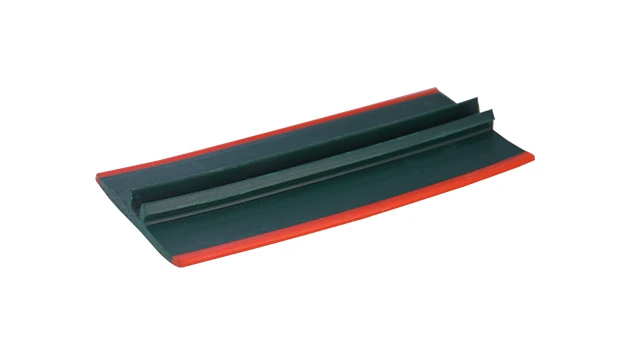
The tread strip fits into a T-slot channel and provides an anti-slip ribbed surface. It has a key pad that presses into a T-slot and is commonly used for adding traction on steps or as padding for doors. Tread strip can be ordered by rolls. The high quali
In the high-stakes world of automotive manufacturing, where precision is measured in millimeters and efficiency is the lifeblood of production, every component of the assembly line plays a critical role. From robotic arms that weld frames to conveyor belts that transport parts, each element is designed to contribute to the creation of reliable, high-quality vehicles. Yet, among these technological marvels, there's an unsung hero that often goes unnoticed: the workbench. These sturdy, unassuming surfaces are where technicians assemble intricate components—wiring harnesses, sensor modules, brake calipers, and dashboard panels—turning raw parts into functional systems. And while the workbench itself is a feat of engineering, it's the small, thoughtful additions that truly elevate its performance. One such addition, quietly transforming automotive assembly workbenches, is the aluminum profile rubber strip.
At first glance, a rubber strip might seem like a trivial detail. But in the fast-paced, high-pressure environment of an automotive plant, even the smallest component can have a ripple effect on productivity, quality, and worker satisfaction. Aluminum profile rubber strips, designed to complement the aluminum extrusions that form modern workbenches, address specific challenges that bare metal alone cannot solve. They dampen vibrations that threaten precision, muffle noise that strains concentration, protect delicate parts from scratches, and enhance safety for the technicians who rely on these workspaces daily. In short, they turn good workbenches into great ones—ones that don't just support assembly, but actively improve it.
The Backbone: Aluminum Profiles in Modern Workbenches
To understand the role of aluminum profile rubber strips, we first need to appreciate the backbone they enhance: aluminum profiles. Gone are the days of heavy, immovable workbenches made of solid steel. Today's automotive plants demand flexibility—lines that can reconfigure for new models, workstations that adapt to changing tasks, and surfaces that balance strength with versatility. Aluminum profiles deliver on all these fronts, and more.
Aluminum, by nature, is a material of contradictions: lightweight yet surprisingly strong, malleable yet resistant to corrosion. When extruded into profiles—long, uniform shapes with precision-engineered cross-sections—these properties shine. Automotive workbenches built with aluminum profiles are easy to and reconfigure, yet sturdy enough to support heavy tools, power equipment, and stacks of parts. The secret to their adaptability lies in their design, particularly the T-slots that run along their length. These slots allow for the quick attachment of accessories—shelves, tool hooks, lighting, and yes, rubber strips—turning a basic extrusion into a customized workspace.
But aluminum profiles don't work in isolation. They rely on a ecosystem of aluminum profile accessories to unlock their full potential. Brackets connect profiles at angles, creating stable frames; panels add work surfaces or storage; casters make benches mobile. Each accessory serves a purpose, but none address the tactile, sensory, and protective needs of the assembly process quite like the rubber strip. It's the final layer that turns a rigid, functional structure into a workspace that feels intentional, thoughtful, and attuned to the realities of hands-on automotive assembly.
Enter the Aluminum Profile Rubber Strip: Small in Size, Big in Purpose
An aluminum profile rubber strip is exactly what it sounds like: a strip of rubber, often extruded or molded into specific shapes, designed to fit seamlessly with aluminum profiles. But don't let its simplicity fool you. These strips are engineered with precision, using materials and designs tailored to the unique demands of automotive manufacturing. Most are made from durable elastomers like EPDM (ethylene propylene diene monomer), silicone, or PVC, chosen for their resistance to heat, chemicals, and wear—all common in factory environments. Some are infused with additives: carbon black for conductivity, fiberglass for reinforcement, or anti-microbial agents for hygiene-critical areas.
The design of the rubber strip varies based on its intended use. T-slot rubber seal covers, for example, have a T-shaped cross-section that snaps into the T-slots of aluminum profiles, sealing them against dust, debris, and moisture. Edge trim strips feature a U-shaped design with internal gripping lips, wrapping around the sharp edges of aluminum profiles to prevent scratches. Conductive rubber strips, used in sensitive electronics assembly, contain embedded carbon particles that dissipate static electricity. Vibration-dampening strips are thicker and more flexible, acting as shock absorbers for tools and parts. Each design is a solution to a specific problem—and together, they transform the workbench from a passive surface into an active participant in the assembly process.

Core Functions of Rubber Strips in Automotive Workbenches
In automotive assembly, precision is non-negotiable. A misaligned sensor can cause a vehicle to fail emissions tests; a scratched wiring harness can lead to electrical shorts; a loose connector can compromise safety systems. Aluminum profile rubber strips contribute to this precision in ways both obvious and subtle. Let's break down their key functions:
Vibration Dampening: Keeping Precision in Check
Automotive assembly lines are noisy, dynamic places. Power tools hum, conveyor belts rattle, and robots cycle with mechanical precision—all generating vibrations that travel through the floor, the workbench legs, and finally, the work surface. For technicians assembling small components—like soldering tiny wires to a circuit board or aligning a 2mm sensor pin—these vibrations are enemy number one. Even a tremor can throw off alignment, leading to rework, scrap, or worse, faulty parts.
Aluminum profile rubber strips act as a buffer. When placed along the edges of workbenches, under tool mounts, or beneath part-holding fixtures, their elastic properties absorb and dissipate vibrational energy. Think of them as miniature shock absorbers: when a vibration hits, the rubber compresses and stretches, converting mechanical energy into heat (which is harmlessly dispersed). The result? A more stable work surface where technicians can work with confidence, knowing that their hands—and their tools—aren't being thrown off by unseen tremors. In one case study, a manufacturer of fuel injection systems reported a 22% reduction in assembly errors after adding vibration-dampening rubber strips to their workbenches, attributing the improvement to "steadier hands and sharper focus."
Noise Reduction: Creating a Calmer Work Environment
Noise isn't just a nuisance in automotive plants—it's a productivity killer. Persistent loud noise (above 85 decibels, the OSHA threshold for hearing protection) can cause fatigue, reduce concentration, and increase the risk of errors. Unfortunately, workbenches are often sources of noise: metal tools clanging against aluminum surfaces, parts sliding across bare metal, and components being dropped during assembly. Over an 8-hour shift, this constant clamor takes a toll.
Rubber strips muffle these sounds by absorbing impact. When a wrench is set down on a rubber-lined workbench, the rubber absorbs the shock of the impact, reducing the noise by 10–15 decibels compared to bare metal (measured using a sound level meter). Edge trim strips, which cover sharp aluminum edges, prevent the high-pitched "scrape" of parts being dragged across the bench. Even T-slot seal covers help, by eliminating the rattling of small debris (like screws or washers) that fall into open T-slots. The result is a quieter workspace where technicians can communicate more easily, focus better, and feel less drained at the end of the day. As one plant manager put it: "We didn't realize how much noise we were tuning out until we added the rubber strips. Now, the line feels calmer, and people aren't going home with ringing ears."
Protection: Safeguarding Parts and Profiles
Automotive parts are expensive—and delicate. A scratch on a dashboard panel, a dent in a chrome trim piece, or a nick in a wiring harness insulation can render a part unusable, leading to scrap, rework, and delays. Similarly, aluminum profiles, while durable, are prone to scuffs and dents from heavy tools and repeated use. Replacing or repairing damaged profiles is costly and time-consuming, disrupting production schedules.
Aluminum profile rubber strips act as a protective barrier. Edge trim strips, for example, wrap around the sharp edges of workbenches, creating a soft cushion that prevents parts from being scratched when they're set down or moved. Anti-slip rubber mats on work surfaces keep parts from sliding and colliding, reducing the risk of dents. Even T-slot seal covers play a role, by keeping dust and debris out of the profile's slots—debris that, over time, can wear down the aluminum or jam accessories like brackets and shelves. For high-value parts like infotainment screens or precision sensors, this protection is invaluable. One luxury car manufacturer estimated that adding rubber strips reduced their "cosmetic scrap" (parts damaged by handling) by 35%, saving tens of thousands of dollars annually.
ESD Workstation Support: Protecting Sensitive Electronics
Modern vehicles are rolling computers, packed with electronics: ECUs (engine control units), ADAS (advanced driver-assistance systems) sensors, touchscreens, and battery management systems. These components are highly sensitive to electrostatic discharge (ESD)—a sudden flow of electricity between two objects caused by static buildup. A single ESD event, even one too small to feel, can fry a microchip, rendering a $500 sensor useless. For this reason, automotive plants rely on ESD workstations—specialized workbenches designed to dissipate static electricity safely.
Aluminum profile rubber strips play a critical role in these ESD workstations. Conductive rubber strips, infused with carbon black or metal particles, create a path for static charges to flow from the work surface to the ground, neutralizing them before they can damage components. These strips are often paired with ESD mats and grounded tools, forming a comprehensive static-protection system. In one electric vehicle (EV) battery assembly plant, conductive rubber strips along the edges of workbenches and in T-slots reduced ESD-related failures by 40%, ensuring that sensitive battery management modules reached customers intact.
Ergonomic Enhancement: Prioritizing Worker Wellbeing
A workbench isn't just a tool for assembly—it's a workspace where technicians spend 8–10 hours a day, performing repetitive tasks that strain muscles, joints, and focus. Ergonomics—the science of designing workspaces for comfort and efficiency—is critical to preventing fatigue, reducing injuries, and maintaining productivity. Aluminum profile rubber strips contribute to ergonomics in ways that might seem small, but add up over a shift.
Edge trim strips, for example, round off sharp aluminum edges, eliminating the risk of cuts or abrasions when technicians lean against the bench or reach across it. Anti-slip rubber surfaces on tool trays or workbench edges provide better grip, reducing the chance of tools slipping and causing hand strain or falls. Even the slight cushioning of rubber under elbows or forearms can reduce pressure points, making long hours of assembly less tiring. As one technician noted: "I used to go home with a sore wrist from leaning on the metal edge all day. Now, with the rubber strip, it's like resting on a pillow. I can focus on my work, not my discomfort."

Types of Aluminum Profile Rubber Strips: A Guide to Choosing the Right One
Not all rubber strips are created equal. Just as automotive assembly tasks vary—from assembling delicate electronics to heavy-duty mechanical work—so too do the needs of workbenches. Manufacturers offer a range of aluminum profile rubber strips, each designed for specific applications. Below is a breakdown of the most common types, their materials, and their uses in automotive settings:
| Type of Rubber Strip | Common Materials | Design Feature | Primary Use in Automotive Workbenches | Key Benefit |
|---|---|---|---|---|
| T-slot Rubber Seal Cover | EPDM, Silicone | T-shaped cross-section; snaps into T-slots of aluminum profiles | Sealing open T-slots to prevent dust, debris, and moisture buildup | Maintains profile integrity; prevents jamming of accessories like brackets and shelves |
| Edge Trim Rubber Strip | PVC, EPDM | U-shaped with internal gripping lips; wraps around profile edges | Covering sharp aluminum edges to protect parts and workers | Reduces scrap from scratched parts; minimizes risk of cuts/abrasions |
| Conductive Rubber Strip | EPDM with carbon black, Silicone with metal particles | Flexible, with embedded conductive additives | ESD workstation surfaces; static dissipation for electronics assembly | Protects sensitive components from electrostatic discharge damage |
| Vibration-Dampening Strip | Neoprene, Silicone | Thick (3–10mm), high elasticity, dense foam core | Under tool mounts, part holders, and workbench legs | Reduces vibration transfer by 30–50%; improves assembly precision |
| Anti-Slip Rubber Mat Strip | Nitrile Rubber, Natural Rubber | Textured surface (ribbed or dotted), adhesive backing | Workbench tops, tool trays, and part storage areas | Prevents tools/parts from sliding; reduces accidents and scrap |
Choosing the right strip depends on the task at hand. For example, a workstation assembling ADAS sensors would prioritize conductive rubber strips to prevent ESD, while a bench used for heavy tool storage might opt for anti-slip mats to keep wrenches and drills in place. Many workbenches use a combination of strips—edge trim for safety, T-slot covers for protection, and vibration-dampening strips for precision—to create a truly optimized workspace.
Installation & Maintenance: Simple Solutions for Busy Plants
In automotive manufacturing, downtime is the enemy. Any component that requires complex installation or frequent maintenance is likely to be overlooked, no matter how beneficial. Fortunately, aluminum profile rubber strips are designed with ease of use in mind. Most are installed without tools, in a matter of seconds, and require minimal upkeep—making them a practical choice for busy plants.
Installation is straightforward: T-slot seal covers simply snap into the T-slots of aluminum profiles, held in place by friction. Edge trim strips slide over the edges of profiles, with their internal gripping lips clamping down securely. Anti-slip mats and conductive strips often come with adhesive backing, allowing for easy placement on work surfaces. Even for larger or more specialized strips, no drilling, welding, or complicated fasteners are needed. This tool-free design means technicians or maintenance staff can install or replace strips during shift changes or short breaks, without disrupting production.
Maintenance is equally hassle-free. Rubber strips are resistant to oils, greases, and most factory chemicals, so they can be cleaned with a damp cloth or mild detergent. EPDM and silicone strips are UV-resistant, so they won't degrade if exposed to overhead lighting or natural light. Over time, if a strip becomes worn or damaged—say, a conductive strip loses its static-dissipating properties—it can be replaced quickly and inexpensively. This low-maintenance nature ensures that workbenches stay optimized, with minimal effort from plant staff.
Integration with Lean Systems: Reducing Waste, Boosting Efficiency
Lean manufacturing—the philosophy of eliminating waste and maximizing value—is the cornerstone of modern automotive production. From Toyota's original "lean system" to today's digital lean initiatives, the goal is simple: do more with less. Aluminum profile rubber strips align perfectly with this ethos, by addressing several key sources of waste in assembly processes.
First, they reduce scrap waste. By protecting parts from scratches, dents, and ESD damage, rubber strips mean fewer parts are discarded or reworked—saving materials, time, and labor. Second, they minimize downtime. Quieter, more comfortable workbenches reduce worker fatigue, leading to fewer breaks and higher productivity. Vibration-dampened surfaces reduce errors, cutting down on the time spent fixing mistakes. Third, they extend the life of workbenches and tools. By protecting aluminum profiles from wear and tear, rubber strips delay the need for replacement, while shock-absorbing strips reduce tool damage. In short, they help plants get more value from their existing resources—exactly what lean manufacturing is all about.
One automotive supplier, after implementing rubber strips across their assembly line, reported a 12% improvement in overall equipment effectiveness (OEE)—a key lean metric—attributing the gain to reduced scrap, fewer errors, and higher worker engagement. "Lean is about looking for waste in every corner," said the plant's lean coordinator. "The rubber strips didn't just fix a problem—they turned a hidden waste stream into a source of value."
Conclusion: The Small Component with a Big Impact
In the grand narrative of automotive manufacturing, aluminum profile rubber strips may not get top billing. They won't appear in press releases or trade show displays, and they won't be the star of factory tours. But for the technicians who assemble vehicles, the engineers who design workspaces, and the managers who strive for efficiency, they are indispensable. They are a testament to the power of thoughtful engineering—the idea that even the smallest component, when designed with purpose, can have a profound impact on quality, productivity, and people.
As automotive manufacturing continues to evolve—toward electric vehicles, autonomous driving, and more complex electronics—the demands on assembly workbenches will only grow. Precision will matter more, safety standards will rise, and the need for flexibility will intensify. Aluminum profile rubber strips, with their ability to adapt to these changing needs, will remain a critical tool in the quest to build better vehicles. They are proof that in the world of automotive manufacturing, sometimes the most important innovations are the ones you can't see—until you realize you can't live without them.