- Company Articles
- Products and Technology
- Product knowledge
- Aluminum Profile Rubber Strip Uses in Computer Peripheral Assembly Lines

Aluminum Profile Rubber Strip Uses in Computer Peripheral Assembly Lines
Related Product
Aluminum Profile Rubber Strip
The tread strip fits into a T-slot channel and provides an anti-slip ribbed surface. It has a key pad that presses into a T-slot and is commonly used for adding traction on steps or as padding for doors. Tread strip can be ordered by rolls. The high quali
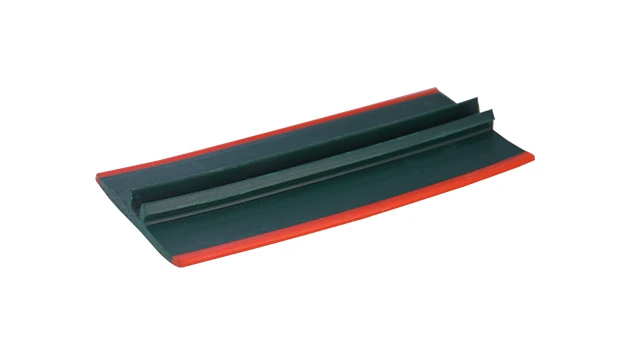
In the bustling world of manufacturing, where every second counts and precision is non-negotiable, computer peripheral assembly lines stand out as a testament to human ingenuity and technological advancement. From the sleek keyboards that grace our desks to the ergonomic mice that glide across mousepads, and the monitors that bring digital worlds to life, these devices rely on assembly lines that blend speed, accuracy, and reliability. Yet, for all the attention given to high-tech machinery and automated robots, some of the most critical components in these lines are the smallest and quietest: aluminum profile rubber strips. These unassuming strips play a pivotal role in ensuring smooth operations, protecting delicate parts, and maintaining the efficiency that modern production demands. Let's dive into their world—how they work, why they matter, and the many ways they keep computer peripheral assembly lines running like well-oiled machines.
Aluminum Extrusion Profiles: The Backbone of Modern Assembly Lines
Before we can fully appreciate the role of rubber strips, we need to understand the foundation they're built upon: aluminum extrusion profiles. These profiles are the unsung heroes of manufacturing, serving as the structural backbone for everything from workbenches and conveyor frames to material racks and flow racks. So, what makes aluminum extrusion profiles so indispensable?
Aluminum extrusion is a process where raw aluminum is heated to a malleable state and then pushed through a custom die, shaping it into long, uniform profiles with specific cross-sections. The result? Lightweight yet incredibly strong structures that can be tailored to fit almost any need. Unlike steel, aluminum resists corrosion, reducing maintenance costs, and its natural conductivity makes it suitable for applications where heat dissipation matters—critical in electronics manufacturing. But perhaps most importantly, aluminum extrusion profiles often feature T-slots or grooves along their length. These slots allow for easy attachment of accessories, from brackets and shelves to, you guessed it, rubber strips. This flexibility is a cornerstone of lean system principles, enabling assembly lines to be reconfigured quickly, adapt to new product designs, and minimize waste—all hallmarks of efficient, modern manufacturing.
In computer peripheral assembly, where lines must handle small, delicate components (think microchips, plastic casings, and thin wires), aluminum profiles shine. They provide stable, customizable work surfaces via workbenches built from these profiles, and their modularity means that as production needs change—say, shifting from assembling wireless mice to gaming keyboards—the line can be adjusted without overhauling the entire structure. This adaptability is key in an industry where product lifecycles are short and consumer demands evolve rapidly.
The Unsung Hero: Aluminum Profile Rubber Strips
If aluminum extrusion profiles are the backbone, then aluminum profile rubber strips are the "nerve endings"—sensing, protecting, and enhancing the functionality of the structure. At first glance, these strips might seem like simple pieces of rubber, but their design and material composition are carefully engineered to address specific challenges in assembly line environments. Let's break down what they are and why they're so vital.
Aluminum profile rubber strips are narrow, flexible strips made from elastomeric materials like EPDM (ethylene propylene diene monomer), silicone, PVC (polyvinyl chloride), or neoprene. They're typically designed to fit snugly into the T-slots or along the edges of aluminum profiles, where they perform a range of tasks: sealing gaps, cushioning impacts, reducing noise, guiding materials, and preventing scratches. What makes them so effective is their ability to combine durability with elasticity—they can compress, stretch, and return to their original shape, even after repeated use, ensuring long-lasting performance in high-traffic production areas.
Consider this: in a keyboard assembly line, workers repeatedly place plastic keycap frames onto workbenches. Without a rubber strip along the edge of the aluminum profile workbench, the hard metal edge could scratch or chip the plastic frames, leading to defects and rework. A soft, shock-absorbing rubber strip acts as a buffer, protecting the frames and reducing waste. Similarly, on conveyor belts made from aluminum profiles, rubber strips line the edges to keep small components from slipping off or getting caught in gaps—saving time and preventing lost parts. These are just a few examples of how rubber strips turn a functional aluminum structure into a smart, worker-friendly, and defect-reducing system.

Key Uses of Aluminum Profile Rubber Strips in Assembly Lines
1. Sealing and Dust Prevention: Keeping Contaminants at Bay
In electronics manufacturing, even the tiniest speck of dust can spell disaster. Computer peripherals, which often contain sensitive PCBs (printed circuit boards) and microchips, are particularly vulnerable to dust and debris. A single particle can interfere with electrical connections, cause short circuits, or ruin the finish of a product. This is where rubber strips step in as sealants. When installed along the gaps between aluminum profile components—such as between a workbench top and its frame, or around the edges of a conveyor cover—rubber strips create a tight barrier that blocks dust, dirt, and even small liquids from entering critical areas.
EPDM rubber strips are a popular choice for this task. Known for their excellent weather resistance and durability, EPDM strips can withstand the constant vibrations of assembly line equipment and maintain their sealing properties over time. In environments where temperature fluctuations are common, such as near heat-sealing machines or cooling fans, EPDM's wide temperature range (-40°C to 120°C) ensures it won't crack or degrade. The result? Cleaner workspaces, fewer defects, and higher-quality peripherals that meet strict industry standards.
2. Cushioning and Impact Absorption: Protecting Delicate Parts
Assembly lines are dynamic places, with parts moving, workers handling components, and machinery operating around the clock. All this activity means there's plenty of potential for accidental impacts—whether a worker bumps a plastic monitor bezel against a workbench edge or a tray of mouse sensors is placed too roughly on a flow rack. Aluminum profiles, while strong, are hard and unforgiving; a direct impact can scratch, dent, or even break delicate parts. Rubber strips act as a (cushion), absorbing the force of these impacts and protecting both the products and the aluminum structures themselves.
Silicone rubber strips are ideal for cushioning applications, especially in areas where heat is a factor. With a temperature range of -60°C to 200°C, silicone remains flexible even in high-heat zones, such as near soldering stations or curing ovens. For example, in a monitor assembly line, where glass screens are moved along aluminum profile conveyors, silicone strips line the conveyor rails to prevent the glass from chipping or cracking during transport. The strips compress slightly as the screens pass, reducing friction and absorbing shocks. This not only cuts down on product damage but also reduces the need for rework—saving time and money in the long run.
3. Noise Reduction: Creating a Calmer Work Environment
Manufacturing plants are rarely quiet, but excessive noise can take a toll on worker morale, focus, and even hearing. The clatter of metal parts hitting aluminum profiles, the squeak of conveyors, and the constant tapping of tools against hard surfaces can create a chaotic soundscape that distracts workers and increases stress. Rubber strips help turn down the volume by dampening vibrations and absorbing sound.
When metal components come into contact with aluminum profiles, the hard surfaces vibrate, amplifying noise. Rubber strips, with their elastic properties, absorb these vibrations instead of letting them bounce back as sound waves. For example, on roller tracks—used to slide parts between workstations—rubber strips between the aluminum track and the supporting profile reduce the "rattle" of rollers as they spin. Similarly, on workbenches, rubber strips under equipment like screwdrivers or soldering irons muffle the sound of tools being set down. Over time, this creates a quieter, more pleasant workspace where workers can communicate better, focus harder, and stay productive—all of which contribute to higher-quality output.
4. Material Guiding: Keeping Parts on Track
In fast-paced assembly lines, materials and components need to move quickly and predictably from one station to the next. Whether it's a tray of keyboard PCBs sliding down a flow rack or a batch of mouse casings moving along a roller conveyor, any deviation from the intended path can cause jams, delays, or damaged parts. Rubber strips solve this problem by acting as guides, keeping materials aligned and on track.
PVC rubber strips are often used for guiding applications, thanks to their rigidity and cost-effectiveness. With a higher hardness rating (70-80 Shore A), PVC strips hold their shape well, providing a firm edge that directs materials along a specific path. For example, on an aluminum profile roller track, yellow or grey plastic roller track guide rails (a type of rubberized guide) line the sides, ensuring that trays don't veer off course. In some cases, dual-color strips (like yellow and grey) are used to mark different zones or prioritize certain materials, making it easier for workers to sort and process parts quickly. This level of organization is critical in lean systems, where minimizing bottlenecks and maximizing flow are top priorities.
5. Anti-Slip and Stability: Keeping Tools and Parts Secure
Workbenches in computer peripheral assembly lines are often cluttered with tools, components, and (semi-finished products). A slippery surface can cause tools to slide off, parts to roll away, or even workers to lose their grip—all of which increase the risk of accidents and defects. Rubber strips, with their textured surfaces and high friction, provide anti-slip properties that keep items in place.
Neoprene rubber strips are a great choice here. Known for their excellent grip and resistance to oils and chemicals, neoprene strips are often used to line workbench surfaces or create non-slip mats for tools. For example, a section of neoprene strip along the edge of a workbench where workers place screwdrivers and tweezers ensures these tools don't slide onto the floor during busy shifts. Similarly, on aluminum profile material racks, rubber strips under stacked boxes prevent them from shifting or toppling over, even when the rack is bumped. This stability not only reduces accidents but also saves time—workers spend less time retrieving fallen tools and more time assembling products.

A Closer Look: Types of Aluminum Profile Rubber Strips
Not all rubber strips are created equal. Depending on the task at hand—whether sealing, cushioning, guiding, or reducing noise—manufacturers choose from a range of materials and designs. Below is a breakdown of common types, their properties, and where they're most useful in computer peripheral assembly lines.
| Rubber Strip Type | Material | Hardness (Shore A) | Temperature Range | Key Properties | Common Applications in Assembly Lines |
|---|---|---|---|---|---|
| EPDM Sealing Strip | EPDM Rubber | 60-70 | -40°C to 120°C | Weather-resistant, excellent sealing, durable | Workbench frame gaps, conveyor covers, dust barriers |
| Silicone Cushion Strip | Silicone | 50-60 | -60°C to 200°C | High heat resistance, flexible, non-toxic | Heat-sealing stations, glass component handling, high-temperature zones |
| PVC Guide Strip | PVC | 70-80 | -10°C to 60°C | Rigid, cost-effective, good dimensional stability | Roller track guides, material alignment on conveyors |
| Neoprene Anti-Vibration Strip | Neoprene | 55-65 | -30°C to 100°C | Oil-resistant, good grip, anti-vibration | Equipment mounting, tool mats, non-slip workbench surfaces |
| Silicone Conductive Strip | Conductive Silicone | 60-70 | -50°C to 180°C | Static-dissipative, protects sensitive electronics | ESD workstations, PCB handling areas |
Installation and Maintenance: Ensuring Long-Lasting Performance
To get the most out of aluminum profile rubber strips, proper installation and maintenance are key. Fortunately, installing these strips is relatively straightforward, thanks to the T-slots in aluminum extrusion profiles. Most strips are designed to press-fit into these slots, requiring no special tools—just a firm push or a gentle tap with a rubber mallet to ensure a snug fit. For added security, some strips come with adhesive backing; after cleaning the aluminum surface with alcohol to remove dirt and oil, the strip can be peeled and stuck into place, creating a permanent bond.
Maintenance, too, is minimal but important. Over time, rubber strips can accumulate dirt, oil, or debris, which can reduce their effectiveness (for example, a dirty anti-slip strip may lose its grip). Regular cleaning with a damp cloth or mild detergent keeps them in top shape. It's also important to inspect strips periodically for signs of wear: cracks, tears, or hardening (which indicates degradation). In high-traffic areas, like conveyor guides or workbench edges, strips may need to be replaced every 6-12 months, depending on usage. Catching worn strips early prevents sudden failures that could lead to defects or downtime.
Real-World Impact: Case Study of a Keyboard Assembly Line
To put all this into perspective, let's look at a real-world example: a mid-sized manufacturer of mechanical keyboards that upgraded its assembly line with aluminum profiles and rubber strips. Before the upgrade, the line relied on wooden workbenches and steel conveyors, which were prone to splintering, rusting, and damaging keycap frames. Defect rates were high (around 8%), and workers often complained about noise and discomfort.
The manufacturer switched to aluminum extrusion profiles for workbenches and conveyors, paired with EPDM sealing strips, silicone cushion strips, and PVC guide strips. The results were striking: defect rates dropped to 2% as keycap frames were no longer scratched by metal edges, and dust-related PCB failures decreased by 90% thanks to better sealing. Noise levels fell by 15 decibels, making the line quieter and reducing worker fatigue. Additionally, the modular aluminum profiles allowed the line to be reconfigured in just a day when the company launched a new keyboard model—something that would have taken a week with the old steel setup. The investment in rubber strips, though small compared to the cost of the profiles themselves, was credited with much of this success.
Challenges and Innovations in Rubber Strip Design
While aluminum profile rubber strips are highly effective, they're not without challenges. One common issue is compatibility: with so many aluminum profile sizes and T-slot designs (e.g., 2020, 3030, 4040 profiles), finding a rubber strip that fits perfectly can be tricky. To address this, suppliers now offer customizable strips, cut to length and shaped to match specific profile dimensions. Some even provide sample kits, allowing manufacturers to test strips before ordering in bulk.
Another challenge is chemical resistance. In assembly lines that use solvents or cleaning agents, standard rubber strips may degrade over time. Innovations here include chemical-resistant blends, such as Viton rubber strips, which can withstand harsh chemicals like oils, acids, and fuels. For electronics manufacturing, where ESD (electrostatic discharge) is a concern, conductive rubber strips are gaining popularity. These strips dissipate static electricity, protecting sensitive components from damage during assembly.
Future Trends: Where Rubber Strips Are Headed
As computer peripheral assembly lines become more automated and connected (think Industry 4.0), rubber strips are evolving to keep up. One emerging trend is the integration of smart materials, such as rubber strips embedded with sensors that monitor wear and tear. These "smart strips" can send alerts to maintenance teams when they need replacement, reducing unplanned downtime. Another trend is sustainability: manufacturers are developing biodegradable rubber strips made from plant-based materials, aligning with the growing demand for eco-friendly production practices.
Additionally, as assembly lines become more compact, rubber strips are being designed to save space. Low-profile strips, which take up less T-slot space, allow for more accessories to be mounted on aluminum profiles—ideal for tight workstations. And with the rise of collaborative robots (cobots) working alongside humans, rubber strips with enhanced grip and shock absorption are being used to create safer human-robot interaction zones, preventing injuries if a cobot accidentally bumps into a worker.
Conclusion: Small Strips, Big Impact
In the grand scheme of computer peripheral manufacturing, aluminum profile rubber strips may seem. They're not flashy like robots, or as glamorous as the finished products they help create. But as we've explored, their impact is undeniable. From protecting delicate parts and reducing defects to improving worker comfort and enabling lean system flexibility, these strips are essential to the smooth, efficient operation of assembly lines.
The next time you type on a keyboard or click a mouse, take a moment to appreciate the unseen work happening behind the scenes. Chances are, somewhere in that product's journey from raw materials to your desk, an aluminum profile rubber strip played a role in ensuring it arrived in perfect condition. In manufacturing, as in life, it's often the smallest details that make the biggest difference.