- Company Articles
- Products and Technology
- Product knowledge
- Aluminum Profile Rubber Strip vs Neoprene Gasket: Which Is Better for Moisture Resistance?

Aluminum Profile Rubber Strip vs Neoprene Gasket: Which Is Better for Moisture Resistance?
Related Product
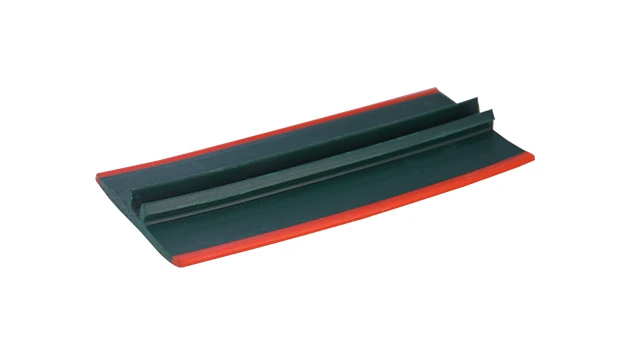
Aluminum Profile Rubber Strip
The tread strip fits into a T-slot channel and provides an anti-slip ribbed surface. It has a key pad that presses into a T-slot and is commonly used for adding traction on steps or as padding for doors. Tread strip can be ordered by rolls. The high quali
Walk into any busy factory, warehouse, or production facility, and you'll notice one thing right away: aluminum extrusion profiles are everywhere. They form the backbone of workbenches, material racks, conveyor systems, and even custom machinery. But what keeps these hardworking structures from succumbing to the daily threats of moisture, spills, and humidity? Often, it's the small, unassuming components—the aluminum profile accessories like rubber strips and neoprene gaskets—that do the heavy lifting. Today, we're diving into these two moisture-fighting heroes to help you decide which one deserves a spot in your next project.
First Things First: Why Moisture Resistance Matters
Moisture might seem like a minor annoyance, but in industrial settings, it's a silent saboteur. A spilled cleaning solution on a workbench, condensation from HVAC systems dripping onto a conveyor, or even high humidity in a coastal factory can lead to:
- Rust and corrosion on metal components, weakening aluminum profiles over time.
- Slippery surfaces that risk worker injuries or product damage.
- Electrical malfunctions if moisture seeps into control panels or wiring housed in aluminum enclosures.
- Mold growth on wooden or composite workbench tops, compromising hygiene (critical in food or pharmaceutical settings).
- Warped or degraded materials, from cardboard boxes on a material rack to sensitive electronics on an assembly line.
That's where sealing solutions come in. Aluminum profile rubber strips and neoprene gaskets act as barriers, keeping moisture out of gaps, joints, and crevices. But they're not one-size-fits-all—and choosing the wrong one could leave your setup vulnerable.
Meet the Contenders: Aluminum Profile Rubber Strip
If aluminum extrusion profiles are the "bones" of your setup, rubber strips are the "skin" that covers the gaps. These flexible, often T-slot compatible strips are designed to fit snugly into the grooves of aluminum profiles, creating a tight seal against moisture, dust, and even noise. Let's break down their key traits:
What Are They Made Of?
Most aluminum profile rubber strips are crafted from EPDM (ethylene propylene diene monomer) rubber, silicone, or nitrile. EPDM is the workhorse here—it's affordable, flexible, and resistant to water, UV rays, and general wear. Silicone versions step up when high temperatures are a concern (think near ovens or heat-treated parts), while nitrile excels with oil or chemical resistance (useful in automotive or machinery shops).
How Do They Work?
Imagine the T-slot on an aluminum profile—the long, narrow groove that lets you attach accessories like brackets or panels. Rubber strips are often pre-cut to fit these slots perfectly. Some are adhesive-backed for extra grip, while others rely on friction to stay in place. When installed, they compress slightly, filling the gap between two surfaces (like a workbench top and its aluminum frame) or along the edge of a conveyor rail, blocking water from seeping through.
Real-Life Example:
A electronics manufacturer in Oregon uses aluminum profile workbenches for assembling circuit boards. Their biggest moisture risk? Spilled isopropyl alcohol during cleaning. They opted for EPDM rubber strips in the T-slots along the bench edges. The strips create a lip that catches spills, directing them into a drainage channel instead of letting them drip onto the aluminum frame below. "We used to see minor corrosion on the bench legs every few months," says their facility manager. "Now? Nothing. The strips pay for themselves in reduced maintenance alone."

The Challenger: Neoprene Gaskets
Neoprene gaskets are the heavyweights of the sealing world. Made from synthetic rubber (polychloroprene), they're thicker, more rigid, and built to handle tough conditions. Unlike rubber strips, which are often long and narrow for T-slots, neoprene gaskets come in sheets, rolls, or custom shapes, designed to seal larger gaps or uneven surfaces.
What Makes Neoprene Stand Out?
Neoprene's claim to fame is its versatility. It laughs off oil, grease, gasoline, and most industrial cleaning chemicals—something EPDM rubber can struggle with. It also handles temperature extremes better than standard rubber, staying flexible in freezing cold or sweltering heat (think warehouses without climate control or outdoor installations). And when it comes to compression? Neoprene gaskets bounce back. Even after years of being squeezed between two metal surfaces (like the door of an aluminum profile enclosure), they maintain their shape, keeping that moisture seal intact.
Installation: A Bit More Hands-On
Neoprene gaskets aren't always T-slot friendly—they're better suited for flat, mating surfaces. Installing them usually means cutting the gasket to size, applying adhesive (like contact cement), or using mechanical fasteners (screws or clips) to hold them in place. It's a bit more labor-intensive than snapping a rubber strip into a T-slot, but the payoff is a seal that can withstand heavy pressure and frequent exposure to water.
Real-Life Example:
A food processing plant in Florida uses aluminum profile material racks to store frozen dough. The cold storage area is kept at 35°F, while the loading dock outside regularly hits 90°F with 80% humidity—prime conditions for condensation. They installed neoprene gaskets between the aluminum profile shelves and the rack uprights. "The gaskets act like a sponge," explains their maintenance supervisor. "They absorb the condensation that forms when cold metal meets warm air, preventing it from dripping onto the dough below. We've tried rubber strips here before, but they cracked in the cold. Neoprene? It's been going strong for two years."

Head-to-Head: Comparing the Two for Moisture Resistance
Now that we know what each does, let's pit them against each other in key categories. This table will help you see how they stack up:
| Feature | Aluminum Profile Rubber Strip | Neoprene Gasket |
|---|---|---|
| Primary Use Case | Sealing T-slots in aluminum profiles; narrow gaps (1-5mm); light to moderate moisture exposure. | Sealing large gaps (5mm+); uneven surfaces; heavy moisture, oil, or chemical exposure. |
| Moisture Resistance Level | Good for incidental spills, light rain, or low humidity. EPDM resists water well; silicone better for steam. | Excellent for continuous water exposure, high humidity, or submersion (short-term). Repels water and resists absorption. |
| Temperature Range | EPDM: -40°F to 250°F (-40°C to 121°C); Silicone: -60°F to 450°F (-51°C to 232°C). | -50°F to 250°F (-46°C to 121°C) (standard neoprene); can go higher with specialized blends. |
| Installation Ease | Very easy: Snaps into T-slots; adhesive-backed options for quick fixes. No tools needed in most cases. | Moderate: Requires cutting, adhesive, or fasteners. Best installed by someone with basic DIY skills. |
| Durability | 3-5 years in indoor, low-stress environments; shorter if exposed to UV, oil, or extreme temps. | 5-7 years in harsh environments (cold, heat, chemicals); resists cracking, tearing, and compression set. |
| Cost | Budget-friendly: $0.50-$2 per linear foot (depending on material and width). | Mid-range: $2-$5 per linear foot (thicker gaskets or specialized blends cost more). |
| Best For | Workbenches, office partitions, light-duty conveyors, indoor storage racks. | Food processing, cold storage, outdoor enclosures, chemical plants, heavy machinery. |
When to Choose Rubber Strips (and When to Skip Them)
Rubber strips shine in scenarios where simplicity and speed matter most. If you're building a basic aluminum profile workbench in a dry, climate-controlled factory, or need to seal the edges of a conveyor rail to keep dust and light spills at bay, they're the way to go. They're also ideal for projects where you might need to remove or replace the seal later—snapping a rubber strip out of a T-slot is infinitely easier than prying off a glued-down neoprene gasket.
But rubber strips have limits. Avoid them in:
- Outdoor settings (UV rays degrade EPDM over time).
- Areas with frequent oil or chemical spills (nitrile rubber works here, but standard EPDM does not).
- Extreme temperatures (below -40°F or above 250°F).
- Large gaps (over 5mm)—rubber strips are too thin to fill them effectively.
When to Choose Neoprene Gaskets (and When to Think Twice)
Neoprene gaskets are your best bet when moisture resistance is non-negotiable. If your aluminum extrusion profile setup will be exposed to rain, heavy cleaning (pressure washers, steam), or high humidity, neoprene's ability to repel water and resist absorption makes it worth the extra effort. They're also a no-brainer in industrial kitchens, car washes, or marine facilities where chemicals and saltwater are part of the daily grind.
That said, neoprene isn't perfect. Skip it if:
- You need a quick, tool-free installation (rubber strips are faster).
- Your budget is tight (neoprene costs 2-3x more than basic rubber strips).
- You're sealing T-slots (neoprene is too thick to fit most standard T-slot grooves).
Pro Tip: Ask Your Aluminum Profile Supplier for Guidance
Still on the fence? Your aluminum profile supplier is more than just a place to buy materials—they're a wealth of knowledge. Most suppliers have worked with hundreds of clients facing similar moisture challenges, and they can recommend the right product based on your specific environment, budget, and project goals. For example, if you're building a custom workbench for a lab that needs both moisture resistance and ESD (electrostatic discharge) protection, they might suggest a hybrid solution: a silicone rubber strip (for moisture) with an ESD coating (to prevent static buildup).
Final Verdict: Which One Should You Choose?
There's no "winner" here—only what works best for your setup. If you need a fast, affordable seal for T-slots in a dry, indoor space, go with an aluminum profile rubber strip. If you're battling heavy moisture, extreme temperatures, or harsh chemicals, invest in a neoprene gasket. And when in doubt, mix and match: Use rubber strips for T-slot sealing and neoprene gaskets for larger gaps or high-risk areas.
At the end of the day, both are critical aluminum profile accessories that keep your equipment running smoothly, your products safe, and your facility dry. And isn't that worth a little extra thought? After all, when it comes to moisture resistance, the smallest components often make the biggest difference.