- Company Articles
- Products and Technology
- Product knowledge
- Aluminum Profile Rubber Strip vs PVC Edge Trim: Which Suits Your Workbench?

Aluminum Profile Rubber Strip vs PVC Edge Trim: Which Suits Your Workbench?
Related Product
Aluminum Profile Rubber Strip
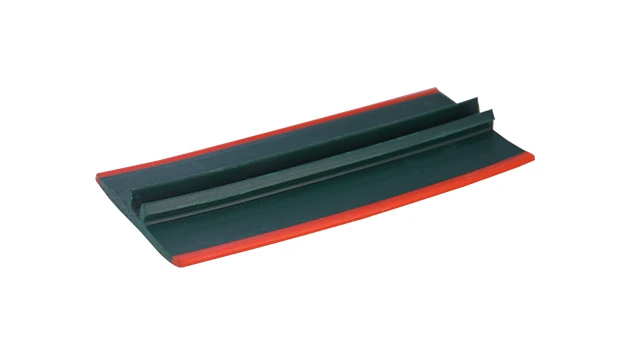
The tread strip fits into a T-slot channel and provides an anti-slip ribbed surface. It has a key pad that presses into a T-slot and is commonly used for adding traction on steps or as padding for doors. Tread strip can be ordered by rolls. The high quali
Aluminum Profile Rubber Strip vs PVC Edge Trim: Which Suits Your Workbench?
Walk into any workshop, factory floor, or even a home garage, and you'll notice one thing almost all workbenches have in common: some form of edge protection. Whether it's a busy production line relying on a lean pipe workbench or a hobbyist's setup in the corner, the edges of these workhorses take a beating. Tools get dropped, materials slide across, and over time, unprotected edges chip, splinter, or become safety hazards. That's where edge trims come in—but not all trims are created equal.
Two of the most popular options on the market today are aluminum profile rubber strips and PVC edge trims. At first glance, they might seem interchangeable—both wrap around edges, both promise protection. But dig deeper, and you'll find key differences in durability, flexibility, cost, and how well they adapt to different workbench types. Choosing the right one isn't just about slapping on the first trim you find; it's about matching the trim to your workbench's needs, your environment, and even your long-term maintenance goals.
In this article, we'll break down what makes aluminum profile rubber strips and PVC edge trims unique. We'll compare their strengths and weaknesses, look at real-world scenarios where one outperforms the other, and help you decide which trim deserves a spot on your workbench. Let's start by getting to know each contender.
What is an Aluminum Profile Rubber Strip?
Imagine a trim that combines the structural stability of metal with the soft, shock-absorbing qualities of rubber—that's essentially an aluminum profile rubber strip. As the name suggests, it's a two-part system: a rigid aluminum profile (often with a T-slot or channel design) that anchors the trim to the workbench, and a flexible rubber insert that sits on the outer edge, providing cushioning and grip.
The aluminum profile isn't just for show. It's typically made from lightweight yet sturdy aluminum extrusion, the same material used in everything from aluminum profile accessories to industrial frames. This metal base ensures the trim stays securely attached to the workbench, even under heavy use. The rubber part, usually made from EPDM or neoprene, is designed to flex and absorb impacts. Think of it as a "shock absorber" for your workbench edges—when a tool slams down or a heavy part slides across, the rubber gives just enough to prevent damage, while the aluminum keeps the trim from shifting out of place.
One of the standout features of aluminum profile rubber strips is their versatility in installation. Thanks to the aluminum profile's T-slot design, they can be mounted using screws, clips, or even adhesive, depending on the workbench material. This makes them a favorite for aluminum profile -based workbenches, where they integrate seamlessly with existing accessories like tool holders or shelving. They're also resistant to oils, chemicals, and temperature fluctuations—qualities that make them ideal for industrial settings where spills and harsh conditions are par for the course.
But it's not all about durability. These strips also offer a clean, professional look. The aluminum base can be anodized or powder-coated to match the workbench, while the rubber insert comes in neutral tones like black or gray, blending in without drawing attention. For workshops that value both function and aesthetics, this is a big plus.
What is a PVC Edge Trim?
PVC edge trim, on the other hand, is the more familiar, budget-friendly cousin in the edge protection family. Made from polyvinyl chloride (PVC)—a synthetic plastic known for its flexibility and low cost—these trims are often a single-piece design, with a U-shaped channel that wraps around the workbench edge. Some versions include a metal core (usually steel) for added rigidity, but many are purely PVC, relying on their own flexibility to stay in place.
PVC trims are beloved for their simplicity. They're lightweight, easy to cut with a utility knife, and often install with nothing more than a little pressure—no screws or adhesives required. This "snap-on" design makes them a go-to for quick DIY projects or workbenches that need a temporary fix. They also come in a rainbow of colors, from bright yellows for high-visibility areas to wood-grain patterns for a more polished look, giving users plenty of options to match their workspace decor.
But don't let their low cost fool you—PVC trims have their strengths. They're water-resistant, which makes them suitable for damp environments like garages or basements. They also hold up well to moderate impacts, like a dropped wrench or a sliding piece of lumber. For hobbyists or small workshops with light to medium use, PVC trims offer solid protection without breaking the bank.
That said, PVC does have limits. It's less resistant to extreme temperatures compared to rubber—expose it to intense heat (like near a welding station) or prolonged sunlight, and it can become brittle over time. It also lacks the structural backing of aluminum, so on workbenches with uneven edges or heavy vibration, it might start to loosen or crack after a few months of use.
Side-by-Side: Key Differences Between Aluminum Profile Rubber Strips and PVC Edge Trims
To really understand how these two trims stack up, let's put them head-to-head. The table below breaks down their performance across seven critical categories, from durability to cost. Whether you're outfitting a commercial lean pipe workbench or a home workshop setup, these factors will help you narrow down your choice.
| Feature | Aluminum Profile Rubber Strip | PVC Edge Trim |
|---|---|---|
| Durability | High: Aluminum base resists bending; rubber insert withstands impacts, oils, and chemicals. Lasts 5–10 years in industrial settings. | Moderate: Good for light to medium use, but may crack or loosen under heavy vibration or extreme temperatures. Lasts 2–5 years in home/workshop settings. |
| Installation | Moderate: Requires screws, clips, or adhesive to attach the aluminum profile. More time-consuming but secure. | Easy: Snap-on design; no tools needed. Installs in minutes but may loosen over time on uneven edges. |
| Cost | Higher upfront: $3–$8 per linear foot (includes aluminum profile and rubber insert). | Lower upfront: $1–$3 per linear foot (PVC only; metal-core versions cost slightly more). |
| Temperature Resistance | Excellent: Rubber insert handles -40°F to 250°F (-40°C to 121°C); aluminum resists warping. | Limited: Best in 32°F to 150°F (0°C to 65°C). Becomes brittle below freezing or soft in high heat. |
| Aesthetic Appeal | Professional: Sleek aluminum base with rubber; available in neutral tones (black, gray, white) that blend with industrial workbenches. | Versatile: Wide range of colors and patterns (wood-grain, neon, etc.) for customization. More visible, which can be a pro or con. |
| Maintenance | Low: Wipe with a damp cloth to clean; rubber insert can be replaced separately if worn (no need to replace the entire trim). | Low to Moderate: Easy to clean, but if cracked or loose, the entire trim must be replaced. |
| Best For | Industrial workbenches, lean pipe workbenches , high-impact areas, workshops with chemicals/oils, or extreme temperatures. | Home garages, hobbyist workbenches, temporary setups, or areas where cost and color customization are priorities. |
Real-World Scenarios: When to Choose Which Trim
Numbers and tables are helpful, but nothing beats seeing these trims in action. Let's look at two common scenarios where one trim clearly outperforms the other. These examples will show you how the "right" choice depends on your specific workspace and needs.
Scenario 1: The Busy Factory Floor with a Lean Pipe Workbench
Imagine a manufacturing plant where a lean pipe workbench is the heart of the assembly line. Every day, workers slide heavy components across the bench, tools are set down (and sometimes dropped) repeatedly, and the air is thick with machine oil and coolant. The workbench runs 12-hour shifts, 6 days a week—this is no place for a trim that can't keep up.
Here, an aluminum profile rubber strip is the clear winner. The aluminum base locks securely into the lean pipe frame (a common feature of these workbenches), so even with constant vibration from nearby machinery, the trim stays put. The rubber insert absorbs the impact of dropped tools and prevents metal components from scratching the bench edge. And because it's resistant to oils and coolants, there's no risk of the trim degrading or becoming slippery over time. After five years of use, the rubber might show some wear, but replacing just the insert (a 10-minute job) is far cheaper than replacing the entire trim—saving the plant time and money in the long run.
Scenario 2: The Home Garage Hobbyist
Now, picture a weekend woodworker with a workbench in their garage. They use it a few hours a week to build shelves, repair furniture, or tinker with DIY projects. The bench is made from plywood, and the biggest "hazards" are occasional dropped hammers or sliding pieces of lumber. Budget is a consideration, and they want something that looks nice but doesn't require a complicated installation.
For this hobbyist, PVC edge trim is perfect. It snaps on easily—no drilling or adhesive needed—and comes in a wood-tone color that matches the bench's finish. At $2 per linear foot, it's affordable enough to trim the entire bench without overspending. Since the bench isn't used daily, the PVC will hold up for years, and if it does crack down the line, replacing it is a quick, cheap fix. Plus, if they ever want to change the look, they can swap in a different color trim in an afternoon.
Choosing the Right Trim for Your Workbench: 5 Questions to Ask
Still on the fence? Let's simplify the decision with five key questions. Answer these, and you'll have a clearer picture of which trim is right for you.
1. How Intense is the Workbench Use?
If your workbench sees heavy daily use—think manufacturing, auto repair, or commercial production—go with aluminum profile rubber strips. Their durability and impact resistance will stand up to the grind. For light use (hobbyists, occasional DIY), PVC trims are more than sufficient.
2. What's the Environment Like?
Do you work in a hot, cold, or damp space? Aluminum profile rubber strips handle extreme temperatures and chemicals better, making them ideal for industrial or outdoor settings. PVC works well in moderate, dry environments but may struggle with frost, heat, or heavy moisture.
3. What's Your Budget?
PVC trims are cheaper upfront, but they may need replacing sooner. Aluminum profile rubber strips cost more initially but last 2–3 times longer, making them more cost-effective for long-term use. If you're on a tight budget and don't mind occasional replacements, PVC is fine; if you want to "set it and forget it," invest in aluminum.
4. How Important is Aesthetics?
Want a trim that blends in? Aluminum profile rubber strips have a sleek, industrial look that pairs well with aluminum profile workbenches or lean pipe setups. Prefer to add a pop of color or match your decor? PVC trims come in more styles and colors, giving you creative freedom.
5. Do You Need Easy Installation?
PVC trims are the DIYer's dream—snap them on and you're done. Aluminum profile rubber strips require a bit more work (screws, clips), but the payoff is a trim that won't budge. If you're short on time or tools, PVC is the way to go; if you want a permanent, secure fit, opt for aluminum.
Final Thoughts: It's All About Your Workbench's Story
At the end of the day, there's no "better" trim—only the trim that better fits your workbench's unique needs. Aluminum profile rubber strips are the workhorses, built for the rigors of industrial settings and lean pipe workbenches that never take a day off. They're an investment, but one that pays off in durability and longevity.
PVC edge trims, on the other hand, are the versatile underdogs—affordable, easy to install, and perfect for hobbyists, home workshops, or anyone who wants a quick, stylish fix. They might not last as long, but they offer flexibility and charm that aluminum can't match.
So, take a look at your workbench. What does it endure daily? What do you value most—cost, convenience, or long-term reliability? The answer will point you to the trim that belongs there. And whichever you choose, remember: edge protection isn't just about preserving the bench—it's about making your workspace safer, more efficient, and a little more resilient, one trim at a time.