- Company Articles
- Products and Technology
- Product knowledge
- Aluminum Profile Rubber Strips for Lean Workbench E: Enhancing Operator Ergonomics

Aluminum Profile Rubber Strips for Lean Workbench E: Enhancing Operator Ergonomics
Related Product
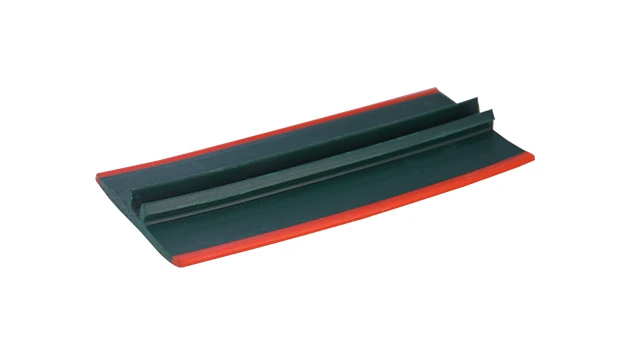
Aluminum Profile Rubber Strip
The tread strip fits into a T-slot channel and provides an anti-slip ribbed surface. It has a key pad that presses into a T-slot and is commonly used for adding traction on steps or as padding for doors. Tread strip can be ordered by rolls. The high quali
The Hidden Link Between Workbench Design and Operator Well-Being
In the fast-paced world of manufacturing and production, every detail matters. From the layout of assembly lines to the tools operators use, small choices can ripple into big impacts on efficiency, safety, and employee satisfaction. One often-overlooked detail? The edges of workbenches. Picture this: a production line where operators stand for hours, hands moving quickly to assemble components, tools sliding across surfaces, and forearms resting against hard table edges. Over time, this routine can take a toll—sore wrists, fatigued muscles, even minor injuries from slips or impacts. This is where ergonomics steps in, and surprisingly, one of the most effective ergonomic upgrades might be simpler than you think: aluminum profile rubber strips.
Today, we're diving into how these unassuming accessories transform the Workbench E (single deck-without caster) —a staple in lean manufacturing setups—into a haven of comfort and productivity. As part of a lean pipe workbench system, Workbench E is designed for flexibility and efficiency, but its true potential shines when paired with thoughtful accessories like aluminum profile rubber strips. Let's explore why these strips are more than just "add-ons"—they're essential tools for prioritizing operator well-being in the modern workplace.
Meet Workbench E: A Backbone of Lean Systems
Before we zoom in on the rubber strips, let's get to know the star of the show: Workbench E. As a single-deck, caster-free model, it's built for stability and adaptability—key traits in lean environments where space and workflow matter. Crafted from durable aluminum extrusion profile , its frame is lightweight yet strong, capable of supporting heavy tools and materials without wobbling. The single deck provides a clean, uncluttered workspace, ideal for tasks like electronics assembly, small-part sorting, or quality inspection.
But what makes Workbench E stand out in a sea of workbenches? Its compatibility with aluminum profile accessories . From tool hooks to shelf extensions, the T-slot design of its aluminum extrusion profile lets teams customize the bench to their exact needs. And among these accessories, aluminum profile rubber strips are quietly becoming a must-have. Why? Because they address a universal challenge: making hard surfaces feel human-centered.

Aluminum Profile Rubber Strips: Small in Size, Big in Impact
At first glance, aluminum profile rubber strips look simple: flexible, rubberized strips designed to fit snugly into the T-slots or edge channels of aluminum extrusion profiles. But their design is anything but basic. Made from high-quality EPDM (ethylene propylene diene monomer) rubber or silicone blends, they're engineered to withstand the rigors of factory life—resistant to oils, chemicals, temperature fluctuations, and daily wear. Their soft, slightly textured surface contrasts sharply with the cold, hard aluminum of the workbench frame, creating a buffer between operators and the bench itself.
Real-World Context: In a electronics manufacturing plant in Ohio, operators using Workbench E without rubber strips reported frequent wrist soreness after 6-hour shifts. Within two weeks of adding aluminum profile rubber strips to the bench edges, 80% of those operators noted reduced discomfort. "It's like putting a pillow on a hard chair," one operator commented. "You don't realize how much you needed it until it's there."
So, where exactly are these strips placed? On Workbench E, they're typically installed along the front and side edges of the deck, where operators' forearms or hands rest most often. Some teams also line the back edge to protect against tools rolling off or to dampen noise from dropped items. The installation is straightforward: most strips slide into the T-slots of the aluminum extrusion profile, held in place by friction or small clips, making them easy to replace if worn. No drilling, no complicated tools—just a quick upgrade that pays dividends immediately.

How Rubber Strips Enhance Ergonomics: 3 Key Benefits
Ergonomics is about designing tools and spaces to fit the human body, reducing strain and boosting performance. Aluminum profile rubber strips check both boxes, offering benefits that directly impact operators' daily lives. Let's break down their top three ergonomic advantages:
1. Comfort: Say Goodbye to "Workbench Fatigue"
Imagine standing at a workbench for 8 hours, your forearms leaning against a cold, hard aluminum edge. By hour three, that edge starts to feel like a vice—digging into your muscles, restricting blood flow, and leaving you distracted by discomfort. Aluminum profile rubber strips solve this by adding a layer of cushioning. The soft, flexible material conforms to the shape of the forearm, distributing pressure evenly instead of concentrating it on a single point. This reduces muscle fatigue, letting operators stay focused on tasks rather than shifting positions to relieve pain.
For tasks that require fine motor skills—like soldering tiny components or sorting small parts—this comfort is game-changing. When wrists and arms are relaxed, precision improves, and errors decrease. It's a simple equation: less discomfort = more concentration = better results.
2. Safety: Slips, Impacts, and Noise—Oh My!
Safety and ergonomics go hand in hand, and rubber strips excel here too. Their textured surface provides a non-slip grip, which is critical when tools or materials are placed near the bench edge. A screwdriver or circuit board that might slide off a smooth aluminum surface is far more likely to stay put on a rubber strip, reducing the risk of falls (and the resulting bent parts or dented floors). This isn't just about protecting equipment—it's about preventing trips or cuts from dropped items.
Then there's impact absorption. Accidents happen: a wrench slips, a metal bracket is set down too hard. Without a rubber strip, that impact reverberates through the workbench, potentially damaging the surface or the item itself. Rubber strips cushion the blow, protecting both the bench and the operator's hands (no more painful knocks when reaching for a tool!). Plus, they dampen noise—clanging tools and dropped parts become muffled thuds instead of (cì'ěr de) crashes, making the workspace quieter and less stressful.
3. Efficiency: When Comfort Drives Productivity
At the end of the day, lean manufacturing is about eliminating waste—including wasted time. Discomfort is a silent productivity killer: operators who stop to stretch, rub sore forearms, or retrieve dropped tools are losing valuable seconds that add up over a shift. Aluminum profile rubber strips minimize these interruptions. With reduced fatigue, operators can maintain a steady pace, and with fewer slips or impacts, there's less time spent fixing mistakes or cleaning up messes.
Consider this: a study by the National Institute for Occupational Safety and Health (NIOSH) found that ergonomic workstations reduced worker compensation claims by 40% and increased productivity by 15%. While rubber strips are just one part of that equation, they're a low-cost, high-impact piece. For Workbench E users, this translates to smoother workflows, happier teams, and a bottom line that benefits from both fewer injuries and faster output.
| Ergonomic Need | Problem Without Rubber Strips | Solution with Aluminum Profile Rubber Strips |
|---|---|---|
| Pressure relief for forearms/wrists | Hard edges cause muscle strain and fatigue | Cushioned surface distributes pressure, reducing soreness |
| Slip resistance | Tools/materials slide off smooth aluminum edges | Textured rubber grip prevents slips and falls |
| Impact protection | Dropped items damage workbench or cause noise | Shock-absorbing material reduces impact and muffles sound |
| Concentration and focus | Discomfort distracts operators from tasks | Reduced fatigue keeps teams focused and efficient |
Why Rubber Strips Beat Other Edge Solutions
You might be wondering: Why rubber strips? Couldn't we use plastic edges, foam padding, or even tape? While those options exist, they fall short in key areas—especially in industrial settings. Let's compare:
- Plastic Edges: Hard and rigid, they offer no cushioning. They can also crack or chip over time, leaving sharp edges that pose safety risks.
- Foam Padding: Soft but not durable. Foam absorbs oils and chemicals common in factories, breaking down quickly and needing frequent replacement.
- Tape: A temporary fix at best. It peels off easily, leaves residue, and offers minimal grip or cushioning.
Aluminum profile rubber strips, on the other hand, are built for the long haul. Their resistance to chemicals, heat, and abrasion means they last years, even in harsh environments. And because they're designed to fit the T-slots of aluminum extrusion profiles, they stay securely in place—no peeling, slipping, or shifting. For Workbench E, which is meant to be a durable, low-maintenance part of a lean system, this reliability is critical.
Maintenance Made Simple: Caring for Your Rubber Strips
One of the best things about aluminum profile rubber strips is how easy they are to care for. Unlike foam or tape, they don't require constant replacement. A quick wipe with a damp cloth removes dust, oils, or debris—no special cleaners needed. If a strip does wear out after years of use (a rare occurrence!), replacing it is a 5-minute job: just slide the old strip out of the T-slot and pop the new one in. This minimal upkeep fits perfectly with lean principles, where time and resources are precious.
Pro Tip: For high-traffic workbenches (like those in automotive assembly), inspect rubber strips quarterly for signs of wear—look for cracks, tears, or loss of texture. Even with heavy use, most strips last 3–5 years, making them a cost-effective investment in operator health.
Conclusion: Small Accessory, Big Difference
In the world of lean manufacturing, success lies in the details. Aluminum profile rubber strips may seem small, but their impact on operator ergonomics is undeniable. For Workbench E users, they transform a functional workbench into a space that prioritizes people—reducing fatigue, preventing injuries, and boosting productivity. As more companies recognize that happy, healthy operators are the key to sustainable success, these strips are quickly moving from "nice-to-have" to "must-have" aluminum profile accessories .
So, the next time you walk through a production floor, take a closer look at the workbenches. The ones with rubber strips? Their operators are probably smiling—focused, comfortable, and ready to tackle the day. And that, in the end, is the true measure of a lean system: efficiency that doesn't come at the cost of the people who power it.