- Company Articles
- Products and Technology
- Product knowledge
- Aluminum Profile Rubber Strips for Material Handling Carts: Anti-Slip and Shockproof

Aluminum Profile Rubber Strips for Material Handling Carts: Anti-Slip and Shockproof
Related Product
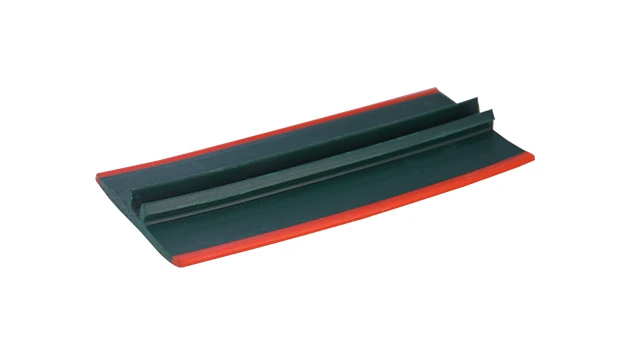
Aluminum Profile Rubber Strip
The tread strip fits into a T-slot channel and provides an anti-slip ribbed surface. It has a key pad that presses into a T-slot and is commonly used for adding traction on steps or as padding for doors. Tread strip can be ordered by rolls. The high quali
In the bustling world of warehouses, factories, and distribution centers, material handling carts are the unsung workhorses that keep operations moving. From transporting raw materials to delivering finished products, these carts are the backbone of efficiency. But what happens when a cart hits a bump, and a box slides off? Or when vibration during transit damages delicate components? These small mishaps can lead to costly delays, product loss, and even workplace injuries. That's where the combination of aluminum profile and rubber strips comes into play—offering a simple yet powerful solution to two critical challenges: slip resistance and shock absorption.
Aluminum profiles have long been favored in material handling for their lightweight strength, corrosion resistance, and versatility. But it's the addition of rubber strips—often overlooked as mere "accessories"—that transforms a basic cart into a tool that prioritizes safety and product protection. In this article, we'll dive deep into how aluminum profile rubber strips work, why they're essential for material handling carts, and how they integrate with other aluminum profile accessories to create a seamless, durable system. Whether you're managing a busy warehouse or designing custom carts for a manufacturing line, understanding the value of these strips could be the key to reducing costs and boosting productivity.
Aluminum Profiles: The Foundation of Modern Material Handling Carts
Before we explore rubber strips, let's first appreciate why aluminum profiles are the go-to choice for building material handling carts. Unlike traditional steel, aluminum is lightweight—making carts easier to maneuver by hand, even when fully loaded. This reduces strain on workers, lowering the risk of fatigue and injury. Yet, despite its lightness, aluminum is surprisingly strong; when alloyed and extruded into profiles with T-slots (a common design feature), it can support heavy loads without bending or warping.
The T-slot design is what truly sets aluminum profiles apart. These slots run along the length of the profile, allowing for easy attachment of accessories like shelves, handles, and—you guessed it—rubber strips. This modularity means carts can be customized to fit specific needs: a turnover trolley and rack for transporting bulk goods, a slim hand cart for navigating tight aisles, or a heavy-duty platform cart for industrial parts. And because aluminum resists rust and corrosion, these carts hold up well in harsh environments, from humid warehouses to factories with chemical exposure.
But even the sturdiest aluminum cart has limitations. Without proper (anti-slip) measures, smooth aluminum surfaces can become hazardous when wet, oily, or even just dusty. Similarly, the metal-on-metal contact between the cart and the floor, or between products and the cart itself, generates vibration. Over time, this vibration can loosen bolts, damage sensitive items like electronics or glass, and make the cart noisy to operate. That's where rubber strips step in—acting as a buffer and a grip enhancer, turning an already good cart into a great one.
The Role of Rubber Strips: More Than Just "Grips"
At first glance, rubber strips might seem like a simple addition—just a strip of rubber pressed into the T-slot of an aluminum profile. But their design and material composition are carefully engineered to address two critical issues: preventing slips and absorbing shocks. Let's break down how they work.
Anti-Slip: Keeping Loads Secure, Even on the Move
Imagine pushing a cart loaded with cardboard boxes across a concrete floor. As you round a corner, the cart tilts slightly, and suddenly, a box starts to slide. If it falls, you might have to stop work to clean up, restock the item, or even deal with a damaged product. Now, picture that same cart with rubber strips lining the edges of its shelves or the surface of its platform. The rubber's textured surface creates friction between the cart and the load, gripping boxes, bags, and containers even when the cart is in motion.
But not all rubber strips are created equal. The best anti-slip strips are made from high-quality elastomers, like EPDM (ethylene propylene diene monomer) or natural rubber, which have excellent coefficient of friction properties. Their surface might feature patterns—ridges, dimples, or a matte finish—to maximize grip. Some are even designed with a slightly tacky texture, though not so sticky that they leave residue on products. This is especially important for industries like food processing or pharmaceuticals, where cleanliness is paramount.
In practical terms, anti-slip rubber strips reduce the need for straps, bungee cords, or tape to secure loads. This saves time during loading and unloading, and it means workers can focus on moving items efficiently rather than worrying about securing them. For delicate items like glassware or electronics, the added grip also minimizes shifting during transit, lowering the risk of scratches or breakage.
Shockproof: Cushioning the Ride for Products and Workers
Vibration is a silent enemy in material handling. Every time a cart rolls over a crack in the floor, hits a threshold, or is pushed over uneven terrain, it sends shocks through the load. Over short distances, this might not seem like a problem—but in a large facility where carts travel hundreds of meters daily, these repeated vibrations can take a toll. Delicate components like circuit boards, precision tools, or laboratory samples can suffer internal damage; even sturdy items like metal parts might develop micro-cracks over time.
Rubber strips act as a built-in shock absorber, dampening these vibrations before they reach the load. When a cart hits a bump, the rubber compresses slightly, absorbing the impact and reducing the transfer of energy. This is particularly effective when strips are placed along the edges of shelves or under the cart's platform. For example, a turnover trolley and rack used in automotive manufacturing might have rubber strips lining each shelf to protect sensitive engine parts from jostling during transport.
Shock absorption isn't just about protecting products—it also benefits the cart itself. By reducing vibration, rubber strips minimize wear and tear on the cart's frame, wheels, and joints. This extends the cart's lifespan, lowering maintenance costs and reducing downtime for repairs. And let's not forget the workers: a quieter, smoother-rolling cart is easier to push, reducing hand and arm fatigue over long shifts.

Aluminum Profile Accessories: Enhancing Rubber Strip Performance
Rubber strips don't work in isolation. To perform at their best, they rely on other aluminum profile accessories that ensure a secure, long-lasting installation. Let's take a look at some of these key accessories and how they complement rubber strips.
End Caps: Sealing the Deal
Aluminum profiles are often cut to custom lengths to build carts of specific sizes. Without end caps, the raw edges of the profile can be sharp, posing a safety hazard. They can also collect dirt and debris, which can interfere with the rubber strip's fit. Aluminum profile accessories like 4040 aluminum profile end caps (designed for 40x40mm profiles) snap onto the ends of the profile, covering sharp edges and creating a clean, finished look. More importantly, they prevent rubber strips from sliding out of the T-slot at the ends, especially during heavy use or when the cart is tilted.
Connectors and Brackets: Keeping Strips in Place
For longer carts or those with complex designs, rubber strips might need to be joined at corners or along seams. Aluminum profile connectors, like 90° aluminum profile connectors or T-joint brackets, help secure the profiles themselves, ensuring the T-slots align perfectly. When the slots are aligned, rubber strips can be inserted continuously, without gaps that might cause slipping. Brackets also reinforce the cart's structure, preventing flexing that could dislodge the strips over time.
Adhesive Backings: Extra Security for High-Stress Areas
While many rubber strips rely on the T-slot's friction to stay in place, some applications demand extra security. For example, a cart used to transport heavy machinery parts might experience more stress on the rubber strips. In these cases, double-sided adhesive-backed strips (another type of aluminum profile accessory) can be applied to the back of the rubber strip before inserting it into the T-slot. This adhesive creates a bond between the rubber and the aluminum, ensuring the strip stays put even under extreme loads or frequent vibration.

Choosing the Right Rubber Strip for Your Cart: A Practical Guide
Not all rubber strips are created equal, and choosing the right one depends on your specific needs. Here are the key factors to consider:
- Load Weight: Heavier loads require thicker, more durable rubber strips. Look for strips with a Shore hardness rating of 60-70 (a measure of elasticity) for medium to heavy loads; softer strips (50-60 Shore) work well for lighter items.
- Environment: If your cart operates in extreme temperatures (like a cold storage warehouse) or (comes into contact with) chemicals, opt for EPDM or silicone rubber strips, which resist heat, cold, and chemical degradation. For dry, indoor environments, natural rubber is a cost-effective choice.
- Surface Texture: For maximum anti-slip protection, choose strips with a textured surface (e.g., raised ridges or a matte finish). Smooth strips might offer shock absorption but less grip.
- Cart Design: A turnover trolley with open shelves will need strips along the edges to prevent items from sliding off, while a platform cart might benefit from full-surface strips for maximum grip.
To help visualize these differences, let's compare four common types of rubber strips used in aluminum profile carts:
| Rubber Strip Type | Material | Thickness (mm) | Surface Texture | Best For | Anti-Slip Rating (1-5) | Shock Absorption (1-5) |
|---|---|---|---|---|---|---|
| T-slot Rubber Seal Cover (Yellow) | EPDM | 3 | Matte with fine ridges | General-purpose carts, dry environments | 4 | 3 |
| T-slot Rubber Seal Cover (Grey) | Silicone | 4 | Smooth with anti-slip coating | High-temperature areas, chemical exposure | 3 | 5 |
| Heavy-Duty Anti-Slip Strip | Natural Rubber | 5 | Deep diamond pattern | Heavy loads, outdoor or wet environments | 5 | 4 |
| Shock-Absorbing Foam Rubber Strip | Polyurethane Foam | 6 | Smooth, compressible | Delicate items (electronics, glassware) | 2 | 5 |
As you can see, each type of strip has its strengths. For example, the Heavy-Duty Anti-Slip Strip is ideal for a warehouse cart that moves pallets of frozen goods (wet, heavy loads), while the Silicone T-slot Cover would be better suited for a cart in a pharmaceutical cleanroom (resistant to chemicals and high temperatures).
Installation and Maintenance: Ensuring Longevity
Even the best rubber strip won't perform well if installed incorrectly. Follow these steps to ensure a secure, effective installation:
Step 1: Prepare the Aluminum Profile
Start by cleaning the T-slot of the aluminum profile. Dust, grease, or debris can prevent the rubber strip from seating properly. Use a soft brush or compressed air to remove loose dirt, then wipe the slot with a cloth dampened with isopropyl alcohol to remove oil or residue. Allow the profile to dry completely before proceeding.
Step 2: Measure and Cut the Rubber Strip
Measure the length of the T-slot where the strip will be installed. Add 2-3mm to the measurement to ensure a snug fit (the strip will compress slightly when inserted). Use sharp scissors or a utility knife to cut the strip to length. For corners, miter the ends at 45° to create a seamless joint.
Step 3: insert the Strip into the T-Slot
Starting at one end of the profile, press the rubber strip into the T-slot. Use a rubber mallet or a soft cloth-wrapped hammer to tap the strip gently, ensuring it fully seats into the slot. Work your way along the length of the profile, applying even pressure. If using adhesive-backed strips, peel off the backing paper as you go, pressing firmly to activate the adhesive.
Step 4: Secure with End Caps and Accessories
Once the strip is installed, snap on the aluminum profile end caps to prevent shifting. If the cart has corners or joints, use aluminum profile connectors to reinforce the structure, ensuring the T-slots (and thus the rubber strips) stay aligned.
Maintenance Tips for Longevity
To keep your rubber strips performing well for years:
- Clean Regularly: Wipe strips with a damp cloth to remove dirt and debris. For greasy environments, use a mild detergent (avoid harsh chemicals that can degrade rubber).
- Check for Wear: Inspect strips monthly for cracks, tears, or loosening. replace any damaged strips promptly—even small gaps can lead to slipping.
- Lubricate T-Slots (If Needed): If strips become difficult to remove or replace, a small amount of silicone lubricant (applied to the T-slot, not the strip) can help, but avoid over-lubricating, as this can reduce grip.
Real-World Impact: How Rubber Strips Transform Operations
To truly understand the value of aluminum profile rubber strips, let's look at two real-world examples where they made a measurable difference.
Case Study 1: Electronics Manufacturing Plant Reduces Product Damage by 40%
A mid-sized electronics manufacturer in California was struggling with damaged circuit boards during transport between assembly lines. Their turnover trolley and rack carts, made with aluminum profiles, were sturdy but had smooth surfaces. Even with foam padding, vibration during transit was causing micro-cracks in the boards, leading to a 15% defect rate. After consulting with an aluminum profile supplier, they installed 3mm EPDM rubber strips along each shelf of the trolleys. The strips absorbed vibration and added grip, preventing shifting. Within three months, the defect rate dropped to 6%—a 40% reduction—saving the company over $50,000 annually in rework and scrap costs.
Case Study 2: Warehouse Slips and Falls Decrease by 65% After Strip Installation
A large distribution center in Texas was facing rising workers' compensation claims due to slips and falls involving hand carts. The carts, used to transport boxes of clothing, often became wet from rain tracked in by forklifts, making the aluminum surfaces slippery. Workers were struggling to keep boxes from sliding, leading to spills and occasional falls. The facility manager replaced the carts' smooth aluminum shelves with ones fitted with heavy-duty natural rubber strips (5mm thickness, diamond texture). After installation, reports of slipping boxes dropped by 70%, and slip-related injuries decreased by 65% over six months. Workers also reported less fatigue, as the carts were easier to control with the added grip.
Conclusion: Investing in Safety, Efficiency, and Peace of Mind
Aluminum profile rubber strips might seem like a small detail in the grand scheme of material handling, but their impact is anything but minor. By addressing two critical challenges—slip resistance and shock absorption—they help businesses reduce product damage, lower injury risks, and extend the life of their carts. When paired with other aluminum profile accessories like end caps and connectors, these strips create a system that's not just functional, but also durable and customizable.
Whether you're operating a small workshop or a large-scale warehouse, the message is clear: don't overlook the power of rubber strips. They're an affordable investment that pays dividends in safety, efficiency, and peace of mind. So the next time you're designing a new material handling cart or upgrading an existing one, remember: the right aluminum profile and rubber strip combination could be the difference between a cart that merely works and one that works better —for your products, your workers, and your bottom line.