- Company Articles
- Products and Technology
- Product knowledge
- Aluminum Profile Rubber Strips for Medical Device Testing Rigs: Sterilization Compatibility

Aluminum Profile Rubber Strips for Medical Device Testing Rigs: Sterilization Compatibility
Related Product
Aluminum Profile Rubber Strip
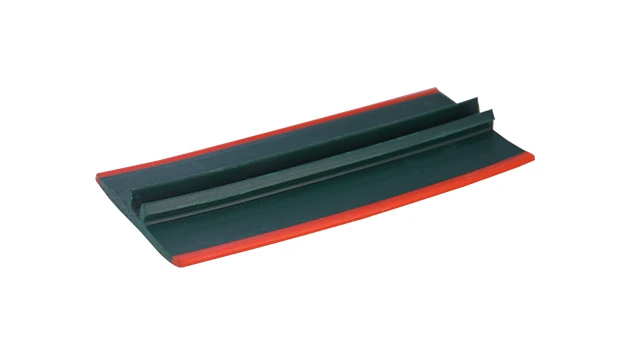
The tread strip fits into a T-slot channel and provides an anti-slip ribbed surface. It has a key pad that presses into a T-slot and is commonly used for adding traction on steps or as padding for doors. Tread strip can be ordered by rolls. The high quali
Introduction: The Unsung Heroes of Medical Testing
Medical device testing is a field where precision isn't just a goal—it's a lifeline. Every pacemaker, surgical tool, and diagnostic machine must undergo rigorous testing to ensure it can withstand the chaos of real-world use, from the human body's temperature fluctuations to the wear and tear of daily operations. At the heart of this process are testing rigs: custom-built frameworks designed to simulate these conditions with pinpoint accuracy. But what makes these rigs so reliable? While most attention goes to high-tech sensors and control systems, there's a quieter component working behind the scenes: aluminum profiles and their (matching) rubber strips. In this article, we'll explore how aluminum profile rubber strips play a critical role in maintaining sterility—a non-negotiable in medical settings—and why their compatibility with sterilization processes is make-or-break for testing success.
Aluminum Extrusion Profiles: The Backbone of Testing Rigs
Walk into any medical device testing lab, and you'll likely spot racks, workbenches, and custom frames made from aluminum extrusion profiles. These lightweight, durable structures have become the go-to choice for rig builders, and it's easy to see why. Unlike heavy steel, aluminum extrusion profiles are easy to assemble and reconfigure, allowing labs to adapt quickly to new testing protocols. Their smooth, corrosion-resistant surfaces are also a boon in environments where cleanliness is paramount. But here's the thing: even the sturdiest aluminum profile needs a little help to perform at its best. That's where aluminum profile accessories come in—and none are more essential than rubber strips.
Aluminum profiles feature T-slots—long, narrow grooves running along their length—that allow for easy attachment of components like shelves, sensors, or casters. Rubber strips fit snugly into these slots, serving three key roles: they seal out dust and debris that could interfere with sensitive tests, dampen vibrations that might skew readings, and cushion delicate devices from scratches during setup. In short, they turn a rigid aluminum frame into a refined, test-ready system. But in medical testing, their job doesn't end there. These strips must also survive the harsh sterilization processes that keep labs free from pathogens.

Why Sterilization Compatibility Matters
Imagine a scenario: a lab has spent weeks testing a new insulin pump, simulating thousands of hours of use. Just as they're about to finalize results, they discover the rubber strips in their testing rig have degraded after repeated autoclaving (high-pressure steam sterilization). The strips are cracked, oozing small particles, and no longer sealing the T-slots. Suddenly, dust and moisture are seeping into the rig, throwing off pressure readings and contaminating the pump's internal components. All that time and resources—wasted. This isn't just a hypothetical; it's a risk labs face daily. Sterilization is non-negotiable in medical settings, where even a single bacteria colony can invalidate test results or, worse, compromise patient safety down the line.
Testing rigs are exposed to a range of sterilization methods: autoclaving (steam at 134°C), chemical baths (like hydrogen peroxide or ethylene oxide), and UV radiation, to name a few. Each method puts unique stress on materials. Rubber, in particular, is vulnerable. Cheap or ill-suited rubber strips can soften, harden, or leach chemicals under these conditions, losing their elasticity and failing to perform their core functions. That's why choosing aluminum profile rubber strips specifically engineered for sterilization compatibility isn't an afterthought—it's a critical part of lab protocol.

Aluminum Profile Rubber Strips: Design with Purpose
At first glance, aluminum profile rubber strips might seem simple: a long, flexible strip with a shape that fits into a T-slot. But look closer, and you'll see the engineering that goes into making them medical-grade. Most are made from synthetic rubbers like silicone or EPDM, chosen for their durability and resistance to heat, chemicals, and moisture. Their profiles are precision-molded to snap into T-slots tightly, ensuring they don't slip during testing or come loose during sterilization. Some even feature textured surfaces to enhance grip, preventing tools or devices from sliding off workbenches built into the aluminum frame.
What truly sets medical-grade strips apart, though, is their attention to detail. For example, many are designed with rounded edges to avoid sharp corners that could trap bacteria—a small tweak that makes cleaning and sterilization far easier. Others have hollow cores to reduce weight while maintaining flexibility, a boon for rigs that need to be moved or reconfigured frequently. And because medical testing often involves electronics (think sensors and data loggers), some strips are formulated to be electrically insulating, protecting sensitive equipment from interference.
Material Showdown: Which Rubbers Stand Up to Sterilization?
Not all rubber is created equal when it comes to sterilization. Let's break down the most common materials used in aluminum profile rubber strips and how they perform under the most rigorous lab conditions:
| Rubber Type | Autoclave Resistance (134°C) | Chemical Sterilant Resistance (H₂O₂, EtO) | UV Radiation Resistance | Typical Lifespan (Sterilization Cycles) |
|---|---|---|---|---|
| Silicone | Excellent—no degradation after 500+ cycles | Resistant to most; minimal swelling | High—no discoloration or brittleness | 500–1000 cycles |
| EPDM | Good—minor hardening after 300+ cycles | Resistant to steam and mild chemicals | Moderate—may fade over time | 300–500 cycles |
| Neoprene | Poor—degrades quickly above 120°C | Vulnerable to strong oxidizers (e.g., bleach) | Good—maintains flexibility | 100–200 cycles |
| Viton (FKM) | Excellent—stable up to 200°C | Highly resistant to aggressive chemicals | Excellent—no UV damage | 1000+ cycles (but higher cost) |
Silicone is the gold standard here, balancing performance and affordability. It withstands repeated autoclaving, resists most chemical sterilants, and stays flexible even in extreme temperatures. For labs on a tighter budget, EPDM is a solid runner-up, though it may need replacement more frequently. Viton, while nearly indestructible, often comes with a higher price tag—reserved for specialized rigs handling ultra-aggressive sterilants or high-temperature tests.
Testing Sterilization Compatibility: What Labs Need to Know
So, how do labs ensure their aluminum profile rubber strips are truly sterilization-compatible? It starts with choosing a reputable aluminum profile supplier that provides material certifications. Look for strips tested to ISO 10993 (biological evaluation of medical devices) or ASTM E1113 (standard for ethylene oxide sterilization). These certifications confirm the material won't leach harmful substances or degrade in ways that could compromise tests.
In-house testing is also key. Many labs perform "accelerated aging" tests, exposing strips to 100+ sterilization cycles in a row and then checking for signs of failure: cracks, brittleness, or changes in elasticity. A simple "stretch test" can reveal if a strip has lost flexibility—if it snaps instead of bending, it's time for a replacement. Labs should also monitor for "blooming," a white, powdery residue that can form on some rubbers after sterilization. While not always harmful, blooming can attract dust and bacteria, making it a red flag for sterility.
Real-World Impact: A Case Study
Let's look at how the right aluminum profile rubber strips transformed a busy medical device lab. A mid-sized lab specializing in surgical tool testing was struggling with frequent rig failures. Their old rubber strips, made from neoprene, were cracking after just 50 autoclave cycles, leading to gaps in the T-slots. Dust and moisture were seeping in, causing their force sensors to give erratic readings. Worse, the degraded rubber was leaving small particles on the tools being tested—forcing the lab to repeat tests and delaying product launches.
After consulting with their aluminum profile supplier, they switched to silicone-based rubber strips. The results were dramatic: after 600 autoclave cycles, the strips showed no signs of degradation. The T-slots stayed sealed, sensor readings stabilized, and test repeat rates dropped by 75%. The lab also saved money—while silicone strips cost slightly more upfront, they lasted 10x longer than neoprene, cutting replacement costs by 60%. For a lab running 20+ sterilization cycles a week, that's a game-changer.
Future Trends: Innovations in Aluminum Profile Rubber Strips
As medical testing grows more complex, so too do the demands on aluminum profile rubber strips. One emerging trend is antimicrobial rubber—a formulation infused with silver ions or other agents that inhibit bacterial growth between sterilization cycles. This is especially useful for rigs used in infectious disease research, where even trace contaminants can derail results. Another innovation is "smart" strips embedded with tiny sensors that monitor wear and tear, alerting labs when a strip is nearing the end of its lifespan. Imagine a rig that sends a notification to your phone when its rubber strips need replacing—no more guesswork, no more last-minute failures.
Sustainability is also driving change. Manufacturers are developing rubber strips made from recycled silicone or bio-based materials that still meet sterilization standards. These eco-friendly options appeal to labs looking to reduce their environmental footprint without sacrificing performance. And with 3D printing becoming more accessible, custom-shaped strips are on the horizon—tailored to fit unique T-slot designs or accommodate specialized testing equipment.
Conclusion: Small Strips, Big Impact
Aluminum profile rubber strips may be small, but their role in medical device testing rigs is enormous. They seal, cushion, and protect—all while standing up to the harshest sterilization processes. For labs, choosing the right strips isn't just about avoiding downtime; it's about ensuring the devices they test are safe, reliable, and ready to save lives. As technology advances, we can expect these unsung heroes to become even more sophisticated, with new materials and designs pushing the boundaries of what's possible. So the next time you walk into a medical testing lab, take a moment to appreciate the aluminum extrusion profiles and their rubber strips—they're quietly working to make the world a healthier place, one sterilization cycle at a time.