- Company Articles
- Products and Technology
- Product knowledge
- Aluminum Profile Rubber Strips for Modular Lean Workstations: Easy Integration

Aluminum Profile Rubber Strips for Modular Lean Workstations: Easy Integration
Related Product
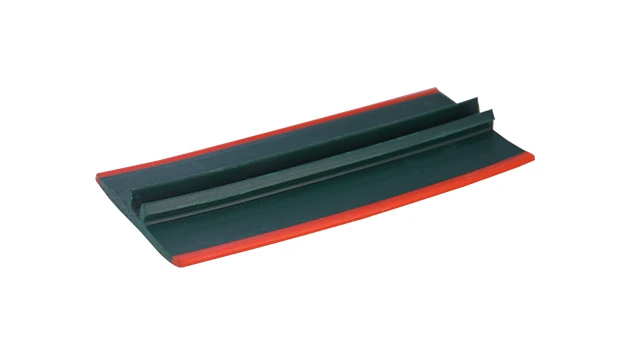
Aluminum Profile Rubber Strip
The tread strip fits into a T-slot channel and provides an anti-slip ribbed surface. It has a key pad that presses into a T-slot and is commonly used for adding traction on steps or as padding for doors. Tread strip can be ordered by rolls. The high quali
How a small component transforms flexibility, safety, and efficiency in your workspace
The Unsung Hero of Modular Workspaces
Walk into any modern manufacturing facility, warehouse, or tech workshop, and you'll likely spot a common sight: workstations that seem to adapt like living organisms. A lean workbench here, a material rack there, all shifting and evolving to match the day's tasks. What makes this flexibility possible? It's not just the big, obvious parts—though aluminum extrusion profiles certainly play a starring role. It's the small, often overlooked components that hold the system together. Today, we're shining a spotlight on one such unsung hero: the aluminum profile rubber strip.
You might be thinking, "A rubber strip? How important can that be?" Here's the thing: in modular lean systems, every detail matters. A poorly fitted joint slows down assembly. A slippery surface risks product damage. A sharp edge endangers workers. Aluminum profile rubber strips tackle all these issues and more, making them the quiet backbone of easy integration in lean workstations. Let's dive into why they matter, how they work, and why they should be top of mind when building or upgrading your workspace.
What Are Aluminum Profile Rubber Strips, Anyway?
Let's start with the basics. Aluminum profile rubber strips are narrow, flexible strips made from durable rubber (often EPDM or silicone) designed to fit snugly into the T-slots of aluminum extrusion profiles. If you're familiar with aluminum extrusion profiles, you know their defining feature: those long, narrow slots running along their length. These slots are what make modular systems possible—they let you attach accessories, shelves, panels, and more without drilling or welding. But raw T-slots can be sharp, dusty, and prone to letting small items slip through. That's where rubber strips come in.
Imagine running your finger along an exposed T-slot. Chances are, you'd feel a rough edge. Now imagine that same slot lined with a smooth, rubber strip. Suddenly, it's safe to touch, dust and debris stay out, and items placed on the profile won't slide around as easily. Rubber strips also act as a buffer, reducing noise when parts are placed or moved. They're simple in design but mighty in function.
Available in various colors (you'll often see yellow or grey, though black and white are common too) and sizes, these strips are tailored to fit different profile widths—from slim 2020 profiles to robust 4080 models. Some are even conductive, making them ideal for ESD workstations where static control is critical. But regardless of the variant, their core purpose remains the same: to enhance the usability and longevity of aluminum extrusion profiles.

Aluminum Extrusion Profiles: The Frame, Rubber Strips: The Finishing Touch
To understand why rubber strips are essential, let's first talk about their partner in crime: aluminum extrusion profiles. These profiles are the "bones" of any modular lean workstation. Made by forcing heated aluminum through a die, they come in standardized shapes and sizes, with T-slots that act as universal connection points. Want to add a shelf? Slide a bracket into the T-slot. Need a lamp? Clip it on. This modularity is why aluminum extrusion profiles have become the gold standard for lean systems—they turn rigid workspaces into adaptable ones.
But here's the catch: T-slots, while versatile, aren't perfect on their own. Their open design can collect dirt, metal shavings, or small parts, which over time can jam accessories or scratch the profile. Sharp edges on the slot openings pose a safety risk, especially in high-traffic areas where workers might brush against the profiles. And when you attach panels or boards to the profiles, gaps between the panel and the slot can let in dust or cause rattling. That's where aluminum profile rubber strips step up.
By inserting a rubber strip into the T-slot, you transform those raw edges into smooth, protected surfaces. The rubber acts as a seal, keeping debris out and reducing noise. It also creates friction, preventing small tools or parts from sliding off the profile. For panels or workbench tops, the strip fills gaps, ensuring a tight, stable fit. In short, aluminum extrusion profiles provide the structure; rubber strips make that structure work better, safer, and more efficiently.

Why "Easy Integration" Matters in Lean Systems
Lean manufacturing isn't just a buzzword—it's a philosophy centered on eliminating waste, improving flow, and maximizing value. At its core, lean is about adaptability: if a process isn't working, you change it. But that change needs to happen quickly. If reconfiguring a workstation takes hours (or requires a team of engineers), you're not lean—you're stuck.
That's where easy integration comes in. Modular lean systems thrive when components can be swapped, added, or removed in minutes, not days. Aluminum profile rubber strips might seem small, but they play a huge role in making this possible. Here's how:
- No special tools needed: Unlike screws or adhesives, rubber strips simply press into T-slots. No drills, no glue, no hassle. Even someone with minimal training can install them in seconds.
-
Need to reposition a strip? Just pull it out and pop it into a new slot. No damage to the profile, no wasted materials. -
Most rubber strips are designed to fit standard T-slot sizes, so you don't need to hunt for custom parts. This consistency speeds up setup and reduces inventory costs.
Picture this: A production line needs to switch from assembling small electronics to larger components. With a modular system, workers can reconfigure the lean workbench by adding a wider top, adjusting the height, and attaching a new material rack—all in under an hour. Rubber strips ensure that new panels fit snugly, tools stay in place, and the workstation is ready to go. Without them, that same reconfiguration might take twice as long, with gaps, slips, and safety risks slowing things down. Easy integration isn't just convenient—it's lean.
The Top Benefits of Aluminum Profile Rubber Strips
Still not convinced that a rubber strip deserves a spot in your workstation? Let's break down the benefits with real-world impact. Whether you're building a new lean system or upgrading an existing one, these strips deliver value across the board:
| Benefit | How It Works | Impact on Your Workspace |
|---|---|---|
| Safety First | Covers sharp T-slot edges, preventing cuts and scrapes. | Fewer workplace injuries, happier (and more productive) teams. |
| Debris Defense | Seals T-slots to block dust, metal shavings, and small parts. | Less maintenance, longer lifespan for profiles and accessories. |
| Noise Reduction | Acts as a buffer between moving parts and panels, dampening vibrations. | Quieter workspace, reducing worker fatigue and improving focus. |
| Enhanced Grip | Rubber surface adds friction, preventing tools/parts from sliding. | Fewer dropped items, less product damage, faster workflow. |
| Gap Filling | Fills spaces between panels/boards and profiles for a tight fit. | Sturdier workstations, no rattling, better structural integrity. |
Real-World Example:
A automotive parts manufacturer was struggling with frequent delays on their assembly line. Workers reported tools sliding off workbenches, leading to lost time and occasional damage to small components. After installing aluminum profile rubber strips on their lean workbench T-slots, they saw a 30% reduction in tool slips and a 15% improvement in line speed. The strips cost less than $5 per workstation—making the ROI almost immediate.
Compatibility with Aluminum Profile Accessories: A Match Made in Modular Heaven
One of the biggest advantages of modular lean systems is how well components play together. Aluminum extrusion profiles work with joints, clamps, casters, and shelves—all designed to fit into those T-slots. Aluminum profile rubber strips? They play nice with everyone. In fact, they often improve compatibility with other accessories.
Take casters, for example. When you attach casters to a workstation frame, you want a stable, wobble-free base. Rubber strips in the T-slots where the caster brackets mount add extra grip, reducing movement and ensuring the brackets stay tight over time. Or consider workbench tops: when you secure a wooden or metal top to aluminum profiles, rubber strips between the top and the profile prevent slipping and absorb vibrations, making the surface more stable for precision work.
Even specialized accessories like ESD (electrostatic discharge) components benefit. In ESD workstations, static control is critical to protect sensitive electronics. Conductive rubber strips not only seal T-slots but also help dissipate static, adding an extra layer of protection. And for material racks—like the "material rack b (3 row and 3 floor)" common in warehouses—rubber strips in the shelf T-slots prevent boxes or parts from sliding during transport, reducing spills and damage.
The bottom line: aluminum profile rubber strips don't just work with your existing aluminum profile accessories—they make them better. They turn a good modular system into a great one by ensuring every connection is tight, safe, and reliable.
Installation Tips: Getting It Right the First Time
One of the best things about aluminum profile rubber strips is how easy they are to install. No special skills, no complex tools—just a few simple steps. But to get the most out of them, follow these tips:
- Clean the T-slots first: Before inserting the strip, wipe out any dust, dirt, or debris from the T-slot. A dry cloth or small brush works well. Debris can prevent the strip from seating properly, leading to gaps.
- Measure twice, cut once: Most rubber strips come in rolls, so you'll need to cut them to match the length of your profile. Use sharp scissors or a utility knife for clean cuts—ragged edges can leave gaps.
- Start at one end and press firmly: Align the strip with the end of the T-slot, then press it in firmly, working your way down the length. You should feel it "click" into place as it seats in the slot. If it's loose, gently pull it out and try again.
- Trim excess for corners or joints: At corners where two profiles meet, trim the strip at a 45-degree angle for a clean, seamless look. This prevents bulging and ensures the joint remains protected.
- Check for gaps: After installation, run your finger along the strip to ensure it's fully seated. No part of the T-slot should be exposed—if you see gaps, press the strip in further or replace it with a new one (they're affordable, so don't skimp on a proper fit).
Pro tip: Keep a few extra strips on hand. They're cheap, lightweight, and you never know when a strip might get damaged or lost during reconfiguration. A small inventory ensures you can make quick fixes without disrupting workflow.
Choosing the Right Rubber Strip for Your Needs
Not all rubber strips are created equal. To get the best results, you'll need to choose the right type for your workstation. Here's what to consider:
- Profile size: T-slots come in different widths (e.g., 6mm, 8mm, 10mm). Make sure the strip matches your profile's T-slot size—too narrow, and it will fall out; too wide, and it won't seat properly.
- Environment: Will the workstation be in a wet area? Choose a water-resistant rubber. Need ESD protection? Opt for conductive rubber. For high-temperature environments (like near ovens or furnaces), silicone strips are more heat-resistant than EPDM.
- Color: While color doesn't affect function, it can help with organization. Yellow strips might mark "high-traffic" areas, while grey blends in for a sleek look. Some facilities use color-coding to identify workstation zones (e.g., assembly vs. packing), making training and reconfiguration faster.
- Durability: For heavy-use workstations (like those in automotive manufacturing), thicker, denser rubber strips will last longer. For lighter use (e.g., office workbenches), standard thickness is fine.
When in doubt, ask your aluminum profile supplier. They'll have experience with different applications and can recommend the best strip for your specific needs. And remember: quality matters. A cheap, flimsy strip might save a few dollars upfront, but it will wear out faster, leading to frequent replacements and lost productivity.
The Future of Modular Lean Workstations: Small Parts, Big Impact
As manufacturing and warehousing continue to evolve—with trends like automation, IoT, and on-demand production—modular lean systems will only grow more important. The ability to reconfigure workspaces quickly, safely, and cost-effectively will be a competitive advantage. And in that future, small components like aluminum profile rubber strips will play an even bigger role.
Imagine workstations that "self-optimize," with sensors in the rubber strips detecting wear and alerting maintenance teams before failure. Or smart strips that change color to indicate workflow bottlenecks. While that might sound like science fiction, the foundation is already here: modular systems built on aluminum extrusion profiles, enhanced by simple, effective components like rubber strips.
But even without futuristic tech, the present-day value of these strips is clear. They're affordable, easy to install, and deliver immediate benefits: safer workspaces, faster reconfiguration, less waste, and happier teams. In a world where every second and every dollar counts, aluminum profile rubber strips are the definition of "lean"—small in size, but massive in impact.
Final Thoughts: Don't Overlook the Details
When building a modular lean workstation, it's easy to focus on the big-ticket items: the aluminum extrusion profiles, the heavy-duty casters, the adjustable shelves. But as we've explored, the smallest components often make the biggest difference. Aluminum profile rubber strips are a perfect example—they cost next to nothing, install in minutes, and yet they transform a good workstation into a great one.
So the next time you're designing or upgrading your workspace, remember: easy integration isn't just about the parts you can see. It's about the parts that hold them together, protect them, and make them work in harmony. It's about the aluminum profile rubber strips. Because in lean systems, success lies in the details.
Ready to build a more flexible, efficient, and safe workstation? Start with the basics: quality aluminum extrusion profiles, reliable aluminum profile accessories, and yes—don't forget the rubber strips. Your team, your productivity, and your bottom line will thank you.