- Company Articles
- Products and Technology
- Application Cases
- Aluminum Profile Rubber Strips in Cold Storage Warehouses: Low-Temperature Performance

Aluminum Profile Rubber Strips in Cold Storage Warehouses: Low-Temperature Performance
Related Product
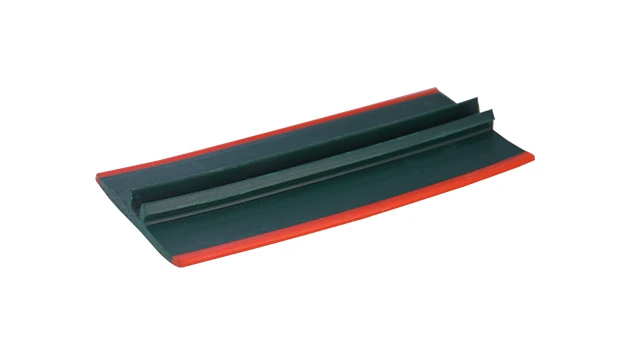
Aluminum Profile Rubber Strip
The tread strip fits into a T-slot channel and provides an anti-slip ribbed surface. It has a key pad that presses into a T-slot and is commonly used for adding traction on steps or as padding for doors. Tread strip can be ordered by rolls. The high quali
Step into a cold storage warehouse, and you're immediately hit by a wave of cold air—temperatures can drop as low as -30°C, frost clings to metal surfaces, and every piece of equipment hums with the effort of maintaining that frigid environment. From food distribution centers storing frozen produce to pharmaceutical facilities safeguarding temperature-sensitive vaccines, these spaces are the backbone of industries that rely on precise climate control. Yet, even the most advanced refrigeration systems can falter at the smallest weak point: gaps in seals. This is where aluminum profile rubber strips emerge as unsung heroes, quietly ensuring that cold stays in, warmth stays out, and operations run efficiently.
In this article, we'll dive into the critical role of aluminum profile rubber strips in cold storage, exploring how they withstand extreme low temperatures, integrate with aluminum extrusion profiles, and solve the unique challenges of these demanding environments. We'll also unpack material science, real-world applications, and why choosing the right combination of aluminum profiles and rubber strips can make or break a cold storage facility's performance.
The Stakes: Why Sealing Matters in Cold Storage
Cold storage warehouses aren't just about keeping things cold—they're about consistently keeping things cold. A single degree of temperature fluctuation can compromise product quality: frozen meats develop freezer burn, vaccines lose efficacy, and dairy products separate. Worse, temperature leaks force refrigeration units to work overtime, driving up energy costs by 20-30% in some cases, according to industry reports. Add to that the risk of condensation forming in gaps, which can lead to mold growth, slippery floors, and even structural damage over time.
Traditional sealing solutions—like basic rubber gaskets or foam tapes—often fall short here. In sub-zero temperatures, many rubbers harden and crack, losing their elasticity and ability to form a tight seal. Foam breaks down under repeated use, and adhesive-backed tapes fail when exposed to moisture or extreme cold. This is where aluminum extrusion profiles, paired with specialized rubber strips, step in as a durable, long-lasting alternative.
Did you know? A 2023 study by the Cold Chain Federation found that poorly sealed doors in cold storage facilities account for up to 15% of total energy waste. For a mid-sized warehouse, that translates to over $50,000 in unnecessary annual costs.
Aluminum Extrusion Profiles: The Backbone of Cold Storage Sealing
Before we focus on the rubber strips, let's talk about their partner in crime: aluminum extrusion profiles. These lightweight, customizable structures are the framework that holds everything together. Made by forcing heated aluminum through a die to create specific cross-sectional shapes, aluminum extrusion profiles offer unmatched versatility—think T-slots for easy accessory attachment, grooves for rubber strips, and strength-to-weight ratios that outperform steel in many cold storage applications.
Why aluminum? For starters, it's naturally corrosion-resistant, a must in environments where moisture and frost are constant. Unlike steel, it doesn't rust, even when exposed to condensation. It's also malleable, meaning manufacturers can design profiles with precise channels to house rubber strips, ensuring a snug, secure fit. And because aluminum is lightweight, it's easier to install and modify—critical for facilities that may need to reconfigure doors, shelving, or partitions over time.
T-Slot Aluminum Pipes: A Game-Changer for Sealing
One of the most popular types of aluminum profiles in cold storage is the T-slot aluminum pipe. These profiles feature a T-shaped groove (or "slot") running along their length, which allows for quick, tool-free installation of accessories—including rubber strips. Instead of gluing or screwing strips into place, installers simply slide the rubber strip into the T-slot, where it locks securely. This not only speeds up installation but also makes maintenance a breeze: if a strip wears out, it can be replaced in minutes without removing the entire aluminum profile.
T-slot aluminum pipes also excel at accommodating different rubber strip sizes and shapes. Whether you need a thin, flexible strip for a small gap or a thicker, more rigid one for a heavy-duty door seal, the T-slot design adapts. This flexibility is key in cold storage, where sealing needs vary widely—from walk-in cooler doors to loading dock shelters, and even between different sections of the warehouse (e.g., -10°C for vegetables vs. -25°C for frozen fish).

Aluminum Profile Rubber Strips: Material Science for the Cold
Not all rubber strips are created equal, especially when it comes to low-temperature performance. The rubber used in cold storage must maintain elasticity, resist cracking, and form a tight seal even when exposed to extreme cold, moisture, and repeated use (think of doors opening and closing hundreds of times a day). Let's break down the materials that make this possible, and how they pair with aluminum profiles.
EPDM: The Workhorse of Cold Storage Rubber
Ethylene Propylene Diene Monomer (EPDM) rubber is the gold standard for cold storage applications—and for good reason. EPDM retains its flexibility at temperatures as low as -40°C, making it ideal for the coldest warehouses. It's also resistant to ozone, UV light, and moisture—critical in environments where frost and condensation are constant. When extruded into strips and inserted into T-slot aluminum pipes, EPDM forms a tight, resilient seal that bounces back even after thousands of door cycles.
EPDM's durability is another win. Unlike natural rubber, which breaks down over time in cold conditions, EPDM has a lifespan of 10-15 years in typical cold storage use. This longevity reduces replacement costs and downtime, a major plus for busy facilities.
Silicone: For the Extremes
For facilities operating at ultra-low temperatures (-40°C and below), silicone rubber strips are often the go-to choice. Silicone can withstand temperatures as low as -60°C without hardening, making it perfect for specialized applications like storing frozen medical samples or deep-sea fish. It's also highly resistant to chemicals, which is useful in pharmaceutical warehouses where cleaning agents are frequently used.
The tradeoff? Silicone is more expensive than EPDM, and it's slightly less elastic at moderate cold temperatures (around -10°C to -20°C). For most cold storage facilities, EPDM offers the best balance of performance and cost, but silicone shines in the most extreme environments.
Neoprene: A Budget-Friendly Alternative
Neoprene rubber strips are a cost-effective option for facilities with less extreme temperature requirements (e.g., walk-in coolers at 0°C to -5°C). While neoprene hardens at around -20°C, making it unsuitable for deep freezers, it holds up well in moderate cold and resists oil and grease—useful in food processing facilities where spills are common. When paired with aluminum profiles, neoprene strips can still offer a reliable seal for 5-7 years, making them a popular choice for budget-conscious operations.
Comparing Rubber Strip Materials: A Quick Guide
| Material | Low-Temperature Limit | Durability (Lifespan) | Resistance to: | Best For |
|---|---|---|---|---|
| EPDM | -40°C | 10-15 years | Ozone, UV, moisture | Most cold storage (general frozen goods, food distribution) |
| Silicone | -60°C | 8-12 years | Chemicals, extreme cold | Ultra-low temp facilities (pharmaceuticals, deep freezers) |
| Neoprene | -20°C | 5-7 years | Oil, grease, moderate cold | Walk-in coolers, food processing (0°C to -5°C) |

Integrating Rubber Strips with Aluminum Profiles: A Seamless Fit
The magic of aluminum profile rubber strips lies in how they work together. Aluminum extrusion profiles provide the structure, while the rubber strips provide the seal—but the integration between them is what ensures reliability. Let's walk through how this partnership works in practice.
Designing the Profile: T-Slots and Grooves
Aluminum extrusion profiles are engineered with precision to house rubber strips. Most feature a T-slot or a custom groove that matches the shape of the rubber strip (e.g., square, round, or D-shaped). This design ensures the strip stays in place, even when doors slam shut or equipment vibrates. For example, a D-shaped rubber strip fits snugly into a semicircular groove in the aluminum profile, with the rounded part of the "D" protruding to create a seal when the door closes.
Manufacturers also offer aluminum profile accessories that enhance this fit. End caps, for instance, are small plastic or metal pieces that snap onto the ends of aluminum profiles, preventing the rubber strip from sliding out. Corner connectors allow profiles to be joined at 90° angles without leaving gaps, ensuring a continuous seal around doors or windows.
Installation: Quick, Tool-Free, and Reversible
Installing rubber strips into aluminum profiles is surprisingly simple, thanks to T-slot designs. Unlike traditional methods that require adhesives or screws (which can damage profiles or fail in cold temperatures), T-slot systems let installers slide the rubber strip into the groove by hand. For longer strips, a rubber mallet can tap the strip into place, ensuring it's fully seated. This tool-free installation saves time—what used to take hours with adhesive can now be done in minutes—and makes replacing worn strips a breeze. Simply pull out the old strip and slide in a new one, no special skills required.
This reversibility is a huge advantage in busy warehouses. If a strip gets damaged (e.g., from a forklift bumping a door), maintenance teams can replace it on the spot without shutting down the area or waiting for a professional installer.
Thermal Expansion: A Hidden Challenge (and How Aluminum Solves It)
In cold storage, temperature fluctuations—even small ones—cause materials to expand and contract. Metal profiles shrink in the cold and expand when temperatures rise slightly (e.g., during maintenance or when a door is left open briefly). Rubber strips do the opposite: they contract in the cold and expand when warmed. This mismatch could create gaps if not accounted for.
Aluminum extrusion profiles solve this problem with their low coefficient of thermal expansion. Compared to steel, aluminum expands and contracts less with temperature changes, providing a stable base for the rubber strip. Additionally, rubber strips are designed with a slight "oversize" fit in the T-slot, so even if the aluminum profile shrinks, the rubber can compress to fill the gap. It's a small detail, but one that ensures the seal remains tight no matter the conditions.
Real-World Impact: Case Studies in Cold Storage
To understand just how much aluminum profile rubber strips matter, let's look at two real-world examples:
Case Study 1: A Food Distribution Center Cuts Energy Costs by 25%
A large food distributor in the Midwest was struggling with skyrocketing energy bills at their 100,000 sq. ft. cold storage facility. Their old door seals—basic foam gaskets—were cracking after just 18 months, leading to temperature leaks around loading dock doors and walk-in freezers. The facility manager decided to upgrade to aluminum extrusion profiles with EPDM rubber strips, replacing all 42 door seals over a weekend.
The results were striking: within six months, energy costs dropped by 25%, saving the company $60,000 annually. The EPDM strips maintained their elasticity even in -20°C freezers, and the T-slot aluminum profiles withstood daily wear from forklifts and pallet jacks. Three years later, the strips still look new, with no signs of cracking or shrinkage.
Case Study 2: A Pharmaceutical Warehouse Ensures Vaccine Safety
A pharmaceutical company storing COVID-19 vaccines needed to maintain a strict temperature range of -20°C ± 2°C. Their existing silicone gaskets were failing after two years, leading to temperature spikes that put vaccine efficacy at risk. They switched to aluminum profiles with high-performance silicone rubber strips, designed to withstand -40°C and resist chemical exposure from regular cleaning with disinfectants.
After installation, temperature logs showed zero fluctuations outside the allowable range. The aluminum profiles' corrosion resistance prevented rust from forming around seals, and the silicone strips held up to daily cleaning. The company estimates the upgrade extended the lifespan of their storage units by 5 years, avoiding a $2 million renovation.
Maintenance: Keeping Your Seals in Top Shape
Even the best aluminum profile rubber strips need a little care to last. Here's how to keep them performing at their best:
- Regular inspections: Check strips monthly for cracks, hardening, or gaps. Pay extra attention to high-traffic areas like loading dock doors, which see more wear.
- Cleaning: Wipe rubber strips with a damp cloth to remove frost, dirt, or debris. Avoid harsh chemicals—mild soap and water work best.
- Lubrication: For EPDM or silicone strips, a light coat of silicone spray (avoid petroleum-based lubricants) can help maintain elasticity, especially in extremely cold conditions.
- replace proactively: Don't wait for a strip to fail completely. If you notice signs of wear (e.g., reduced bounce-back when pressed), replace it to avoid energy loss or product damage.
Thanks to aluminum profile accessories like end caps and corner connectors, replacing a strip is as easy as sliding out the old one and popping in a new one. Most facilities keep spare strips on hand, so maintenance can be done in minutes.
Looking Ahead: Innovations in Aluminum Profile Rubber Strips
The future of cold storage sealing is bright, with new materials and designs pushing the limits of performance. Here are a few trends to watch:
Self-Healing Rubber Strips
Researchers are developing rubber compounds with microcapsules of healing agents. When the strip cracks, the capsules break open, releasing a liquid that hardens and seals the gap. This could extend the lifespan of rubber strips by 50% or more, reducing maintenance costs.
Smart Seals with Sensors
Imagine rubber strips embedded with tiny sensors that monitor temperature, humidity, and seal integrity. These sensors could send alerts to facility managers when a strip starts to fail, allowing for proactive replacement before a leak occurs. Paired with aluminum profiles that conduct data (via built-in wiring channels), this could revolutionize cold storage maintenance.
Eco-Friendly Materials
Sustainability is a growing focus, and manufacturers are developing rubber strips made from recycled materials or plant-based polymers that perform as well as traditional rubber. Aluminum extrusion profiles are already highly recyclable, making the entire system more environmentally friendly.
Conclusion: The Power of the Right Pairing
In cold storage warehouses, where every degree and every dollar counts, aluminum profile rubber strips are more than just a component—they're a critical investment in efficiency, product quality, and safety. By combining the durability of aluminum extrusion profiles with the low-temperature resilience of EPDM, silicone, or neoprene rubber, these systems create seals that withstand the harshest conditions, reduce energy costs, and stand the test of time.
Whether you're managing a small walk-in cooler or a sprawling frozen food distribution center, the message is clear: don't overlook the humble rubber strip. When paired with the right aluminum profile, it's the quiet hero that keeps your cold storage running smoothly—one tight seal at a time.