- Company Articles
- Products and Technology
- Product knowledge
- Aluminum Profile Rubber Strips in Telecommunication Equipment Racks: Dust and Moisture Protection

Aluminum Profile Rubber Strips in Telecommunication Equipment Racks: Dust and Moisture Protection
Related Product
Aluminum Profile Rubber Strip
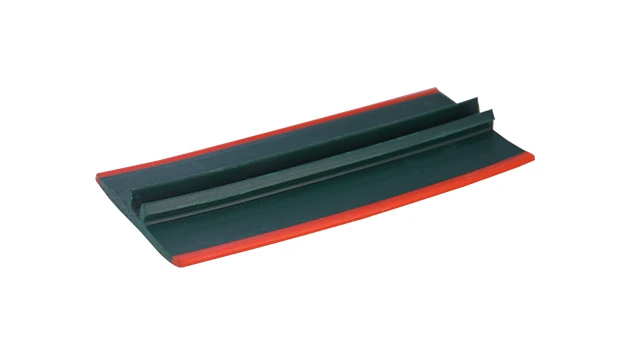
The tread strip fits into a T-slot channel and provides an anti-slip ribbed surface. It has a key pad that presses into a T-slot and is commonly used for adding traction on steps or as padding for doors. Tread strip can be ordered by rolls. The high quali
Aluminum Profile Rubber Strips in Telecommunication Equipment Racks: Dust and Moisture Protection
Let's start with a scene we've all indirectly relied on, even if we've never seen it: a dimly lit room, rows of tall, metallic structures humming softly, blinking with tiny lights. These are telecommunication equipment racks— the unsung heroes of our connected world. Inside them, servers, routers, switches, and fiber optic gear work round the clock to keep our calls, texts, videos, and social media posts flowing. But here's the thing: these racks aren't just metal boxes. They're ecosystems, and like any ecosystem, they're vulnerable to outside threats. Two of the most insidious? Dust and moisture.
Think about it: dust, that seemingly harmless mix of dirt, pollen, and fibers, loves to sneak into the tiniest gaps. Once inside a rack, it clogs cooling vents, insulates heat-generating components, and turns into a gritty paste when mixed with humidity—all recipes for overheating and system crashes. Moisture, on the other hand, is even more deceptive. A little condensation here, a damp corner there, and suddenly you're looking at corrosion on circuit boards, short circuits, or worse, permanent damage to expensive hardware.
So, how do we protect these critical systems? Enter aluminum extrusion profiles—the backbone of modern telecom racks. Lightweight, durable, and endlessly customizable, aluminum profiles have become the go-to choice for building sturdy, long-lasting racks. But even the best aluminum frame is only as strong as its weakest link: the gaps between its components. That's where aluminum profile accessories, specifically t-slot rubber seal covers, step in. These small, unassuming strips might not look like much, but they're the silent guardians that seal those gaps, keeping dust and moisture where they belong: outside the rack.
Think about it: dust, that seemingly harmless mix of dirt, pollen, and fibers, loves to sneak into the tiniest gaps. Once inside a rack, it clogs cooling vents, insulates heat-generating components, and turns into a gritty paste when mixed with humidity—all recipes for overheating and system crashes. Moisture, on the other hand, is even more deceptive. A little condensation here, a damp corner there, and suddenly you're looking at corrosion on circuit boards, short circuits, or worse, permanent damage to expensive hardware.
So, how do we protect these critical systems? Enter aluminum extrusion profiles—the backbone of modern telecom racks. Lightweight, durable, and endlessly customizable, aluminum profiles have become the go-to choice for building sturdy, long-lasting racks. But even the best aluminum frame is only as strong as its weakest link: the gaps between its components. That's where aluminum profile accessories, specifically t-slot rubber seal covers, step in. These small, unassuming strips might not look like much, but they're the silent guardians that seal those gaps, keeping dust and moisture where they belong: outside the rack.
The Hidden Battle: Why Dust and Moisture Are Telecom's Worst Enemies
To understand why t-slot rubber seal covers matter, let's first dive into the damage dust and moisture can really cause. Take dust, for example. In a busy data center, air conditioning systems circulate thousands of cubic feet of air per minute, and with that air comes dust. Even a thin layer of dust on a server's heat sink can reduce its cooling efficiency by 30%, according to a study by the Uptime Institute. That means components run hotter, fans work harder, and the risk of thermal shutdowns skyrockets. Over time, dust buildup can even short-circuit sensitive electronics by creating a conductive path between circuits.
Moisture is equally problematic, but in subtler ways. Telecom racks in coastal areas, for instance, face salt-laden humidity that eats away at metal components. In humid inland regions, condensation forms when warm air hits cool surfaces—like the inside of a rack cooled by AC. That condensation can drip onto circuit boards, causing corrosion or "tin whiskers," tiny metal filaments that grow between connections and cause shorts. I once spoke to a telecom engineer in Florida who described finding greenish corrosion on a router's motherboard after just six months of operation—all because a poorly sealed rack let in moist, salty air.
The cost of ignoring these threats? It's not just about replacing hardware. Downtime is the real killer. A 2023 report by the Ponemon Institute found that the average cost of a data center outage is $1.7 million per hour. For telecom providers, even a 10-minute outage can disrupt thousands of users, damage reputation, and lead to regulatory fines. Dust and moisture don't cause outages overnight—they're slow, cumulative threats. But that makes them even more dangerous: by the time you notice the problem, the damage is already done.
Moisture is equally problematic, but in subtler ways. Telecom racks in coastal areas, for instance, face salt-laden humidity that eats away at metal components. In humid inland regions, condensation forms when warm air hits cool surfaces—like the inside of a rack cooled by AC. That condensation can drip onto circuit boards, causing corrosion or "tin whiskers," tiny metal filaments that grow between connections and cause shorts. I once spoke to a telecom engineer in Florida who described finding greenish corrosion on a router's motherboard after just six months of operation—all because a poorly sealed rack let in moist, salty air.
The cost of ignoring these threats? It's not just about replacing hardware. Downtime is the real killer. A 2023 report by the Ponemon Institute found that the average cost of a data center outage is $1.7 million per hour. For telecom providers, even a 10-minute outage can disrupt thousands of users, damage reputation, and lead to regulatory fines. Dust and moisture don't cause outages overnight—they're slow, cumulative threats. But that makes them even more dangerous: by the time you notice the problem, the damage is already done.
Aluminum Extrusion Profiles: The Foundation of Modern Racks
So, why are aluminum extrusion profiles the top choice for telecom racks? Let's break it down. Aluminum is lightweight—about a third the weight of steel—making racks easier to install, reconfigure, and transport. But don't let the lightness fool you: when extruded into precise shapes, aluminum profiles are surprisingly strong. They resist bending and warping, even under the weight of heavy equipment.
Then there's corrosion resistance. Unlike steel, aluminum naturally forms a thin oxide layer that protects it from rust, making it ideal for both indoor and outdoor racks (think cell towers or outdoor data centers). And here's a key point for customization: aluminum extrusion profiles are made by forcing molten aluminum through a die, which means they can be shaped with intricate features—like t-slots. These t-slots are grooves running along the length of the profile, designed to hold accessories: brackets, panels, cable management clips, and yes, rubber seal covers.
Walk into any telecom equipment room, and you'll see racks built from standard aluminum profiles—common sizes like 4040 (40mm x 40mm) or 3030 (30mm x 30mm) profiles. These profiles are modular, so you can bolt them together to create racks of any height or width. But modularity comes with gaps: between vertical and horizontal beams, between panels and frames, and around doors. That's where aluminum profile accessories become critical. Without the right seals, those gaps are open invitations for dust and moisture.
Then there's corrosion resistance. Unlike steel, aluminum naturally forms a thin oxide layer that protects it from rust, making it ideal for both indoor and outdoor racks (think cell towers or outdoor data centers). And here's a key point for customization: aluminum extrusion profiles are made by forcing molten aluminum through a die, which means they can be shaped with intricate features—like t-slots. These t-slots are grooves running along the length of the profile, designed to hold accessories: brackets, panels, cable management clips, and yes, rubber seal covers.
Walk into any telecom equipment room, and you'll see racks built from standard aluminum profiles—common sizes like 4040 (40mm x 40mm) or 3030 (30mm x 30mm) profiles. These profiles are modular, so you can bolt them together to create racks of any height or width. But modularity comes with gaps: between vertical and horizontal beams, between panels and frames, and around doors. That's where aluminum profile accessories become critical. Without the right seals, those gaps are open invitations for dust and moisture.
T-Slot Rubber Seal Covers: The Small Accessory That Makes a Big Difference
If aluminum extrusion profiles are the bones of a telecom rack, t-slot rubber seal covers are the skin that keeps the elements out. These flexible strips are designed to snap into the t-slots of aluminum profiles, creating a tight, weatherproof seal wherever two components meet. Let's get up close with them: most are made from synthetic rubbers like EPDM (ethylene propylene diene monomer) or silicone, chosen for their flexibility, temperature resistance, and durability. They come in various sizes to fit different t-slot widths, and some even have "fins"—small, flared edges that compress when a panel or door is closed, ensuring a snug fit.
I visited a data center in Chicago last year where the facilities manager, Maria, showed me the difference these strips make. "We used to have issues with dust collecting on server fans," she said, pointing to a rack with t-slot seals. "Every quarter, we'd have to shut down a rack to clean the fans—now, with these seals, we can go six months or more. And the best part? They're cheap. A 10-foot strip costs less than a cup of coffee, but they save us hours of maintenance and prevent costly hardware failures."
What makes t-slot rubber seal covers so effective? It's all in the design. The t-slot itself acts as a channel, holding the seal in place even when the rack is vibrated (from nearby equipment or foot traffic). The rubber's elasticity allows it to conform to irregularities in the profile, filling gaps that rigid materials like plastic or metal can't. And because they're color-coded—common colors include black, grey, and yellow—they're easy to match with rack aesthetics or use as visual indicators (e.g., yellow for high-voltage zones).
I visited a data center in Chicago last year where the facilities manager, Maria, showed me the difference these strips make. "We used to have issues with dust collecting on server fans," she said, pointing to a rack with t-slot seals. "Every quarter, we'd have to shut down a rack to clean the fans—now, with these seals, we can go six months or more. And the best part? They're cheap. A 10-foot strip costs less than a cup of coffee, but they save us hours of maintenance and prevent costly hardware failures."
What makes t-slot rubber seal covers so effective? It's all in the design. The t-slot itself acts as a channel, holding the seal in place even when the rack is vibrated (from nearby equipment or foot traffic). The rubber's elasticity allows it to conform to irregularities in the profile, filling gaps that rigid materials like plastic or metal can't. And because they're color-coded—common colors include black, grey, and yellow—they're easy to match with rack aesthetics or use as visual indicators (e.g., yellow for high-voltage zones).
Types of T-Slot Rubber Seal Covers for Telecom Racks
| Material Type | Temperature Range | Key Features | Best For |
|---|---|---|---|
| EPDM Rubber | -40°C to 120°C (-40°F to 248°F) | Weather-resistant, good elasticity, cost-effective | Indoor racks, moderate humidity, general telecom use |
| Silicone Rubber | -60°C to 230°C (-76°F to 446°F) | High heat resistance, chemical-resistant, flexible at low temps | High-density server racks, outdoor cell towers, extreme environments |
| Neoprene Rubber | -30°C to 80°C (-22°F to 176°F) | Oil and grease-resistant, good for industrial settings | Telecom racks near factories or workshops with oil exposure |
Installing T-Slot Rubber Seals: It's Easier Than You Think
You might be thinking, "If these seals are so great, they must be hard to install, right?" Wrong. In fact, installing t-slot rubber seal covers is one of the simplest maintenance tasks you can do on a telecom rack. Let's walk through the process step by step, using a common scenario: sealing the edges of a rack door.
Step 1: Clean the t-slot. Dust and debris in the slot will prevent the seal from seating properly. Use a dry cloth or a small brush to wipe out any dirt. For stubborn grime, a damp cloth with mild soap works—just make sure the slot is dry before moving on.
Step 2: Measure and cut the seal. Most seals come in rolls of 10 or 20 feet. Measure the length of the t-slot you're sealing, then cut the seal with scissors or a utility knife. It's better to cut it slightly longer than needed—you can always trim the excess later.
Step 3: insert the seal into the t-slot. Start at one end of the slot and press the seal into place. You'll feel a slight "click" as the seal's base locks into the slot. For longer lengths, work slowly to avoid kinking the seal. If you make a mistake, gently pull the seal out and reinsert it—it's forgiving!
Step 4: Test the seal. Close the rack door and check for gaps. The seal should compress slightly, creating a tight barrier. If you see light coming through, adjust the seal or add a second layer (though this is rarely needed with properly sized seals).
I asked a junior technician, Jake, who'd just installed his first set of seals, what he thought. "I was nervous I'd mess it up," he laughed, "but it was easier than assembling IKEA furniture. The hardest part was cutting the seal straight—and even that wasn't bad with a ruler." The takeaway? You don't need specialized tools or training—just a little patience.
Step 1: Clean the t-slot. Dust and debris in the slot will prevent the seal from seating properly. Use a dry cloth or a small brush to wipe out any dirt. For stubborn grime, a damp cloth with mild soap works—just make sure the slot is dry before moving on.
Step 2: Measure and cut the seal. Most seals come in rolls of 10 or 20 feet. Measure the length of the t-slot you're sealing, then cut the seal with scissors or a utility knife. It's better to cut it slightly longer than needed—you can always trim the excess later.
Step 3: insert the seal into the t-slot. Start at one end of the slot and press the seal into place. You'll feel a slight "click" as the seal's base locks into the slot. For longer lengths, work slowly to avoid kinking the seal. If you make a mistake, gently pull the seal out and reinsert it—it's forgiving!
Step 4: Test the seal. Close the rack door and check for gaps. The seal should compress slightly, creating a tight barrier. If you see light coming through, adjust the seal or add a second layer (though this is rarely needed with properly sized seals).
I asked a junior technician, Jake, who'd just installed his first set of seals, what he thought. "I was nervous I'd mess it up," he laughed, "but it was easier than assembling IKEA furniture. The hardest part was cutting the seal straight—and even that wasn't bad with a ruler." The takeaway? You don't need specialized tools or training—just a little patience.
Beyond Dust and Moisture: Unexpected Benefits of T-Slot Seals
While dust and moisture protection is their primary job, t-slot rubber seal covers wear other hats too. Let's talk about noise reduction. Telecom racks can be surprisingly loud—fans, servers, and cooling systems generate a constant hum. Unsealed gaps let that noise escape, turning equipment rooms into echo chambers. Rubber seals dampen vibrations and block sound waves, reducing noise levels by 3-5 decibels, according to acoustic tests by the Acoustical Society of America. That might not sound like much, but in a room with 50 racks, it can make the difference between a tolerable workspace and a headache-inducing one.
Then there's cable management. Anyone who's worked with telecom racks knows the "cable spaghetti" problem: wires and fibers snaking through gaps, getting tangled or caught when doors are opened. T-slot seals act as a barrier, keeping cables inside the rack where they belong. Some seals even have notches or channels designed to route cables neatly—turning a messy rack into an organized one with minimal effort.
And let's not forget aesthetics. A rack with missing or damaged seals looks unprofessional—like a car with chipped paint. T-slot seals give racks a finished, polished look, which matters in client-facing spaces (yes, some telecom providers give tours!) or for teams that take pride in their work. As one facilities manager put it: "When everything looks neat and sealed, it sends a message that we care about the details. And that builds trust with our clients."
Then there's cable management. Anyone who's worked with telecom racks knows the "cable spaghetti" problem: wires and fibers snaking through gaps, getting tangled or caught when doors are opened. T-slot seals act as a barrier, keeping cables inside the rack where they belong. Some seals even have notches or channels designed to route cables neatly—turning a messy rack into an organized one with minimal effort.
And let's not forget aesthetics. A rack with missing or damaged seals looks unprofessional—like a car with chipped paint. T-slot seals give racks a finished, polished look, which matters in client-facing spaces (yes, some telecom providers give tours!) or for teams that take pride in their work. As one facilities manager put it: "When everything looks neat and sealed, it sends a message that we care about the details. And that builds trust with our clients."
Real-World Applications: Where T-Slot Seals Shine
T-slot rubber seal covers aren't just for big data centers—they're everywhere telecom equipment lives. Let's explore a few key settings:
Urban Data Centers: These facilities pack racks tightly together to save space, which means heat and dust buildup are major concerns. T-slot seals help contain cooling air within each rack, improving efficiency. In New York City, a data center using silicone seals reported a 12% reduction in AC costs after sealing all racks—because cold air wasn't leaking into adjacent hot aisles.
Outdoor Cell Towers: Cell towers are exposed to rain, snow, wind, and UV radiation. Here, silicone or EPDM seals are a must. A tower technician in Colorado told me about a winter storm that dumped two feet of snow—racks with t-slot seals had dry, clean interiors, while an older, unsealed rack had snowmelt dripping onto equipment. "That sealed rack saved us a $10,000 router," he said.
Edge Computing Sites: Edge racks are popping up in places like grocery stores, hospitals, and factories—locations with less controlled environments than traditional data centers. A hospital in Texas uses edge racks to process patient data locally; their aluminum profile racks, sealed with neoprene strips, resist the disinfectant sprays used to clean the room, ensuring equipment stays operational.
Maritime Telecom: Ships and offshore platforms face saltwater corrosion and extreme vibration. Stainless steel racks are common here, but aluminum profiles with silicone seals are gaining ground for their lightweight design. A cruise line reported that sealed aluminum racks required 50% less maintenance than steel racks in their engine rooms—no more scrubbing salt off corroded metal.
Urban Data Centers: These facilities pack racks tightly together to save space, which means heat and dust buildup are major concerns. T-slot seals help contain cooling air within each rack, improving efficiency. In New York City, a data center using silicone seals reported a 12% reduction in AC costs after sealing all racks—because cold air wasn't leaking into adjacent hot aisles.
Outdoor Cell Towers: Cell towers are exposed to rain, snow, wind, and UV radiation. Here, silicone or EPDM seals are a must. A tower technician in Colorado told me about a winter storm that dumped two feet of snow—racks with t-slot seals had dry, clean interiors, while an older, unsealed rack had snowmelt dripping onto equipment. "That sealed rack saved us a $10,000 router," he said.
Edge Computing Sites: Edge racks are popping up in places like grocery stores, hospitals, and factories—locations with less controlled environments than traditional data centers. A hospital in Texas uses edge racks to process patient data locally; their aluminum profile racks, sealed with neoprene strips, resist the disinfectant sprays used to clean the room, ensuring equipment stays operational.
Maritime Telecom: Ships and offshore platforms face saltwater corrosion and extreme vibration. Stainless steel racks are common here, but aluminum profiles with silicone seals are gaining ground for their lightweight design. A cruise line reported that sealed aluminum racks required 50% less maintenance than steel racks in their engine rooms—no more scrubbing salt off corroded metal.
Maintaining Your Seals: A Little Care Goes a Long Way
T-slot rubber seal covers are durable, but they don't last forever. Over time, UV radiation, temperature extremes, and friction (from opening/closing doors) can cause them to harden, crack, or loosen. Here's how to keep them in top shape:
Inspect quarterly: During routine rack checks, look for signs of wear: cracks, tears, or sections that have pulled out of the t-slot. Pay extra attention to seals around doors and panels—these get the most use.
Clean gently: Wipe seals with a dry or slightly damp cloth to remove dust. Avoid harsh chemicals like bleach or solvents, which can degrade rubber.
replace when needed: Most seals last 3-5 years indoors, 2-3 years outdoors (depending on climate). If you notice gaps or the seal feels hard (instead of flexible), replace it. It's a quick fix that prevents bigger problems later.
Choose the right material for your climate: In sunny areas, UV-resistant EPDM or silicone works best. In coastal areas, silicone resists salt better than EPDM. In cold climates, silicone stays flexible at low temps, while EPDM can harden slightly.
Remember Maria, the facilities manager from Chicago? "We keep a box of seals in the maintenance closet," she said. "When we spot a worn one, we replace it on the spot. It takes two minutes, and it's cheaper than waiting for a failure."
Inspect quarterly: During routine rack checks, look for signs of wear: cracks, tears, or sections that have pulled out of the t-slot. Pay extra attention to seals around doors and panels—these get the most use.
Clean gently: Wipe seals with a dry or slightly damp cloth to remove dust. Avoid harsh chemicals like bleach or solvents, which can degrade rubber.
replace when needed: Most seals last 3-5 years indoors, 2-3 years outdoors (depending on climate). If you notice gaps or the seal feels hard (instead of flexible), replace it. It's a quick fix that prevents bigger problems later.
Choose the right material for your climate: In sunny areas, UV-resistant EPDM or silicone works best. In coastal areas, silicone resists salt better than EPDM. In cold climates, silicone stays flexible at low temps, while EPDM can harden slightly.
Remember Maria, the facilities manager from Chicago? "We keep a box of seals in the maintenance closet," she said. "When we spot a worn one, we replace it on the spot. It takes two minutes, and it's cheaper than waiting for a failure."
At the end of the day, telecom equipment racks are more than just metal and wires—they're the lifelines of our digital world. Dust and moisture might seem like minor nuisances, but their impact is anything but. Aluminum extrusion profiles provide the strong, flexible foundation for these racks, but it's the small, humble t-slot rubber seal covers that keep them safe from the elements.
Whether you're a data center manager, a telecom engineer, or a technician installing your first rack, don't overlook these simple accessories. They're affordable, easy to install, and packed with benefits: less maintenance, fewer outages, lower costs, and peace of mind. In a world that relies on constant connectivity, sometimes the most important innovations are the ones that keep things simple—and sealed tight.
Whether you're a data center manager, a telecom engineer, or a technician installing your first rack, don't overlook these simple accessories. They're affordable, easy to install, and packed with benefits: less maintenance, fewer outages, lower costs, and peace of mind. In a world that relies on constant connectivity, sometimes the most important innovations are the ones that keep things simple—and sealed tight.