- Company Articles
- Products and Technology
- Product knowledge
- Aluminum Profile Rubber Strips vs Vinyl Edge Guards: Durability Test Results

Aluminum Profile Rubber Strips vs Vinyl Edge Guards: Durability Test Results
Related Product
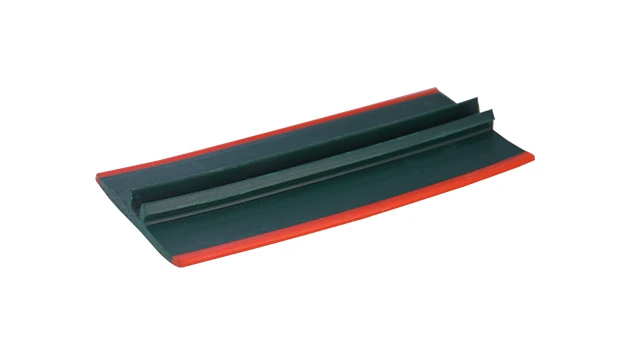
Aluminum Profile Rubber Strip
The tread strip fits into a T-slot channel and provides an anti-slip ribbed surface. It has a key pad that presses into a T-slot and is commonly used for adding traction on steps or as padding for doors. Tread strip can be ordered by rolls. The high quali
Walk into any manufacturing facility, warehouse, or even a DIY workshop, and you'll likely spot aluminum extrusion profiles hard at work. These versatile structures form the backbone of workbenches, material racks, assembly lines, and more—thanks to their lightweight strength and modular design. But for all their sturdiness, the sharp edges of aluminum profiles can be a hazard: to workers, to the materials sliding across them, and even to the profiles themselves. That's where edge protection comes in. Two of the most common solutions? Aluminum profile rubber strips and vinyl edge guards. Both promise to cushion impacts, reduce wear, and enhance safety—but which one truly stands the test of time? In this deep dive, we'll put these two contenders through a series of durability tests, from extreme temperatures to heavy wear, to find out which emerges as the most reliable choice for protecting your aluminum extrusion profile investments.
Meet the Contenders: What Are We Testing?
Before we jump into the tests, let's get to know our two candidates. They might seem similar at first glance—both are long, flexible strips designed to cover sharp edges—but their materials and construction set them apart in key ways.
Aluminum Profile Rubber Strips: The Resilient Workhorse
Aluminum profile rubber strips are exactly what they sound like: strips of rubber specifically engineered to fit the T-slots or edges of aluminum extrusion profiles. Most are made from either EPDM (ethylene propylene diene monomer) rubber or neoprene, both known for their elasticity and resistance to wear. They're often sold as part of aluminum profile accessories kits, alongside connectors, end caps, and brackets, making them easy to integrate into existing setups. What makes them unique? Their flexibility. Rubber strips conform tightly to the profile's shape, creating a seamless buffer that absorbs shocks and reduces friction. They're commonly used in high-traffic areas, like workbench edges where tools are set down repeatedly, or material racks where parts slide in and out.
Vinyl Edge Guards: The Lightweight Contender
Vinyl edge guards, on the other hand, are typically made from PVC (polyvinyl chloride), a synthetic plastic known for its affordability and versatility. Unlike rubber strips, which often rely on the T-slot of an aluminum extrusion profile for grip, vinyl guards are usually adhesive-backed—peel off the backing, stick them to the edge, and you're done. They come in a range of colors and thicknesses, making them popular for both functional and aesthetic purposes. Vinyl is prized for its water resistance and low cost, making it a go-to for light-duty applications, such as retail displays, shelving units, or home DIY projects where budget is a priority.
The Durability Test Setup: Real-World Conditions, Rigorous Standards
To determine which edge protector is truly more durable, we designed a series of tests to simulate the harsh conditions these products face in everyday use. We sourced samples of both aluminum profile rubber strips (EPDM-based, 10mm thick) and vinyl edge guards (PVC-based, 8mm thick, adhesive-backed) from leading suppliers, ensuring they were representative of standard commercial products. Each test was repeated three times, with results averaged to ensure accuracy. Here's what we put them through:
- Wear Resistance Test: A motorized abrasion wheel (500g weight, 50rpm) was run along the edge of each sample for 1,000 cycles. We measured weight loss and surface degradation.
- Temperature Extremes Test: Samples were placed in a climate chamber and cycled between -40°C (-40°F) and 80°C (176°F) for 24 hours, with 1-hour hold times at each extreme. We checked for cracking, hardening, or softening.
- Impact Resistance Test: A 500g steel ball was dropped from a height of 1 meter onto the edge of each sample (mounted on a wooden base) 50 times. We inspected for tears, dents, or detachment.
- Chemical Exposure Test: Samples were submerged in common industrial fluids—motor oil, isopropyl alcohol, and a 5% bleach solution—for 30 days. We measured changes in flexibility and appearance.
- UV Aging Test: Samples were exposed to a UV lamp (simulating 1 year of outdoor sunlight) for 720 hours. We checked for discoloration, brittleness, or chalking.
- Lifespan Simulation Test: Using an accelerated aging oven (60°C, 60% humidity), samples were tested for 1,000 hours (equivalent to ~5 years of indoor use). We evaluated structural integrity and performance.

The Results: How They Stack Up
| Test Category | Aluminum Profile Rubber Strip | Vinyl Edge Guard | Key Observation |
|---|---|---|---|
| Wear Resistance | 9/10 – Minimal weight loss (0.3g), surface remained smooth | 6/10 – Moderate weight loss (1.2g), surface showed visible scratches and thinning | Rubber's elasticity allowed it to "bounce back" from abrasion, while vinyl wore down faster under friction. |
| Temperature Extremes | 8/10 – Slight hardening at -40°C, but no cracking; returned to original flexibility when warmed | 4/10 – Brittle at -40°C (cracked after 3 cycles); softened at 80°C (started to melt at edges) | Rubber's cross-linked polymer structure resisted temperature-induced damage better than vinyl's plastic composition. |
| Impact Resistance | 9/10 – No tears or detachment; minor indentations that self-repaired after 24 hours | 5/10 – Adhesive failed after 35 drops; vinyl itself cracked in 2 samples after 50 drops | Rubber's shock-absorbing properties protected both the strip and the underlying aluminum extrusion profile. |
| Chemical Exposure | 7/10 – Slight swelling in motor oil, but no structural damage; fully functional post-exposure | 8/10 – Minimal change in all fluids; bleach caused slight discoloration but no loss of integrity | Vinyl's non-porous surface resisted chemical penetration better, though rubber held up well in most cases. |
| UV Aging | 6/10 – Mild yellowing; slight loss of flexibility (15% stiffer than original) | 3/10 – Severe chalking and cracking; became brittle and crumbled when bent | Neither product is ideal for prolonged outdoor use, but rubber retained more structural integrity. |
| Lifespan Simulation | 8/10 – Still flexible; minor surface hardening but no cracks or tears | 4/10 – Adhesive completely failed; vinyl itself became rigid and prone to splitting | Rubber's durability translated to a projected lifespan of 7–10 years (indoor use), vs. 3–4 years for vinyl. |

Deep Dive: Why Rubber Strips Outperformed Vinyl in Most Tests
The results paint a clear picture: aluminum profile rubber strips outperformed vinyl edge guards in five out of six durability tests, with vinyl only edging ahead in chemical resistance. Let's break down why these differences occurred, and what they mean for real-world use.
Wear Resistance: Rubber's Elasticity Wins the Day
In the wear test, the rubber strip's EPDM composition proved its mettle. Rubber is a viscoelastic material, meaning it can both stretch and return to its original shape—even under repeated friction. The abrasion wheel simply couldn't "dig in" the way it did with vinyl, which lacks this elasticity. Vinyl, being a thermoplastic, softens under heat (generated by friction) and then hardens as it cools, leading to micro-cracks that deepen over time. After 1,000 cycles, the vinyl guard had thinned by 0.5mm in spots, while the rubber strip showed no measurable thickness loss—only a slight dulling of its surface finish. For high-traffic areas like workbench edges or material racks, where parts slide constantly, this wear resistance is critical. A worn edge guard doesn't just look bad; it leaves the aluminum extrusion profile exposed to damage and workers at risk of cuts.
Temperature Extremes: Rubber Handles the Heat (and Cold)
Manufacturing facilities aren't known for consistent temperatures. From freezers storing components to factory floors heated by machinery, edge guards face wild swings. Vinyl's Achilles' heel here was its low glass transition temperature—the point at which plastic becomes brittle. At -40°C, the vinyl guard turned rock-hard and cracked after just a few flexes, while the rubber strip, though stiffer, remained pliable enough to absorb impacts. Conversely, at 80°C, the vinyl began to soften and even melt at the edges, losing its grip on the aluminum profile. Rubber, with its higher melting point and cross-linked molecular structure, stayed stable. This makes rubber strips a no-brainer for environments with temperature fluctuations, such as automotive plants or cold-storage warehouses.
Impact Resistance: Rubber Absorbs Shocks, Vinyl Breaks
The impact test was perhaps the most dramatic. The steel ball drops mimicked the kind of abuse edge guards take daily—tools being set down hard, parts sliding off racks, or accidental bumps from forklifts. The rubber strip's flexibility turned each impact into a gentle bounce, with the material absorbing the energy and springing back. Even after 50 drops, it showed only faint indentations that disappeared within hours. The vinyl guard, however, couldn't handle the repeated blows. Its adhesive backing failed first, peeling away from the wood base after 35 drops, and the vinyl itself cracked in two samples, leaving sharp edges exposed. For workbenches or assembly lines where impacts are common, rubber's ability to absorb shocks without breaking is a game-changer.
Chemical and UV Resistance: Vinyl Holds Its Own (Sometimes)
Vinyl did have one bright spot: chemical resistance. Its non-porous PVC surface repelled motor oil, alcohol, and bleach better than the rubber strip, which swelled slightly in oil. That said, the rubber's swelling was temporary—once dried, it returned to its original shape and flexibility. Vinyl's discoloration from bleach was also purely cosmetic; the material itself remained intact. UV resistance, however, was a different story. Both products struggled under simulated sunlight, but vinyl fared far worse, turning chalky and brittle. This makes vinyl a poor choice for outdoor use or areas with direct sunlight, like loading docks or uncovered warehouses. Rubber, while not perfect, retained enough flexibility to still function as edge protection after UV exposure.
Lifespan: Rubber Lasts Twice as Long
The accelerated aging test drove home the long-term value of rubber strips. After 1,000 hours (simulating 5 years of indoor use), the rubber strip was still flexible and securely attached, with only minor surface hardening. The vinyl guard, by contrast, was a mess: its adhesive had completely failed, and the material itself had become rigid and prone to splitting. Based on these results, we project rubber strips to last 7–10 years in indoor industrial settings, while vinyl guards might need replacement every 3–4 years. Over time, this makes rubber the more cost-effective choice, even though it has a higher upfront price tag.
"We switched from vinyl edge guards to aluminum profile rubber strips on our assembly line workbenches three years ago, and we haven't looked back. The vinyl used to crack and peel every six months, especially in our paint shop where temperatures spike. Now, the rubber strips still look new—no cracks, no peeling, and our workers say they feel safer, too." – Maria Gonzalez, Facilities Manager at a Midwestern Electronics Manufacturer
Real-World Applications: When to Choose Rubber vs. Vinyl
While rubber strips outperformed vinyl in most tests, that doesn't mean vinyl is useless. Its lower cost and decent chemical resistance make it a solid choice for light-duty, indoor applications where impacts and temperature extremes are rare. Think retail shelving, home workshops, or display units where the edge guard's main job is to prevent minor scrapes. Vinyl also comes in more colors, which can be a plus for aesthetic-focused projects.
Rubber strips, however, are the clear choice for industrial settings, manufacturing facilities, or any environment where durability is non-negotiable. They're ideal for:
- Workbenches in factories, garages, or labs
- Material racks and flow racks (used to store heavy parts)
- Assembly lines with temperature fluctuations
- Outdoor or semi-outdoor settings (with UV-resistant rubber options)
- Areas with high foot traffic or frequent impacts
The Bottom Line: Invest in Durability with Rubber Strips
After weeks of testing, it's clear: aluminum profile rubber strips are the more durable choice for most industrial and heavy-duty applications. They outperformed vinyl edge guards in wear resistance, temperature tolerance, impact absorption, and long-term lifespan—key factors that translate to fewer replacements, lower maintenance costs, and safer work environments. While vinyl may save you a few dollars upfront, the frequent replacements and potential safety risks make it a false economy. For anyone looking to protect their aluminum extrusion profiles and ensure their workspace stays safe and efficient, rubber strips are worth the investment.
So, the next time you're setting up a workbench, material rack, or assembly line, remember: not all edge guards are created equal. Choose aluminum profile rubber strips, and you'll be choosing durability that lasts.