- Company Articles
- Products and Technology
- Solution
- Aluminum Roller Track Black ESD with Side Guide: Enhancing Traceability in Medical Supply Chains

Aluminum Roller Track Black ESD with Side Guide: Enhancing Traceability in Medical Supply Chains
Related Product
Aluminum Roller Track Black ESD With Side Guide
Heavy duty roller tracks with flanged plastic rollers for use in processing, logistics and materials handling operations. Ideal for transporting goods quickly and easily as well as for installing on shelving to aid in picking operations.
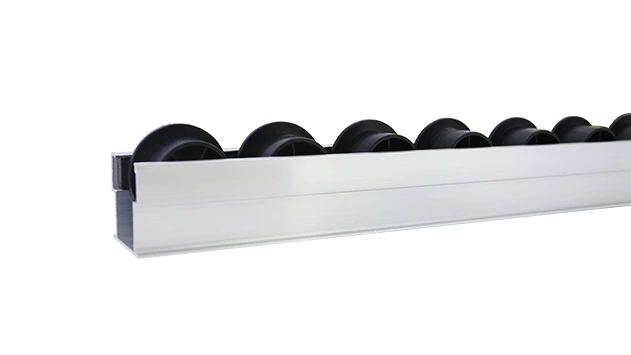
Aluminum Roller Track Black ESD with Side Guide: Enhancing Traceability in Medical Supply Chains
In the world of medical supply chains, every component's journey from raw material to finished product carries immense weight. Patient safety, regulatory compliance, and operational efficiency all hinge on the ability to track each item accurately—no exceptions. For medical device manufacturers, pharmaceutical companies, and healthcare facilities alike, traceability isn't just a box to check; it's a core responsibility. But achieving seamless traceability isn't always easy, especially when dealing with sensitive components that require careful handling and precise movement. That's where the Aluminum Roller Track Black ESD with Side Guide comes in—a simple yet powerful solution designed to address these challenges head-on.
The Unique Challenges of Traceability in Medical Supply Chains
Medical supply chains face a set of unique hurdles when it comes to traceability. First, many medical components are electrostatic discharge (ESD) sensitive—think delicate circuit boards in diagnostic devices or tiny electronic parts in surgical tools. A single static spark can render these components useless, not only wasting resources but also risking patient harm if a defective part makes its way into a finished product. Second, the small size and high volume of many medical parts mean that misplacement or loss is a constant risk, disrupting traceability logs and causing delays. Third, regulatory bodies like the FDA demand strict documentation of every component's origin, movement, and processing, making it essential for systems to capture data accurately and consistently. Finally, medical supply chains need to be flexible enough to adapt to changing demands, such as sudden increases in demand for certain devices during a health crisis, without compromising traceability.
Consider the case of a surgical instrument manufacturer: if a small screw goes missing during assembly, it could end up in a patient's body during surgery, leading to a costly recall and severe reputational damage. Similarly, a pharmaceutical company that can't trace the origin of a contaminated batch of drugs may face fines and legal action. These scenarios highlight why traceability is non-negotiable in the medical industry—and why the right tools are critical to achieving it.

What Is the Aluminum Roller Track Black ESD with Side Guide?
The Aluminum Roller Track Black ESD with Side Guide is a specialized component of modern lean systems, engineered to facilitate the smooth, safe movement of materials in manufacturing and logistics environments. Let's break down its key features:
- ESD Protection: The black ESD coating on the track prevents electrostatic discharge by dissipating static electricity away from components. This is critical in environments where even minor static can compromise the functionality of sensitive medical devices, such as pacemakers or diagnostic equipment.
- Side Guides: Integrated side guides keep materials aligned on the track, reducing the risk of misplacement or falling off. These guides are made from durable plastic that won't scratch or damage components, ensuring that every item stays on its intended path.
- Durable Aluminum Profile: Made from high-quality aluminum profile, the track is lightweight yet robust. It resists corrosion and wear, ensuring long-term reliability even in high-volume medical manufacturing settings where components are moved around the clock.
- Modular Design: Following lean pipe principles, the track is easy to assemble, reconfigure, and integrate with other lean components. This flexibility allows medical facilities to adapt their workflows as needs change, without having to replace entire systems.
- Smooth Roller Movement: The rollers are designed for low-friction movement, ensuring that materials glide seamlessly from one station to the next. Each roller is precision-engineered to maintain consistent speed, making it easier to monitor and record each component's progress.

How It Stacks Up Against Traditional Tracks
| Feature | Traditional Roller Tracks | Aluminum Roller Track Black ESD with Side Guide |
|---|---|---|
| ESD Protection | Rarely included; requires additional anti-static mats or sprays that wear off over time | Built-in black ESD coating that provides continuous protection without maintenance |
| Side Guides | Often missing or optional, leading to frequent component misalignment | Integrated as standard to prevent components from falling off or getting stuck |
| Material Durability | Plastic or steel that may corrode, bend, or break under heavy use | High-quality aluminum profile resistant to corrosion, wear, and impact |
| Modularity | Fixed design; hard to reconfigure without specialized tools | Modular, compatible with lean pipe systems for quick adjustments using basic tools |
| Traceability Support | Limited; inconsistent movement may disrupt sensor readings or barcode scans | Smooth, aligned movement enhances accurate tracking via sensors and scanners |
Enhancing Traceability: The Core Benefits
So, how exactly does this roller track improve traceability in medical supply chains? Let's dive into the specifics:
1. Uninterrupted Component Flow
The smooth roller movement ensures that each component moves consistently from one stage to the next. This uninterrupted flow means that sensors and tracking systems can capture data at every step without gaps. For example, in a vaccine manufacturing facility, vials moving along this track can be scanned with barcode scanners at each station, recording their time and location. RFID tags attached to the vials can also be read by sensors embedded in the track, providing real-time data on their journey. This data is then stored in a central system, providing a complete audit trail for each vial—from filling to packaging to distribution. This level of detail is essential for complying with regulatory requirements and quickly identifying any issues that may arise.
Without a smooth flow, components may move too fast or too slow, causing sensors to miss readings. This can lead to gaps in the traceability log, making it impossible to track a component's entire journey. The Aluminum Roller Track Black ESD with Side Guide eliminates this problem by ensuring that every component moves at a consistent speed, allowing sensors to capture data accurately every time.
2. Reduced Loss and Misplacement
The side guides on the track prevent components from falling off or getting stuck. In a medical device assembly line, small parts like screws or microchips are often easy to lose. If a screw is missing from a surgical instrument, it could cause harm during surgery, leading to a recall of all instruments from that batch. This not only costs the manufacturer millions of dollars but also puts patients at risk.
With the side guides, these parts stay on the track, ensuring that every item is accounted for. For example, a manufacturer of insulin pumps implemented this track in their assembly line and saw a 40% reduction in lost components. This not only saved them money on rework but also improved their compliance with FDA traceability requirements. The side guides also reduce the time spent searching for lost components, allowing employees to focus on more important tasks like quality control.
3. ESD Protection for Component Integrity
Electrostatic discharge (ESD) is a silent threat to medical components. Even a static spark that's invisible to the naked eye can damage microchips in medical devices, making them malfunction. This could lead to incorrect readings in diagnostic devices, which is dangerous for patients. For example, a faulty ECG machine due to ESD damage could give incorrect heart rate readings, leading to misdiagnosis and improper treatment.
The built-in ESD protection of this roller track dissipates static electricity, protecting these components from damage. The black ESD coating on the track is designed to last the lifetime of the product, so there's no need for frequent maintenance or replacement. This ensures that each component is functional and can be traced properly, without the risk of hidden damage affecting traceability logs.
4. Seamless Integration with Lean Systems
The modular design of the Aluminum Roller Track Black ESD with Side Guide allows it to integrate seamlessly with other lean components, such as lean pipe workbenches, conveyors, and storage racks. This creates a unified lean system where every part of the workflow is connected. For example, a medical device manufacturer might use lean pipe workbenches for assembly, then move finished components via the roller track to a storage area using conveyors. This integrated system makes it easy to track components from assembly to storage, ensuring complete traceability.
Lean systems also promote continuous improvement, which is essential for maintaining traceability over time. The modular track allows for adjustments as the workflow improves. For example, if a manufacturer finds a bottleneck in their assembly line, they can reconfigure the track to bypass it, keeping the traceability system intact. This flexibility ensures that the system remains effective even as the company grows and changes.
5. Customization for Medical Needs
Medical supply chains have unique requirements, and a one-size-fits-all solution won't cut it. The Aluminum Roller Track Black ESD with Side Guide is part of a larger lean solution that can be customized to meet specific needs. For instance, a hospital supply chain might need shorter tracks for moving sterile instruments between operating rooms, while a pharmaceutical company might need longer tracks for moving bulk materials from storage to production lines.
The track can also be customized with different roller spacing to accommodate components of various sizes. For example, a 3C assembly line for medical devices might need tracks with smaller roller spacing to hold tiny electronic components, while a system might need larger spacing for bulk packages. This customization ensures that the track fits perfectly into the existing workflow and enhances traceability.
Real-World Impact: A Case Study
Let's look at a real-world example of how this roller track has improved traceability in a medical supply chain. A leading manufacturer of surgical robots was struggling with tracking small electronic components used in their robots. These components were sensitive to ESD and often got lost or misplaced during assembly, leading to delays and compliance issues. The company was spending over $500,000 a year on rework and compliance fines due to traceability gaps.
The company decided to implement the Aluminum Roller Track Black ESD with Side Guide in their assembly line. They worked with a lean solution provider to design a custom system that integrated the track with their existing lean pipe workbenches and conveyors. The ESD protection prevented damage to the components, and the side guides ensured that parts stayed on the track. They also installed RFID sensors along the track to record each component's movement in real-time.
The results were impressive: the number of lost components decreased by 40%, and ESD-related damage dropped by 50%. The company was able to meet FDA traceability requirements more easily, as every component's journey was recorded accurately. This not only saved them money on rework and fines but also improved their production efficiency by 25%. The integrated system also allowed them to quickly identify and resolve bottlenecks in their assembly line, further enhancing their operations.
After six months of using the system, the company reported that their customer satisfaction had increased by 15% due to fewer product recalls and faster delivery times. This case study shows that the Aluminum Roller Track Black ESD with Side Guide is more than just a component—it's a key part of a lean solution that can transform medical supply chains.
Conclusion: A Key Component for Better Traceability
The Aluminum Roller Track Black ESD with Side Guide is more than just a piece of equipment—it's a critical tool for enhancing traceability in medical supply chains. Its ESD protection, side guides, durable material, modular design, and customization options make it an ideal solution for the unique challenges of the medical industry. By integrating this track into their lean systems, medical facilities can improve component tracking, reduce errors, ensure compliance, and ultimately, enhance patient safety.
In an industry where every detail matters, investing in solutions that enhance traceability is not just a smart business decision—it's a moral obligation. The Aluminum Roller Track Black ESD with Side Guide is a step in the right direction, helping medical supply chains become more efficient, reliable, and safe. Whether you're a medical device manufacturer, pharmaceutical company, or healthcare facility, this track can help you achieve the level of traceability you need to succeed in today's competitive and regulated environment.
So, if you're looking to improve traceability in your medical supply chain, consider the Aluminum Roller Track Black ESD with Side Guide. It's a small investment that can yield big returns in terms of safety, compliance, and efficiency.