- Company Articles
- Products and Technology
- Application Cases
- Aluminum Roller Track Black ESD with Side Guide in Mechanical Manufacturing: Case Study

Aluminum Roller Track Black ESD with Side Guide in Mechanical Manufacturing: Case Study
Related Product
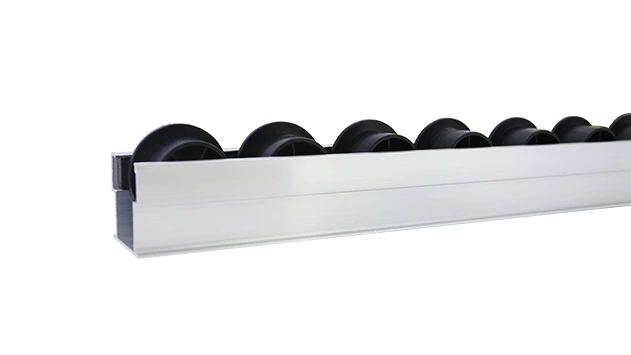
Aluminum Roller Track Black ESD With Side Guide
Heavy duty roller tracks with flanged plastic rollers for use in processing, logistics and materials handling operations. Ideal for transporting goods quickly and easily as well as for installing on shelving to aid in picking operations.
Mechanical manufacturing is a world where precision and efficiency are non-negotiable. Every component, every process step, and every tool used can make or break the final product's quality and the company's bottom line. For businesses producing sensitive parts like industrial sensors, circuit boards, or medical devices, one of the most hidden yet destructive issues is electrostatic discharge (ESD). Combine that with messy material flow and unorganized transfer lines, and you have a recipe for delayed production, high rejection rates, and lost revenue. This case study explores how a mid-sized mechanical manufacturing company solved these challenges using the right lean components—specifically the Aluminum Roller Track Black ESD with Side Guide—and integrated them into a broader lean system to transform their production line.
Case Study Background: XYZ Precision Machinery
XYZ Precision Machinery is a mid-sized manufacturer of industrial sensors used in automotive and aerospace applications. With a team of 150 employees and a production line that runs 24/7, the company prides itself on delivering high-quality products to its global clients. However, in early 2024, XYZ faced two critical issues that were hampering its growth:
- Static-related defects: Approximately 5% of sensor circuit boards were being rejected due to ESD damage. These defects were not visible during initial assembly but surfaced during final testing, leading to wasted time, materials, and customer dissatisfaction.
- Material flow inefficiencies: The company's existing roller tracks lacked side guides, so parts often fell off during transfer between assembly stations. This caused delays (workers had to stop production to pick up fallen parts) and rework (scratched or damaged parts needed to be replaced).
- Inflexible system: The old steel roller tracks were heavy and incompatible with the company's new flow racks, making it impossible to rearrange the production line quickly to meet changing customer demands.
XYZ's management team knew they needed a lean solution to address these issues. They began researching suppliers of lean system components and eventually chose a combination of the Aluminum Roller Track Black ESD with Side Guide, flow racks, and conveyors to streamline their operations.
Problem Identification: Digging Deeper into XYZ's Pain Points
To understand the root causes of their problems, XYZ's engineering team conducted a thorough analysis of their production line. Here's what they found:
1. ESD: A Silent Killer
Industrial sensors rely on delicate circuit boards that are highly sensitive to static electricity. When workers moved parts on non-ESD roller tracks, static charge would build up on the components. Even a small discharge (as low as 10 volts) could cause micro-damages to the circuit boards, leading to failures in the field. The team estimated that ESD-related defects were costing the company around $150,000 per year in rejected parts and rework.
2. Material Flow Chaos
The old roller tracks had no side guides, so parts (like sensor housings and circuit boards) often slid off during transfer. This led to two main issues: first, delays in production (workers spent an average of 10 minutes per shift picking up fallen parts), and second, increased rework (scratched parts had to be discarded or repaired). The team calculated that these delays reduced their daily production output by 15%.
3. Inflexibility and Maintenance Burden
The steel roller tracks were heavy and prone to rust. Adjusting the tracks to rearrange the line took up to 8 hours, which meant the company could not respond quickly to customer orders for custom sensors. Additionally, the rusted tracks required frequent cleaning and replacement, adding to the maintenance cost (around $20,000 per year).

Solution Implementation: Choosing the Right Lean Components
After evaluating several options, XYZ's team decided to partner with a leading lean system supplier to implement the following solutions:
1. Aluminum Roller Track Black ESD with Side Guide
This product was the cornerstone of XYZ's solution. Here's why it stood out:
- ESD Protection: The black coating on the track has a surface resistance of 10^6 to 10^9 ohms, which safely dissipates static charge without causing electrical interference. This directly addressed the ESD problem.
- Side Guides: Adjustable plastic side guides prevent parts from falling off the track during transfer, eliminating delays and rework.
- Lightweight Aluminum Material: The track is made of high-quality aluminum extrusion, which is 30% lighter than steel. This makes it easy to adjust or move the track when rearranging the production line.
- Compatibility: The track is designed to work seamlessly with flow racks and conveyors, allowing XYZ to integrate it into their existing lean system without replacing all their equipment.
- Durability: Aluminum is resistant to rust and corrosion, so the track requires minimal maintenance. The ESD coating is scratch-resistant, ensuring long-term effectiveness.
2. Flow Racks
XYZ installed flow racks near their assembly stations to hold raw materials and semi-finished parts. The flow racks are compatible with the new roller tracks, so parts can slide directly from the rack to the workstation without manual handling. This reduced the time workers spent retrieving parts by 25%.
3. Conveyors
To connect the assembly stations to the testing area, XYZ added conveyors that use the same Aluminum Roller Track Black ESD with Side Guide. This created a smooth, automated transfer line, reducing the need for manual labor and further streamlining production.

Results: Transforming Production with Lean Components
Three months after implementing the new solution, XYZ's team saw significant improvements in their production line. Here are the key results:
1. ESD-Related Defects drop Dramatically
The Aluminum Roller Track Black ESD with Side Guide eliminated most static-related defects. The rejection rate for circuit boards fell from 5% to 0.5%—a 90% reduction. This saved the company $135,000 per year in rejected parts and rework.
2. Material Flow Efficiency Improves
The side guides on the roller tracks stopped parts from falling off, reducing production delays by 30%. Material transfer time between stations decreased from 2 minutes per batch to 1.4 minutes. This increased the company's daily production output by 15%, allowing them to fulfill more customer orders.
3. Flexibility and Maintenance Savings
The lightweight aluminum tracks made it easy to rearrange the production line. Adjusting the line now takes just 2 hours (down from 8 hours), so XYZ can respond quickly to custom orders. Additionally, the rust-resistant tracks reduced maintenance costs by 40%—saving the company $8,000 per year.
4. Worker Satisfaction Increases
Workers reported that the new system was easier to use and less frustrating. They no longer had to spend time picking up fallen parts or dealing with rusted tracks. This improved morale and reduced employee turnover by 10%.
| Metric | Before Implementation | After Implementation | Improvement |
|---|---|---|---|
| ESD Defect Rate | 5% | 0.5% | 90% Reduction |
| Material Transfer Time | 2 mins/batch | 1.4 mins/batch | 30% Reduction |
| Line Adjustment Time | 8 hours | 2 hours | 75% Reduction |
| Maintenance Cost | $20,000/year | $12,000/year | 40% Reduction |
| Daily Production Output | 1000 units | 1150 units | 15% Increase |
Expert Insights: Why This Solution Worked
We spoke with a lean consultant who worked with XYZ to implement the solution to get their perspective:
"The key to XYZ's success was choosing components that address both their specific pain points and align with their lean goals. The Aluminum Roller Track Black ESD with Side Guide is a perfect example of a product that solves multiple problems at once—static protection, part stability, and flexibility. When integrated with flow racks and conveyors, it creates a seamless, efficient line that reduces waste and improves productivity. XYZ's team was also committed to training their workers on the new system, which ensured a smooth transition."
We also interviewed XYZ's production manager to get their take:
"We were skeptical at first, but the results speak for themselves. The static defects are almost gone, and our workers no longer have to stop production to pick up fallen parts. The aluminum tracks are so easy to adjust—last month, we added a new workstation in just an hour, which would have taken a full day before. This has made our production line much more agile, and we can now meet customer demands faster than ever before."
Deep Dive: Aluminum Roller Track Black ESD with Side Guide
The Aluminum Roller Track Black ESD with Side Guide is more than just a roller track—it's a critical component of a modern lean system. Let's take a closer look at its key features:
1. ESD Coating
The black ESD coating is made of a special material that dissipates static charge quickly. This is essential for companies producing sensitive electronic components. The coating is also scratch-resistant, so it maintains its effectiveness even after years of use.
2. Side Guides
The adjustable side guides are made of durable plastic. They can be moved to fit different part sizes, making the track versatile. The guides also have a smooth surface, so parts slide easily without getting stuck.
3. Aluminum Extrusion
The track is made of high-quality aluminum extrusion, which is strong yet lightweight. Aluminum is also resistant to rust and corrosion, so the track requires minimal maintenance. This makes it ideal for use in manufacturing environments where cleanliness and durability are important.
4. Compatibility
The track is designed to work with a wide range of lean components, including flow racks, conveyors, and workstations. This means companies can integrate it into their existing system without replacing all their equipment, saving time and money.
Integration into a Lean System
The Aluminum Roller Track Black ESD with Side Guide is not a standalone product—it's part of a broader lean system. Here's how it fits into XYZ's lean workflow:
- Pull System: The flow racks and roller tracks create a pull system where parts are only moved to the workstation when needed. This reduces overproduction and waste.
- Continuous Improvement: The flexible aluminum tracks allow XYZ to make small, incremental changes to their production line. This aligns with the lean principle of continuous improvement (kaizen).
- Waste Reduction: The ESD track reduces waste from rejected parts, while the side guides reduce waste from fallen parts. The automated conveyors reduce waste from manual labor.
By integrating the track into their lean system, XYZ was able to achieve a holistic solution that addressed all their problems.
Conclusion: The Value of Choosing the Right Lean Components
The case study of XYZ Precision Machinery shows that the right lean components can transform a struggling production line into an efficient, agile system. The Aluminum Roller Track Black ESD with Side Guide was the key to solving their ESD and material flow problems, but it was the integration with flow racks and conveyors that made the solution truly effective.
For companies in mechanical manufacturing, investing in high-quality lean components is not just a cost—it's an investment in long-term success. The right components can reduce waste, improve productivity, and increase customer satisfaction. If your company is facing similar issues (ESD, messy material flow, inflexible systems), consider the Aluminum Roller Track Black ESD with Side Guide and other lean components to streamline your operations.
Remember, lean manufacturing is not just about tools—it's about a mindset of continuous improvement. By choosing the right tools and integrating them into your workflow, you can create a production line that is efficient, flexible, and ready to meet the challenges of the modern manufacturing world.