- Company Articles
- Products and Technology
- Product knowledge
- Aluminum Roller Track Black ESD with Side Guide vs. Stainless Steel: Which Suits Your Factory?

Aluminum Roller Track Black ESD with Side Guide vs. Stainless Steel: Which Suits Your Factory?
Related Product
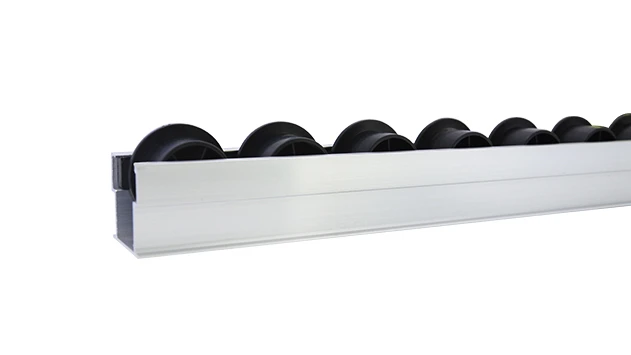
Aluminum Roller Track Black ESD With Side Guide
Heavy duty roller tracks with flanged plastic rollers for use in processing, logistics and materials handling operations. Ideal for transporting goods quickly and easily as well as for installing on shelving to aid in picking operations.
Aluminum Roller Track Black ESD with Side Guide vs. Stainless Steel: Which Suits Your Factory?
For factory managers and production teams, choosing the right roller track isn't just about picking a piece of equipment—it's a decision that ripples through your entire operation. It affects how smoothly parts move down the line, how often you deal with product damage, and even how well your setup aligns with lean manufacturing principles. If your plant handles ESD-sensitive components (like 3C gadgets or medical devices), static electricity can turn a perfect batch into scrap. If you're moving heavy, greasy automotive parts, a flimsy track can lead to costly downtime. So when it comes to two popular options—aluminum roller track black ESD with side guide and stainless steel roller tracks—how do you know which one is right for your lean solution?
Let's dive deep into both types, break down their features, benefits, and ideal use cases, and help you make an informed choice that fits your factory's unique needs.
What Are Roller Tracks, and Why Do They Matter?
Before we compare the two options, let's get on the same page about what roller tracks do. Roller tracks are the backbone of many flow racks and conveyors—they let parts glide from one workstation to the next with minimal effort, reducing manual lifting and speeding up production. They're a core part of lean systems because they help eliminate waste (like unnecessary movement) and improve workflow efficiency.
But not all roller tracks are created equal. The material, coating, and design can make a huge difference in how well they perform for your specific products and industry. Let's start with the aluminum roller track black ESD with side guide.
Aluminum Roller Track Black ESD with Side Guide: The Go-To for ESD-Sensitive Lean Systems
If your factory deals with products that can be damaged by static electricity—think smartphones, circuit boards, or medical sensors—this roller track is designed for you. Let's break down its key features and why it's a favorite in lean systems like 3C assembly lines.
Key Features
- Black ESD Coating: The track's surface is coated to dissipate static electricity, preventing it from building up and damaging sensitive components. This is non-negotiable for industries like 3C assembly and medical device manufacturing.
- Side Guides: The built-in side guides keep parts from sliding off the track, which is critical for small, delicate items. No more chasing components across the floor or dealing with broken parts.
- Aluminum Material: Aluminum is lightweight but strong, making the track easy to install and reconfigure (a big plus for lean systems that need to adapt quickly). It's also corrosion-resistant, so it holds up well in clean, controlled environments.
- Lean Compatibility: This track integrates seamlessly with flow racks and conveyors, so you can build a flexible, reusable system that grows with your production needs. It's designed to support the "reduce, reuse, improve" lean (lean philosophy) that Sunqit emphasizes.
Benefits for Your Factory
The aluminum ESD track isn't just about static protection—it's about making your line more efficient and cost-effective:
- Minimizes Product Damage: The ESD coating reduces scrap rates from static-related issues, saving you money on wasted parts.
- Easy to Reconfigure: Since it's lightweight and compatible with lean system accessories, you can adjust your flow rack or conveyor setup in minutes—no need for heavy tools or downtime.
- Cost-Effective: While the initial cost is moderate, the low maintenance and long lifespan (when cared for) make it a smart investment over time.
- Ideal for Clean Environments: The aluminum and ESD coating are easy to wipe clean, which is perfect for 3C assembly lines where dust and debris can cause issues.
Real-World Use Cases
Let's look at how this track is used in actual factories:
- 3C Assembly Lines: A smartphone manufacturer uses this track in their flow racks to move circuit boards from the soldering station to the testing station. The ESD coating ensures no static damage, and the side guides keep the boards aligned perfectly.
- Medical Device Manufacturing: A company making insulin pumps uses the track to transport small sensor components. The clean, static-free surface meets strict medical industry standards.
- Electronic Component Warehouses: A logistics firm uses the track in their conveyors to sort and ship sensitive electronic parts. The flexibility lets them adjust the conveyor layout as their inventory changes.
Stainless Steel Roller Tracks: The Heavy-Duty Workhorse for Harsh Environments
Now, let's talk about stainless steel roller tracks—part of the stainless steel pipe series. These are the tough guys of the roller track world, built to handle heavy loads and harsh conditions. If your factory deals with greasy automotive parts, food processing, or heavy machinery, this is the track for you.
Key Features
- Stainless Steel Material: Made from high-grade stainless steel (like 304 or 316), these tracks are rust-proof, scratch-resistant, and easy to clean. They can handle exposure to oils, water, and chemicals without breaking down.
- Heavy-Duty Load Capacity: Unlike aluminum, stainless steel can support much heavier loads—perfect for moving engine parts, metal components, or large containers.
- No ESD Coating (Unless Customized): By default, stainless steel tracks don't have ESD protection. But if you need it, some suppliers (like Sunqit) can add a coating for specific use cases.
- Durability: These tracks are built to last. They can withstand constant use, heavy impacts, and harsh cleaning (like pressure washing in food factories).
Benefits for Your Factory
Stainless steel tracks are all about reliability and longevity:
- Handles Harsh Conditions: If your line uses oils, greases, or chemicals (like automotive or food processing), stainless steel won't corrode or degrade. This reduces maintenance costs and downtime.
- High Load Capacity: You can move heavy parts (like engine blocks or metal sheets) without worrying about the track bending or breaking.
- Easy to Clean: For food and beverage factories, stainless steel is a must—it's non-porous, so it doesn't trap bacteria or debris. A quick wipe or wash is all it takes to keep it sanitary.
- Long Lifespan: While the initial cost is higher than aluminum, stainless steel tracks can last for decades with minimal maintenance. This makes them a great long-term investment.
Real-World Use Cases
Here's where stainless steel tracks shine:
- Automotive Manufacturing: A car factory uses these tracks to move engine parts from the machining station to the assembly line. The stainless steel resists oil and grease, and the high load capacity handles the heavy engine blocks.
- Food Processing: A bakery uses stainless steel tracks in their conveyors to move dough trays. The track is easy to clean, meeting food safety standards.
- Heavy Machinery: A construction equipment manufacturer uses the tracks to move large metal components. The durability ensures the track can handle constant use and heavy loads.
Head-to-Head Comparison: Aluminum ESD vs. Stainless Steel
To make it easier to choose, let's put the two tracks side by side in a table:
| Feature | Aluminum Roller Track Black ESD with Side Guide | Stainless Steel Roller Track (Stainless Steel Pipe Series) |
|---|---|---|
| Core Material | Aluminum + Black ESD Coating | High-Grade Stainless Steel (304/316) |
| ESD Protection | Built-in (dissipates static) | None (custom coating available) |
| Max Load Capacity | Up to 200 kg/m (varies by model) | Up to 500 kg/m (varies by model) |
| Corrosion Resistance | Good (resists mild chemicals, no rust) | Excellent (resists oils, water, harsh chemicals) |
| Ideal Environments | 3C assembly, medical devices, electronic components | Automotive, food processing, heavy machinery |
| Initial Cost | Moderate | Higher |
| Lean System Compatibility | High (flexible, easy to reconfigure) | Medium (durable but less flexible) |
| Maintenance Needs | Low (wipe clean, check coating integrity) | Very Low (wash with water, no coating to maintain) |
| Best For | Static-sensitive, lightweight to medium-weight parts | Heavy loads, harsh conditions, sanitary needs |
How to Choose the Right Track for Your Factory?
Now that you know the differences, let's walk through the steps to pick the perfect track for your operation:
1. Assess Your Product's Needs
First, ask yourself: Are your products ESD-sensitive? If yes, the aluminum ESD track is a must. Do you move heavy parts (over 200 kg/m)? Then stainless steel is the way to go.
2. Consider Your Industry
- 3C Assembly/Medical: Aluminum ESD track (static protection, clean environment).
- Automotive/Heavy Machinery: Stainless steel (heavy loads, oils/greases).
- Food Processing: Stainless steel (sanitary, easy to clean).
- Logistics/Warehousing: Depends on the items—aluminum for electronics, stainless steel for heavy boxes.
3. Align with Your Lean Goals
If you're focused on lean systems (reusable, flexible, easy to improve), aluminum ESD tracks are better. They let you reconfigure your flow racks or conveyors quickly as your production line changes. Stainless steel is durable but less flexible—great if your line is stable and doesn't need frequent adjustments.
4. Think About Long-Term Cost
Aluminum ESD tracks have a moderate initial cost but low maintenance. Stainless steel has a higher upfront cost but lasts longer and needs almost no maintenance. Calculate the total cost of ownership (initial cost + maintenance + replacement) over 5-10 years to make the best choice.
Custom Solutions: Tailoring Tracks to Your Factory
Sometimes, off-the-shelf tracks don't fit your exact needs. That's where custom solutions come in. Suppliers like Sunqit offer tailored designs for both aluminum ESD and stainless steel tracks. For example:
- If you need a longer aluminum ESD track for your conveyor, they can cut it to size.
- If you need stainless steel tracks with ESD coating for a food processing line that handles static-sensitive packaging, they can add the coating.
- If you need tracks to fit a unique flow rack design for your medical device line, they can design and build it from scratch.
Custom solutions ensure that your roller tracks integrate perfectly with your existing setup, whether it's a lean system for 3C assembly or a heavy-duty line for automotive parts.
Final Thoughts: Which Track Is Right for You?
At the end of the day, the choice between aluminum roller track black ESD with side guide and stainless steel comes down to your factory's unique needs. If you handle ESD-sensitive products and value flexibility, aluminum is the clear winner. If you need to handle heavy loads in harsh conditions, stainless steel is the way to go.
No matter which you choose, remember that the best roller track is one that fits your lean solution, reduces waste, and improves your production efficiency. And if you're not sure, don't hesitate to reach out to a supplier like Sunqit—they can help you assess your needs and find the perfect track for your factory.