- Company Articles
- Products and Technology
- Product knowledge
- Aluminum Saddle Pipe Clamps: Key Benefits for Lean Pipe Systems

Aluminum Saddle Pipe Clamps: Key Benefits for Lean Pipe Systems
Related Product
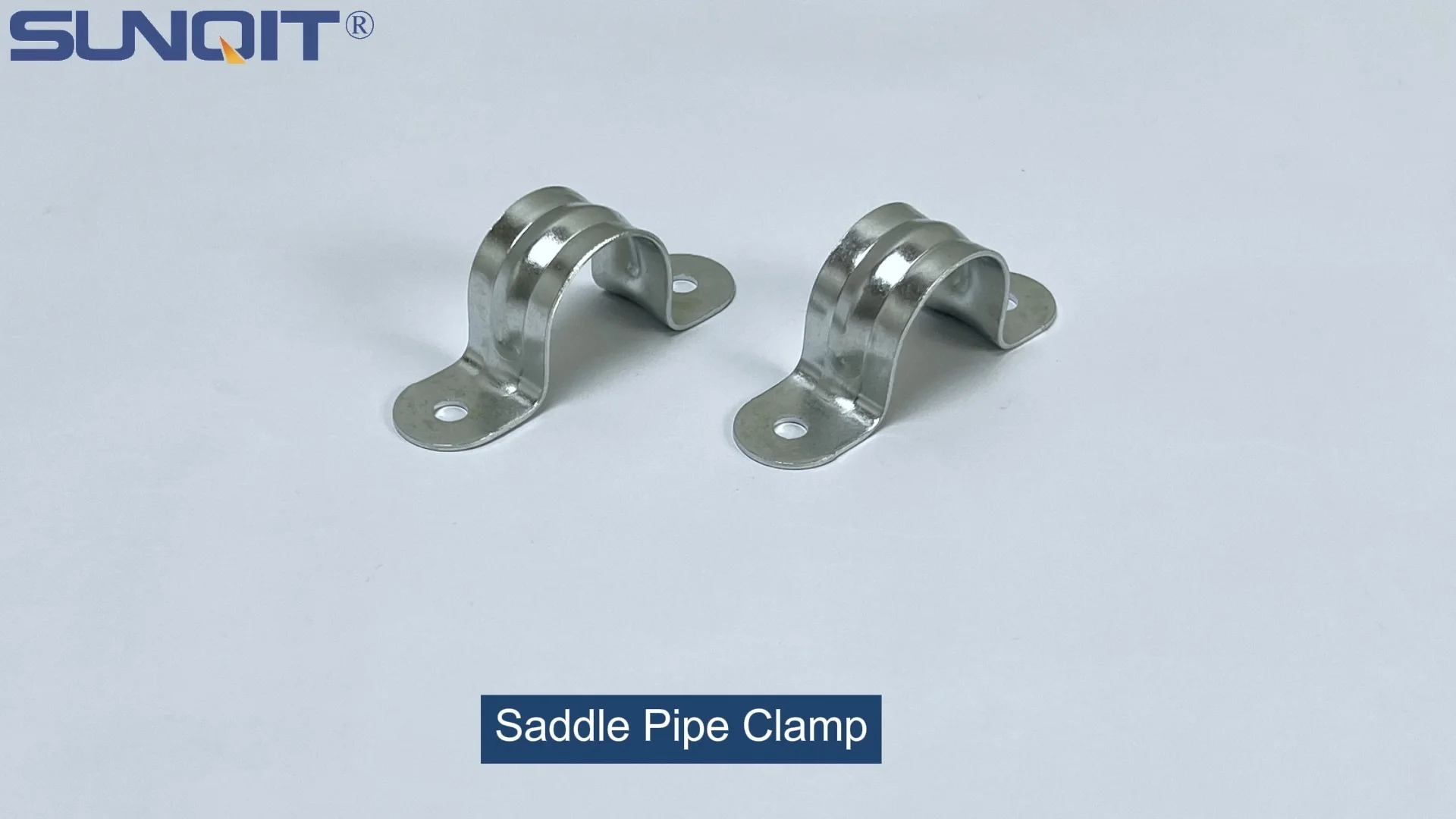
Saddle Pipe Clamp
Saddle pipe clamp, used for board connect with pipe, usually for table top installation.
Introduction: The Backbone of Modern Lean Manufacturing
In today's fast-paced manufacturing world, where agility and efficiency are the names of the game, lean pipe systems have emerged as unsung heroes. These systems—built from modular pipes, joints, and accessories—are the backbone of production floors, warehouses, and assembly lines worldwide. What makes them so indispensable? Their ability to adapt. Unlike rigid, fixed structures, lean pipe systems can be reconfigured in hours (or even minutes) to meet shifting production needs, reduce waste, and keep workflows humming. From workbenches and material racks to conveyor lines and turnover trolleys, they're the chameleons of industrial design, embodying the core principles of lean manufacturing: eliminate waste, optimize flow, and empower teams to improve continuously.
But even the most flexible system is only as strong as its weakest link. That's where components like aluminum saddle pipe clamps come into play. These small but mighty connectors are the glue that holds lean pipe systems together—literally. They secure pipes to frames, attach accessories, and ensure that every part of the system stays stable, even under the daily grind of heavy loads and constant use. In this article, we'll dive deep into what aluminum saddle pipe clamps are, how they work, and why they've become a go-to choice for manufacturers invested in lean systems. We'll explore their key benefits, from durability and ease of use to cost-effectiveness, and show how they align perfectly with the goals of modern, efficient production.
What Are Aluminum Saddle Pipe Clamps?
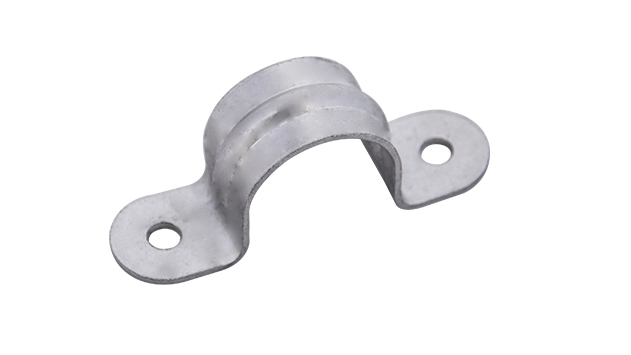
Let's start with the basics: What exactly is an aluminum saddle pipe clamp? At its core, it's a specialized connector designed to join pipes—typically lean pipes, aluminum pipes, or aluminum profiles—to other components in a lean system. The "saddle" part refers to its curved, U-shaped design, which wraps around the pipe like a saddle on a horse, creating a secure grip without damaging the pipe's surface. Made from high-grade aluminum, these clamps are lightweight yet surprisingly strong, engineered to balance durability with flexibility.
Unlike traditional welding or bolted connections, aluminum saddle clamps use a simple, mechanical design to fasten pipes. Most models feature a two-piece structure: a curved base (the saddle) that fits around the pipe and a top plate or bracket that attaches to another component—say, an aluminum profile, a workbench frame, or a roller track. They're secured with bolts, screws, or sometimes even tool-free knobs, making installation and adjustments a breeze. This simplicity is intentional: in lean manufacturing, every second saved on setup or reconfiguration translates to more time spent on value-adding tasks.
But aluminum saddle clamps aren't just about holding pipes together. They're part of a larger ecosystem of aluminum pipe accessories, working in tandem with lean pipe joints, aluminum profiles, and other components to create cohesive, functional systems. Whether you're building a lightweight material rack, a sturdy workbench, or a dynamic flow rack, these clamps ensure that every connection is reliable, repeatable, and ready to adapt when your needs change.
Key Benefit 1: Durability Meets Lightweight Design
When it comes to industrial components, two traits often pull in opposite directions: durability and weight. Heavy steel clamps might be tough, but they're cumbersome to handle and can add unnecessary bulk to a system. Plastic clamps are light but can crack under stress or degrade over time. Aluminum saddle pipe clamps strike the perfect balance.
Aluminum, by nature, is both strong and lightweight. A typical aluminum saddle clamp weighs 30-50% less than a steel clamp of the same size, making it easier for workers to handle during installation or reconfiguration. This lightness is a game-changer on the production floor: imagine a team needing to adjust a workbench height or reposition a material rack—lighter clamps mean less physical strain and faster setup times. And don't let the weight fool you: aluminum is surprisingly robust. High-grade aluminum alloys (like 6061 or 6063, commonly used in industrial applications) offer excellent tensile strength, meaning they can withstand the constant vibrations, impacts, and weight loads of daily use without bending or warping.
Another advantage? Corrosion resistance. Unlike steel, which rusts when exposed to moisture, oil, or chemicals, aluminum forms a natural oxide layer that protects it from corrosion. This makes aluminum saddle clamps ideal for environments like food processing plants, pharmaceutical labs, or even outdoor warehouses, where exposure to the elements or harsh substances is common. Over time, this resistance translates to a longer lifespan—many aluminum clamps last 10+ years with minimal maintenance, outperforming plastic or untreated steel alternatives.

Key Benefit 2: Easy Installation & Adjustment—No Welding Required
Ask any manufacturing engineer about their biggest headaches, and "downtime" will likely top the list. Whether it's due to equipment breakdowns, retooling, or system reconfigurations, every minute a production line is idle costs money. Aluminum saddle pipe clamps address this pain point head-on with their incredibly simple installation process.
Traditional pipe connections often require welding, drilling, or specialized tools—processes that are time-consuming, messy, and irreversible. If you need to move a pipe even an inch, you'd have to cut the weld, reposition, and weld again. Not with aluminum saddle clamps. Thanks to their bolt-on or screw-on design, they can be installed with basic hand tools (a wrench or hex key, in most cases) in minutes. No sparks, no fumes, no waiting for materials to cool or cure.
But the real magic is in their adjustability. Lean manufacturing thrives on continuous improvement, which means systems need to evolve. Maybe a workbench needs to be raised by 6 inches to improve ergonomics, or a material rack needs an extra shelf to accommodate a new product size. With aluminum saddle clamps, these changes are straightforward. Loosen the bolts, reposition the clamp, retighten, and you're done. No need to replace the entire structure—just tweak the connections. This flexibility not only reduces downtime but also empowers frontline workers to make on-the-spot improvements, fostering a culture of ownership and innovation.
Consider this scenario: A electronics manufacturer launches a new smartphone model, and the assembly line needs to be reconfigured to accommodate smaller components. With aluminum saddle clamps, the team can adjust the height of their aluminum profile workbench, reposition roller tracks, and add new shelving—all in under an hour. With traditional welded steel clamps, that same task might take half a day, requiring a maintenance crew and specialized equipment. The difference in productivity is staggering.

Key Benefit 3: Universal Compatibility with Lean Pipe Systems
Lean pipe systems are all about modularity—mixing and matching components to create custom solutions. For a clamp to be truly useful, it needs to play well with others. Aluminum saddle pipe clamps excel here, offering broad compatibility with the most common components in lean systems.
First, they work seamlessly with lean pipes. Whether you're using traditional steel lean pipes, PE-coated lean pipes, or lightweight aluminum pipes, the saddle's curved design ensures a snug fit. The clamps are available in various sizes (to match pipe diameters from 20mm to 40mm, the industry standard), so you can find the perfect fit for your setup.
They also pair beautifully with aluminum profiles. T-slot aluminum profiles—those grooved rails used in everything from machine frames to workbenches—are a staple in modern lean systems. Aluminum saddle clamps can be attached directly to these profiles via their T-slots, using bolts or sliding nuts. This means you can connect pipes to profiles, profiles to pipes, or even pipes to pipes at angles, opening up endless design possibilities.
And let's not forget about accessories. From roller tracks and casters to shelves and brackets, aluminum saddle clamps can anchor almost any component in a lean system. Need to attach a roller track to a material rack? Use a saddle clamp to secure the track to the rack's vertical pipes. Want to add a caster wheel to the bottom of a turnover trolley? A clamp can fasten the caster's mounting plate to the trolley's frame. This versatility makes them a one-stop solution for building integrated, functional systems.
Key Benefit 4: Cost-Effective in the Long Run
At first glance, aluminum saddle pipe clamps might seem pricier than plastic alternatives. But lean manufacturing is about looking beyond upfront costs to total cost of ownership—and here, aluminum clamps deliver significant savings over time.
Let's start with durability. As we mentioned earlier, aluminum clamps last for years, even in harsh industrial environments. Plastic clamps, on the other hand, can crack, fade, or become brittle when exposed to heat, chemicals, or heavy loads, requiring frequent replacements. Steel clamps might last, but they're prone to rust, which can weaken connections over time and stain pipes or profiles. With aluminum, you're investing in a component that won't need to be swapped out every 6-12 months, reducing replacement costs and the labor associated with installing new parts.
Then there's reusability. In lean systems, components are rarely "one and done." When a line is reconfigured, pipes, profiles, and clamps are often repurposed for new projects. Aluminum saddle clamps hold up perfectly to this cycle of use and reuse. Their mechanical connections don't degrade with repeated adjustments, so you can take them apart, move them, and reassemble them dozens of times without losing performance. Plastic clamps, by contrast, can strip or break when screws are tightened and loosened repeatedly, making them single-use in many cases.
Finally, there's the savings from reduced downtime. As we discussed earlier, aluminum clamps are fast to install and adjust. Every minute saved on setup or reconfiguration is a minute the production line is running, generating revenue. Over time, these minutes add up to significant cost savings—far outweighing any small difference in upfront clamp prices.
How Aluminum Saddle Clamps Stack Up Against the Competition
To truly appreciate the value of aluminum saddle pipe clamps, it helps to see how they compare to other common clamp types. Let's take a look at a side-by-side comparison with steel saddle clamps and plastic saddle clamps, two popular alternatives:
| Feature | Aluminum Saddle Clamps | Steel Saddle Clamps | Plastic Saddle Clamps |
|---|---|---|---|
| Weight | Lightweight (30-50% lighter than steel) | Heavy | Lightest |
| Corrosion Resistance | Excellent (natural oxide layer) | Poor (prone to rust without coating) | Good (resistant to moisture, but not chemicals) |
| Installation Time | Fast (basic tools, no welding) | Slow (may require welding or heavy tools) | Fast (similar to aluminum) |
| Adjustability | High (reusable, withstands repeated adjustments) | Low (welded connections are permanent; bolted are stiff) | Medium (prone to stripping with repeated use) |
| Durability | High (10+ year lifespan with proper use) | High (but rust reduces lifespan) | Low (cracks under heavy loads or UV exposure) |
| Cost (Total Ownership) | Low (durable, reusable, low maintenance) | Medium (high upfront cost, replacement due to rust) | High (frequent replacements needed) |
As the table shows, aluminum saddle clamps strike the best balance across key metrics. They're lighter than steel, more durable than plastic, and just as easy to install as both. For lean pipe systems—where flexibility, longevity, and efficiency are priorities—they're the clear choice.
Real-World Applications: Where Aluminum Saddle Clamps Shine
To bring this all to life, let's look at a few real-world scenarios where aluminum saddle pipe clamps make a tangible difference. These examples show how they're not just theoretical benefits—they're practical solutions to everyday manufacturing challenges.
1. Workbench Assembly
Workbenches are the heart of any assembly line, and they need to be sturdy, adjustable, and tailored to the task at hand. A manufacturer building electronic circuit boards, for instance, might need a workbench with a (ESD) top, integrated tool storage, and adjustable height. Aluminum saddle clamps make this possible by securing the workbench's frame (built from aluminum profiles) to its legs (lean pipes or aluminum pipes). If a worker needs the bench higher, the clamps can be loosened, the legs adjusted, and retightened in minutes—no need to rebuild the entire bench.
2. Material Flow Racks
Flow racks are designed to keep materials moving smoothly from storage to production, using gravity or roller tracks. For these racks to work, the roller tracks must be securely mounted at a precise angle to ensure proper flow. Aluminum saddle clamps attach the tracks to the rack's vertical pipes, holding them steady even as boxes or parts slide over them. If the rack needs to be reconfigured for larger parts, the clamps can be moved to adjust the track angle or add/remove levels—all without disrupting the rest of the system.
3. Turnover Trolleys
Turnover trolleys are used to transport materials between stations, and they need to be both lightweight and stable. Aluminum saddle clamps secure the trolley's frame (aluminum pipes or profiles) to its caster wheels, ensuring the wheels stay aligned and the trolley rolls smoothly. When the trolley needs to be repurposed (say, to carry heavier loads), the clamps can be swapped out for larger, heavy-duty models, or the frame can be reinforced by adding cross-braces—all without replacing the entire trolley.
Conclusion: The Small Component That Drives Big Results
In the world of lean pipe systems, it's easy to overlook the "small stuff"—the clamps, joints, and accessories that hold everything together. But as we've explored, aluminum saddle pipe clamps are anything but insignificant. They're the unsung heroes that make lean systems truly lean: durable enough to withstand daily use, flexible enough to adapt to change, and cost-effective enough to deliver long-term value.
From their lightweight, corrosion-resistant design to their tool-free installation and universal compatibility, these clamps embody the principles of lean manufacturing. They reduce waste (by minimizing downtime and reusability), optimize flow (by enabling quick reconfigurations), and empower teams (by making adjustments accessible to anyone, not just specialized technicians).
So the next time you walk through a production floor, take a closer look at the workbenches, racks, and trolleys around you. Chances are, aluminum saddle pipe clamps are holding them together—quietly, reliably, and efficiently. And that's the point: in lean manufacturing, the best components are the ones that work so well, you don't even notice them. They just let you get on with what matters most: making great products, faster and better than ever before.