- Company Articles
- Products and Technology
- Product knowledge
- Aluminum Saddle Pipe Clamps: Reducing Weight for Ergonomic Workbench Designs

Aluminum Saddle Pipe Clamps: Reducing Weight for Ergonomic Workbench Designs
Related Product
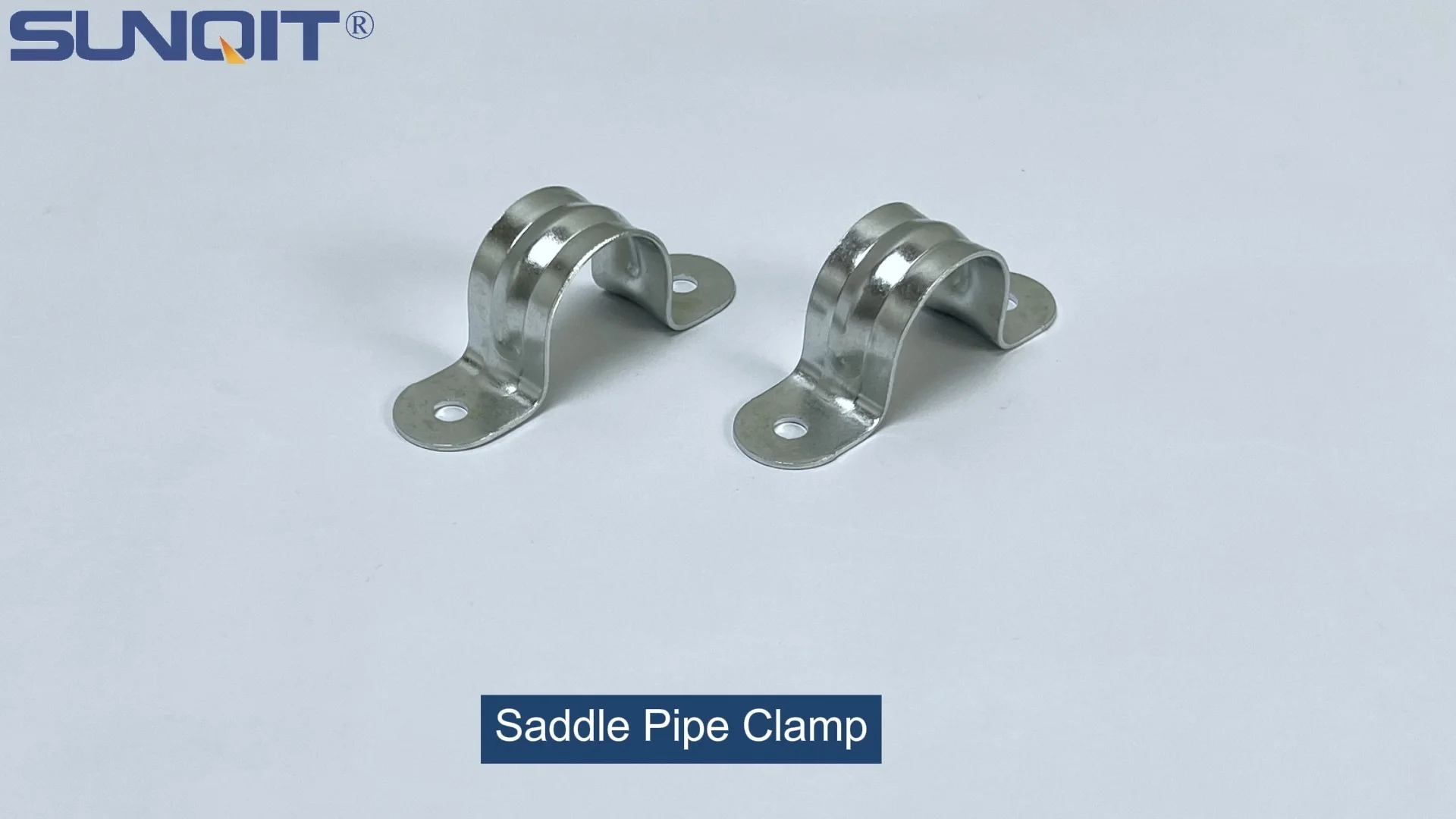
Saddle Pipe Clamp
Saddle pipe clamp, used for board connect with pipe, usually for table top installation.
Walk into any manufacturing facility, warehouse, or assembly line, and you'll notice one thing that ties every operation together: the workbench. It's more than just a table; it's the heartbeat of productivity. Workers lean on it, tools rest on it, and products take shape on it. But here's the catch: not all workbenches are created equal. For years, many facilities have stuck with heavy, rigid setups—think steel pipes, bulky clamps, and fixed structures—that prioritize durability over adaptability. What they often overlook? The impact of these workbenches on the people using them. Ergonomics isn't just a buzzword; it's about designing spaces that protect worker health, reduce fatigue, and boost efficiency. And when it comes to ergonomic workbench design, one small but mighty component is changing the game: aluminum saddle pipe clamps .
In this article, we'll dive into how aluminum saddle pipe clamps are revolutionizing workbench design by slashing weight without sacrificing strength. We'll explore why traditional setups fall short, how aluminum's unique properties make it a superior material, and how these clamps work hand-in-hand with aluminum pipe , aluminum profile , and even caster wheel systems to create workbenches that are lightweight, adaptable, and truly worker-centric. Whether you're a plant manager looking to upgrade your production line or a designer crafting the next generation of workspaces, understanding the role of aluminum saddle pipe clamps could be the key to unlocking a more efficient, ergonomic future.
The Problem with Traditional Workbench Setups: Heavy, Rigid, and Unforgiving
Let's start with the status quo. For decades, steel has been the go-to material for workbench frames. It's strong, affordable, and readily available. Pair that with steel clamps, and you've got a setup that can withstand heavy loads—no doubt about it. But strength comes at a cost: weight. A typical steel pipe workbench with fixed clamps can weigh upwards of 200 pounds. That might not sound like much on paper, but in practice, it creates a cascade of issues.
First, mobility is out the window. Once that steel workbench is bolted down or even just assembled, moving it is a two-person job (if not more). Need to reconfigure the production line to accommodate a new product? Good luck—you'll be scheduling downtime, rounding up a crew, and potentially risking injury to shift that heavy frame. Over time, this rigidity leads to stagnant workspaces. Workers adapt to the bench, not the other way around. If a taller employee needs the bench raised by a few inches or a shorter one needs it lower, you're stuck. Fixed height, fixed layout, fixed frustration.
Then there's the ergonomic toll. Heavy workbenches often mean fixed positions, which force workers into repetitive motions or awkward postures. Bend over to reach tools on a low shelf, strain to lift materials onto a high surface—these small, repeated actions add up. The Bureau of Labor Statistics reports that musculoskeletal disorders (MSDs) account for nearly 30% of workplace injuries, and a significant portion of those stem from poorly designed workstations. A heavy, unadjustable workbench isn't just inefficient; it's a silent contributor to worker fatigue and long-term health issues.
Worst of all, traditional steel clamps compound these problems. They're bulky, require tools to adjust, and once tightened, they're stubborn to loosen. Want to add a shelf, reposition a rail, or swap out a component? You'll need a wrench, time, and patience. In a fast-paced production environment, where every minute counts, that's a luxury you can't afford. Steel clamps also corrode over time, especially in humid or industrial settings, leading to rust that jams adjustments and shortens the bench's lifespan. It's a setup built for the past—one where change was slow and workers were expected to adapt to the space, not the other way around.
Aluminum: The Lightweight Revolution in Workbench Design
Enter aluminum. If steel is the workhorse of the past, aluminum is the innovator of the present. Its rise in manufacturing and workspace design isn't by accident—it's a material that checks all the boxes: lightweight, strong, and surprisingly versatile. Let's break down why aluminum is the perfect foundation for ergonomic workbenches, starting with the numbers.
Aluminum weighs roughly 1/3 of steel. That's a game-changer. A 10-foot length of 1.5-inch steel pipe weighs about 20 pounds; the same length of aluminum pipe? Just 7 pounds. When you scale that up to a full workbench frame—pipes, clamps, and all—you're looking at a weight reduction of 50-60%. Suddenly, that 200-pound steel bench becomes a 80-100-pound aluminum one. But here's the kicker: aluminum doesn't skimp on strength. Thanks to alloys like 6061-T6, aluminum pipe and profiles offer a tensile strength of 45,000 psi—more than enough to handle the day-to-day demands of a production workbench (think 200-300 pounds of tools, materials, and products).
Beyond weight and strength, aluminum brings other perks to the table. It's naturally corrosion-resistant, so you won't have to worry about rust eating away at joints or clamps in damp environments. It's also malleable, which means it can be extruded into complex shapes—like the T-slots in aluminum profile systems—that make assembly a breeze. No more welding or drilling; just slide, lock, and go. This combination of lightness, strength, and adaptability has made aluminum the material of choice for modern, ergonomic workbench design. But even the best aluminum pipes and profiles need a way to connect—and that's where aluminum saddle pipe clamps step in.
Aluminum Saddle Pipe Clamps: The Unsung Heroes of Lightweight Assembly
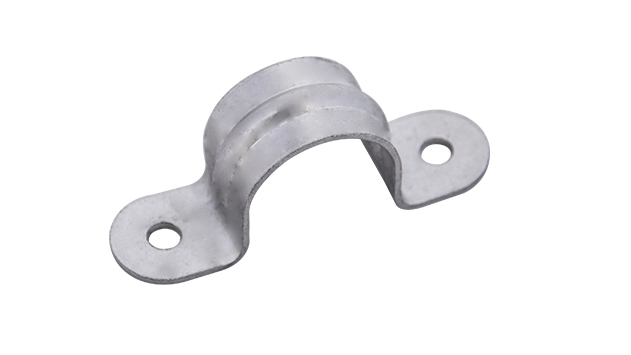
If aluminum pipes and profiles are the bones of a modern workbench, then aluminum saddle pipe clamps are the joints that hold it all together—literally. But what exactly are they? At their core, these clamps are designed to secure pipes (usually aluminum) to frames, shelves, or other components without the need for welding, drilling, or heavy hardware. Their "saddle" shape—curved to fit the contour of a pipe—distributes pressure evenly, ensuring a tight, stable connection without damaging the pipe itself. But it's their material and design that make them so revolutionary.
Traditional steel clamps might weigh 2-3 pounds each; aluminum saddle clamps? A mere 0.3-0.5 pounds. Multiply that by the dozens of clamps used in a typical workbench, and you're looking at a weight savings of 30-40 pounds right there. That might not sound like much, but when combined with aluminum pipes, it's the difference between a workbench that's movable and one that's stuck in place. But lightness isn't their only trick. Aluminum saddle clamps are also designed for speed and flexibility.
Most models feature quick-release levers or thumb screws, so you can adjust or reposition them in seconds—no tools required. Need to raise a shelf by 6 inches to accommodate a taller worker? Loosen the clamp, slide the pipe, retighten. Done. This modularity is a game-changer for lean manufacturing, where adaptability is key. Unlike welded steel joints, which are permanent, aluminum saddle clamps turn the workbench into a dynamic system that can evolve with your needs. Add a new rail for tools, remove a shelf for larger components, or even disassemble the entire bench and rebuild it in a new location—all without breaking a sweat.
Another hidden benefit? Compatibility. Aluminum saddle clamps are designed to work seamlessly with aluminum profile systems, which are the backbone of many modern workbenches. These profiles have T-slots that let you slide in accessories—shelves, bins, lights—with ease. The clamps bolt directly into these slots, creating a unified, rock-solid structure. And because both the clamps and profiles are aluminum, you avoid the risk of galvanic corrosion that can happen when steel and aluminum touch. It's a match made in manufacturing heaven.
| Feature | Traditional Steel Clamps | Aluminum Saddle Pipe Clamps |
|---|---|---|
| Weight (per clamp) | 2.0-3.0 lbs | 0.3-0.5 lbs |
| Installation/Adjustment | Requires tools; permanent when welded | Tool-free; quick-release levers for instant adjustments |
| Corrosion Resistance | Prone to rust in humid environments | Naturally corrosion-resistant; no rust risk |
| Compatibility with Aluminum | Risk of galvanic corrosion | Seamless integration; no corrosion issues |
| Ergonomic Impact | Adds weight; limits adjustability | Reduces overall bench weight; enables quick, on-the-fly adjustments |

From Lightweight to Mobile: Pairing Clamps with Caster Wheels for Ultimate Flexibility
So we've established that aluminum saddle pipe clamps, paired with aluminum pipes and profiles, drastically reduce workbench weight. But what do you do with all that newfound lightness? You make it mobile. Enter caster wheel systems—a natural complement to lightweight workbenches. Traditional steel workbenches often skip casters entirely because they're too heavy to move, or they use heavy-duty steel casters that add even more weight. With aluminum setups, though, you can add high-quality, lightweight casters that turn the workbench into a rolling workstation.
Imagine a workbench that weighs 100 pounds (instead of 200) equipped with four locking casters. Suddenly, one worker can move it across the shop floor with ease. Need to bring the bench to the assembly line instead of the other way around? No problem. Want to cluster workbenches for a team project one day and spread them out for individual tasks the next? Done. This mobility transforms static production lines into dynamic, adaptable spaces. But it's not just about moving the bench itself; it's about reducing worker movement. When the workbench comes to the worker, instead of the worker bending, reaching, or walking to the bench, you cut down on unnecessary motion—one of the key principles of ergonomics.
Caster wheels also add another layer of adjustability. Many models feature brakes, so you can lock the bench in place when stability is needed, then unlock it for movement. Some even have swivel capabilities, making it easy to maneuver tight corners. And because aluminum workbenches are lightweight, you don't need industrial-strength casters—standard 3-4 inch aluminum or polyurethane casters work perfectly, adding just a few pounds to the total weight. It's a synergy of lightweight components that adds up to a workspace that's not just ergonomic, but intuitive.

Real-World Impact: How One Manufacturer Cut Fatigue and Boosted Productivity
Let's ground this in reality with a quick case study. A mid-sized electronics manufacturer in Ohio was struggling with high turnover and low productivity on their assembly line. Workers complained of back pain and fatigue, and production numbers were stagnant. The root cause? Heavy steel workbenches that were fixed in place, forcing workers to stand in one spot for 8-hour shifts, bending and reaching to access tools and components. The plant manager decided to invest in aluminum workbench systems with aluminum saddle pipe clamps, aluminum pipes, and caster wheels. The results were staggering.
First, the weight of each workbench dropped from 220 pounds to 95 pounds. With casters added, workers could now move the benches to their stations instead of walking to the bench. Second, the adjustable clamps let workers customize the height and layout of their workspaces. A 5'2" assembler lowered her bench by 4 inches; a 6'1" colleague raised his by 3 inches. Within three months, reports of back pain dropped by 40%, and turnover decreased by 25%. Productivity? Up 15%, as workers spent less time adjusting to the bench and more time assembling products. It wasn't a magic solution—just a thoughtful combination of lightweight materials and ergonomic design, with aluminum saddle pipe clamps at the center.
Choosing the Right Aluminum Saddle Pipe Clamps: Key Considerations
If you're ready to make the switch to aluminum saddle pipe clamps, there are a few things to keep in mind. First, pipe diameter: clamps are designed to fit specific pipe sizes (usually 1-2 inches), so make sure yours match your aluminum pipes. Second, load capacity: while aluminum clamps are strong, they're not indestructible. Check the manufacturer's specs to ensure the clamps can handle the weight of your tools, materials, and workers. Third, adjustability: look for clamps with quick-release mechanisms or thumb screws for easy adjustments. Fourth, corrosion resistance: if you work in a humid or wet environment, opt for anodized aluminum clamps, which have a protective coating to prevent rust. Finally, compatibility: ensure the clamps work with your existing aluminum profiles or T-slot systems—most reputable brands design clamps to fit standard profiles, but it never hurts to double-check.
Conclusion: Small Clamps, Big Change—The Future of Ergonomic Workbenches
Aluminum saddle pipe clamps might seem like a small component in the grand scheme of manufacturing, but their impact is anything but minor. By slashing weight, enabling adjustability, and pairing seamlessly with aluminum pipes, profiles, and caster wheels, they're transforming workbenches from static, heavy obstacles into dynamic, worker-centric tools. In a world where ergonomics and adaptability are no longer optional, these clamps are leading the charge toward workspaces that prioritize people as much as productivity.
So whether you're building a new workbench from scratch or upgrading an existing one, don't overlook the power of aluminum saddle pipe clamps. They're not just a part of the solution—they're the key to unlocking a future where workbenches adapt to workers, not the other way around. And in that future, everyone wins: workers stay healthy, production lines stay flexible, and businesses stay competitive. After all, the best workbench isn't the strongest one—it's the one that works with the people who use it.