- Company Articles
- Products and Technology
- Product knowledge
- Aluminum Side Guard: Definition, Materials & Core Benefits for Industrial Use

Aluminum Side Guard: Definition, Materials & Core Benefits for Industrial Use
Related Product
Aluminum Side Guard
Aluminum side guard, it works with a aluminum pipe or a roller track as side guard to prevent material drop,or move to wrong direction.
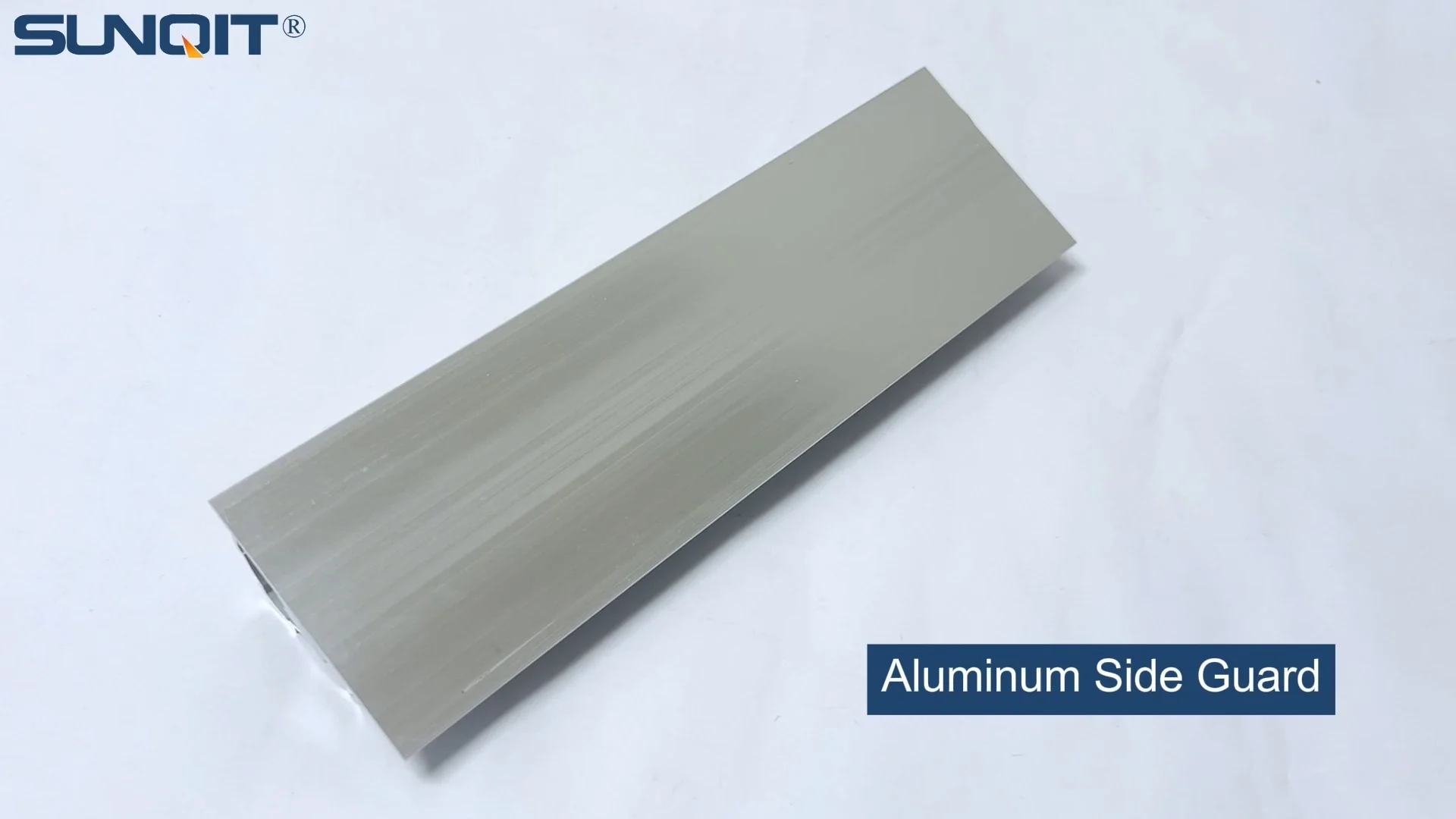
In the hustle and bustle of industrial environments—where conveyor belts hum, forklifts glide, and workers maneuver between workstations—safety often takes a backseat to productivity. Yet, the truth is simple: a safe workspace is a productive workspace. Among the unsung heroes of industrial safety are side guards—modest barriers that play a critical role in preventing accidents, containing materials, and protecting both equipment and people. Today, we're shining a spotlight on one specific type that's revolutionizing industrial safety: the aluminum side guard. Let's dive into what it is, the materials that make it tick, and why it's becoming the go-to choice for factories, warehouses, and production lines worldwide.
What Exactly Is an Aluminum Side Guard?
At its core, an aluminum side guard is a protective barrier designed to line the edges of machinery, workbenches, conveyor systems, material racks, or even mobile trolleys. Think of it as a "safety fence" for specific areas—though far more versatile than a traditional fence. Its primary job? To keep things (and people) where they should be. Whether it's preventing tools from sliding off a workbench, stopping loose parts from falling off a conveyor, or shielding workers from accidental contact with moving machinery, aluminum side guards are the quiet enforcers of order in busy industrial settings.
Unlike rigid steel barriers or flimsy plastic strips, aluminum side guards strike a balance between strength and flexibility. They're typically lightweight, easy to install, and customizable to fit unique equipment dimensions. You'll find them in automotive plants, electronics manufacturing facilities, food processing units, and logistics warehouses—anywhere where precision, safety, and efficiency intersect.
The Building Blocks: Materials That Make Aluminum Side Guards Stand Out
The secret to the aluminum side guard's success lies in its construction—and that starts with the materials. While "aluminum" might sound simple, the specific type of aluminum used and the way it's shaped make all the difference. Let's break down the key components:
Aluminum Extrusion Profile: The Backbone of Strength
Most aluminum side guards are crafted from aluminum extrusion profile —a material formed through a manufacturing process called extrusion. Here's how it works: heated aluminum billets (solid blocks of aluminum alloy) are forced through a die (a custom-shaped tool) under high pressure, resulting in long, uniform pieces with precise cross-sectional shapes. Imagine squeezing Play-Doh through a star-shaped cutter—that's extrusion, but with industrial-grade precision.
Why extrusion? This process allows manufacturers to create complex profiles tailored to specific needs. For side guards, common profiles include flat strips, L-shaped angles, or even hollow tubes with reinforced edges—all designed to maximize strength while minimizing weight. The most popular alloys for industrial extrusion are 6061 and 6063, known for their excellent strength-to-weight ratios, corrosion resistance, and weldability. 6061, for example, is often used in heavy-duty applications, while 6063 offers a smoother finish, making it ideal for environments where aesthetics (or easy cleaning) matter, like food processing plants.
Aluminum Profile Accessories: The Details That Make Installation a Breeze
A side guard is only as good as its ability to stay in place. That's where aluminum profile accessories come in. These small but mighty components turn a simple aluminum strip into a secure, adaptable barrier. Common accessories include:
- Brackets and connectors: These attach the side guard to machinery or workbenches. Many are designed with T-slots (a signature feature of aluminum profiles), allowing for tool-free adjustments—no drilling or welding required.
- End caps: Smooth, rounded caps that cover the ends of profiles, preventing snags on clothing or damage to materials.
- Rubber gaskets: Added to the edges of guards to cushion impacts, reducing noise and preventing scratches on delicate parts (like electronics components).
- Mounting clips: For quick installation on conveyor rails or roller tracks, ensuring the guard stays put even during vibrations.
Together, these accessories make aluminum side guards modular. Need to extend a guard by a few inches? Just add another profile section and a connector. Want to angle it around a corner? Swap out a straight bracket for a 90-degree joint. This flexibility is a game-changer for facilities that frequently reconfigure their layouts.

Core Benefits: Why Industries Are Choosing Aluminum Over Other Materials
Now that we know what aluminum side guards are made of, let's explore why they're rapidly replacing older materials like steel, plastic, or wood. Spoiler: it's not just about being "lightweight"—though that's a big plus. Here are the core benefits that make aluminum side guards a smart investment:
1. Lightweight Yet Incredibly Strong
Aluminum weighs roughly 1/3 of steel, which might make you think it's flimsy—but think again. Thanks to the extrusion process and high-quality alloys, aluminum profiles offer impressive structural integrity. A 1-inch thick aluminum extrusion can easily withstand the impact of a falling tool or a cart bump without bending or denting. This lightweight strength translates to easier installation (no need for heavy lifting equipment) and less strain on the machinery or workbenches they're attached to. For example, mounting a steel guard on a lightweight aluminum workbench might cause the bench to warp over time; aluminum guards, by contrast, add minimal weight, preserving the bench's lifespan.
2. Corrosion Resistance: Built to Last in Tough Environments
Industrial spaces are rarely "clean." From oil and grease in automotive shops to water and sanitizers in food plants, side guards face constant exposure to substances that can eat away at other materials. Steel, for instance, rusts quickly without frequent painting or coating. Plastic guards, while corrosion-resistant, can crack under UV exposure or chemical spills. Aluminum, however, forms a natural oxide layer when exposed to air—a thin, protective film that prevents rust and corrosion. In high-moisture environments (like breweries or pharmaceutical labs), many manufacturers take it a step further by anodizing the aluminum (a process that thickens the oxide layer), making it even more resistant to chemicals and wear.
3. Customizable to Every Need
No two industrial setups are the same. A conveyor belt in a small electronics factory might need a 6-inch tall guard, while a warehouse pallet rack requires a 2-foot barrier. Aluminum extrusion profiles shine here. With custom dies, manufacturers can create guards in any length, width, or shape—even profiles with built-in channels for cable management or tool hooks. And because aluminum is easy to cut, drill, or bend (without compromising strength), on-site modifications are simple. A maintenance team can trim a guard to fit a unique workstation in minutes, using nothing more than a hacksaw and a file.
4. Cost-Effective in the Long Run
At first glance, aluminum might seem pricier than plastic or untreated steel. But factor in lifespan and maintenance, and it becomes clear why aluminum is the more economical choice. Steel guards need regular painting to prevent rust; plastic guards crack and need replacement every few years. Aluminum guards, by contrast, require almost no upkeep—just an occasional wipe-down with soap and water. They also last decades, even in harsh environments. Plus, aluminum is 100% recyclable, so at the end of its life, it can be melted down and repurposed, reducing waste and potentially offsetting disposal costs.
5. Safety Compliance: Meeting (and Exceeding) Industry Standards
Industrial safety regulations—like OSHA in the U.S. or CE standards in the EU—are strict, and for good reason. Aluminum side guards are designed with compliance in mind. Their smooth, rounded edges (thanks to end caps and extrusion design) reduce the risk of lacerations. Their impact resistance ensures they won't shatter or splinter during a collision, preventing secondary hazards. And because they're lightweight, they're less likely to cause injury if accidentally dislodged (unlike heavy steel guards, which can crush toes or fingers). For facilities audited for safety, aluminum guards are a reliable way to check boxes and protect workers.

Aluminum vs. The Rest: How It Stacks Up Against Other Materials
Still on the fence about aluminum? Let's compare it to two common alternatives: steel and plastic. The table below breaks down key factors to help you decide:
| Factor | Aluminum Side Guards | Steel Side Guards | Plastic Side Guards |
|---|---|---|---|
| Weight | Lightweight (1/3 the weight of steel) | Heavy; requires lifting equipment for installation | Lightweight but less rigid |
| Corrosion Resistance | Excellent (natural oxide layer; anodizable for extra protection) | Poor (rusts without coating; needs regular painting) | Good, but prone to chemical degradation (e.g., oils, solvents) |
| Impact Strength | High (bends but doesn't shatter; retains shape) | Very high (but dents permanently; can crack welds) | Low (cracks or snaps under heavy impact) |
| Customization | High (custom extrusion profiles; easy on-site modification) | Low (difficult to cut/bend; limited shapes) | Medium (moldable but expensive for custom shapes) |
| Maintenance | Minimal (occasional cleaning) | High (painting, rust removal) | Medium (replacement of cracked parts) |
| Lifespan | 20–30+ years | 10–15 years (with maintenance) | 3–5 years (outdoors) or 5–8 years (indoors) |
As the table shows, aluminum strikes a rare balance: it's strong enough for heavy use, flexible enough for customization, and durable enough to outlast most alternatives. For industrial settings where safety, efficiency, and cost matter, it's hard to beat.
Real-World Applications: Where Aluminum Side Guards Shine
To truly understand the value of aluminum side guards, let's look at how they're used in different industries:
Automotive Manufacturing
In car factories, conveyor systems carry parts from welding to painting to assembly. Aluminum side guards line these conveyors, preventing door panels, engine components, or screws from falling onto the floor. Their lightweight design is crucial here—conveyors vibrate constantly, and heavy guards would strain motors. Plus, aluminum's corrosion resistance stands up to the lubricants and coolants used on the line.
Electronics Production
Delicate circuit boards and microchips can't afford to be scratched or damaged. Aluminum side guards with rubber gaskets are installed on workbenches, creating a soft barrier that keeps tools and components contained. The T-slot profiles also allow workers to attach small shelves or tool holders, keeping the workspace organized—another win for efficiency.
Food and Beverage Processing
Hygiene is non-negotiable in food plants. Aluminum side guards are easy to sanitize (no cracks or crevices for bacteria to hide) and resistant to the caustic cleaning agents used daily. In breweries, for example, they line conveyor belts carrying glass bottles, preventing breakage and contamination.
Warehousing and Logistics
Warehouse pallet racks often have aluminum side guards along their edges, stopping boxes from sliding off during loading/unloading. Mobile trolleys use lightweight aluminum guards to protect contents while keeping the trolley easy to push. And because warehouses frequently reconfigure aisles, the modular nature of aluminum guards makes rearrangements quick and painless.
Maintenance Tips: Keeping Your Aluminum Side Guards in Top Shape
Aluminum side guards are low-maintenance, but a little care goes a long way in extending their lifespan:
- Clean regularly: Wipe down guards with a damp cloth to remove dust, grease, or debris. For tough stains, use mild soap and water—avoid abrasive cleaners, which can scratch the surface.
- Check accessories: Tighten loose brackets or connectors every few months, especially in high-vibration areas like near machinery.
- Inspect for damage: Look for dents, cracks, or bent sections. Minor dents can often be gently hammered out (aluminum is malleable). replace severely damaged profiles to maintain safety.
- Lubricate moving parts: If your guards have adjustable brackets with T-slot nuts, apply a small amount of silicone lubricant to keep adjustments smooth.
Conclusion: Investing in Safety That Grows With Your Business
Aluminum side guards are more than just barriers—they're an investment in safety, efficiency, and adaptability. By combining the strength of aluminum extrusion profile with the versatility of aluminum profile accessories , they offer a solution that meets the unique demands of modern industrial spaces. Whether you're running a small workshop or a large-scale factory, these guards protect what matters most: your workers, your equipment, and your bottom line.
In a world where productivity and safety are often pitted against each other, aluminum side guards prove they can coexist. They're lightweight enough to keep operations moving, strong enough to withstand daily wear, and flexible enough to grow with your business. So the next time you walk through your facility, take a look at those edges—and consider upgrading to a guard that works as hard as you do.