- Company Articles
- Products and Technology
- Installation And Maintenance
- Aluminum Side Guard Installation: DIY vs Professional Services

Aluminum Side Guard Installation: DIY vs Professional Services
Related Product
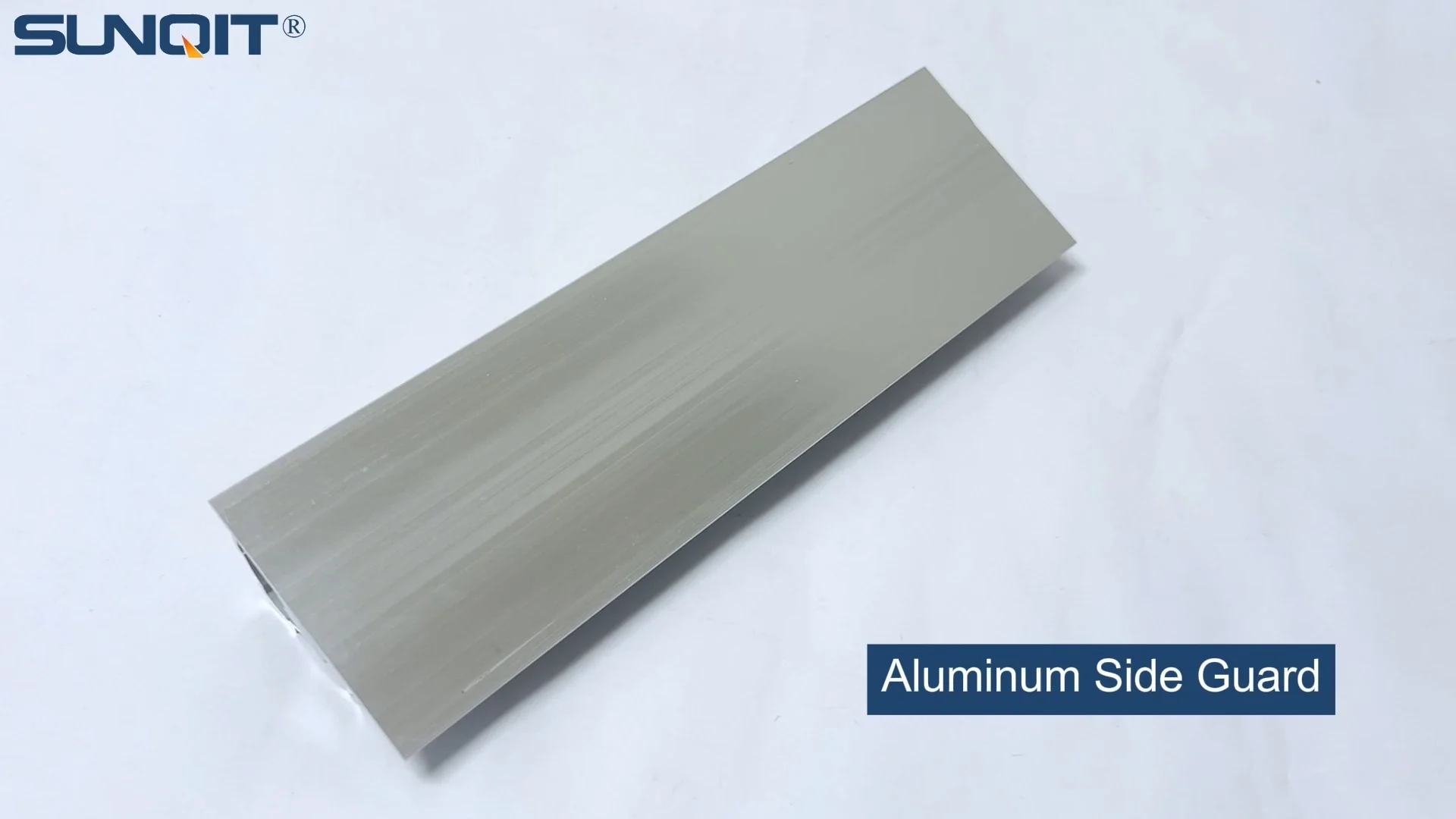
Aluminum Side Guard
Aluminum side guard, it works with a aluminum pipe or a roller track as side guard to prevent material drop,or move to wrong direction.
In the bustling world of workshops, manufacturing floors, and even home garages, the little details often make the biggest difference in safety, efficiency, and organization. One such detail that's easy to overlook but critical to get right is the installation of aluminum side guards. These unassuming barriers—typically mounted on workbenches, conveyor systems, or material racks—prevent tools, parts, and materials from sliding off edges, reducing the risk of damage, waste, and workplace injuries. But when it comes to installing them, a common question arises: Should you tackle the project yourself (DIY) or hire a professional service? The answer isn't one-size-fits-all, as it depends on your skills, budget, timeline, and the complexity of the job. Let's dive into the nuances of both approaches, weighing their pros and cons to help you make an informed decision.
Understanding Aluminum Side Guards: More Than Just Metal Strips
Before we compare DIY and professional installation, let's clarify what aluminum side guards are and why they matter. Made from lightweight yet durable materials like aluminum extrusion profile, these guards are designed to be sturdy enough to withstand daily wear and tear while remaining easy to handle. They're often used in industrial settings, such as factories with assembly lines, or in small workshops where workbenches are the heart of operations. For example, a workbench in an electronics repair shop might have aluminum side guards to keep tiny screws and components from rolling onto the floor, while a warehouse conveyor system could use them to guide packages along the correct path.
The key to effective side guards lies in their construction and installation. Most are built using aluminum profile, a versatile material known for its strength-to-weight ratio, resistance to corrosion, and adaptability. To secure these profiles in place, installers rely on aluminum profile accessories—items like brackets, screws, corner connectors, and end caps—that ensure a tight, stable fit. Without proper installation, even the highest-quality aluminum extrusion profile can fail: guards might wobble, detach, or fail to withstand impact, putting both workers and materials at risk.
The DIY Approach: Roll Up Your Sleeves and Save?
For many handy individuals or small business owners watching their bottom line, the DIY route is an attractive option. After all, if you can follow a tutorial and wield a wrench, why pay someone else? Let's break down the potential benefits and pitfalls of installing aluminum side guards yourself.
Pros of DIY Installation
Cost Savings: The most obvious advantage is reduced expenses. Professional services often charge for labor, which can add 50% or more to the total project cost. By doing it yourself, you only pay for materials: the aluminum profile, aluminum profile accessories, and basic tools (if you don't already own them). For example, a 6-foot aluminum extrusion profile might cost $20–$40, and a set of brackets and screws another $15–$30, bringing the total for a small workbench guard to under $100. Hiring a pro for the same job could easily double that.
Flexibility and Control: DIY gives you full control over the timeline and design. If you need the guards installed by the end of the weekend for a Monday morning production rush, you can work at your own pace without waiting for a professional's schedule. You can also customize the guards to fit unique spaces—say, a workbench with an irregular shape—by cutting the aluminum profile to exact measurements or adjusting the height of the guards to match your team's needs.
Learning Opportunity: Installing aluminum side guards is a relatively simple project that can teach you valuable skills, like measuring accurately, using power tools safely, and understanding how aluminum profile accessories work together. These skills might come in handy for future projects, such as building shelves or repairing other equipment in your workspace.
Cons of DIY Installation
Skill and Experience Gaps: While the basics of installation are straightforward, achieving a professional-level finish requires more than just following a YouTube video. For instance, cutting aluminum extrusion profile straight and cleanly can be tricky without the right tools—a hacksaw might leave jagged edges, while a miter saw with a non-ferrous blade would produce smoother results. Similarly, aligning the guards perfectly parallel to the workbench edge or ensuring the brackets are tightened evenly to prevent wobbling takes practice. A DIYer might end up with guards that are crooked, loose, or even unsafe.
Time Investment: What seems like a "quick weekend project" can easily stretch into a multi-day affair if you run into unexpected issues. Maybe you mismeasure the aluminum profile and have to buy a replacement, or you struggle to get the brackets to fit snugly. Professionals, on the other hand, have the experience to anticipate problems and work efficiently—they might finish a job in a few hours that takes a DIYer an entire weekend.
Safety Risks: Working with aluminum extrusion profile and tools like drills, saws, or wrenches carries inherent risks. Without proper safety gear (gloves, safety glasses, ear protection) or knowledge of how to use tools correctly, you could cut yourself, strain a muscle, or damage the materials. Professionals are trained to minimize these risks, using proper techniques and protective equipment.
Warranty Concerns: Some aluminum profile manufacturers offer warranties on their products, but these warranties might be voided if the installation is done incorrectly. If a guard fails because you used the wrong aluminum profile accessories or didn't follow the manufacturer's guidelines, you could be stuck replacing the materials at your own expense. Professionals often guarantee their workmanship, giving you peace of mind that the installation meets industry standards.

Professional Installation: Expertise Comes at a Price
For those who prioritize precision, speed, and reliability, hiring a professional service might be worth the extra cost. Professional installers bring experience, specialized tools, and a track record of quality work to the table. Let's explore the benefits and drawbacks.
Pros of Professional Installation
Quality and Precision: Professionals have installed countless aluminum side guards, so they know how to get the job right the first time. They use commercial-grade tools, like laser levels for alignment, precision saws for clean cuts, and torque wrenches to ensure brackets are tightened to the exact specifications. The result? Guards that are straight, secure, and built to last. This level of precision is especially important in industrial settings, where even a slightly misaligned guard could cause materials to jam on a conveyor or tools to slide off a workbench.
Time Efficiency: A professional team can typically install side guards in a fraction of the time it would take a DIYer. For example, installing guards on a 20-foot conveyor system might take a pro crew 2–3 hours, whereas a DIYer might spend an entire day or more. This speed minimizes downtime, which is crucial for businesses that can't afford to halt production while waiting for installations.
Safety and Compliance: Professional installers are familiar with local safety regulations and industry standards, ensuring that the guards meet all requirements. For instance, in manufacturing facilities, OSHA might mandate specific guard heights or load-bearing capacities to prevent accidents. Professionals can advise on these standards and ensure the installation is compliant, reducing the risk of fines or liability issues down the line.
Warranty and Accountability: Most professional services offer warranties on their work, meaning if the guards loosen or fail within a certain period, they'll return to fix the issue at no extra cost. This accountability is reassuring, especially for businesses that rely on the guards to protect valuable equipment or employees.
Cons of Professional Installation
Higher Cost: The biggest downside is the price tag. Professional labor can range from $50–$100 per hour, depending on the complexity of the job and the installer's expertise. For large projects—like outfitting an entire workshop with guards—this cost can add up quickly. For small businesses or individuals on a tight budget, this might be prohibitive.
Scheduling Constraints: You'll need to work around the installer's schedule, which might mean waiting days or even weeks for an appointment. This can be frustrating if you need the guards installed urgently. Additionally, some installers require a minimum project size, so they might not take on small jobs like a single workbench guard.
Less Control Over Design: While professionals can accommodate custom requests, they might push for standard designs that are quicker to install, rather than unique solutions. If you have a highly customized vision—like guards with built-in tool holders or color-coded sections—you might need to compromise or pay extra for custom work.

DIY vs Professional: A Side-by-Side Comparison
To help you weigh your options, here's a detailed comparison of key factors for both approaches:
| Factor | DIY Installation | Professional Installation |
|---|---|---|
| Cost | Lower (materials only: $50–$200 for small projects) | Higher (materials + labor: $150–$500+ for small projects) |
| Time Required | Longer (1–2 days for small projects; more for complex setups) | Shorter (2–4 hours for small projects; 1–2 days for large setups) |
| Skill Required | Basic handyman skills (measuring, using drills/saws, assembling accessories) | Expertise in aluminum profile installation, safety compliance, and precision tools |
| Quality Assurance | Depends on DIYer's skill; may have minor flaws (crooked alignment, loose brackets) | High-quality, precise, and consistent results |
| Safety | Risk of injury from tools or improper installation; may not meet all regulations | Minimal risk; compliant with safety standards |
| Warranty | Limited to manufacturer's warranty on materials; no labor warranty | Workmanship warranty (typically 6 months–1 year) + material warranties |
| Customization | High (full control over design and adjustments) | Moderate (can customize but may have standard options) |
When to Choose DIY vs Professional Installation
The decision between DIY and professional installation ultimately depends on your specific situation. Here are some scenarios where each approach shines:
Choose DIY If:
- You have basic handyman skills and access to essential tools (drill, saw, measuring tape, level).
- The project is small-scale (e.g., installing guards on a single workbench or a short section of shelving).
- You're on a tight budget and can afford to spend extra time on the project.
- You enjoy DIY projects and want to learn new skills.
- The guards are for a non-critical area (e.g., a home garage workbench) where minor flaws won't impact safety or operations.
Choose Professional If:
- The project is large or complex (e.g., guards for a 50-foot conveyor system or multiple workbenches in a factory).
- Precision is critical (e.g., guards for medical equipment workbenches or high-speed production lines).
- You need the installation done quickly to avoid downtime.
- Compliance with safety regulations is mandatory (e.g., OSHA standards in manufacturing).
- You lack the tools or experience to cut aluminum extrusion profile cleanly or align brackets accurately.
- You want the peace of mind of a workmanship warranty.
Real-World Example: The Small Workshop Dilemma
To illustrate how this decision plays out in practice, let's look at a hypothetical case study. Maria owns a small woodworking workshop with 5 workbenches. She noticed her employees were constantly picking up tools and wood scraps that fell off the benches, wasting time and increasing the risk of trips. She decided to install aluminum side guards but was torn between DIY and professional installation.
Maria is handy—she's built shelves and repaired machinery in the past—so she initially leaned toward DIY. She purchased aluminum profile, aluminum profile accessories (brackets, screws, end caps), and a miter saw (on sale for $100). Over the weekend, she measured and cut the profiles, then began installing the guards. However, she ran into issues: the miter saw left rough edges on the aluminum extrusion profile, and the brackets didn't align perfectly with the workbench legs, causing the guards to wobble slightly. By Sunday evening, she'd installed guards on 2 benches but was frustrated with the results—they looked unprofessional, and she worried they might not hold up to daily use.
On Monday, Maria called a local aluminum profile supplier who offered installation services. The pro team arrived with laser levels, precision saws, and specialized tools for cutting and deburring aluminum extrusion profile. They removed Maria's DIY guards, installed new ones on all 5 benches in 3 hours, and even adjusted the height to better suit her employees' workflow. The total cost was $450 (materials + labor), which was more than Maria had planned, but the guards were straight, secure, and looked polished. Most importantly, her employees stopped wasting time picking up dropped items, and Maria felt confident the guards would last for years.
In this case, Maria's DIY attempt taught her the value of professional expertise—while she saved money on labor initially, the time lost and subpar results made the professional installation worthwhile in the long run.
Final Thoughts: Making the Right Choice for Your Needs
Aluminum side guard installation is a project that balances cost, time, and quality. For small, non-critical projects where you have the skills and tools, DIY can be a rewarding and budget-friendly option. However, for larger, complex, or high-stakes installations—especially in commercial or industrial settings—professional services offer precision, speed, and peace of mind that's hard to match with DIY.
Ultimately, the decision should align with your priorities. If saving money is key and you're willing to invest time and effort, DIY might work. If you need the job done right, fast, and up to code, professionals are the way to go. Whichever path you choose, remember that the goal is to create a safer, more efficient workspace—and with the right approach, aluminum side guards can help you achieve just that.
So, whether you're grabbing your drill and aluminum profile accessories this weekend or calling a pro tomorrow, here's to straighter, sturdier, and more reliable side guards—because every detail counts when it comes to building a workspace that works for you.