- Company Articles
- Products and Technology
- Product knowledge
- Aluminum Side Guards for Automated Conveyor Systems: Safety Enhancements

Aluminum Side Guards for Automated Conveyor Systems: Safety Enhancements
Related Product
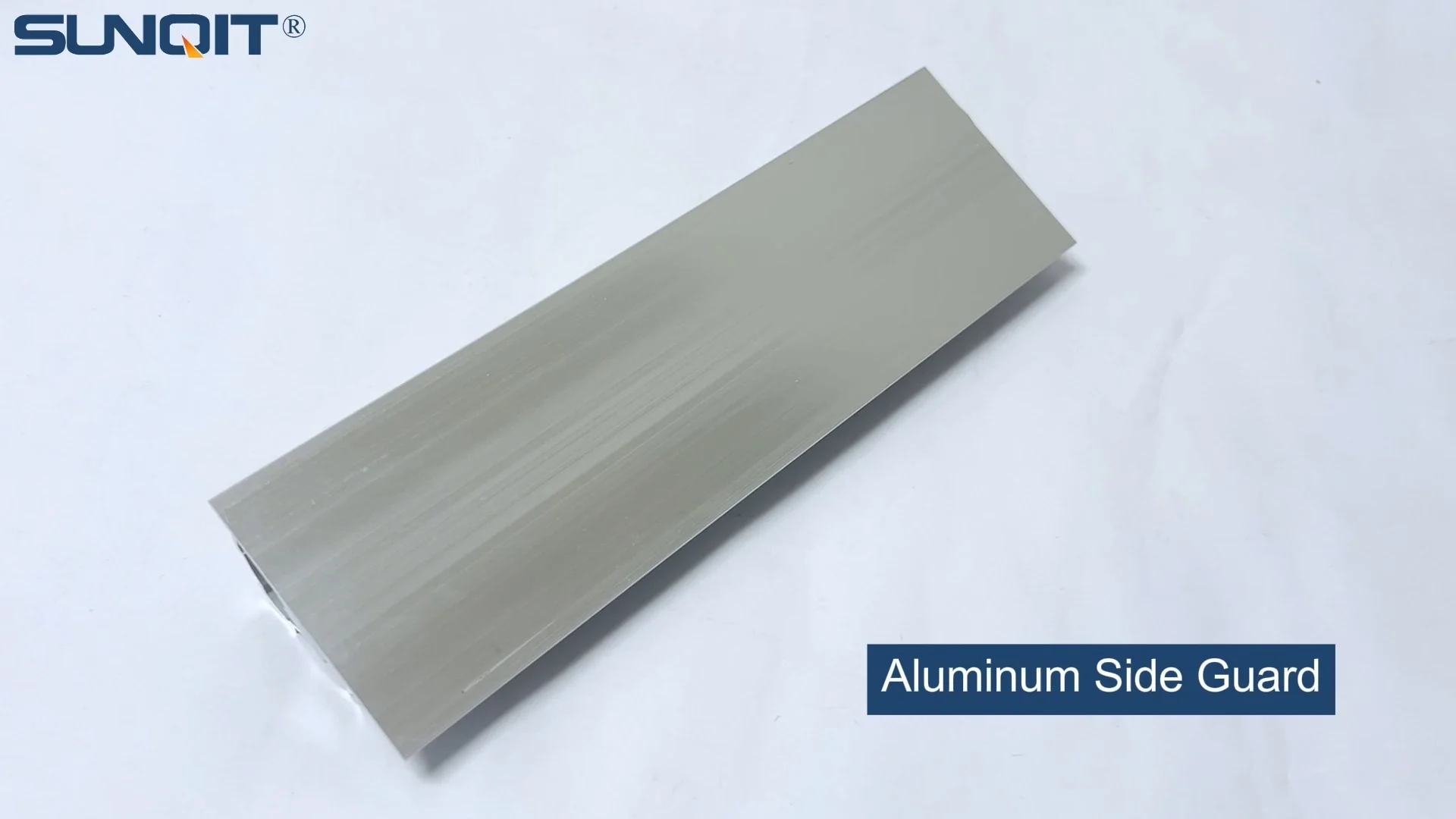
Aluminum Side Guard
Aluminum side guard, it works with a aluminum pipe or a roller track as side guard to prevent material drop,or move to wrong direction.
The Pulse of the Factory Floor: Where Conveyors Meet Care
Walk into any modern manufacturing facility, and you'll hear it before you see it—the steady hum of automated conveyor systems. They're the unsung heroes of production lines, moving components from station to station, keeping workflows tight, and ensuring deadlines are met. But for all their efficiency, these systems carry an invisible weight: the responsibility to keep workers safe and products intact. Imagine a scenario not uncommon in busy plants: a small electronic part jostles loose from a moving conveyor, tumbling to the floor. A worker bends to pick it up, momentarily distracted from the machinery beside them. Or worse, a hand brushes against a fast-moving roller track, risking a pinch or scrape. These moments, while small, add up to big risks—for employee well-being, for product quality, and for a company's bottom line.
This is where aluminum side guards step in. They're not the flashiest technology on the factory floor, but they're a quiet revolution in how we approach conveyor safety. Made from lightweight yet durable materials like aluminum lean pipe and paired with clever aluminum profile accessories, these guards act as a protective barrier between workers and moving parts, between products and the chaos of the floor. In this article, we'll dive into why aluminum side guards have become a staple in forward-thinking facilities, how they're designed to adapt to diverse needs, and the real-world impact they've had on making workplaces safer, smarter, and more human-centered.
What Are Aluminum Side Guards, Anyway? More Than Just a "Barrier"
At first glance, aluminum side guards might seem simple: vertical barriers running along the edges of conveyor systems. But that simplicity is by design—and it's what makes them so effective. Unlike clunky steel barriers or flimsy plastic strips, these guards are engineered to balance strength, flexibility, and practicality. Let's break them down.
At their core, most aluminum side guards are built using aluminum lean pipe—a material that's become a favorite in industrial settings for good reason. Aluminum lean pipe is lightweight (about a third the weight of steel), resistant to rust and corrosion, and surprisingly strong. It's easy to cut, shape, and assemble, which means guards can be customized to fit any conveyor width, height, or layout. Pair this pipe with aluminum profile accessories like joints, clamps, and brackets, and you've got a system that's as adaptable as it is sturdy. No welding required, no heavy machinery—just simple tools and a few minutes to adjust when production needs change.
But aluminum side guards aren't just about the pipe. They're about thoughtful design. Many models feature rounded edges to prevent accidental scrapes, adjustable heights to accommodate different product sizes, and even modular components that can be swapped out if part of the guard gets damaged. Some are designed to work seamlessly with roller track conveyors, using roller track connectors to attach directly to the conveyor frame, ensuring a snug, wobble-free fit. Others include cutouts or notches to work around existing equipment, like sensors or barcode scanners, so safety doesn't mean sacrificing functionality.
Perhaps the most underrated feature of these guards is their visibility. Unlike dark steel barriers that can blend into the factory background, aluminum has a bright, reflective finish that stands out. This visual cue alone helps workers stay mindful of conveyor edges, reducing the chance of accidental contact. Some manufacturers even offer colored anodized finishes—subtle blues or greens—that add a pop of color without being distracting, making the guards feel less like "safety equipment" and more like an integrated part of the workspace.

Why Aluminum? The Material That Checks All the Boxes
To truly appreciate aluminum side guards, it helps to compare them to the alternatives. Let's start with steel, the traditional go-to for industrial barriers. Steel is undeniably strong, but it's heavy—installing a steel side guard often requires two people and specialized lifting equipment. Over time, it rusts, especially in humid or dusty environments, which means regular repainting or replacement. And if you need to reconfigure your conveyor system (a common occurrence as production needs shift), steel guards are hard to adjust; you're often better off scrapping them and starting fresh.
Then there's plastic. Lightweight and cheap, plastic guards might seem appealing at first, but they lack durability. A stray forklift bump or a heavy product leaning against them, and they crack or bend. They also fade in sunlight and can become brittle over time, especially in high-temperature settings like automotive plants. For a safety feature you rely on daily, "good enough for now" just isn't good enough.
Aluminum, on the other hand, hits the sweet spot. Let's break down the benefits:
- Lightweight, but strong: Aluminum lean pipe can support the weight of falling products without bending, yet it's light enough for one person to install or reposition. This saves time during setup and reduces the risk of injury during maintenance.
- Corrosion-resistant: Unlike steel, aluminum doesn't rust. It forms a natural oxide layer that protects it from moisture, chemicals, and dust—perfect for factories where spills or humidity are part of the daily grind.
- Low maintenance: No painting, no rust removal, no frequent replacements. A quick wipe with a damp cloth is usually all it takes to keep aluminum guards looking and functioning like new.
- Flexible by design: With aluminum profile accessories like swivel joints and quick-release clamps, adjusting the height or width of a side guard takes minutes, not hours. Need to widen the guard to accommodate a larger product? Swap out a few brackets. Moving the conveyor to a new location? Disassemble the guard, transport it, and reassemble—no waste, no hassle.
- Cost-effective long-term: While aluminum guards might have a slightly higher upfront cost than plastic, their durability and reusability mean they pay for themselves over time. Steel, meanwhile, costs more in labor (installation, maintenance) and replacement parts.
To put this in perspective, consider a food processing plant that switched from steel to aluminum side guards. Previously, their steel guards rusted quickly due to the high humidity, requiring replacement every 18 months. The heavy guards also made conveyor reconfigurations a full-day project. After switching to aluminum lean pipe guards with aluminum profile accessories, they haven't replaced a single guard in three years. And when they recently expanded their production line, two workers repositioned the existing guards in under an hour. The savings in time and materials? Significant.

Safety First, Always: The Impact on Workers and Workflows
At the end of the day, the best reason to invest in aluminum side guards is simple: they keep people safe. Let's talk about the tangible ways these guards reduce risk on the factory floor.
First and foremost, they prevent product falls. A small component like a screw or a circuit board might not seem dangerous, but when it tumbles off a fast-moving conveyor, it can cause a chain reaction. A worker trips over it, a machine jams when it's accidentally kicked into a gear, or the product itself is damaged, leading to rework or scrap. Aluminum side guards create a physical barrier that keeps items on the conveyor, where they belong. One automotive supplier we spoke with reported a 92% reduction in product falls after installing aluminum guards on their roller track conveyors—a number that translated to thousands of dollars saved in rework and scrap costs annually.
Then there's worker protection. Conveyor systems, especially those with roller tracks, have moving parts that can catch clothing, hair, or skin. A side guard acts as a buffer, keeping hands, arms, and tools away from pinch points. This is especially critical in high-speed lines, where a momentary lapse in concentration can lead to injury. Consider a scenario where a worker is loading products onto a conveyor. Without a guard, their hand might brush against a spinning roller. With a guard, the barrier stops contact before it happens. OSHA reports that contact with moving machinery is one of the top causes of workplace injuries in manufacturing; aluminum side guards directly address this risk.
But safety isn't just about preventing accidents—it's about fostering confidence. When workers see that their employer has invested in thoughtful safety measures, they feel valued. They're more likely to stay focused on their tasks, knowing the company has their back. This boost in morale often translates to better productivity and lower turnover. A plant manager at a electronics manufacturer shared this insight: "After installing aluminum side guards, we noticed something unexpected—our team was more willing to suggest process improvements. They weren't worried about 'rocking the boat' by pointing out inefficiencies, because they trusted we were committed to making the workplace better for them."
Another hidden benefit? Compliance. Regulatory bodies like OSHA have strict guidelines for conveyor safety, including requirements for guarding moving parts and preventing falls. Aluminum side guards help facilities meet these standards, reducing the risk of fines or shutdowns. They also make safety audits smoother; inspectors can clearly see that hazards are being addressed, which builds trust and credibility.
Even in less obvious ways, these guards enhance safety. For example, many facilities use mobile conveyors with caster wheels to transport materials between workbenches or production cells. Aluminum side guards, being lightweight, don't add significant bulk to these mobile units, making them easier to maneuver without sacrificing stability. A worker moving a conveyor with steel guards might strain their back; with aluminum, the task is manageable, reducing the risk of ergonomic injuries.
Designing for Every Conveyor: Custom Solutions for Unique Needs
No two conveyor systems are alike, and aluminum side guards are designed to embrace this diversity. Whether you're running a small packaging line with a simple belt conveyor or a large automotive plant with complex roller track setups, there's a guard solution that fits.
Take roller track conveyors , for instance. These systems use a series of rollers to move products, and they're common in industries like logistics and warehousing, where items need to glide smoothly from one point to another. Aluminum side guards for roller tracks often feature low-profile designs that sit close to the rollers, preventing products from slipping between the guard and the track. They might use specialized roller track connectors to attach directly to the track's frame, ensuring a tight fit that doesn't interfere with roller movement. Some even include plastic or rubber inserts along the guard's inner edge to cushion products, preventing scratches on delicate items like electronics or glassware.
For belt conveyors , which use a continuous belt to transport goods, side guards need to account for the belt's flexibility. Guards here are often taller, to contain items that might shift or bounce on the moving belt. They might also have adjustable brackets that allow the guard to "float" slightly with the belt, avoiding damage if the belt misaligns temporarily. In food processing facilities, where hygiene is critical, aluminum side guards can be paired with smooth, easy-to-clean accessories like stainless steel joints, ensuring no crevices for bacteria to hide.
Then there are mobile conveyors —units mounted on caster wheels that can be moved around the factory floor. For these, weight is a key consideration. Aluminum lean pipe guards are ideal here because they add minimal heft, making the conveyor easier to push or pull. Some mobile guard designs even include foldable sections, so the guard can be collapsed when the conveyor is being stored or transported through tight doorways. Imagine a small bakery that uses a mobile conveyor to move dough from the mixer to the oven. With foldable aluminum guards, they can easily tuck the conveyor away at the end of the day without disassembling the entire system.
Specialized industries have their own unique needs, too. In the pharmaceutical sector, for example, side guards must be able to withstand frequent cleaning with harsh chemicals. Aluminum's resistance to corrosion makes it a perfect fit here—no rust, no degradation, just a guard that holds up to daily sanitization. In aerospace, where components are large and heavy, guards need extra reinforcement. Here, aluminum lean pipe can be paired with thicker-walled aluminum profile accessories or steel-reinforced joints to handle the added stress.
Even workbench-integrated conveyors —systems that feed directly into workstations—benefit from tailored side guards. These guards might be lower on the side facing the workbench, allowing easy access to products, while taller on the opposite side to prevent spills. Some are designed with cutouts that align with tools or bins on the workbench, making it seamless to transfer items from conveyor to workstation without reaching over the guard. This not only enhances safety but also streamlines workflow, keeping workers in a comfortable, efficient posture.
From Installation to Maintenance: Making Safety Effortless
One of the biggest hurdles to adopting new safety equipment is the perception that it's time-consuming to install and maintain. Aluminum side guards shatter this myth, thanks to their user-friendly design and durable materials.
Installation is a breeze, even for first-timers. Most aluminum lean pipe guards come with pre-drilled holes and compatible aluminum profile accessories like snap-on joints or thumb screws. No welding, no drilling into concrete floors—just align the pipe with the conveyor frame, secure it with the included brackets, and you're done. A typical 10-foot conveyor guard can be installed by one person in under 30 minutes. Compare that to steel guards, which often require drilling into the conveyor frame, welding joints, or hiring a contractor—tasks that can take hours or even days.
Adjustments are just as simple. Let's say you've retooled your production line to handle larger boxes, and your existing guards are now too short. With aluminum, you don't need to buy new guards. Just loosen the joints, add a section of aluminum lean pipe, and tighten the clamps. The modular design means you can extend, shorten, or reangle the guards as needed, using leftover pipe and accessories from previous setups. This flexibility is a game-changer for facilities that frequently reconfigure their lines—think e-commerce warehouses during peak seasons or contract manufacturers with ever-changing client needs.
Maintenance is equally straightforward. Aluminum's natural resistance to rust and corrosion means you won't spend hours sanding and repainting. A quick wipe with a damp cloth or a blast from a pressure washer (for heavier grime) is usually all it takes to keep guards clean and looking new. If a joint becomes loose over time, a simple turn of a wrench tightens it back up. Even if a section of pipe gets dented (a rare occurrence, but possible in high-traffic areas), you can replace just that section instead of the entire guard. This "replace as needed" approach keeps maintenance costs low and downtime minimal.
Long-term durability is another win. Aluminum lean pipe has a lifespan of 10–15 years in typical industrial settings, far outlasting plastic guards (which often crack after 2–3 years) or painted steel (which rusts through in 5–7 years). This longevity means you won't be constantly budgeting for guard replacements, freeing up funds for other safety or efficiency upgrades.
Beyond Safety: The Ripple Effects of Thoughtful Design
Aluminum side guards do more than just keep workers safe—they create a ripple effect that touches every corner of a facility. Let's start with product quality. When items stay on the conveyor, they're less likely to get scratched, dented, or broken. This means fewer defects, less rework, and happier customers. A furniture manufacturer we worked with reported a 40% reduction in damaged goods after installing aluminum guards on their roller track conveyors, simply because table legs and chair arms no longer tumbled off mid-transit.
Then there's efficiency. When workers don't have to stop to pick up fallen items or worry about accidental contact with conveyors, they stay focused on their tasks. This uninterrupted workflow translates to faster production times and higher output. One electronics plant calculated that their aluminum side guards saved approximately 120 hours of labor per month—time that was redirected to more value-added tasks like quality checks and process improvements.
Employee retention is another unexpected benefit. In today's competitive job market, workers prioritize safety when choosing employers. A facility with visible, well-maintained safety equipment signals that the company cares about its team, making it easier to attract and keep top talent. As one production supervisor put it: "When new hires walk in and see clean, modern aluminum guards instead of rusted steel barriers, they immediately feel like this is a place that invests in its people. That first impression goes a long way in building trust."
Finally, there's the environmental angle. Aluminum is 100% recyclable, and because aluminum side guards are so durable, they rarely end up in landfills. When a guard finally reaches the end of its useful life (decades down the line), the aluminum can be melted down and reused, reducing the facility's carbon footprint. Compare this to plastic guards, which often end up in landfills after a few years, or steel guards that require energy-intensive manufacturing and frequent replacements.
Comparing Materials: How Aluminum Stacks Up
To truly understand the value of aluminum side guards, let's put them head-to-head with other common materials in a side-by-side comparison:
| Feature | Aluminum Lean Pipe | Steel | Plastic |
|---|---|---|---|
| Weight | Lightweight (30% of steel) | Heavy (requires lifting equipment) | Light, but less rigid |
| Durability | 10–15 year lifespan; corrosion-resistant | 5–7 years (with rust); prone to corrosion | 2–3 years; cracks in extreme temperatures |
| Installation | Tool-free; modular; 30 mins for 10ft guard | Requires welding/drilling; 2+ hours for 10ft guard | Simple, but joints weaken over time |
| Adjustability | Highly modular; easy to reconfigure | Hard to adjust; often requires replacement | Limited; bending weakens plastic |
| Maintenance | Minimal (wipe clean; tighten joints occasionally) | High (repaint, rust removal) | Moderate (replace cracked sections) |
| Cost (Lifetime) | Moderate upfront, low long-term | Low upfront, high long-term (replacement, labor) | Low upfront, high long-term (frequent replacement) |
| Safety Features | Lightweight (reduces lifting injuries); reflective finish | Heavy (risk of strain); sharp edges if not painted | Light, but can shatter into sharp pieces |
As the table shows, aluminum lean pipe guards strike the perfect balance between performance, cost, and practicality. They're not the cheapest upfront, but their longevity, adjustability, and low maintenance make them the most cost-effective choice over time. And when it comes to safety—the reason we're investing in guards in the first place—aluminum's lightweight design and reflective finish give it a clear edge.
Looking Ahead: The Future of Conveyor Safety
As manufacturing evolves, so too will the tools we use to keep it safe. Aluminum side guards are already at the forefront of this evolution, but we're starting to see exciting innovations that could make them even more effective.
One trend gaining traction is the integration of smart technology. Imagine aluminum side guards embedded with sensors that detect when a product is about to fall off the conveyor. These sensors could trigger a gentle alarm or slow the conveyor down momentarily, giving workers time to adjust the item. Some prototypes even use LED strips along the guard's edge that change color—green for "all clear," yellow for "caution," red for "stop"—providing instant visual feedback to the team. This fusion of physical barrier and digital alert system could take conveyor safety to a new level.
Another area of innovation is sustainability. While aluminum is already recyclable, manufacturers are exploring ways to make guards even more eco-friendly. This includes using recycled aluminum in lean pipe production and developing plant-based plastics for accessories like joint covers or edge cushions. Some companies are also experimenting with solar-powered sensors, reducing the need for wired electricity and making guards easier to install in remote areas of the factory.
Customization is also becoming more advanced. With the rise of 3D printing, we may soon see aluminum profile accessories tailored to hyper-specific conveyor designs—think guards with built-in cable management or slots for barcode scanners, all printed on-demand. This level of customization would make it even easier to integrate guards into unique production setups, ensuring no conveyor is left unprotected.
But even with these advancements, the core appeal of aluminum side guards will remain: they're simple, effective, and human-centered. At the end of the day, safety technology should make workers' lives easier, not more complicated. Aluminum lean pipe guards do just that—they get out of the way, let people work, and quietly keep them safe. And that's a future worth building.
Wrapping Up: Safety That Grows With Your Business
Automated conveyor systems are the backbone of modern manufacturing, but their efficiency means nothing if they compromise the well-being of the people who keep them running. Aluminum side guards are more than just a safety accessory—they're a commitment to care. They're a way to say, "We value your work, and we value you."
From their lightweight aluminum lean pipe construction to their modular aluminum profile accessories, these guards are designed to adapt to your needs, whether you're running a small workshop or a sprawling factory. They reduce product damage, prevent injuries, boost morale, and save money—all while requiring minimal effort to install and maintain.
So the next time you walk your factory floor, take a moment to look at your conveyors. Are they protected? Are your workers? If the answer is "not yet," consider aluminum side guards. They're not just an investment in safety—they're an investment in the future of your business, one where efficiency and care go hand in hand.
After all, a safe workplace isn't just a compliance checkbox. It's where great work happens.