- Company Articles
- Products and Technology
- Product knowledge
- Aluminum Side Guards for Cold Storage Facilities: Rust Resistance in Low Temperatures

Aluminum Side Guards for Cold Storage Facilities: Rust Resistance in Low Temperatures
Related Product
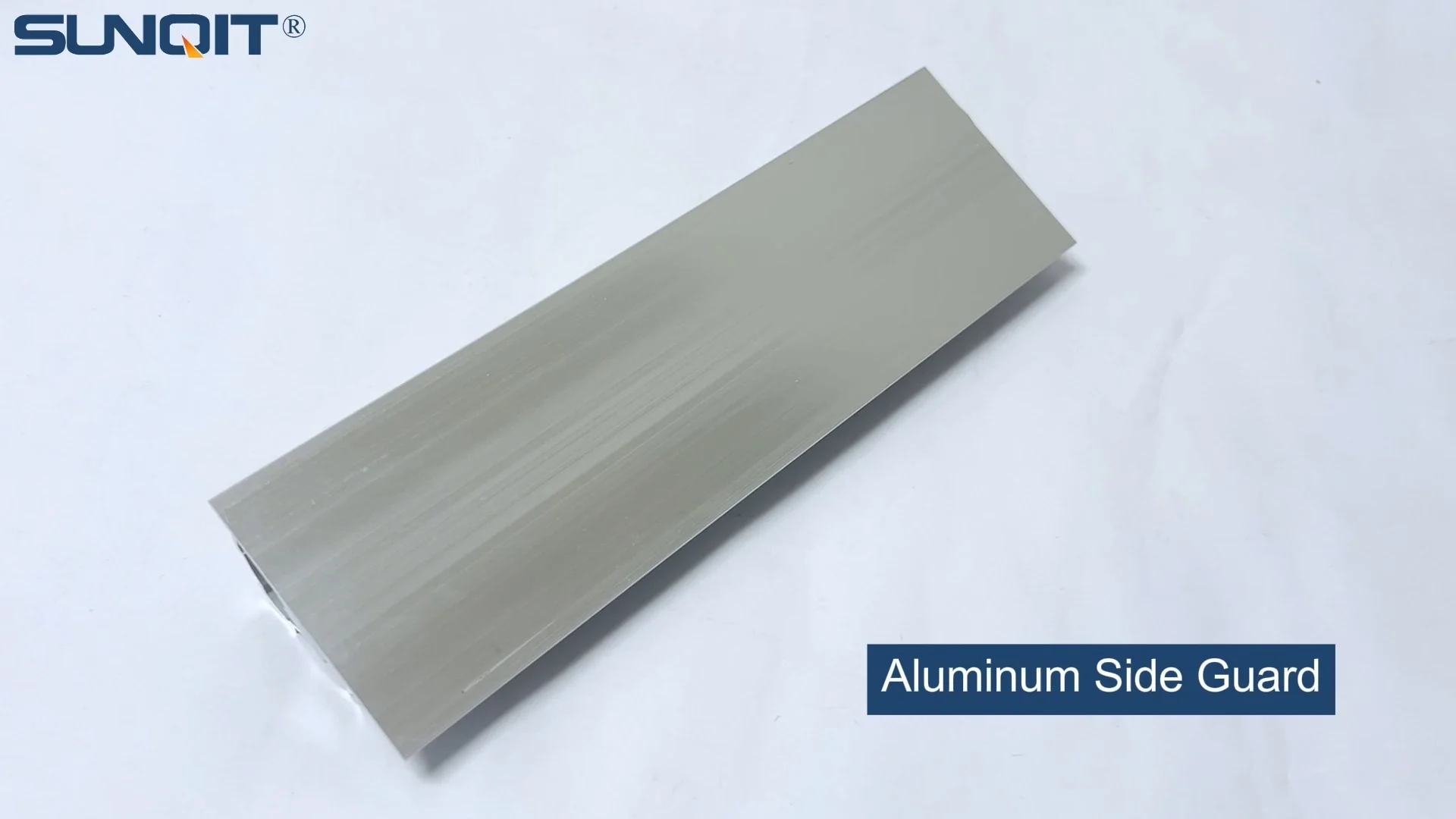
Aluminum Side Guard
Aluminum side guard, it works with a aluminum pipe or a roller track as side guard to prevent material drop,or move to wrong direction.
The Hidden Battle: Cold Storage and the Curse of Rust
Walk into any cold storage facility, and you'll likely be struck by the crisp chill, the hum of refrigeration units, and the rows of neatly stacked goods—from frozen produce to pharmaceuticals. What you might not notice, though, is the silent war being waged against one of the industry's most persistent enemies: rust. In these environments, where temperatures can plummet to -30°C and humidity lingers like a stubborn ghost, metal surfaces are under constant attack. Condensation forms when warm air seeps in, mixing with cleaning chemicals and moisture from stored goods to create the perfect storm for corrosion. Over time, this isn't just a cosmetic issue; rust weakens structures, creates safety hazards, and forces costly replacements. For facility managers, the question isn't if rust will strike, but how to fight it.
Nowhere is this battle more critical than with side guards. These unassuming barriers line walkways, protect walls from pallet jack impacts, and shield equipment from collisions. Traditionally made from steel, they're built to absorb shocks—but in cold storage, steel's strength becomes its downfall. Even with coatings, steel succumbs to rust, flaking and corroding until it's more of a liability than a defense. This is where aluminum steps in, not just as a substitute, but as a revolution in cold storage durability. Let's dive into why aluminum side guards, particularly those crafted from aluminum extrusion profile and paired with aluminum profile accessories, are becoming the gold standard for rust resistance in low-temperature environments.
Why Aluminum? The Science Behind Its Cold-Weather Superpowers
Aluminum isn't just lightweight—it's a material engineered by nature to fight corrosion. Unlike steel, which relies on external coatings to stay rust-free, aluminum forms a microscopic shield all on its own: a thin, invisible layer of aluminum oxide. When exposed to oxygen, this layer forms instantly, sealing the metal beneath from moisture, chemicals, and temperature swings. In cold storage, where condensation is unavoidable, this self-healing barrier is a game-changer. Even if the surface is scratched, the oxide layer reforms within hours, preventing rust from taking hold.
But aluminum's benefits don't stop at corrosion resistance. Its lightweight nature makes installation a breeze—no heavy lifting equipment required, which is a boon in tight cold storage aisles. And despite its lightness, it's surprisingly strong. Thanks to modern manufacturing techniques, aluminum extrusion profile can be shaped into robust, impact-resistant designs that stand up to the daily bumps of pallet trucks and forklifts. Unlike steel, which can become brittle in extreme cold, aluminum maintains its ductility, bending rather than shattering under stress. For side guards, which need to absorb impacts without failing, this flexibility is critical.
Thermally, aluminum's conductivity might sound like a drawback in cold storage, but it's actually an advantage. Unlike materials that trap condensation, aluminum dissipates cold evenly, reducing the risk of frost buildup on surfaces. This means less ice, fewer slippery spots, and lower maintenance costs for facility crews. When paired with insulated panels or coatings, aluminum side guards become even more efficient, balancing durability with energy performance.

Aluminum Extrusion Profile: Crafting Side Guards for Every Cold Storage Need
The magic of aluminum side guards lies in their design—and much of that starts with aluminum extrusion profile. Extrusion is a process where heated aluminum is forced through a die, shaping it into precise cross-sections. This method allows for endless customization: from L-shaped guards that hug walls to U-channel designs that cradle equipment, and even ribbed profiles that add extra impact resistance. For cold storage, where every inch of space counts, this versatility is invaluable. A facility storing fragile pharmaceuticals might opt for a low-profile, smooth-edged guard, while a warehouse with heavy pallet traffic could choose a reinforced, multi-ribbed design.
Take, for example, the 4040 aluminum extrusion profile, a common choice for side guards. Its square cross-section provides rigidity, while T-slots along the edges let installers attach accessories like rubber bumpers or reflective strips without drilling—keeping the metal intact and rust-free. Or consider the 3030 profile, narrower but equally strong, ideal for tight walkways where space is limited. These profiles aren't just functional; they're designed to integrate seamlessly with a facility's layout, whether retrofitting an old warehouse or building a new one from the ground up.
Another key advantage of aluminum extrusion profile is its consistency. Unlike steel, which can have uneven thicknesses, extruded aluminum is uniform, ensuring every side guard performs the same way. This predictability is crucial for safety—managers can trust that a guard in the -20°C freezer will hold up just as well as one near the loading dock. And because extrusion is a cost-effective process, even custom shapes are affordable, making aluminum accessible for facilities of all sizes.

Aluminum Profile Accessories: The Unsung Heroes of Durability
A side guard is only as strong as its weakest link—and that's where aluminum profile accessories come in. These small but mighty components—brackets, connectors, end caps, and fasteners—ensure the entire system stays secure, even in harsh cold. Unlike generic steel hardware, which can rust and seize up, aluminum accessories are designed to match the parent material's corrosion resistance. They're also engineered for cold storage's unique challenges, from temperature-induced expansion to constant vibration.
Consider end caps, for instance. These simple plastic or aluminum covers snap onto the ends of extrusion profiles, sealing off open channels where moisture could collect. In cold storage, where condensation drips like rain, this prevents water from pooling inside the guard and causing internal corrosion. Then there are the brackets: aluminum angle brackets, T-connectors, and corner joints that lock profiles together without welding. Welding, while strong, can damage aluminum's oxide layer, creating weak points for rust. With accessories, installation is bolt-on or snap-fit, preserving the metal's natural defenses.
Even the smallest details matter. Take fasteners: stainless steel or coated aluminum screws that resist stripping and corrosion, ensuring guards stay anchored to walls or floors. Rubber gaskets, another accessory, create a tight seal between the guard and the surface it's protecting, blocking moisture and reducing noise from impacts. Together, these accessories turn a basic aluminum extrusion profile into a fully integrated, rust-resistant system—one that's built to last decades, not just years.
Aluminum vs. Steel: A Cold Storage Showdown
To truly understand aluminum's impact, let's put it head-to-head with steel, the traditional material for side guards. The table below breaks down how they stack up in key cold storage categories:
| Feature | Aluminum (with Extrusion Profile) | Steel (with Coatings) |
|---|---|---|
| Rust Resistance | Excellent—natural oxide layer self-repairs; no rust even with scratches | Poor—coatings chip over time; rust forms quickly in moisture |
| Weight | Lightweight (1/3 the weight of steel)—easy to install and reposition | Heavy—requires equipment for installation; hard to adjust |
| Cold-Weather Performance | Maintains ductility; doesn't become brittle at low temps | Can crack or shatter in extreme cold (-20°C and below) |
| Maintenance | Low—occasional cleaning with mild detergent; no repainting needed | High—regular repainting, rust removal, and part replacements |
| Lifespan | 20–30 years (with proper care) | 5–10 years (before rust compromises structural integrity) |
| Total Cost Over Time | Lower—higher upfront cost offset by minimal maintenance and long lifespan | Higher—low upfront cost, but frequent replacements and repairs add up |
The verdict is clear: while steel may seem cheaper initially, aluminum's longevity and low maintenance make it the smarter investment for cold storage. For managers tired of replacing rusted steel guards every few years, aluminum side guards offer peace of mind—and a healthier bottom line.
Real-World Results: How One Cold Storage Facility Cut Costs with Aluminum
Let's take a look at a real example: a mid-sized frozen food distribution center in Minnesota, USA. Before switching to aluminum, the facility was replacing steel side guards every 3–4 years. Rust would eat through the guards, creating sharp, jagged edges that posed safety risks to workers. The maintenance team spent 10+ hours monthly sanding, painting, and patching rust spots—a costly drain on labor and materials.
In 2020, the facility invested in aluminum side guards made from 4040 aluminum extrusion profile, paired with aluminum profile accessories like end caps and rubber gaskets. The results were striking: four years later, the guards still look brand new. No rust, no peeling paint, and minimal maintenance—just a quick wipe-down with a damp cloth monthly. The maintenance team's hours spent on repairs dropped by 90%, freeing up staff to focus on other tasks. The facility estimates it saved $25,000 in replacement costs alone, not counting labor savings. "It was a no-brainer," said the operations manager. "We wish we'd switched sooner."
Another example comes from a pharmaceutical cold storage facility in Germany, where strict hygiene standards require frequent cleaning with harsh disinfectants. Steel guards were corroding within months, even with stainless steel coatings, as chemicals broke down the protective layers. Aluminum side guards, however, proved impervious. The non-porous surface resists chemical damage, and the oxide layer stands up to daily cleaning. Today, the facility uses aluminum extrusion profile guards in all its temperature zones, from +5°C (refrigerated) to -80°C (ultra-cold freezers), with zero signs of corrosion.
Installing Aluminum Side Guards: Tips for Cold Storage Success
Switching to aluminum side guards is a smart move—but proper installation is key to maximizing their lifespan. Here are a few tips for facility managers and installers:
1. Choose the Right Profile for the Job : Not all aluminum extrusion profiles are created equal. For high-traffic areas (like loading docks), opt for reinforced profiles with thicker walls or ribbed designs. For tight aisles, slim 2020 or 3030 profiles work best, offering protection without blocking space.
2. Seal the Ends and Joints : Use aluminum profile accessories like end caps and gaskets to block moisture. Even a small gap can let condensation in, so don't skip this step.
3. Avoid Over-Tightening Fasteners : Aluminum expands and contracts with temperature changes. Over-tightening bolts can cause warping or cracking. Leave a small gap for movement, and use washers to distribute pressure.
4. Pair with Non-Slip Accessories : In icy cold storage areas, add rubber bumpers or anti-slip tape to the guard's surface. This prevents pallets or carts from sliding and reduces impact noise.
5. Inspect Regularly (But Not Obsessively) : Unlike steel, aluminum guards don't need constant monitoring. A quarterly check for loose fasteners or damaged accessories is enough to keep them in top shape.
Beyond Side Guards: Aluminum Lean Pipe and the Future of Cold Storage Design
Aluminum's benefits extend far beyond side guards. Take aluminum lean pipe, for example. This lightweight, modular piping system is revolutionizing cold storage racking, shelving, and workstations. Like aluminum extrusion profile, aluminum lean pipe resists rust and corrosion, making it ideal for holding bins, tools, or small parts in low-temperature zones. Its modular design allows for quick reconfiguration—perfect for facilities that need to adapt to changing inventory or seasonal demands.
Imagine a cold storage workstation where aluminum lean pipe frames hold tools, while an aluminum extrusion profile side guard protects the area from collisions. It's a seamless, rust-free ecosystem that grows with the facility. Even better, aluminum's recyclability aligns with the industry's push for sustainability. At the end of their lifespan, aluminum side guards and lean pipes can be melted down and reused, reducing waste and carbon footprints.
Looking ahead, we can expect even more innovation. Manufacturers are developing new aluminum extrusion profiles with built-in insulation, further improving energy efficiency. Smart accessories, like sensors embedded in brackets to monitor impact force or temperature, are on the horizon, giving managers real-time data on guard performance. And as cold storage expands to meet growing demand for frozen foods and vaccines, aluminum will play an even bigger role in keeping these facilities safe, efficient, and rust-free.
Final Thoughts: Aluminum Side Guards—More Than Just Rust Resistance
Aluminum side guards are more than a solution to rust—they're a statement about how we build cold storage facilities. They represent a shift from "replace often" to "build to last," from accepting corrosion as inevitable to designing against it. For facility managers, they mean fewer headaches, lower costs, and safer workplaces. For workers, they mean smoother operations and fewer hazards. And for the planet, they mean less waste and more sustainability.
So the next time you walk through a cold storage facility, take a closer look at those side guards. If they're aluminum, you're seeing a material that's not just surviving the cold—but thriving in it. And if they're steel? Maybe it's time to start a conversation about upgrading. After all, in the battle against rust, aluminum isn't just winning—it's changing the game.