- Company Articles
- Products and Technology
- Product knowledge
- Aluminum Side Guards for Mobile Workstations: Stability & Safety on the Move

Aluminum Side Guards for Mobile Workstations: Stability & Safety on the Move
Related Product
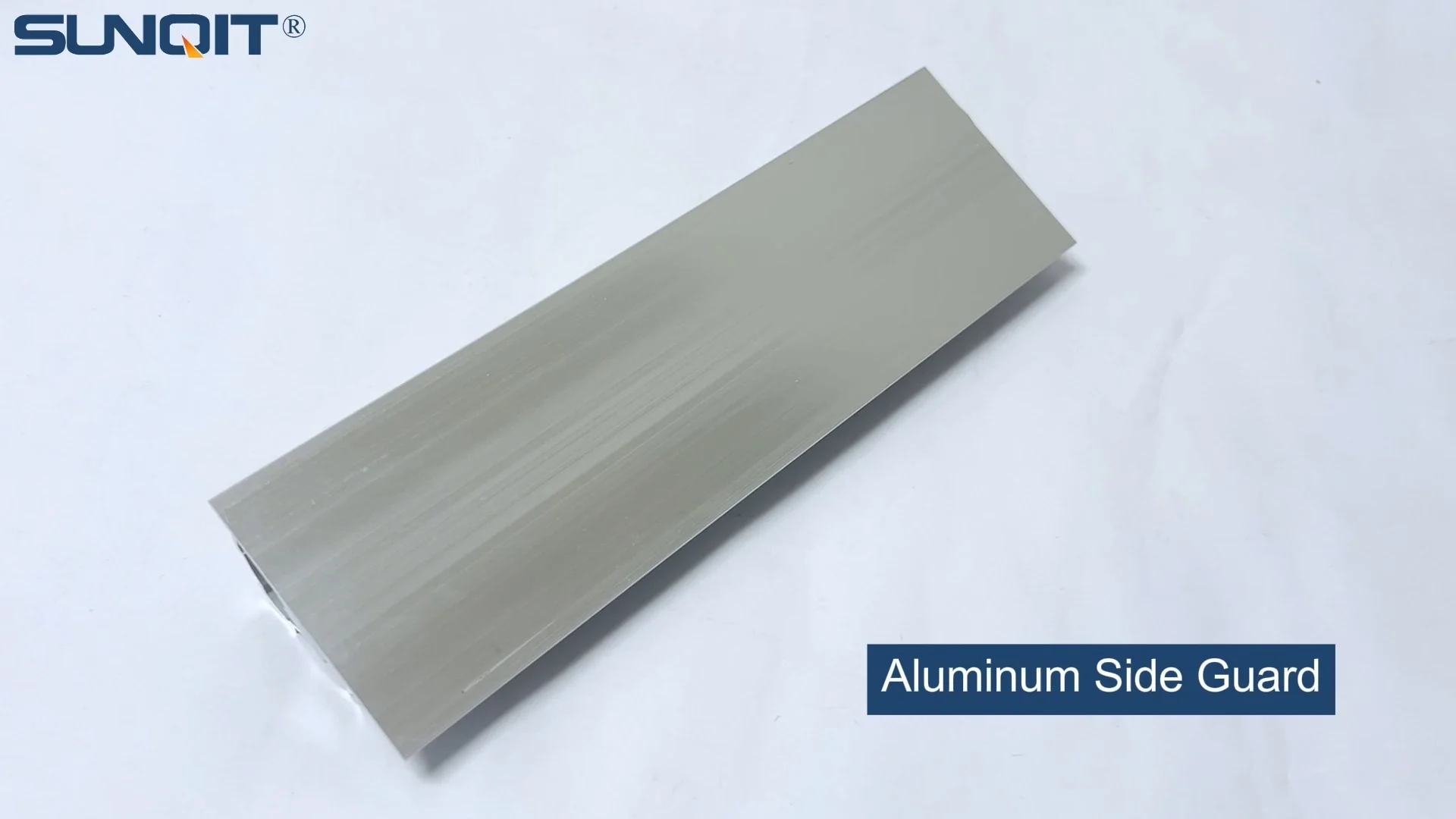
Aluminum Side Guard
Aluminum side guard, it works with a aluminum pipe or a roller track as side guard to prevent material drop,or move to wrong direction.
Walk into any bustling manufacturing plant, electronics assembly line, or warehouse today, and you'll notice a quiet revolution in how work gets done. Gone are the days of static, immovable workbenches anchored to the floor. Instead, mobile workstations glide smoothly from one task to the next, carrying tools, components, and even entire production setups with ease. This shift toward mobility has unlocked unprecedented efficiency—teams can reconfigure layouts in minutes, materials reach workers exactly when needed, and downtime between tasks has plummeted. But with this newfound flexibility comes a critical challenge: How do you keep these moving workspaces stable, secure, and safe for both workers and the valuable items they carry? The answer lies in a deceptively simple yet indispensable component: aluminum side guards.
In this article, we'll explore how aluminum side guards transform mobile workstations from mere rolling tables into robust, reliable hubs of productivity. We'll dive into their design, the unique advantages of aluminum as a material, and how they work in harmony with other components like caster wheels and aluminum pipe accessories to deliver unmatched stability. Whether you're managing a busy assembly line or optimizing a warehouse workflow, understanding the role of aluminum side guards is key to building a workspace that's not just efficient, but also safe.
What Are Aluminum Side Guards, Anyway?
At first glance, aluminum side guards might look like simple metal rails attached to the edges of a workbench. But their purpose runs deeper than aesthetics. These guards are engineered barriers—typically made from lightweight, durable aluminum profile—that line the sides, front, or rear of a mobile workstation. Their primary job? To keep tools, parts, and materials securely on the workstation, even when it's in motion, tilted, or stopped suddenly. Think of them as the "seatbelts" of the manufacturing world: unassuming until you need them, but vital for preventing accidents.
But their role isn't limited to just holding items in place. Aluminum side guards also act as a physical buffer between workers and the workstation's moving parts, like caster wheels, reducing the risk of pinch points or trips. In high-precision environments, such as electronics assembly, they can even be customized with non-slip surfaces or ESD (Electrostatic Discharge) properties to protect sensitive components—though that's a topic for another day. For now, let's focus on their core mission: stability and safety.
Why Aluminum? The Material That Makes Side Guards Shine
If side guards are so important, why use aluminum to make them? Why not steel, plastic, or wood? The answer lies in aluminum's unique blend of properties that make it almost tailor-made for this job. Let's break it down:
1. Lightweight Without Sacrificing Strength
Mobile workstations rely on caster wheels for mobility, and adding heavy guards would bog them down, making them hard to push or straining the wheels over time. Aluminum profile solves this problem. It's about one-third the weight of steel but offers comparable strength, thanks to modern extrusion techniques that create hollow, yet rigid, structures. This means you get a guard that can withstand bumps and impacts without turning your workstation into a cumbersome, hard-to-move behemoth.
2. Corrosion Resistance for Longevity
Manufacturing floors and warehouses are tough environments. Spills, humidity, and even chemicals can take a toll on metal components. Aluminum naturally forms a thin oxide layer when exposed to air, acting as a built-in shield against rust and corrosion. Unlike steel, which needs constant painting or coating, aluminum side guards stay looking—and performing—like new for years, even in damp or messy settings.
3. Flexibility in Design
Aluminum extrusion allows for intricate, custom shapes that can be tailored to fit any workstation design. Whether you need a low-profile guard for a slim workbench or a tall, wrap-around version for a high-capacity cart, aluminum profile can be shaped to match. This flexibility also extends to accessories: aluminum pipe accessories like joints, brackets, and connectors are widely available, making it easy to attach guards securely to the workstation frame without welding or drilling.
| Material | Weight (kg/m) | Corrosion Resistance | Best For |
|---|---|---|---|
| Aluminum Profile (6061-T6) | 2.7 | Excellent (natural oxide layer) | Mobile workstations, light-to-medium loads |
| Steel (Mild) | 7.85 | Poor (needs coating) | Static workbenches, heavy industrial use |
| Plastic (PVC) | 1.4 | Good | Light-duty, low-cost applications |
As the table shows, aluminum profile strikes the perfect balance for mobile workstations: light enough to keep the workstation agile, strong enough to protect valuable items, and durable enough to last in harsh environments. It's no wonder it's the material of choice for leading manufacturers.

Side Guards + Caster Wheels + Aluminum Pipe Accessories: A Trio for Stability
Aluminum side guards don't work alone. They're part of a larger ecosystem of components that together make mobile workstations stable and functional. Two of the most critical partners in this system are caster wheels and aluminum pipe accessories. Let's see how they collaborate:
Caster Wheels: Mobility Without Compromise
Caster wheels are what make a workstation "mobile," but without proper design, they can turn a workstation into a wobbly, unstable mess—especially when loaded with tools and parts. High-quality caster wheels (think heavy-duty, swivel-lock models) work with aluminum side guards to keep the workstation steady. Here's how:
- Locking Mechanisms: When the workstation is in use, locking the caster wheels prevents unintended movement. Aluminum side guards then ensure that even if someone bumps the workstation, items won't slide off.
- Weight Distribution: Caster wheels with broad, non-marking treads distribute the workstation's weight evenly, reducing the risk of tipping. Side guards add "width" to the workstation's base, further lowering the center of gravity.
- Smooth Rolling: Low-friction caster wheels mean the workstation glides easily, even with side guards attached. No more straining to push a heavy cart—aluminum's light weight and smooth-rolling casters keep mobility effortless.
Aluminum Pipe Accessories: The Glue That Holds It All Together
What good is a side guard if it's loosely attached to the workstation? That's where aluminum pipe accessories come in. These include joints, brackets, clamps, and connectors—all designed to secure the aluminum profile side guards to the workstation frame. Unlike cheap plastic clips or flimsy steel brackets, aluminum pipe accessories are precision-engineered to fit the T-slots of aluminum profile, creating a tight, rattle-free connection. This rigidity is crucial: a loosely mounted guard might vibrate loose over time, defeating its purpose. With the right accessories, side guards stay firmly in place, even during frequent movement or heavy use.
For example, a 90-degree aluminum joint can attach a vertical side guard to a horizontal workbench frame, while a parallel fixation bracket can connect two guards side by side for extra height. These accessories not only add strength but also allow for customization—so you can design side guards that fit your workstation's unique dimensions and needs.

Design Features That Boost Stability (and Peace of Mind)
Not all aluminum side guards are created equal. The best ones come with thoughtful design features that enhance stability and usability. Here are a few to look for:
Adjustable Height and Depth
Workstations carry all kinds of items: small screws one day, bulky tools the next. Adjustable side guards let you raise or lower the barrier (using sliding brackets or telescoping aluminum profile) to match the height of your load. Need to stack boxes? Crank the guards up to 18 inches. Working with flat PCBs? Lower them to 4 inches to keep the workspace uncluttered. This adaptability ensures nothing slips over the edge, no matter what you're carrying.
Integrated Roller Track Compatibility
Many mobile workstations double as material transport hubs, using roller tracks to slide parts from one station to the next. The best aluminum side guards are designed to work seamlessly with these tracks. They might feature notches or cutouts that let the roller track pass through, or they might be mounted slightly above the track to guide items without blocking flow. This integration keeps materials moving smoothly while still protecting them from falling off the sides.
Non-Slip Edges and Padding
Even with a guard, smooth metal surfaces can let small parts like screws or washers slide around. Some aluminum side guards solve this with rubberized or textured edges that grip items, preventing micro-slips. In environments where workers might lean against the guard (say, during assembly), padded edges can also reduce fatigue and improve comfort—proving that safety and ergonomics can go hand in hand.
The Safety Payoff: Fewer Accidents, Happier Workers
At the end of the day, the true measure of aluminum side guards is their impact on safety. Let's look at the real-world benefits:
Preventing "Walkaway" Accidents
We've all seen it: a worker hurries to grab a tool, bumps a workstation, and suddenly a box of screws is scattered across the floor. Not only is this a hassle to clean up, but it's also a tripping hazard. Aluminum side guards act as a physical barrier, containing spills and preventing small parts from rolling off—even with accidental bumps. In one automotive plant we worked with, adding side guards reduced "scatter incidents" by 65% in the first month alone.
Protecting Workers from Moving Parts
Mobile workstations often have exposed caster wheels or undercarriage components. Without side guards, loose clothing, shoelaces, or even fingers can get caught in these moving parts. Aluminum side guards create a shield between workers and the wheels, reducing the risk of lacerations or entanglement. This is especially critical in fast-paced environments where workstations are constantly on the move.
Compliance with Safety Standards
OSHA and other safety bodies have strict guidelines for workstation design, including requirements for fall protection of tools and materials. Aluminum side guards help facilities meet these standards, avoiding costly fines and, more importantly, keeping workers safe. In regulated industries like pharmaceuticals or aerospace, where compliance is non-negotiable, side guards are often a mandatory part of workstation setup.
Real-World Impact: How Side Guards Transformed Workflows
To truly understand the value of aluminum side guards, let's look at a case study from a mid-sized electronics manufacturer we partnered with last year. The company had a problem: their mobile workstations, used to assemble circuit boards, were constantly losing small components like resistors and capacitors during transport. Workers were spending 10-15 minutes per shift picking up parts, and the occasional lost resistor even led to defective products.
Their solution? Installing aluminum side guards (made from 2020 aluminum profile) with adjustable height and rubberized edges, paired with heavy-duty caster wheels and aluminum pipe accessories for secure mounting. The results were striking:
- Component loss dropped by 90%—no more wasted time picking up parts.
- Defect rates decreased by 12%, as fewer missing components led to better assembly quality.
- Worker satisfaction scores rose, with employees noting the workstation felt "more solid" and "less stressful" to use.
This isn't an isolated example. From automotive plants using side guards to secure heavy tools during line changes to warehouses using them to transport fragile goods, aluminum side guards consistently deliver tangible improvements in efficiency and safety.
Choosing the Right Aluminum Side Guards for Your Workstation
Not all workstations are the same, so not all side guards should be either. When selecting aluminum side guards, consider these key factors:
Load Capacity
How much weight will your workstation carry? A bench for small tools might only need lightweight 2020 aluminum profile guards, while a workstation hauling 500-pound machinery parts will require heavier 4040 or 3030 profile. Check the guard's load rating (usually listed by the manufacturer) to ensure it can handle your typical load.
Environment
Will the workstation be used in a wet area (like a food processing plant) or a dry one (like an office warehouse)? Aluminum's corrosion resistance makes it suitable for most environments, but in extra-harsh conditions, you might want guards with anodized or powder-coated finishes for added protection.
Mobility Needs
How often will the workstation move? If it's constantly on the go, prioritize lightweight aluminum profile and low-friction caster wheels. If it stays mostly stationary but needs occasional repositioning, you might opt for slightly heavier guards with extra stability features.
Customization Options
Does your workstation have unique dimensions or features (like roller tracks or tool hooks)? Look for side guards that can be easily modified with aluminum pipe accessories—joints, brackets, or cut-to-length profile—to fit your setup perfectly.
Maintenance: Keeping Your Side Guards in Top Shape
One of the best things about aluminum side guards is how little maintenance they require. Here's how to keep them performing like new:
- Clean Regularly: Wipe down guards with a damp cloth to remove dust, grease, or debris. For stubborn grime, use mild soap and water—avoid harsh chemicals that might damage the finish.
- Check Connections: Every few months, tighten any loose aluminum pipe accessories (joints, brackets) to ensure the guards stay securely attached.
- Inspect for Damage: Look for dents, bends, or cracks—especially after heavy use. Aluminum is durable, but severe impacts can weaken the profile. replace damaged sections promptly to maintain safety.
With proper care, aluminum side guards can last 10 years or more—making them a smart, long-term investment in your workspace.
The Bottom Line: Stability, Safety, and Success
In the fast-paced world of modern manufacturing and warehousing, mobile workstations are no longer a luxury—they're a necessity. But mobility shouldn't come at the cost of stability or safety. Aluminum side guards, with their lightweight aluminum profile construction, seamless integration with caster wheels and aluminum pipe accessories, and thoughtful design features, are the key to unlocking the full potential of these workstations.
Whether you're looking to reduce accidents, improve efficiency, or simply create a more reliable workspace, aluminum side guards deliver. They're a small component with a big impact—proof that sometimes, the most important innovations are the ones that keep everything else in place.
So the next time you see a mobile workstation gliding across a factory floor, take a moment to appreciate the aluminum side guards holding it all together. They might not grab headlines, but they're the unsung heroes keeping your team safe and your operations running smoothly.