- Company Articles
- Products and Technology
- Product knowledge
- Aluminum Side Guards for Pallet Jacks: Preventing Load Spillage & Damage

Aluminum Side Guards for Pallet Jacks: Preventing Load Spillage & Damage
Related Product
Aluminum Side Guard
Aluminum side guard, it works with a aluminum pipe or a roller track as side guard to prevent material drop,or move to wrong direction.
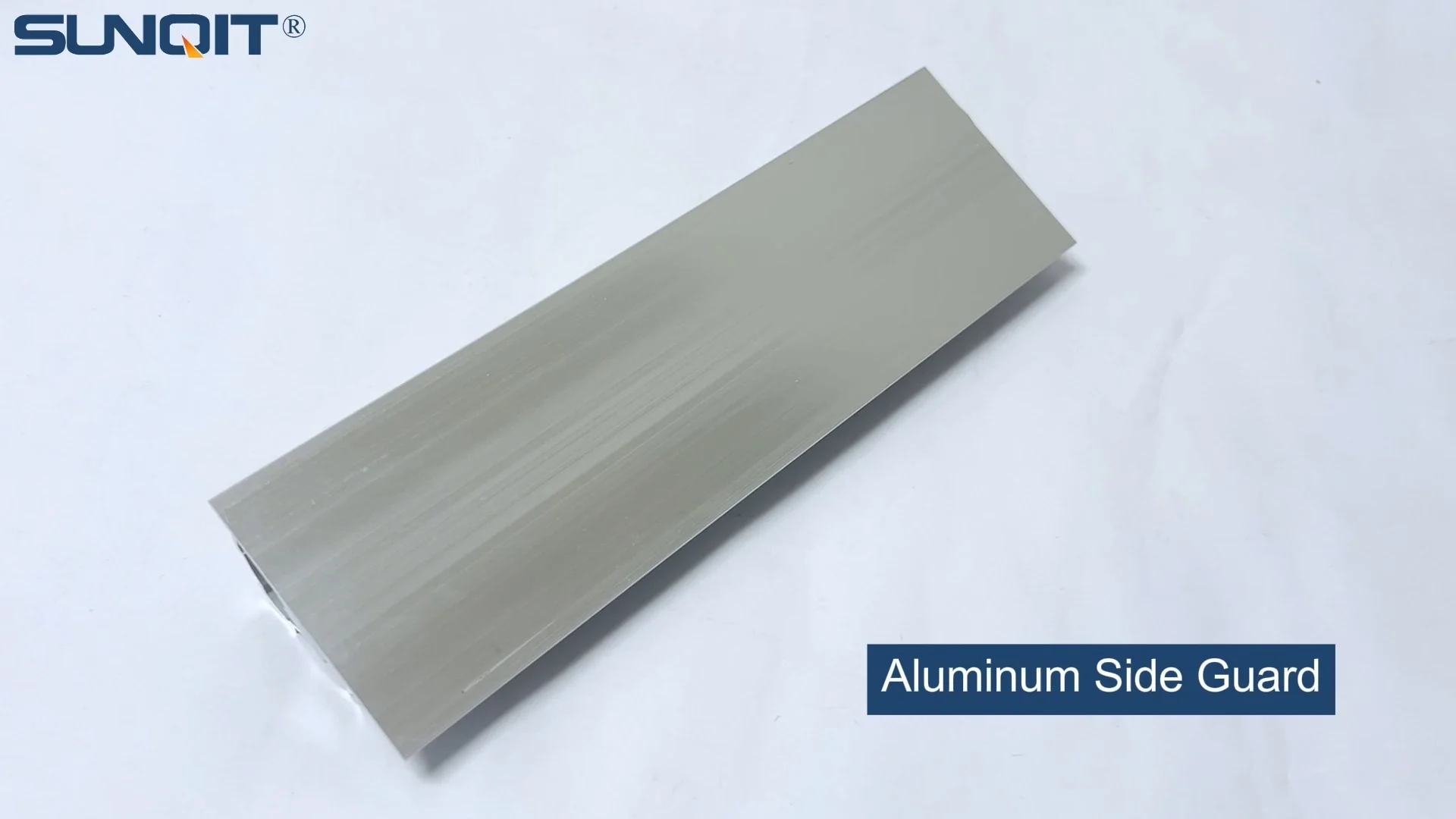
A closer look at how this simple upgrade transforms safety and efficiency in material handling
Walk into any busy warehouse, distribution center, or manufacturing floor, and you'll likely hear the hum of pallet jacks gliding across concrete—those unassuming workhorses that move everything from electronics to groceries, raw materials to finished goods. They're the backbone of material handling, but here's a quiet problem many operations overlook: load spillage. A single box slipping off a pallet, a bag tearing open, or a loose part tumbling to the ground can derail schedules, damage inventory, and even put workers at risk. That's where aluminum side guards come in. These unassuming barriers, often crafted from durable aluminum extrusion profile, are more than just add-ons—they're a game-changer for keeping loads secure, workers safe, and operations running smoothly.
The Hidden Cost of Unsecured Loads: Why Spillage Hurts More Than You Think
Let's start with the obvious: damaged goods. If a carton of fragile electronics slips off a pallet jack and hits the floor, that's a loss—maybe $50, maybe $500, depending on the product. Multiply that by a few incidents a week, and suddenly you're looking at thousands in wasted inventory. But the costs don't stop there. Spilled loads mean downtime: a worker has to stop what they're doing to clean up, restack, or report the damage. In a fast-paced warehouse, even 10 minutes of downtime per incident adds up. Then there's safety. A stray box in a walkway is a tripping hazard; loose parts can get caught in machinery. OSHA reports that over 20% of workplace injuries in manufacturing involve material handling accidents, and many of these stem from unstable loads.
Worse, inconsistent load security erodes trust. If your team is constantly worried about spilling items, they might move slower, double-checking every stack instead of focusing on efficiency. Over time, that hesitation eats into productivity. And let's not forget customer satisfaction: if a shipment arrives with damaged goods because of in-transit spillage (even within your own facility), you're looking at returns, delays, and unhappy clients. The bottom line? Unsecured loads aren't just an annoyance—they're a silent drain on your bottom line.
Aluminum Side Guards 101: What They Are and How They Work
So, what exactly are aluminum side guards for pallet jacks? Think of them as protective rails that attach to the sides of a pallet jack's forks or platform, creating a barrier that keeps loads from sliding off during transport. They're typically made from lightweight yet sturdy aluminum extrusion profile—a material known for its strength, flexibility, and resistance to rust. Unlike flimsy plastic guards or heavy steel bars, aluminum side guards strike a perfect balance: they're tough enough to contain shifting loads but light enough that they don't add unnecessary weight to the pallet jack, which could slow it down or strain the operator.
Most aluminum side guards are adjustable, too. They can be extended or retracted to fit different pallet sizes, from standard 40x48-inch pallets to smaller custom loads. Some models even come with additional features, like rubber edging (often part of aluminum profile accessories) to cushion delicate items, or quick-release mechanisms that make installation and removal a breeze. Whether you're moving stacked boxes, loose parts, or irregularly shaped items, these guards act like a safety net, keeping everything in place—even when the pallet jack hits a bump or makes a sharp turn.

Why Aluminum? The Material That Makes Side Guards Reliable
You might be wondering: why not steel? Or plastic? Let's break it down. Steel is strong, but it's heavy—adding steel guards to a pallet jack can make it harder to maneuver, especially for operators pushing it manually. It's also prone to rust, which is a problem in humid warehouses or facilities that handle refrigerated goods. Plastic is lightweight, but it's not as durable; over time, it can crack or warp under heavy loads or constant use. Aluminum, though? It's the sweet spot.
| Material | Weight (Per Foot) | Durability | Corrosion Resistance | Customization |
|---|---|---|---|---|
| Aluminum (Extrusion Profile) | 1.2 lbs | High (resists dents/scratches) | Excellent (no rust) | Easy (via aluminum profile accessories) |
| Steel | 3.5 lbs | Very High | Low (prone to rust without coating) | Limited (heavy, hard to modify) |
| Plastic | 0.8 lbs | Low (can crack/warp) | High | Minimal (molding limits design) |
Aluminum extrusion profile is also incredibly versatile. Manufacturers can shape it into different sizes and designs—from tall, solid barriers for loose items to shorter, slotted guards that let you see the load while still containing it. And because it's lightweight, aluminum side guards are easy to install and adjust, even for operators who aren't mechanical experts. Plus, aluminum doesn't require much maintenance: a quick wipe with a damp cloth is usually enough to keep it looking new, unlike steel, which might need repainting or rust treatment over time.

How Aluminum Side Guards Actually Prevent Spillage & Damage
Let's get practical: how do these guards actually stop loads from spilling? It's all about creating a physical boundary. When you stack boxes on a pallet jack without side guards, the only thing keeping them in place is friction and the operator's careful driving. Hit a crack in the floor, and the top box might slide sideways. Brake suddenly, and the load could shift forward. Aluminum side guards act like a fence, catching those shifts before they turn into spills.
Take irregular loads, for example—bags of grain, loose parts, or items that don't stack neatly. Without guards, these can easily tumble off the sides. But with aluminum side guards (especially taller models), the sides of the load are supported, even if they're uneven. For stacked boxes, the guards prevent "domino effect" spills: if one box starts to slip, the guard stops it from taking others down with it. And for delicate items, like glassware or electronics, many aluminum side guards come with soft, rubberized edges (thanks to aluminum profile accessories) that cushion impacts, reducing the risk of damage even if a box bumps against the guard.
Another key benefit? They encourage better loading habits. When operators know the side guards are there, they're more likely to stack loads evenly, since they can see the guard rails as a guide. Over time, this leads to more consistent, stable loads—further reducing spillage risks. It's a small change, but it creates a culture of care around material handling.
Types of Aluminum Side Guards: Finding the Right Fit for Your Needs
Not all aluminum side guards are created equal—there are a few different types, each designed for specific loads and work environments. Let's break down the most common ones:
1. Fixed-Height Side Guards
These are the standard go-to for most warehouses. They have a fixed height (usually 12–18 inches) and attach permanently to the pallet jack's forks. They're great for consistent load sizes, like standard pallets of boxes or cartons. Since they're fixed, they're sturdier and less likely to shift during use—perfect for high-volume operations where reliability is key.
2. Adjustable-Height Side Guards
If your loads vary in height—one day you're moving short boxes, the next you're transporting taller equipment—adjustable guards are the way to go. They use sliding mechanisms (often part of the aluminum extrusion profile design) that let you raise or lower the guard rails to match the load. Some even fold down when not in use, so you can switch between guarded and unguarded setups quickly.
3. Fold-Down Side Guards
Ideal for facilities where pallet jacks need to fit into tight spaces or under low shelves. These guards fold flat against the pallet jack when not in use, reducing their profile. They're popular in retail backrooms or small warehouses where space is at a premium, but you still need load security when moving goods.
4. Heavy-Duty Side Guards
For extra-large or heavy loads—think automotive parts, machinery, or bulk materials—heavy-duty guards are reinforced with thicker aluminum extrusion profile and stronger brackets (often from aluminum profile accessories). They can withstand more weight and impact, making them a must for industrial settings.
Installing Aluminum Side Guards: A Quick Guide (No Expertise Required)
You might be thinking, "Installing side guards sounds complicated—do I need a mechanic?" The good news is, most aluminum side guards are designed for easy DIY installation. Here's a basic overview of how it works:
- Check compatibility: First, make sure the guards are designed for your pallet jack model. Most manufacturers list compatible models, but if you're unsure, a quick call to your aluminum profile supplier can help.
- Gather tools: You'll usually need a wrench or screwdriver—nothing fancy. Many kits come with the necessary hardware, including bolts and brackets (part of aluminum profile accessories).
- Attach the brackets: Most guards mount to the pallet jack's forks or frame using brackets. Align the brackets with the pre-drilled holes (or use clamps if drilling isn't an option), then tighten the bolts.
- Secure the guard rails: Slide the aluminum extrusion profile rails into the brackets and lock them in place (either with screws or quick-release pins, depending on the model).
- Test it out: Give the guards a gentle shake to ensure they're tight. Load a pallet and push the jack around to see how the guards perform—adjust if needed.
Total installation time? Usually 15–30 minutes per pallet jack. If you're installing multiple, you could knock out a whole fleet in an afternoon. And if you do run into issues, most aluminum profile suppliers offer installation guides or even phone support to walk you through it.
Keeping Your Side Guards in Top Shape: Simple Maintenance Tips
Aluminum side guards are low-maintenance, but a little care goes a long way in extending their lifespan. Here's what to do:
- Clean regularly: Wipe down the aluminum extrusion profile rails with a damp cloth to remove dust, grease, or debris. In dirty environments (like construction sites or factories with oil residue), use a mild detergent—just avoid harsh chemicals that could damage the finish.
- Check for loose parts: Every few weeks, tighten any bolts or screws that hold the brackets or rails in place. Vibration from daily use can loosen them over time, so a quick once-over with a wrench prevents wobbling or detachment.
- Inspect for damage: Look for dents, bends, or cracks in the aluminum rails. Aluminum is tough, but heavy impacts (like hitting a wall) can warp it. If you notice damage, contact your aluminum profile supplier for replacement parts—don't try to bend it back yourself, as that could weaken the material.
- Lubricate moving parts: If you have adjustable or fold-down guards, apply a small amount of lubricant to the hinges or sliding mechanisms every few months to keep them moving smoothly. This prevents rust (though aluminum itself doesn't rust, the hardware might) and ensures easy adjustment.
With this routine, your aluminum side guards should last 5–7 years or more—making them a smart, long-term investment.
Real Results: How One Warehouse Cut Spillage by 75% with Aluminum Side Guards
Let's put this all into perspective with a real-world example (names changed for privacy). Meet "Midwest Distribution," a medium-sized warehouse in Ohio that handles consumer electronics—think laptops, tablets, and phone accessories. A year ago, they were struggling with frequent load spillage: on average, 3–4 incidents a week, costing them around $2,000 monthly in damaged goods and downtime. Their team was frustrated, and safety reports were starting to flag "unstable loads" as a recurring issue.
Then, their operations manager, Sarah, started researching solutions. She considered steel guards but worried about the added weight. Plastic seemed too flimsy. Finally, she reached out to an aluminum profile supplier who specialized in material handling equipment. After discussing their needs—mostly standard pallets of boxes, some irregularly shaped items—the supplier recommended adjustable aluminum side guards made from aluminum extrusion profile, with rubberized edges (aluminum profile accessories) to protect delicate electronics.
Midwest installed the guards on all 12 of their pallet jacks. The results? Within the first month, spillage incidents dropped to just 1 per week. After three months, they were down to 1–2 per month. Sarah estimates they're now saving $1,500+ monthly in damaged inventory and downtime. "The operators love them," she told me. "They say the guards make them feel more confident—like they're not walking a tightrope with every load. And the best part? We haven't had a single safety incident related to load spillage since installing them."
Stories like Midwest's aren't uncommon. When operations invest in simple, effective tools like aluminum side guards, the payoff is clear: happier workers, safer floors, and a healthier bottom line.
How to Choose the Right Aluminum Side Guards: Key Factors to Consider
Ready to invest in aluminum side guards? Here's what to keep in mind to make sure you get the right ones:
1. Load Size and Type
Taller loads need taller guards—if you're moving 4-foot-high stacks, a 12-inch guard won't cut it. Irregularly shaped items might require adjustable guards. Delicate goods? Look for guards with protective accessories like rubber edges (check with your aluminum profile supplier for options).
2. Pallet Jack Model
Not all guards fit all jacks. Check your pallet jack's specifications (fork width, frame design) and confirm compatibility with the guard manufacturer. A good aluminum profile supplier will ask for your jack model to ensure a perfect fit.
3. Warehouse Environment
Humid or wet environments (like cold storage) need guards that can handle moisture—aluminum is already corrosion-resistant, but you might want to opt for stainless steel hardware to be safe. If you're in a tight space, fold-down guards are a better choice than fixed ones.
4. Quality of Materials
Not all aluminum extrusion profile is created equal. Look for guards made from high-grade aluminum (6061-T6 is a common, durable alloy) and sturdy brackets. Avoid "cheap" options—they might use thinner aluminum that bends easily. A reputable aluminum profile supplier will be transparent about materials and offer warranties.
Invest in Safety, Invest in Efficiency: Why Aluminum Side Guards Are Worth It
At the end of the day, aluminum side guards for pallet jacks are more than just a "nice-to-have"—they're a smart investment in your operation's safety, efficiency, and bottom line. They protect your inventory from damage, your workers from injury, and your schedule from costly downtime. And because they're made from durable aluminum extrusion profile, they'll keep doing that for years to come, with minimal maintenance.
If you're still on the fence, think about this: the cost of a single aluminum side guard (usually $50–$150, depending on type) is a fraction of the cost of even one damaged shipment or safety incident. When you multiply that by the number of incidents you'll prevent, the ROI is clear. Plus, your team deserves tools that make their jobs easier and safer—aluminum side guards do exactly that.
So, take the first step: reach out to an aluminum profile supplier today. Discuss your needs, ask about samples, and see how these simple, effective guards can transform your material handling operations. Your inventory (and your team) will thank you.