- Company Articles
- Products and Technology
- Product knowledge
- Aluminum Side Guards for Temporary Workstations: Portability & Reusability

Aluminum Side Guards for Temporary Workstations: Portability & Reusability
Related Product
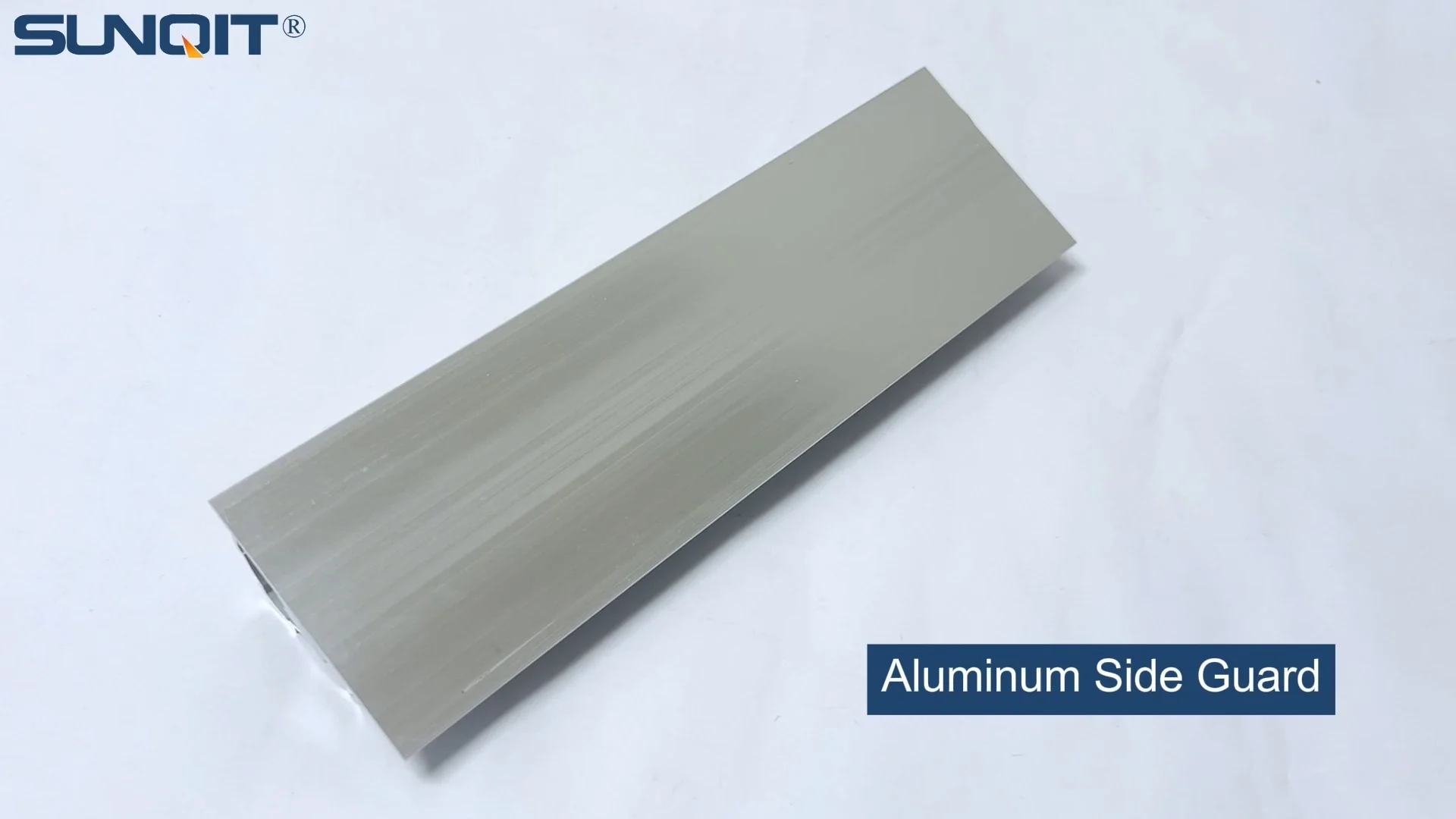
Aluminum Side Guard
Aluminum side guard, it works with a aluminum pipe or a roller track as side guard to prevent material drop,or move to wrong direction.
The Rise of Flexible Workspaces: Why Temporary Workstations Need Smart Solutions
In today's fast-paced business landscape, adaptability isn't just a buzzword—it's a survival skill. Whether you're a small manufacturing shop scaling up for a rush order, a warehouse gearing up for peak season, or a workshop launching a short-term project, the ability to create functional, safe workspaces quickly and efficiently can make or break your productivity. Enter temporary workstations: modular, movable setups designed to meet immediate needs without the commitment of permanent structures. But here's the thing—these workstations are only as good as the components that hold them together. And when it comes to safety, organization, and long-term value, one component stands out: aluminum side guards.
Temporary workstations often get a bad rap for feeling flimsy or disjointed. Tools slide off edges, materials topple over, and without proper barriers, the risk of accidents or inefficiencies skyrockets. That's where aluminum side guards come in. More than just "rails" bolted to a table, these guards are engineered to balance three critical needs: safety (keeping items contained), portability (easy to move and set up), and reusability (durable enough to be repurposed again and again). And because they're made from aluminum—specifically aluminum extrusion profiles—they bring a level of versatility that other materials simply can't match.
Let's dive into why aluminum side guards have become a go-to solution for businesses prioritizing flexibility. We'll explore their design, benefits, real-world applications, and how they integrate seamlessly with everything from basic workbenches to full lean systems. By the end, you'll understand why these unassuming components are quietly revolutionizing how teams build and adapt their workspaces.
What Are Aluminum Side Guards, Anyway? More Than Just "Rails"
At first glance, aluminum side guards might look like simple strips of metal attached to the edges of a workstation. But dig deeper, and you'll realize they're the unsung heroes of modular workspace design. Put simply, aluminum side guards are lightweight, durable barriers mounted along the edges of workbenches, tables, or material racks to prevent tools, parts, or materials from sliding off. They're typically made from aluminum extrusion profiles—hollow, rigid structures formed by pushing aluminum through a die to create consistent, custom shapes. This manufacturing process gives them strength without excess weight, making them ideal for temporary setups.
But their role goes beyond containment. Aluminum side guards also help define workspace boundaries, reduce clutter, and even improve workflow. For example, in a lean system—where minimizing waste and maximizing efficiency are key—side guards ensure that only essential tools stay within arm's reach, preventing workers from wasting time hunting for misplaced items. They also protect delicate components (like electronics or small parts) from accidental falls, reducing scrap and rework.
What sets aluminum side guards apart from, say, plastic or steel alternatives? It starts with the material: aluminum extrusion profiles. These profiles are engineered to be both strong and lightweight, with a high strength-to-weight ratio that makes them easy to handle during setup and teardown. They're also resistant to corrosion, so even in environments with moisture or chemicals, they won't rust or degrade. And because aluminum is inherently malleable, side guards can be customized in length, height, and even color (via powder coating) to fit specific workstation needs.

Why Aluminum? Comparing Materials for Side Guards
When choosing side guards for temporary workstations, the material matters—a lot. Let's break down how aluminum stacks up against two common alternatives: steel and wood.
| Feature | Aluminum (Aluminum Extrusion Profiles) | Steel | Wood |
|---|---|---|---|
| Weight | Lightweight (e.g., 6-10 lbs for a 6ft guard) | Heavy (e.g., 20-30 lbs for a 6ft guard) | Moderate (e.g., 15-20 lbs for a 6ft guard) |
| Portability | Easy to carry/move solo; ideal for temporary setups | Requires 2+ people to move; cumbersome for frequent reconfigurations | Manageable but bulky; prone to splintering if moved roughly |
| Durability | Resistant to corrosion, dents, and warping; lasts for years | Strong but prone to rust without coating; heavy weight can strain workstation frames | Prone to water damage, scratches, and warping; short lifespan in high-use areas |
| Reusability | Can be disassembled, cut to new lengths, or repurposed for different workstations | Difficult to modify; welding/grinding needed for adjustments | Not easily reconfigurable; may crack or split when reassembled |
| Cost (Long-Term) | Higher upfront, but lower total cost due to reusability and low maintenance | Low upfront, but high maintenance (painting, rust treatment) and replacement costs | Lowest upfront, but frequent replacements drive up long-term costs |
As the table shows, aluminum extrusion profiles shine in the areas that matter most for temporary workstations: portability and reusability. Steel might be stronger, but its weight makes it impractical for setups that need to be moved or reconfigured regularly. Wood is cheap, but it's too fragile for repeated use. Aluminum? It hits the sweet spot—light enough to handle alone, tough enough to withstand daily wear, and flexible enough to adapt to new needs.
Another hidden benefit? Aluminum's compatibility with aluminum profile accessories. From brackets and connectors to clamps and hinges, these accessories make it easy to attach side guards to almost any workstation frame—whether it's a basic aluminum tube structure or a more complex lean system. No drilling, no welding, no hassle. Just snap, clamp, or bolt, and you're ready to go.

Portability: Designed for the "On-the-Go" Workspace
Let's talk about portability—the first half of the aluminum side guard advantage. For temporary workstations, "portable" doesn't just mean "can be moved." It means easily moved. It means one person can carry a set of guards from the storage closet to the assembly line in under five minutes. It means fitting into a standard pickup truck or even a van when you need to transport them to a job site. Aluminum side guards deliver on all these fronts, thanks to their lightweight design and modular construction.
Consider this scenario: A furniture manufacturer lands a last-minute order for 500 chairs, requiring them to set up a second assembly line in their warehouse. The existing line uses permanent steel guards, but the temporary line needs to be up in 48 hours and taken down once the order is done. Steel guards would require a crew to install and a forklift to move—wasting precious time. Aluminum side guards? Two workers can unload the guards from storage, attach them to a basic workbench frame using aluminum profile accessories like quick-connect brackets, and have the line ready in under an hour. And when the order is complete, the guards can be disassembled, stacked flat, and stored until the next rush.
But portability isn't just about weight. It's also about how the guards attach to the workstation. Aluminum side guards often use T-slot aluminum pipe designs, where accessories slide into pre-cut grooves and lock in place with bolts or levers. This means no drilling holes in the workstation frame (which weakens it over time) and no struggling with nuts and bolts that strip or get lost. Even better, many guards come with rounded edges and smooth finishes, so you don't have to worry about scratches on floors or damage to walls when moving them around.
And let's not forget about storage. When not in use, aluminum side guards take up minimal space. Unlike bulky steel rails or awkwardly shaped wood barriers, they can be nested together or hung on hooks in a closet. For small businesses with limited storage, this is a game-changer—no more tripping over unused equipment or sacrificing valuable floor space for rarely used tools.
Reusability: Sustainable, Cost-Effective, and Ready for Whatever's Next
Now, let's turn to the second half of the equation: reusability. In a world where sustainability and cost control are top priorities, the ability to reuse equipment isn't just "nice to have"—it's essential. Aluminum side guards are built with this in mind, designed to outlast multiple workstation setups and adapt to new needs over time.
Take a typical scenario: A warehouse uses aluminum side guards on temporary picking stations during the holiday season. After the rush, instead of throwing them away (like you might with cheap plastic guards) or letting them rust in a corner (like steel), the warehouse repurposes them. They might shorten some guards using a simple hacksaw (aluminum is easy to cut) to fit onto smaller workbenches in the packing area. Others might get new aluminum profile accessories, like wheeled brackets, to turn them into mobile barriers for inventory staging. A few might even be sent to the maintenance shop, where they're used to protect delicate tools on a repair bench. The point? One set of guards, multiple uses—saving the company money and reducing waste.
What makes aluminum so reusable? For starters, its durability. Unlike plastic, which cracks under stress, or wood, which splinters, aluminum extrusion profiles hold up to repeated handling, stacking, and reconfiguration. Even if a guard gets a small dent, it's cosmetic—not structural. And because aluminum doesn't rust, you don't have to worry about corrosion eating away at the material over time, even in damp environments like food processing plants or outdoor workshops.
Then there's the modularity factor. Aluminum side guards aren't "one size fits all." They're part of a larger ecosystem of aluminum profile components. Need a taller guard for a workstation holding taller parts? Swap out the 6-inch guard for a 12-inch one. Need to add a shelf above the guard for tools? Attach an aluminum profile bracket to the T-slot and slide in a shelf. The possibilities are endless, and because the accessories are standardized, you don't have to buy a whole new system—just the parts you need to adapt.
From a sustainability standpoint, aluminum is also 100% recyclable. When a guard finally reaches the end of its useful life (which could be decades down the line), it can be melted down and repurposed into new products—no waste, no environmental guilt. For businesses trying to reduce their carbon footprint, this is a huge plus.
Integrating with Workbenches and Lean Systems: More Than Just a "Nice-to-Have"
Aluminum side guards don't exist in a vacuum—they're part of a larger workspace ecosystem. And nowhere is this more evident than in their integration with workbenches and lean systems. Let's start with workbenches, the backbone of any workstation. A workbench without side guards is like a cup without a rim—useful, but messy. Tools roll off, small parts disappear over the edge, and workers spend more timeing things up than actually working. Add aluminum side guards, and suddenly the workspace becomes intentional: materials stay where they're supposed to, tools are within easy reach, and the risk of accidents drops dramatically.
But it's not just about containment. Aluminum side guards can enhance workbench functionality, too. Many guards come with built-in features like slots for hanging tools, or notches for holding labels (so everyone knows where each part goes). Pair that with a lean system focused on 5S (Sort, Set in Order, Shine, Standardize, Sustain), and you've got a workstation that's not just organized, but optimized . For example, in a lean manufacturing setup, side guards can help enforce "Set in Order" by defining zones for raw materials, work-in-progress, and finished goods. No more mixing up parts, no more wasted time searching—just a smooth, efficient workflow.
Let's take a concrete example: A automotive parts supplier uses lean principles to streamline their assembly process. Their temporary workstations, used for prototype builds, needed to mirror the efficiency of their permanent lines. By adding aluminum side guards with color-coded labels (yellow for incoming parts, green for completed parts), workers could quickly identify where each component belonged, reducing errors by 30%. The guards also prevented parts from falling into the machinery below, cutting down on downtime caused by jams. And because the guards were lightweight, the workstations could be moved to different areas of the factory as needed, supporting the "flexible cell" concept central to lean manufacturing.
Another area where aluminum side guards shine is in ESD (Electrostatic Discharge) environments, common in electronics manufacturing. Many aluminum extrusion profiles can be powder-coated with ESD-safe finishes, preventing static buildup that could damage sensitive components. Pair that with an ESD workbench (from the keyword list), and you've got a fully protected workspace—critical for industries where even a tiny static charge can ruin a $1,000 circuit board.
It's also worth mentioning how aluminum side guards complement other lean tools like flow racks and conveyors (both in the keyword list). For example, a flow rack used to store materials at a workstation can have side guards along its edges to prevent boxes from tipping over as they slide down the rollers. A conveyor feeding parts to the workstation can have guards to keep parts centered on the belt, reducing jams. In this way, side guards become part of the "waste reduction" puzzle, ensuring that materials move smoothly from one step to the next without disruption.
Key Features to Look for in Quality Aluminum Side Guards
Not all aluminum side guards are created equal. To get the most out of your investment, you'll want to look for guards that check these key boxes:
- High-Quality Aluminum Extrusion Profiles: The foundation of any good guard is the aluminum itself. Look for profiles made from 6061 or 6063 aluminum alloys—these are strong, corrosion-resistant, and widely used in industrial applications. Avoid "generic" aluminum, which may be thinner or contain impurities that weaken the material.
- Smooth, Rounded Edges: Safety first! Sharp edges are a hazard, especially in fast-paced work environments. Quality guards have rounded or beveled edges to prevent cuts or scrapes.
- Consistent Sizing: Whether you're buying 10 guards or 100, they should all be the same length, height, and thickness. Inconsistent sizing makes installation a nightmare and can leave gaps where materials can fall through.
- Compatibility with Standard Accessories: Make sure the guards use T-slot or another standardized system that works with common aluminum profile accessories like brackets, clamps, and shelves. This ensures you can adapt the guards to future needs.
- Customization Options: Every workstation is different. Look for suppliers that offer custom cutting (to your exact length), powder coating (for color or ESD protection), or drilled holes (for specific mounting needs).
- Weight Rating: While aluminum is lightweight, you still need to know how much weight the guard can support. For example, a guard holding heavy tools should have a higher weight rating than one holding small electronics parts.
When evaluating suppliers, don't be afraid to ask for samples. A good supplier will send you a small section of guard so you can test its strength, check the finish, and ensure it fits with your existing aluminum profile system. It's also worth reading reviews or asking for references—you want a supplier with a track record of delivering durable, consistent products.
Real-World Success Stories: How Aluminum Side Guards Transformed Workspaces
Still not convinced? Let's look at two real-world examples of businesses that swapped out traditional side guards for aluminum and never looked back.
Case Study 1: A Small Electronics Manufacturer
A family-owned electronics company in Ohio specializes in repairing circuit boards for medical devices. Their workshop had 10 permanent workstations, but during peak periods (like before hospital budget deadlines), they needed 5 more temporary stations. Initially, they used wooden side guards scavenged from old pallets. The result? Splinters, warped wood, and parts constantly falling off the edges. After switching to aluminum side guards with ESD-safe coating, they noticed immediate changes: Parts stayed in place, setup time for temporary stations dropped from 4 hours to 1 hour, and the guards were reused for three peak seasons before needing any adjustments. "We used to dread setting up the temp lines," said the shop foreman. "Now it's just another part of the day—no hassle, no stress."
Case Study 2: A Warehouse Fulfillment Center
A large e-commerce fulfillment center in Texas handles seasonal spikes during Black Friday and holiday shopping. To keep up, they set up temporary packing stations in unused corners of the warehouse. Originally, these stations had no side guards, leading to frequent spills of packing peanuts, tape rolls, and labels. Workers spent 15-20 minutes per shift cleaning up, and misplaced labels caused shipping errors. The center invested in aluminum side guards with adjustable heights (to accommodate different box sizes) and T-slot hooks for hanging tape dispensers and label rolls. Within a month, cleanup time dropped by 75%, and shipping errors decreased by 40%. Best of all, the guards were stored on a rack during off-seasons and reused year after year, saving the center over $10,000 in replacement costs compared to disposable plastic guards.
These stories highlight a common theme: aluminum side guards aren't just a "nice upgrade"—they're a practical solution that delivers measurable results. Whether it's saving time, reducing errors, or cutting costs, the ROI speaks for itself.
Maintenance Made Simple: Keeping Your Guards in Top Shape
One of the best things about aluminum side guards? They're low-maintenance. Unlike steel, which needs repainting every few years, or wood, which requires staining, aluminum guards just need basic care to stay looking and performing like new. Here's how to keep them in top shape:
- Clean Regularly: Wipe down guards with a damp cloth or mild soap and water to remove dust, grease, or debris. For stubborn stains (like oil or paint), use a non-abrasive cleaner—avoid steel wool or harsh chemicals, which can scratch the finish.
- Check Connections: If your guards are attached with brackets or clamps, inspect the connections monthly to ensure they're tight. Loose connections can cause guards to wobble or detach, creating safety hazards.
- Store Properly: When not in use, store guards flat or vertically in a dry area. Avoid stacking heavy objects on top of them, as this can bend the aluminum extrusion profiles. If stacking, place a piece of cardboard between each guard to prevent scratches.
- Address Damage Promptly: Small dents or scratches are usually harmless, but if a guard is bent or cracked, replace it immediately. A damaged guard won't provide proper containment and could fail under stress.
That's it! No complicated maintenance schedules, no expensive tools—just common-sense care that takes minutes per month. For busy businesses, this is a huge advantage over high-maintenance alternatives.
Conclusion: Aluminum Side Guards—The Flexible Workspace Essential
In a world where flexibility is key, aluminum side guards are more than just a workspace accessory—they're a strategic investment. They balance safety, portability, and reusability in a way that no other material can, making them ideal for temporary workstations that need to adapt quickly. Whether you're setting up a short-term assembly line, a seasonal packing station, or a mobile workshop, aluminum side guards deliver:
- Safety: Containing tools, parts, and materials to prevent accidents and reduce waste.
- Portability: Lightweight design and modular construction for easy setup, teardown, and transport.
- Reusability: Durable, adaptable, and sustainable—one set of guards can serve multiple workstations over decades.
- Integration: Seamless compatibility with workbenches, lean systems, and aluminum profile accessories for a cohesive workspace.
So, if you're still using steel, wood, or (worse) no guards at all for your temporary workstations, it's time to make the switch. Aluminum side guards aren't just about improving your workspace—they're about improving your bottom line. With their low maintenance, high durability, and endless adaptability, they're the smart choice for businesses that refuse to be limited by rigid, permanent setups.
Ready to take the next step? Start by evaluating your current temporary workstations. Where are the pain points? Are tools falling off edges? Is setup taking too long? Are you wasting money on disposable guards? Chances are, aluminum side guards can solve those problems—and more. And with a wide range of suppliers offering everything from standard guards to custom solutions, there's no reason to wait. Your flexible, efficient, and safe workspace is just a few aluminum extrusion profiles away.