- Company Articles
- Products and Technology
- Product knowledge
- Aluminum Side Guards for Warehouse Logistics: Preventing Cargo Damage

Aluminum Side Guards for Warehouse Logistics: Preventing Cargo Damage
Related Product
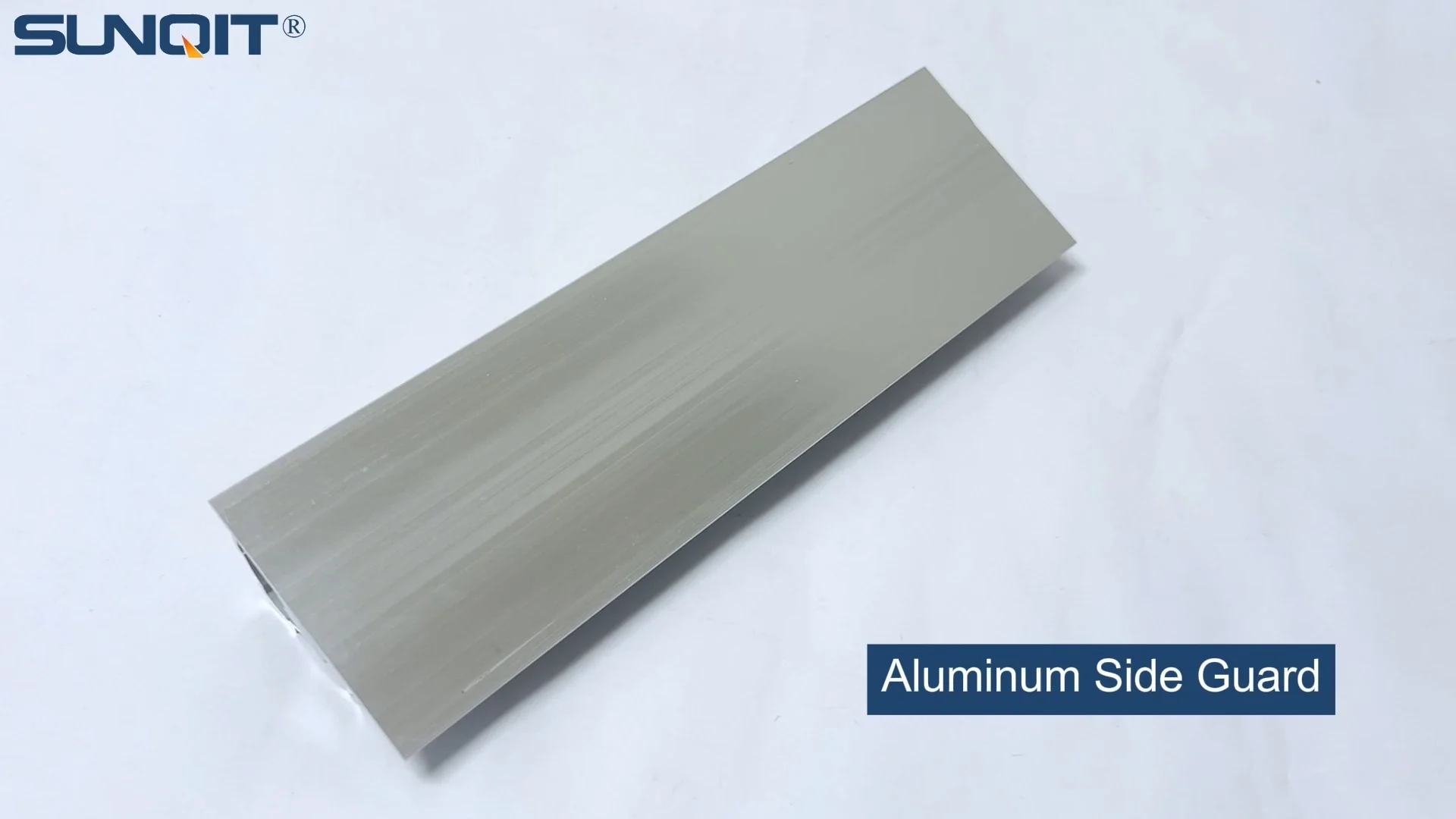
Aluminum Side Guard
Aluminum side guard, it works with a aluminum pipe or a roller track as side guard to prevent material drop,or move to wrong direction.
It's 7:15 AM on a Tuesday at GreenWave Distribution Center, and Maria, the morning shift supervisor, is already juggling a crisis. A pallet of electronics bound for a major retailer has just toppled off a material rack, sending a dozen boxes crashing to the floor. The impact splits open three packages—screens cracked, cords frayed—and now the team is scrambling to repack, re-label, and re-route the order to avoid a late delivery. "That's the third time this month," Maria mutters, eyeing the damage. "Each incident costs us at least $500 in product, plus hours of overtime to fix. We can't keep absorbing this."
Sound familiar? For warehouse and logistics managers, cargo damage isn't just a minor hassle—it's a silent profit killer. Bent packages, crushed goods, and broken inventory eat into margins, slow down operations, and erode customer trust. And while most teams focus on big-ticket solutions like automated sorting systems or heavy-duty forklifts, one underrated hero often gets overlooked: aluminum side guards. These unassuming barriers, typically mounted on roller tracks, workbenches, or material racks, act as a first line of defense against slips, slides, and spills. In this article, we'll dive into why aluminum side guards are becoming a staple in modern warehouses, how they integrate with systems like aluminum profiles and roller tracks, and how they can transform your operation from reactive to proactive.
Understanding Aluminum Side Guards: More Than Just "Barriers"
At first glance, aluminum side guards might seem like simple strips of metal bolted to the edges of racks or tables. But their design is rooted in solving a specific, pervasive problem: the instability of goods in motion. Whether you're sliding a box along a roller track, stacking items on a workbench, or storing pallets on a material rack, lateral movement is the enemy. A sudden jolt from a passing forklift, a miscalculated push, or even vibrations from nearby machinery can send items teetering off the edge—unless there's a guard to catch them.
What sets aluminum side guards apart from plastic or steel alternatives? It starts with the material itself: aluminum. Unlike steel, which is heavy and prone to rust in humid warehouses, aluminum is lightweight (making installation a one-person job) and naturally corrosion-resistant. This is a game-changer for facilities near coastal areas or those handling temperature-sensitive goods, where moisture is a constant concern. Additionally, aluminum's malleability allows for intricate designs—think curved edges to reduce snagging, or slotted profiles that accommodate adjustable heights—without sacrificing strength.
But aluminum side guards don't work alone. They're part of a larger ecosystem of warehouse equipment, often pairing with aluminum profiles (the structural backbone of many modern workbenches and racks) and aluminum pipe accessories (like brackets, clips, and connectors) to create a seamless, customizable system. This integration is key: instead of retrofitting clunky, one-size-fits-all guards, you can design a solution that fits your existing setup—whether that's a high-speed roller track for order picking or a stationary workbench for assembly lines.
The Hidden ROI: How Aluminum Side Guards Save More Than Just Cargo
When Maria's team in GreenWave tallied up the cost of that broken electronics shipment, they included the price of the damaged goods, the labor to clean up, and the overtime to reprocess the order. What they didn't account for? The domino effect: delayed shipments led to a customer service surge, which pulled staff away from other tasks, which slowed down the next day's operations. This is the "hidden cost" of cargo damage—and it's where aluminum side guards deliver their most significant ROI.
Let's break down the benefits:
- Reduced Product Loss: Even a 10% decrease in damage can translate to thousands in savings annually. For a warehouse handling 10,000 units per month, with an average product cost of $50, a 10% reduction means $60,000 back in the budget.
- Enhanced Safety: A falling box isn't just a financial hit—it's a safety hazard. Aluminum side guards reduce the risk of slips (from spilled contents) and trips (from debris), lowering workers' compensation claims and keeping teams focused.
- Improved Workflow: When employees trust that goods won't slide off roller tracks or workbenches, they move with more confidence and speed. No more second-guessing every push or pause to steady a wobbly stack—productivity gets a natural boost.
- Longevity: Aluminum's durability means side guards last for years, even in high-traffic areas. Unlike plastic guards that crack or steel that rusts, aluminum requires minimal maintenance—just an occasional wipe-down to remove dust.
Perhaps most importantly, aluminum side guards adapt to your needs. Need to adjust the height for taller boxes? Use aluminum pipe accessories like telescoping brackets. Moving a workbench to a new location? The lightweight guards can be detached and reinstalled in minutes. This flexibility is why facilities with dynamic layouts—like e-commerce warehouses that reconfigure picking zones seasonally—swear by them.

Types of Aluminum Side Guards: Tailored to Your Workflow
Not all warehouses are created equal—and neither are their side guard needs. A pharmaceutical facility storing fragile vials on a roller track has different requirements than an auto parts warehouse stacking heavy components on a material rack. That's why aluminum side guards come in a variety of designs, each optimized for specific tasks and equipment. Let's explore the most common types:
1. Roller Track Side Guards
Roller tracks are the workhorses of order fulfillment, allowing boxes to glide from storage to packing stations with minimal effort. But that smooth movement can turn dangerous if a box veers off course. Roller track side guards are typically low-profile (2–4 inches tall) and mounted parallel to the track, with rounded edges to prevent catching on packages. They're often made from thin, lightweight aluminum profiles that won't slow down the flow of goods but still provide enough resistance to nudge wayward items back on track.
For example, a 40 steel roller track with yellow wheels (a common setup in e-commerce) might pair with plastic roller track guide rails (grey or yellow) and aluminum side guards. The guards attach using roller track placon mounts—small brackets that clamp onto the track's frame—making installation tool-free in some cases.
2. Workbench Side Guards
Workbenches are where precision happens—whether assembling electronics, labeling products, or packing orders. Here, side guards serve a dual purpose: preventing tools and small parts from rolling off and creating a visual boundary to keep workspaces organized. Workbench side guards (like the "Workbench E (Single Deck—Without Caster)" model) are often adjustable, with slots that let users raise or lower the barrier based on the task. Some even come with built-in tool hooks or bins, turning the guard into a functional part of the workspace.
Aluminum profile workbenches, in particular, benefit from integrated side guards. Since the bench itself is built from modular aluminum profiles, the guards can be bolted directly into the T-slots (a key feature of aluminum extrusion profiles), eliminating the need for extra drilling or adhesives. This modularity also means if you reconfigure the workbench later—adding a shelf or extending the surface—the side guards can be easily adjusted to match.
3. Material Rack Side Guards
Material racks (like "Material Rack B (3 Row and 3 Floor)") store everything from pallets to bins, and their height makes falling items especially dangerous. Material rack side guards are taller (often 6–12 inches) and sturdier, designed to withstand the impact of heavier loads. They're usually fixed in place, using aluminum pipe accessories like heavy-duty brackets, and may include additional features like mesh panels for visibility or locking mechanisms for high-security areas.
In food and beverage warehouses, where hygiene is critical, stainless steel side guards are sometimes used, but aluminum remains popular for its lighter weight and ease of cleaning. For example, a dairy facility might use stainless steel swivel roller balls on their racks (to reduce friction when moving crates) paired with aluminum side guards coated in antimicrobial paint—combining durability with safety.
| Guard Type | Typical Height | Common Applications | Key Accessories |
|---|---|---|---|
| Roller Track | 2–4 inches | Order picking, box sorting | Placon mounts, guide rails |
| Workbench | 3–6 inches (adjustable) | Assembly, packing, labeling | T-slot bolts, tool hooks |
| Material Rack | 6–12 inches | Pallet storage, bin stacking | Heavy-duty brackets, mesh panels |

Installation and Integration: No PhD Required
One of the biggest myths about warehouse upgrades is that they require shutdowns, specialized labor, or expensive tools—none of which are true for aluminum side guards. In fact, many facilities install them during regular shifts, with maintenance teams or even floor staff handling the work. The secret? Modular design and aluminum pipe accessories that simplify attachment.
Let's walk through a typical installation on a roller track. First, you'll need the side guards themselves (cut to the length of your track), roller track placon mounts (to connect the guard to the track), and a hex key or screwdriver. Most placon mounts are designed to snap or clamp onto the track's frame, so you won't need to drill holes. Once the mounts are in place, the aluminum guard slides into or bolts onto the mounts—done. For adjustable guards, you might use slotted mounts that let you fine-tune the height before tightening.
For aluminum profile workbenches, the process is even simpler. Since the bench's frame is made of T-slot aluminum profiles, you can insert T-bolts into the slots, attach the guard brackets, and secure them with nuts—no measuring, no drilling. This is a huge advantage over wood or steel workbenches, which often require pre-drilled holes and can crack or strip if you need to reposition the guard later.
Integration with existing systems is another strong suit. If your warehouse uses material racks with swivel roller balls (1 inch or 0.5 inch), aluminum side guards can be mounted alongside the balls to create a "buffer zone." For turnover trolleys or mobile racks, lightweight aluminum guards add protection without making the trolley harder to maneuver—a critical factor when staff are pushing loads by hand.
From "What If" to "What Now": Real-World Impact
Numbers tell part of the story, but real change happens when warehouse teams see the difference firsthand. Take the case of a mid-sized electronics distributor in Texas that was struggling with damage to circuit boards—a high-value, fragile item—on their roller track picking lines. Despite training staff to handle packages gently, 5–7 boards were damaged weekly, costing $200 each. After installing aluminum side guards on their roller tracks (paired with plastic roller track guide rails to reduce friction), damage dropped to zero within a month. "It sounds small, but those savings added up to $52,000 a year," says the facility manager. "Plus, our pickers are faster now—they don't hesitate to send a box down the track because they know it won't crash."
Another example: a food processing plant in Oregon that uses material racks to store frozen goods. The cold, humid environment had corroded their steel side guards, leading to rust stains on packaging and frequent replacements. Switching to aluminum side guards eliminated rust issues, and the lighter weight made it easier for staff to clean around the racks (a critical task in food safety). "We used to replace steel guards every 6 months; the aluminum ones have been up for 3 years and still look new," notes the plant's operations director.
Even small warehouses benefit. A family-owned auto parts store in Ohio, with just 5 employees, installed aluminum side guards on their workbench and material rack after a box of brake pads fell and damaged a customer's car part. "We couldn't afford those mistakes," says the owner. "The guards cost $150 total, and they've paid for themselves ten times over."
Choosing the Right Aluminum Side Guards: A Buyer's Guide
With so many options, how do you pick the right side guards for your warehouse? Start by asking these questions:
- What's the primary application? Roller track, workbench, or material rack? Each has different height and strength requirements.
- What's the maximum load? Heavier items need sturdier guards. Look for load ratings (e.g., "supports up to 50 lbs per linear foot").
- What's the environment like? Humid, corrosive, or dry? Aluminum is great for most, but stainless steel may be better for extreme conditions.
- Do you need adjustability? If your needs change (e.g., seasonal product size variations), opt for adjustable guards with aluminum pipe accessories like telescoping brackets.
- How does it integrate with existing equipment? Check compatibility with your aluminum profile, roller track, or material rack model. Most suppliers offer sample kits to test fit.
Don't forget to consider aesthetics, too. While function is key, aluminum side guards come in anodized finishes (silver, black, grey) that can complement your warehouse's design—important if clients or auditors visit regularly.
Conclusion: Small Change, Big Results
In the fast-paced world of warehouse logistics, it's easy to focus on flashy technologies—automated robots, AI-powered inventory systems, conveyor belts that stretch for miles. But sometimes the most impactful solutions are the ones that work quietly in the background, preventing problems before they start. Aluminum side guards are exactly that: a simple, affordable upgrade that protects your cargo, your team, and your bottom line.
Whether you're dealing with roller tracks in a busy e-commerce hub, workbenches in a precision assembly line, or material racks in a cold-storage facility, aluminum side guards—paired with aluminum profiles and aluminum pipe accessories—offer a level of protection that's hard to match. They're not just barriers; they're partners in efficiency, safety, and peace of mind. So the next time you walk through your warehouse, take a look at those edges, those roller tracks, those workbenches. Imagine the difference a few aluminum strips could make. Then ask yourself: Why wait for the next broken box to act?