- Company Articles
- Products and Technology
- Product knowledge
- Aluminum Side Guards in Food & Beverage Manufacturing: Hygiene & Safety Benefits

Aluminum Side Guards in Food & Beverage Manufacturing: Hygiene & Safety Benefits
Related Product
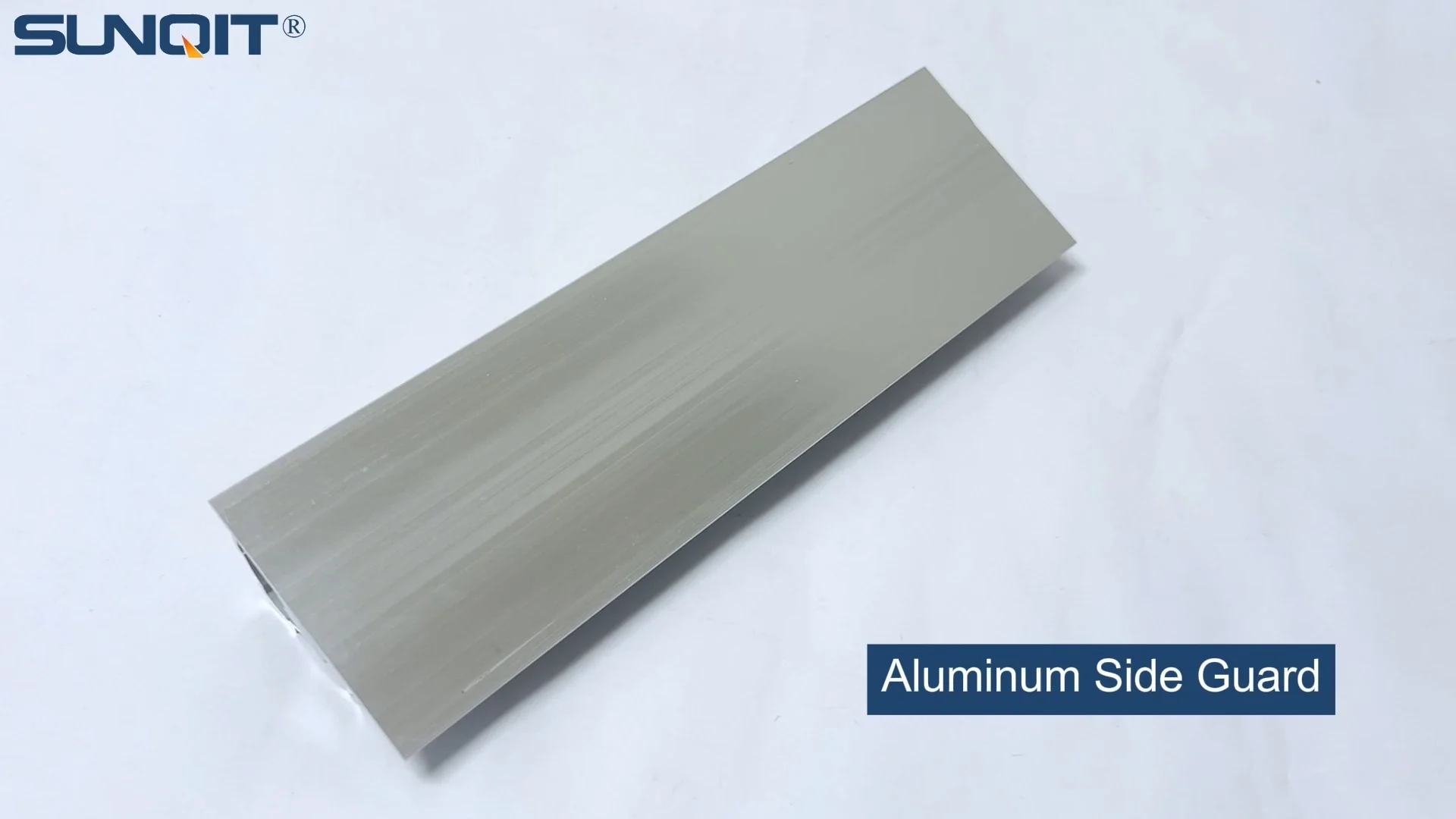
Aluminum Side Guard
Aluminum side guard, it works with a aluminum pipe or a roller track as side guard to prevent material drop,or move to wrong direction.
Walk into any food or beverage manufacturing facility, and you'll immediately sense the tension between speed and precision. Production lines hum with activity—conveyors carry ingredients, workers assemble packages, and quality control teams monitor every step. But beneath this efficiency lies a constant battle: keeping products safe from contamination and workers protected from harm. In an industry where a single bacterial breach can lead to recalls, fines, or worse, every piece of equipment matters. Today, we're shining a light on an unsung hero of the production floor: aluminum side guards. These unassuming barriers, often crafted from aluminum extrusion profile, play a quiet but critical role in upholding the highest standards of hygiene and safety. Let's explore why they've become indispensable in modern food and beverage plants.
What Are Aluminum Side Guards, and Why Do They Matter?
At first glance, aluminum side guards might seem like simple metal strips. But in reality, they're engineered protective barriers designed to line workbenches, conveyor systems, roller tracks, and other equipment. Think of them as the "guardrails" of the production floor—they keep materials, tools, and even workers in place, preventing spills, falls, and collisions. What sets them apart is their base material: most are constructed from aluminum extrusion profile, a lightweight yet durable material shaped through a process that ensures uniformity and strength.
Why does the material matter? In food and beverage manufacturing, where surfaces are constantly exposed to moisture, cleaning chemicals, and food particles, the wrong material can become a liability. Aluminum extrusion profile, however, offers a unique blend of properties that make it ideal. It's lightweight enough to integrate into existing setups without weighing down equipment, yet strong enough to withstand daily wear and tear. And because it's often paired with aluminum profile accessories—like brackets, connectors, and end caps—these guards can be customized to fit any workbench, roller track, or conveyor system, making them versatile for everything from small-scale bakeries to large beverage bottling plants.
The Hygiene Edge: Why Aluminum Stands Above Other Materials
Hygiene isn't just a priority in food manufacturing—it's the law. Regulators like the FDA (U.S.) and EFSA (EU) set strict standards for equipment surfaces, mandating that they be "non-toxic, non-absorbent, and easily cleanable." Aluminum side guards, particularly those made from high-grade aluminum extrusion profile, check all these boxes. Let's break down their hygiene advantages:
Non-Porous: No Hiding Spots for Bacteria
Unlike wood or some plastics, aluminum extrusion profile has a smooth, non-porous surface. That means there are no tiny cracks or pores where bacteria, mold, or food residue can hide. In a 2022 study by the International Journal of Food Microbiology, researchers found that porous materials like untreated wood retained 10 times more bacterial colonies than aluminum after standard cleaning. For a facility producing ready-to-eat salads or bottled juices, this is a game-changer. A quick wipe with a sanitizing solution is often enough to eliminate pathogens, reducing the risk of cross-contamination.
Corrosion Resistance: Withstands Harsh Cleaning Agents
Food and beverage plants rely on aggressive cleaning routines—think high-pressure hoses, steam cleaners, and strong disinfectants (like chlorine or peracetic acid). Many materials, such as mild steel, would rust or degrade under these conditions. Aluminum extrusion profile, however, forms a natural oxide layer that acts as a shield against corrosion. This layer regenerates if scratched, ensuring the guard remains intact even after years of daily cleaning. Plastic side guards, by contrast, can warp or crack when exposed to high temperatures or harsh chemicals, creating new risks for contamination.
Seamless Design: Minimizing Crevices with Aluminum Profile Accessories
Even the most non-porous material can become a hygiene risk if poorly installed. Gaps between the guard and the workbench or roller track, for example, can trap food particles. This is where aluminum profile accessories shine. Manufacturers design brackets, end caps, and connectors to fit perfectly with aluminum extrusion profile, creating seamless joints. A well-installed aluminum side guard sits flush against the equipment, leaving no room for debris to accumulate. Compare this to DIY solutions using plastic strips or wood, which often have uneven edges or loose fittings—prime breeding grounds for bacteria.
| Material | Hygiene Rating | Durability | Cost (per linear foot) | Best For |
|---|---|---|---|---|
| Aluminum Extrusion Profile | Excellent (non-porous, corrosion-resistant) | High (5–10+ year lifespan) | $8–$15 | High-moisture areas, strict hygiene zones |
| Stainless Steel | Excellent (similar to aluminum) | Very High (10+ year lifespan) | $15–$25 | Extreme heat/corrosion environments |
| Plastic (PVC/HDPE) | Fair (prone to scratches, warping) | Low (2–3 year lifespan) | $3–$7 | Temporary setups, low-budget operations |
*Table 1: Comparing materials for side guards in food & beverage manufacturing. Costs based on 2024 industry averages.

Safety First: How Aluminum Side Guards Protect Workers and Products
Hygiene is only half the story. Food and beverage manufacturing is also a high-risk environment for workers. According to the Bureau of Labor Statistics, the industry reports over 20,000 non-fatal injuries annually, many from slips, trips, or falling objects. Aluminum side guards mitigate these risks by acting as a physical barrier between workers and hazards. Here's how:
Preventing Spills and Falls on the Workbench
A typical workbench in a bakery might hold flour, sugar, and mixing bowls; in a brewery, it could have hops, yeast, or glass bottles. Without side guards, a misplaced elbow or a sudden jolt from a nearby machine could send these items crashing to the floor. Spilled liquids create slip hazards, while broken glass or sharp tools pose cut risks. Aluminum side guards, installed along the edges of the workbench, contain these items. Their height—often 3–6 inches—stops even taller objects from sliding off, and their smooth, rounded edges (thanks to aluminum extrusion profile design) reduce the risk of cuts if a worker bumps into them.
Guiding Products on Roller Tracks
Roller tracks are the backbone of many production lines, moving bottles, cans, or packages from one station to the next. But without proper guidance, products can veer off track, colliding with other items or jamming the system. Aluminum side guards mounted alongside roller tracks keep products aligned, ensuring a smooth flow. Unlike rigid plastic guides, which can crack under impact, aluminum extrusion profile bends slightly under pressure and returns to shape, absorbing shocks without breaking. This flexibility reduces downtime from jams and minimizes product damage—critical for fragile items like glass jars or delicate pastries.
Durability That Withstands Daily Wear
Safety equipment is only effective if it lasts. In a busy plant, side guards take a beating—they're bumped by carts, scraped by tools, and exposed to heavy loads. Aluminum extrusion profile is built to handle this. Its high strength-to-weight ratio means it won't bend or dent easily, even under repeated impacts. Compare this to wooden guards, which splinter, or plastic guards, which crack. A single damaged guard can create a safety gap, so durability directly translates to consistent protection. Many manufacturers offer warranties of 5+ years on aluminum side guards, a testament to their longevity.

Seamless Integration: Workbenches, Roller Tracks, and Beyond
One of the biggest advantages of aluminum side guards is their ability to work with existing equipment. They're not a one-size-fits-all solution—they're a flexible addition that adapts to your facility's unique layout. Let's look at two common integrations:
Workbench E: A Case Study in Customization
Take Workbench E, a popular single-deck model without casters, often used for assembly tasks. Adding aluminum side guards here isn't just about drilling holes—manufacturers design guards with pre-drilled mounting points that align with the workbench's frame. Using aluminum profile accessories like angle brackets and T-slot nuts, the guards attach securely without compromising the workbench's structural integrity. For example, a chocolate factory might install 4-inch-tall guards on their Workbench E to keep truffle molds from sliding off during filling. The guards can even be paired with rubber strips (another aluminum profile accessory) to cushion delicate items, adding an extra layer of protection.
Roller Track Systems: From Straightaways to Curves
Roller tracks rarely run in straight lines—they twist, turn, and slope to navigate the production floor. Aluminum side guards, made from flexible aluminum extrusion profile, can bend to match these curves. Specialized aluminum profile accessories, like swivel connectors, allow guards to pivot up to 90 degrees, following the track's path without creating gaps. In a soda bottling plant, for instance, curved roller tracks move bottles from the filler to the labeler. Aluminum side guards here ensure bottles stay upright through the turn, preventing spills and label smudges. The guards' low profile also means they don't interfere with sensors or cameras mounted above the track, maintaining visibility for quality control.
Real-World Impact: How Aluminum Side Guards Transform Facilities
It's one thing to talk about benefits—let's look at how aluminum side guards have made a difference in actual food and beverage plants.
A Craft Brewery's Hygiene Upgrade
A small craft brewery in Oregon was struggling with mold growth on their plastic side guards. The guards, installed on their bottling line roller tracks, had developed tiny cracks from repeated cleaning, allowing yeast and moisture to build up. After switching to aluminum side guards made from aluminum extrusion profile, they noticed an immediate change. The smooth, non-porous surface wiped clean with minimal effort, and after six months, there was no sign of mold. "We used to spend 20 minutes scrubbing each guard every night," said the plant manager. "Now it takes 5 minutes, and our QA checks show zero bacterial growth in those areas."
A Bakery's Safety Win
A commercial bakery in Ohio was dealing with frequent spills on their dough-prep workbenches. Workers would accidentally knock over buckets of flour, creating slip hazards. Installing 3-inch aluminum side guards on the workbenches reduced spills by 75%. "The guards catch the buckets before they tip," explained a shift supervisor. "We've had zero slip injuries since installing them, and cleanup time has dropped by half." The bakery also noted that the guards' aluminum extrusion profile was lightweight enough that workers could still move the workbenches (when needed) without straining.
Choosing the Right Aluminum Side Guards: What to Look For
Not all aluminum side guards are created equal. To maximize hygiene and safety, keep these factors in mind when selecting a supplier:
Material Quality: Opt for Food-Grade Aluminum Extrusion Profile
Not all aluminum is safe for food contact. Look for guards made from 6061 or 6063 aluminum alloy, which are FDA-approved for food processing. These alloys are free from harmful additives and have the right balance of strength and corrosion resistance.
Customization Options
Your facility's needs are unique. A good supplier will offer custom heights, lengths, and mounting options. Ask about aluminum profile accessories like end caps (to cover sharp edges) or rubber strips (for noise reduction) to tailor the guards to your setup.
Testing and Certifications
Ensure the guards meet industry standards, such as NSF/ANSI 3-A (for food equipment) or OSHA safety guidelines. Reputable suppliers will provide test reports proving their guards' durability and hygiene performance.
Conclusion: Aluminum Side Guards—Small Change, Big Impact
In the fast-paced world of food and beverage manufacturing, it's easy to overlook the "small" components of your production line. But aluminum side guards, crafted from durable aluminum extrusion profile and paired with versatile aluminum profile accessories, are anything but small. They're a cost-effective investment in hygiene, safety, and efficiency. By preventing contamination, reducing injuries, and integrating seamlessly with workbenches and roller tracks, they help your facility meet regulations, protect your team, and keep products flowing. So the next time you walk your production floor, take a closer look at those quiet barriers—they might just be the key to taking your operations to the next level.