- Company Articles
- Products and Technology
- Product knowledge
- Aluminum Side Guards: Key Accessories for Workbench E in 3C Assembly Lines

Aluminum Side Guards: Key Accessories for Workbench E in 3C Assembly Lines
Related Product
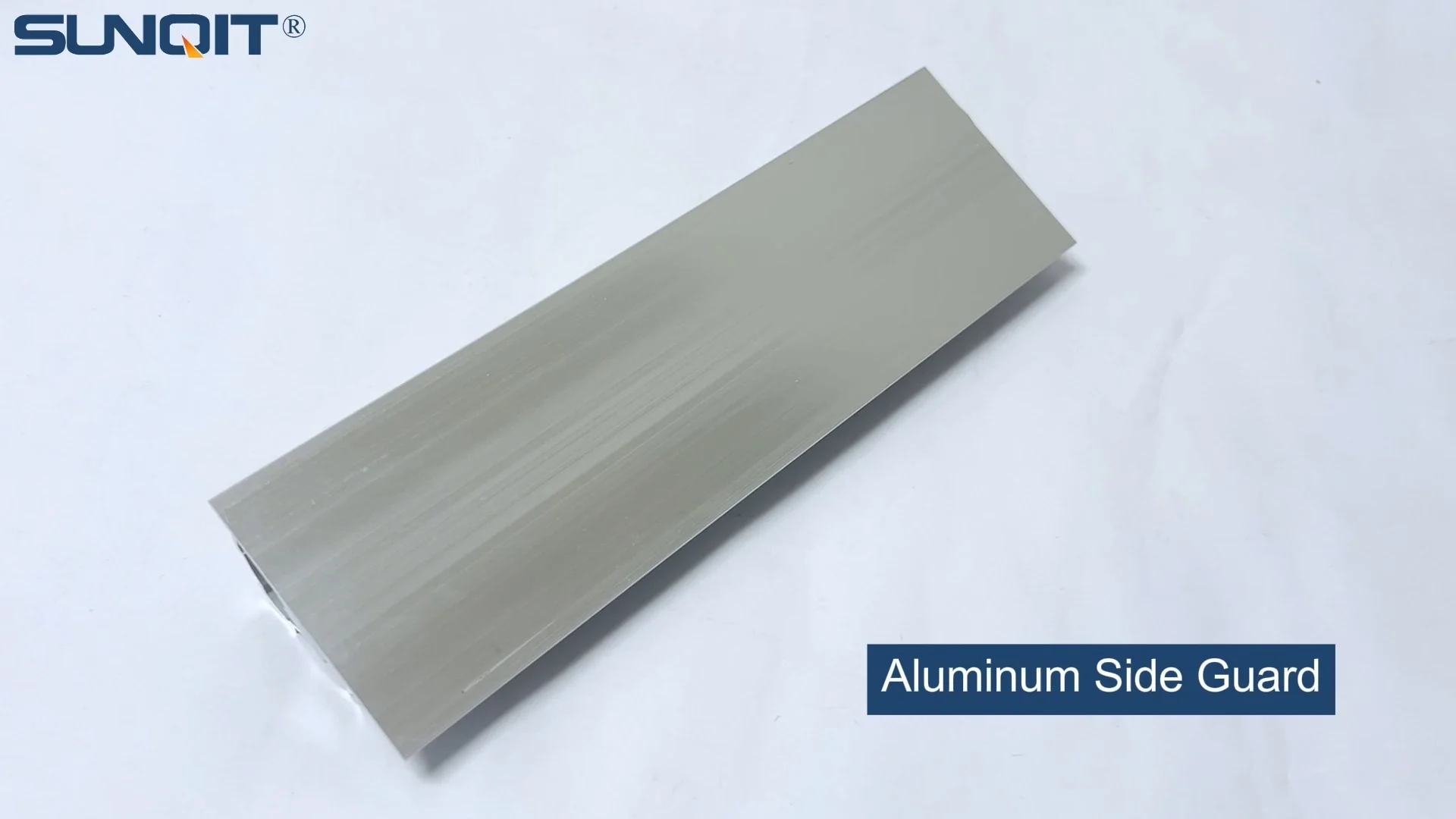
Aluminum Side Guard
Aluminum side guard, it works with a aluminum pipe or a roller track as side guard to prevent material drop,or move to wrong direction.
In the fast-paced world of 3C manufacturing—where precision, speed, and safety are non-negotiable—the tools and equipment that power assembly lines play a make-or-break role in determining productivity. Among these, the humble workbench stands as the backbone of daily operations, serving as the stage where technicians assemble smartphones, laptops, and other consumer electronics with meticulous care. But even the most well-designed workbench is only as effective as the accessories that complement it. Today, we're shining a spotlight on one such accessory that often flies under the radar but delivers outsized impact: aluminum side guards. Specifically, we'll explore how these unassuming components elevate the performance of Workbench E (single deck-without caster) in 3C assembly lines, supporting lean system goals and transforming ordinary workspaces into hubs of efficiency.
Understanding Workbench E: The Workhorse of 3C Assembly
Before diving into the role of aluminum side guards, let's first get acquainted with the star of the show: Workbench E (single deck-without caster). Designed with the unique demands of 3C assembly in mind, this workbench is a study in practicality. Its single-deck surface provides ample space for laying out components, tools, and assembly guides, while the absence of casters ensures stability—a critical feature when working with tiny, delicate parts like microchips or precision screws. Unlike bulkier workbenches with excessive storage or mobility features that go unused in static assembly lines, Workbench E prioritizes simplicity and functionality, making it a favorite among manufacturers aiming to optimize floor space and reduce unnecessary complexity.
What truly sets Workbench E apart, however, is its modularity. Built to integrate seamlessly with a range of accessories—from tool hangers to ESD mats—this workbench adapts to evolving production needs without requiring a complete overhaul. This flexibility is especially valuable in 3C manufacturing, where product lines change frequently, and assembly processes are constantly refined. But even with its inherent adaptability, Workbench E's potential remains untapped without the right accessories. Enter aluminum side guards: a small addition that unlocks significant improvements in safety, organization, and efficiency.
The Unsung Hero: What Are Aluminum Side Guards?
At first glance, aluminum side guards might seem like little more than metal rails attached to the edges of a workbench. But their purpose runs far deeper than aesthetics. These guards are engineered to address two critical challenges in 3C assembly: preventing the loss of small parts and protecting workers from sharp edges or protruding tools. Imagine a technician midway through assembling a smartphone, balancing a circuit board in one hand while reaching for a screwdriver with the other. A momentary slip, and a tiny screw could roll off the workbench, lost under a machine or swept away during cleanup. In a high-volume factory, even a single lost part translates to wasted time, increased costs, and potential delays in production. Aluminum side guards act as a first line of defense, creating a physical barrier that keeps components safely on the workbench surface.
But their utility doesn't stop there. In busy assembly lines, workbenches are often surrounded by activity: coworkers passing by, trolleys moving materials, and tools being set down in a hurry. Without proper protection, the edges of a workbench can become hazards—either by catching clothing or skin, or by damaging delicate components that might be accidentally knocked against them. Aluminum side guards, with their smooth, rounded profiles, eliminate these risks, creating a safer environment for both workers and the products they build. They also serve as a visual boundary, helping to organize the workspace by defining "in-bounds" areas for active assembly and "out-of-bounds" zones for completed parts or waste, reducing confusion and streamlining workflow.

Why Aluminum? The Material Advantage in 3C Manufacturing
When it comes to side guards, manufacturers have options: steel, plastic, and aluminum are the most common. But in 3C assembly lines, aluminum stands head and shoulders above the rest—and for good reason. Let's break down the material's key advantages:
Lightweight Yet Strong
Aluminum is renowned for its impressive strength-to-weight ratio. Unlike steel, which adds unnecessary bulk and makes installation cumbersome, aluminum side guards are lightweight enough to be mounted by a single worker but strong enough to withstand daily impacts from tools, parts, and accidental bumps. This balance is crucial in 3C factories, where efficiency extends to every task—including setting up or reconfiguring workbenches.
Corrosion Resistance
3C assembly lines often use cleaning agents, coolants, or ESD-safe solutions to maintain hygiene and prevent static damage. Over time, these substances can corrode metal surfaces, leading to rust, pitting, or degradation. Aluminum, however, forms a natural oxide layer that resists corrosion, ensuring side guards remain functional and visually intact for years. This durability reduces the need for frequent replacements, lowering long-term maintenance costs.
ESD Compatibility
Electrostatic discharge (ESD) is a silent killer in electronics manufacturing, capable of frying sensitive components without any visible damage. For this reason, ESD-safe workbenches and accessories are non-negotiable. Aluminum, when treated with specialized coatings, can be made conductive, dissipating static charges safely away from components. Unlike plastic, which can generate static buildup, or untreated steel, which may not provide consistent ESD protection, aluminum side guards offer a reliable solution for maintaining a static-free workspace.
Sustainability
In an era where environmental responsibility is increasingly central to manufacturing practices, aluminum's recyclability is a significant plus. Unlike plastic guards, which often end up in landfills, or steel guards that require energy-intensive recycling processes, aluminum can be recycled repeatedly with minimal loss of quality. For 3C manufacturers aiming to reduce their carbon footprint, this makes aluminum side guards an eco-friendly choice.

Integration with Aluminum Pipe Accessories: A Modular Dream
One of the greatest strengths of aluminum side guards lies in their compatibility with aluminum pipe accessories—a feature that aligns perfectly with the modular design of Workbench E. Aluminum pipe accessories, which include clamps, joints, brackets, and connectors, are the building blocks of customizable workspaces. They allow manufacturers to attach, adjust, or reconfigure components with minimal effort, avoiding the need for welding, drilling, or permanent modifications. When paired with aluminum side guards, these accessories unlock endless possibilities for workspace optimization.
For example, using a simple aluminum pipe clamp, a side guard can be equipped with a tool holder, keeping frequently used screwdrivers or tweezers within arm's reach. A joint connector might allow the guard to be extended vertically, creating a partition between workstations to reduce distractions. Even something as basic as a bracket can transform a side guard into a shelf for holding instruction manuals or quality checklists. The beauty of this system is its flexibility: if a production line switches from assembling smartwatches to tablets, the side guards can be reconfigured in minutes, using the same aluminum pipe accessories, to accommodate larger components or new tools. This adaptability is a cornerstone of lean system thinking, where waste is minimized by maximizing the utility of existing resources.
Aluminum Side Guards and Lean System Optimization: A Perfect Partnership
At its core, a lean system is about eliminating waste—whether it's time, materials, or effort—and creating value for customers. Aluminum side guards may seem like a small detail, but they contribute to lean goals in surprisingly meaningful ways. Let's explore how:
Reducing Material Waste
In 3C manufacturing, even the smallest parts carry significant cost. A single microchip or precision screw can cost several dollars, and losing just a few per day across hundreds of workbenches adds up quickly. Aluminum side guards prevent these losses by keeping parts contained, directly reducing material waste. Over time, this translates to lower procurement costs and fewer disruptions caused by missing components.
Enhancing 5S Implementation
The 5S methodology—Sort, Set in Order, Shine, Standardize, Sustain—is a cornerstone of lean systems, focusing on workplace organization and discipline. Aluminum side guards support 5S by helping to "Set in Order" the workspace. By defining clear boundaries for tools and components, they reduce clutter and make it easier for workers to find what they need when they need it. A standardized layout, reinforced by side guards, also makes it simpler to "Sustain" organization, as deviations from the norm (like a tool left outside the guard) are immediately visible and corrected.
Improving Flow and Productivity
Lean systems thrive on smooth, uninterrupted workflow. When a technician has to stop assembly to search for a lost part or retrieve a tool that fell off the bench, flow is disrupted, and productivity suffers. Aluminum side guards minimize these interruptions by keeping the workspace organized and components secure. The result? Technicians can focus on assembly, not on cleanup or recovery, leading to faster cycle times and higher output.
Case Study: XYZ Electronics Boosts Efficiency with Aluminum Side Guards
To put these benefits into perspective, consider XYZ Electronics, a mid-sized manufacturer of wireless earbuds. Prior to installing aluminum side guards on their Workbench E stations, the company struggled with frequent part loss—particularly small screws and connectors—which led to an average of 15 minutes of lost productivity per technician per day. After retrofitting 50 workbenches with aluminum side guards (paired with aluminum pipe accessories like tool hooks and component bins), XYZ saw an immediate improvement: part loss dropped by 82%, and assembly time per unit decreased by 7%. Over six months, the investment in side guards yielded a return of over 300% through reduced material costs and increased output.
Comparative Analysis: Aluminum vs. Other Side Guard Materials
To fully appreciate aluminum's advantages, let's compare it to two other common side guard materials: steel and plastic. The table below breaks down key factors like weight, durability, and cost, highlighting why aluminum is the superior choice for Workbench E in 3C assembly lines.
| Material | Weight (per meter) | Durability (Expected Lifespan) | Corrosion Resistance | ESD Compatibility | Installation Ease | Cost (Relative) |
|---|---|---|---|---|---|---|
| Aluminum | 1.2–1.5 kg | 7–10 years | High (natural oxide layer) | Yes (with conductive coating) | Easy (lightweight, compatible with aluminum pipe accessories) | Moderate |
| Steel | 3.5–4.0 kg | 10–15 years | Low (prone to rust without coating) | Yes (with specialized treatment) | Difficult (heavy, requires tools for mounting) | High (material + coating costs) |
| Plastic | 0.8–1.0 kg | 2–3 years | High (resistant to chemicals) | No (prone to static buildup) | Very Easy (lightweight, snap-on design) | Low (initial cost; high replacement cost) |
As the table shows, aluminum strikes the perfect balance between performance and practicality. While steel may offer a longer lifespan, its weight and installation complexity make it less ideal for dynamic 3C environments. Plastic, on the other hand, is cheap upfront but fails to deliver on durability or ESD safety, leading to frequent replacements. Aluminum, with its moderate cost, easy installation, and long-term reliability, emerges as the clear choice for manufacturers prioritizing efficiency and sustainability.
Installation and Maintenance: Making the Most of Aluminum Side Guards
One of the reasons aluminum side guards are so popular in 3C factories is their ease of installation and low maintenance requirements. Unlike steel guards, which often require welding or heavy-duty fasteners, aluminum side guards can be mounted using simple aluminum pipe accessories like clamps, brackets, or internal rotatary aluminum joints. Here's a step-by-step guide to installing them on Workbench E:
Installation Steps
- Measure and Mark: Determine the desired height and length of the side guards (typically 5–10 cm high, spanning the full length of the workbench edges). Mark the mounting points on the Workbench E frame.
- Attach Brackets: Use aluminum pipe clamps or flat aluminum profile mounts to secure brackets to the workbench frame. Ensure brackets are evenly spaced for stability.
- Mount the Guards: Slide the aluminum side guard rails into the brackets, using screws or locking pins to secure them in place. For added flexibility, use adjustable joints to angle the guards slightly upward, preventing parts from rolling under them.
- Add Accessories: Use aluminum pipe accessories like tool hooks, component bins, or label holders to customize the guards for specific assembly tasks.
- Test Stability: Gently shake the guards to ensure they're secure. Tighten any loose fasteners before putting the workbench back into service.
Maintenance is equally straightforward. Aluminum side guards require little more than occasional cleaning with a damp cloth to remove dust, oil, or debris. Inspect the brackets and joints monthly to ensure they're tight, and replace any worn accessories (like clamps or hooks) as needed. Thanks to aluminum's corrosion resistance, there's no need for painting or rust treatment, saving even more time and resources.
Future Trends: Innovations in Aluminum Side Guards
As 3C manufacturing continues to evolve, so too do the accessories that support it. Aluminum side guards are no exception, with manufacturers exploring new designs and features to meet emerging needs. One trend gaining traction is the integration of smart sensors into side guards, which can detect when parts fall off the workbench and alert technicians in real time—further reducing waste and improving response times. Another innovation is the use of recycled aluminum profiles, which reduce environmental impact without sacrificing performance. Additionally, modular side guard systems with quick-release joints are becoming more popular, allowing for even faster reconfiguration as production lines change.
Perhaps most exciting is the convergence of aluminum side guards with Industry 4.0 technologies. Imagine a workbench where side guards not only contain parts but also wirelessly transmit data about workspace usage—how often tools are accessed, how many parts are placed in bins, or how long a station remains idle. This data could then be used to optimize workflows, allocate resources more efficiently, and predict maintenance needs before they become issues. While still in the early stages, these advancements hint at a future where aluminum side guards are no longer just passive barriers but active contributors to smart factory ecosystems.
Conclusion: Aluminum Side Guards—Small Accessory, Big Impact
In the high-stakes world of 3C assembly, success lies in the details. Aluminum side guards may not grab headlines like cutting-edge robots or AI-powered quality control systems, but their contribution to efficiency, safety, and lean system optimization is undeniable. By keeping parts secure, protecting workers, and integrating seamlessly with Workbench E and aluminum pipe accessories, these unassuming rails transform ordinary workspaces into engines of productivity.
For manufacturers looking to gain a competitive edge, investing in aluminum side guards is a smart, cost-effective choice. They're easy to install, durable, and adaptable—qualities that align perfectly with the demands of modern 3C production. As XYZ Electronics discovered, the return on investment is clear: reduced waste, improved efficiency, and a safer, more organized workplace. In the end, aluminum side guards prove that sometimes, the smallest accessories are the ones that make the biggest difference.
So, the next time you walk through a 3C assembly line, take a closer look at the workbenches. Chances are, the ones with aluminum side guards are the ones leading the pack in productivity—and for good reason. After all, in manufacturing, as in life, it's the little things that count.