- Company Articles
- Products and Technology
- Product knowledge
- Aluminum Vertical Lean Pipe Joints: Lightweight Design for Portable Workstations

Aluminum Vertical Lean Pipe Joints: Lightweight Design for Portable Workstations
Related Product
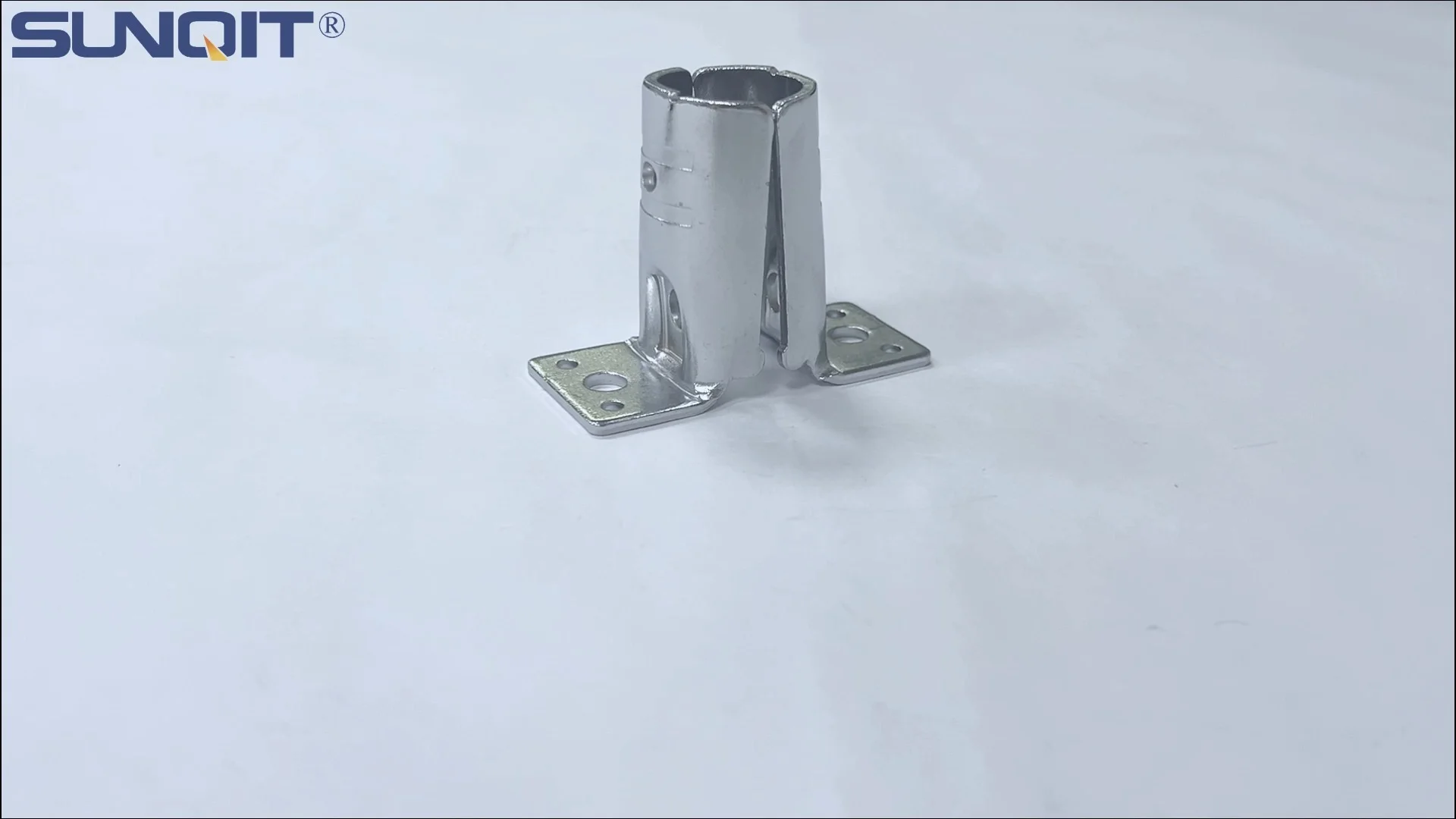
Vertical Lean Pipe Joint
Vertical lean pipe joint is used for 28mm lean pipe fixed on ground and keep it stable.
In the fast-paced world of manufacturing and workshop management, every second counts. Imagine a workspace where heavy, immovable workbenches slow down your team, where reconfiguring a production line takes hours of backbreaking labor, and where the weight of traditional steel structures limits your ability to adapt to new projects. Sound familiar? For years, many businesses have grappled with these challenges, stuck in a cycle of inefficiency caused by rigid, outdated equipment. But what if there was a solution that combined strength, flexibility, and lightness—one that transforms how you build, move, and use your workstations? Enter aluminum vertical lean pipe joints: the unsung heroes of modern, portable workspaces.
These unassuming components are more than just connectors; they're the building blocks of a leaner, more agile workflow. Designed to work seamlessly with aluminum lean pipe and a range of aluminum profile accessories, they turn static workbenches into dynamic tools that grow with your business. Whether you're assembling electronics on a factory floor, organizing a warehouse, or setting up a temporary workstation for a special project, aluminum vertical lean pipe joints offer a level of versatility that traditional steel systems simply can't match. Let's dive into why they're becoming a staple in forward-thinking workplaces, how they work, and how they can revolutionize the way you approach productivity.
What Are Aluminum Vertical Lean Pipe Joints, Anyway?
At first glance, you might mistake them for just another metal part in a hardware catalog. But aluminum vertical lean pipe joints are engineered with a specific purpose: to connect aluminum lean pipes (those lightweight, durable tubes) at vertical angles, creating sturdy yet flexible structures. Unlike their steel counterparts, which often require welding or heavy tools to assemble, these joints are designed for quick, tool-free setup. Think of them as the "Lego bricks" of the industrial world—snap them into place, tighten a few screws, and you've got a stable frame that can support everything from workbenches to material racks.
What sets them apart is their material: aluminum. Not only does this make them significantly lighter than steel joints (we're talking up to 40% less weight), but it also resists corrosion, making them ideal for humid or messy environments. And because aluminum is naturally malleable, manufacturers can craft joints with intricate designs—like internal rotary mechanisms or precision-engineered grooves—that allow for 360-degree rotation or micro-adjustments. This means you're not just building a workstation; you're building a system that can pivot, tilt, and reconfigure in minutes, not days.
But don't let their lightness fool you. Aluminum vertical lean pipe joints are surprisingly strong. Thanks to advanced alloy blends and reinforced stress points, they can support hundreds of pounds of equipment, tools, and materials. I once visited a small electronics manufacturer in Ohio that used these joints to build a mobile testing station. The entire setup—complete with a workbench, shelving, and a mini conveyor—weighed less than 150 pounds, yet it safely held multiple circuit boards, a soldering iron, and a laptop. When the team needed to shift production to a different area of the factory, two workers simply lifted it and moved it—no forklift required. That's the power of lightweight design.
The Benefits: Why Lightweight Matters More Than You Think
It's easy to overlook the impact of weight in the workplace. After all, "sturdy" has long been equated with "reliable." But heavy workstations come with hidden costs: strained backs from moving equipment, lost time during reconfigurations, and limited space for adaptability. Aluminum vertical lean pipe joints flip that script by prioritizing lightness without sacrificing strength. Let's break down the key advantages:
| Feature | Traditional Steel Systems | Aluminum Lean Pipe Systems with Vertical Joints |
|---|---|---|
| Weight (per 6ft structure) | 80-100 lbs | 30-45 lbs |
| Assembly Time | 2-3 hours (requires welding/tools) | 30-45 minutes (tool-free or basic tools) |
| Reconfiguration Ease | Difficult (often permanent) | Simple (disassemble and rebuild in minutes) |
| Portability | Requires forklift or multiple people | Movable by 1-2 people (with caster wheels) |
| Corrosion Resistance | Low (prone to rust without coating) | High (aluminum naturally resists corrosion) |
Take portability, for example. When you pair aluminum vertical lean pipe joints with caster wheels (another must-have accessory in the aluminum profile lineup), you transform a fixed workbench into a mobile workstation that can glide across the floor with minimal effort. A friend of mine who runs a small woodworking shop told me how this changed everything for his team. "Before, we had three heavy steel workbenches bolted to the floor," he said. "If a client wanted a custom piece that required a different setup, we'd spend half a day moving tools around. Now, with our aluminum lean pipe workbench on casters, we just wheel it to the corner, swap out the accessories, and we're ready to go. It's like having a workspace that can read our minds."
Then there's the cost factor. While aluminum systems might have a slightly higher upfront price tag than basic steel, the long-term savings are undeniable. Reduced labor costs from faster assembly, lower shipping fees (thanks to lighter weight), and fewer replacement parts (since aluminum resists wear and tear) add up quickly. Plus, because these systems are modular, you can expand or modify them as your business grows—no need to buy entirely new workstations every time you take on a bigger project.

The Perfect Team: Aluminum Lean Pipe, Joints, and Accessories
Aluminum vertical lean pipe joints don't work alone. They're part of a ecosystem of components designed to work in harmony, turning simple pipes into complex, functional structures. Let's meet the key players:
Aluminum Lean Pipe: The Backbone
These are the tubes that form the frame of your workstation. Made from high-grade aluminum, they're lightweight yet rigid, with a smooth surface that resists scratches and dents. Available in various diameters (from 20mm to 40mm), they're compatible with a wide range of joints and accessories. What I love most about them is their consistency—each pipe is precision-cut to length, so you never have to worry about mismatched pieces.
Aluminum Profile Accessories: The Finishing Touches
From shelf brackets to tool holders, aluminum profile accessories add the "extras" that make your workstation truly yours. Need to attach a power strip? There's a clip for that. Want to add a bin for small parts? Just snap on a plastic holder. These accessories are designed to slide into the T-slots of the aluminum pipes, so you can position them exactly where you need them—no drilling or cutting required. A production manager at a automotive plant I visited described it as "customization without the hassle. We can add or remove accessories in seconds, so every workstation fits the task at hand."
Caster Wheels: The Mobility Experts
As we mentioned earlier, caster wheels are the secret to turning static structures into mobile ones. Look for heavy-duty, lockable casters with rubber wheels—they'll glide smoothly over concrete floors and stay put when you need them to. Pro tip: Opt for swivel casters with brakes; they give you maximum maneuverability while ensuring safety during use.
Aluminum Vertical Lean Pipe Joints: The Connectors
Of course, we can't forget the stars of the show. These joints come in various angles (90°, 45°, 135°) and styles, including fixed, swivel, and internal rotary designs. The internal rotary joints are a game-changer—they allow pipes to rotate 180°, so you can adjust the height or angle of a shelf without disassembling the entire structure. I once watched a team use these joints to create a tilting workbench for inspecting circuit boards; by rotating the top surface, they could reduce eye strain and work more comfortably for longer hours. It's the little details like that which make a big difference in daily productivity.

Building Your Own Portable Workstation: A Step-by-Step Guide
Ready to roll up your sleeves and create a workstation with aluminum vertical lean pipe joints? Don't worry—it's easier than you think. Here's a simple guide to get you started:
Step 1: Gather Your Materials
You'll need: aluminum lean pipes (cut to your desired length), aluminum vertical lean pipe joints (we recommend 4-6 for a basic workbench), caster wheels (4, with brakes), aluminum profile accessories (shelves, brackets, etc.), a rubber mallet, and a hex key (most joints use standard hex screws).
Step 2: Build the Frame
Start by connecting four aluminum lean pipes with 90° vertical joints to form a rectangle (this will be the base of your workbench). Tighten the screws with the hex key—you want them snug, but not so tight that you strip the threads. Next, attach four vertical pipes to the corners of the rectangle, using more 90° joints. These will be the legs of your workstation. Pro tip: Use a level to ensure the frame is straight; a wobbly base will cause headaches later!
Step 3: Add the Caster Wheels
Flip the frame upside down and attach the caster wheels to the bottom of the vertical legs. Make sure the brakes are engaged before you flip it back—safety first! Once the wheels are on, test the mobility by gently pushing the frame across the floor. It should roll smoothly without wobbling.
Step 4: Install the Work Surface
Now it's time to add the top shelf. Cut an aluminum honeycomb panel (lightweight and strong!) to fit the top of the frame, then secure it using shelf brackets (part of the aluminum profile accessories). If you want a second shelf, repeat the process at your desired height—just add two more horizontal pipes between the vertical legs and attach the brackets.
Step 5: Customize with Accessories
This is where the fun begins! Add tool hooks, bin holders, or a paper towel dispenser using the T-slots on the aluminum pipes. Need a place to store small parts? Attach a material rack (like the 3-row, 3-floor "Material Rack B" from many lean system suppliers) to one side. The best part? You can rearrange these accessories anytime—no tools required.
My first attempt at building one of these workstations took about an hour, and that was with zero prior experience. By the second one, I had it down to 30 minutes. The key is to take your time with the frame—once that's solid, the rest is just adding the bells and whistles.

Real-World Results: How One Factory Boosted Efficiency by 35%
Let's talk about a success story that hits close to home. A mid-sized electronics manufacturer in Texas was struggling with bottlenecks in their assembly line. Their old setup relied on fixed steel workbenches, and with product demand fluctuating, they could never seem to balance their workflow. During peak seasons, workers were tripping over each other trying to access tools; during slow periods, half the workstations sat empty, wasting valuable floor space.
Their solution? A complete overhaul using aluminum vertical lean pipe joints, aluminum lean pipe, and a suite of accessories. They replaced 12 steel workbenches with 8 modular aluminum ones on casters, each equipped with adjustable shelves and tool holders. The results were staggering:
- Assembly time for new products dropped by 35% (no more waiting for workbench reconfigurations).
- Worker fatigue decreased—surveys showed a 20% reduction in back pain complaints, thanks to lighter, more ergonomic workstations.
- Floor space utilization improved by 40%—they could now stack unused workstations in a corner when not needed.
The plant manager, Maria, summed it up best: "We used to think of workstations as permanent fixtures, like walls. Now, we see them as tools that can adapt to us. When we launched our new smartphone charger line, we reconfigured three workstations in under an hour. That would have taken a full day with the old steel benches. It's not just about speed—it's about giving our team the flexibility to do their best work."
Finding the Right Lean System Supplier: What to Look For
Now that you're sold on aluminum vertical lean pipe joints, the next step is finding a reliable lean system supplier. Not all suppliers are created equal, and choosing the wrong one can lead to frustrating delays, poor-quality parts, and missed deadlines. Here's what to keep in mind:
Quality First
Ask about the grade of aluminum they use. Look for suppliers who use 6063-T5 aluminum (the industry standard for structural applications) and who test their joints for strength and durability. A good supplier will be happy to share material certifications or test reports—if they hesitate, that's a red flag.
Range of Products
You want a supplier who offers the full ecosystem: aluminum lean pipe, joints, caster wheels, aluminum profile accessories, and more. Buying from a single source simplifies ordering, ensures compatibility, and often leads to better pricing on bulk orders.
Customer Service
Assembly questions? Need help designing a custom workstation? A great supplier will have a knowledgeable team ready to assist. Look for companies with phone or chat support, and check online reviews for mentions of responsive service. I once ordered a batch of joints that arrived with a few missing screws; the supplier overnighted the replacements at no cost and even included a handwritten apology note. That's the kind of service that builds trust.
Lead Times
In manufacturing, time is money. Ask about lead times for standard and custom parts. The best suppliers keep popular items in stock and can ship within 24-48 hours. Avoid suppliers who take weeks to fulfill basic orders—you don't want to stall your project waiting for parts.
Keeping Your System Strong: Maintenance Tips
Aluminum vertical lean pipe systems are low-maintenance, but a little care goes a long way in extending their lifespan. Here are some simple tips:
Clean Regularly
Wipe down the pipes and joints with a damp cloth to remove dust and debris. For greasy or oily environments (like automotive shops), use a mild detergent—avoid harsh chemicals that can damage the aluminum finish.
Check Joints Monthly
Over time, screws can loosen with vibration. Do a quick once-over with a hex key to tighten any wobbly joints. This prevents instability and ensures your workstation stays safe to use.
replace Worn Caster Wheels
Caster wheels take a lot of abuse. If you notice squeaking, uneven rolling, or worn treads, replace them immediately. Most suppliers sell replacement wheels individually, so you don't have to buy a whole new set.
Store Properly
If you're not using a workstation for a while, disassemble it (if possible) and store the pipes and joints in a dry, covered area. This prevents dust buildup and protects against accidental damage.
The Future of Workspaces: Where Aluminum Lean Pipes Are Headed
As manufacturing and warehousing continue to evolve, so too will the tools we use. Aluminum vertical lean pipe joints are at the forefront of this evolution, with exciting trends on the horizon:
Sustainability
Aluminum is 100% recyclable, making it a eco-friendly choice for businesses looking to reduce their carbon footprint. Expect to see more suppliers offering "green" options, like recycled aluminum pipes or biodegradable packaging.
Smart Integration
Imagine a workstation with built-in sensors that track tool usage or monitor weight distribution. Some lean system suppliers are already experimenting with IoT-enabled accessories, like smart caster wheels that alert you when they need maintenance or shelves that automatically adjust height based on the user's preferences.
Customization on Demand
3D printing is opening up new possibilities for custom joints and accessories. Need a unique bracket for a specialized tool? Soon, you'll be able to upload a design to your supplier and have it printed in aluminum in days, not weeks.
Ready to Lighten Up Your Workspace?
Aluminum vertical lean pipe joints aren't just a trend—they're a paradigm shift in how we think about workspaces. They represent a move away from rigidity and toward flexibility, from heavy labor to smart design, from static workbenches to dynamic tools that adapt to human needs. Whether you're a small workshop owner or a large-scale manufacturer, they offer a path to greater efficiency, happier workers, and a workspace that can keep up with the demands of modern business.
So, what are you waiting for? Grab a few aluminum lean pipes, some vertical joints, and a set of caster wheels, and start building. Your future self (and your team) will thank you.