- Company Articles
- Products and Technology
- Product knowledge
- Aluminum Vertical Lean Pipe Joints vs. Steel: Key Advantages for Lean Manufacturing

Aluminum Vertical Lean Pipe Joints vs. Steel: Key Advantages for Lean Manufacturing
Related Product
Vertical Lean Pipe Joint
Vertical lean pipe joint is used for 28mm lean pipe fixed on ground and keep it stable.
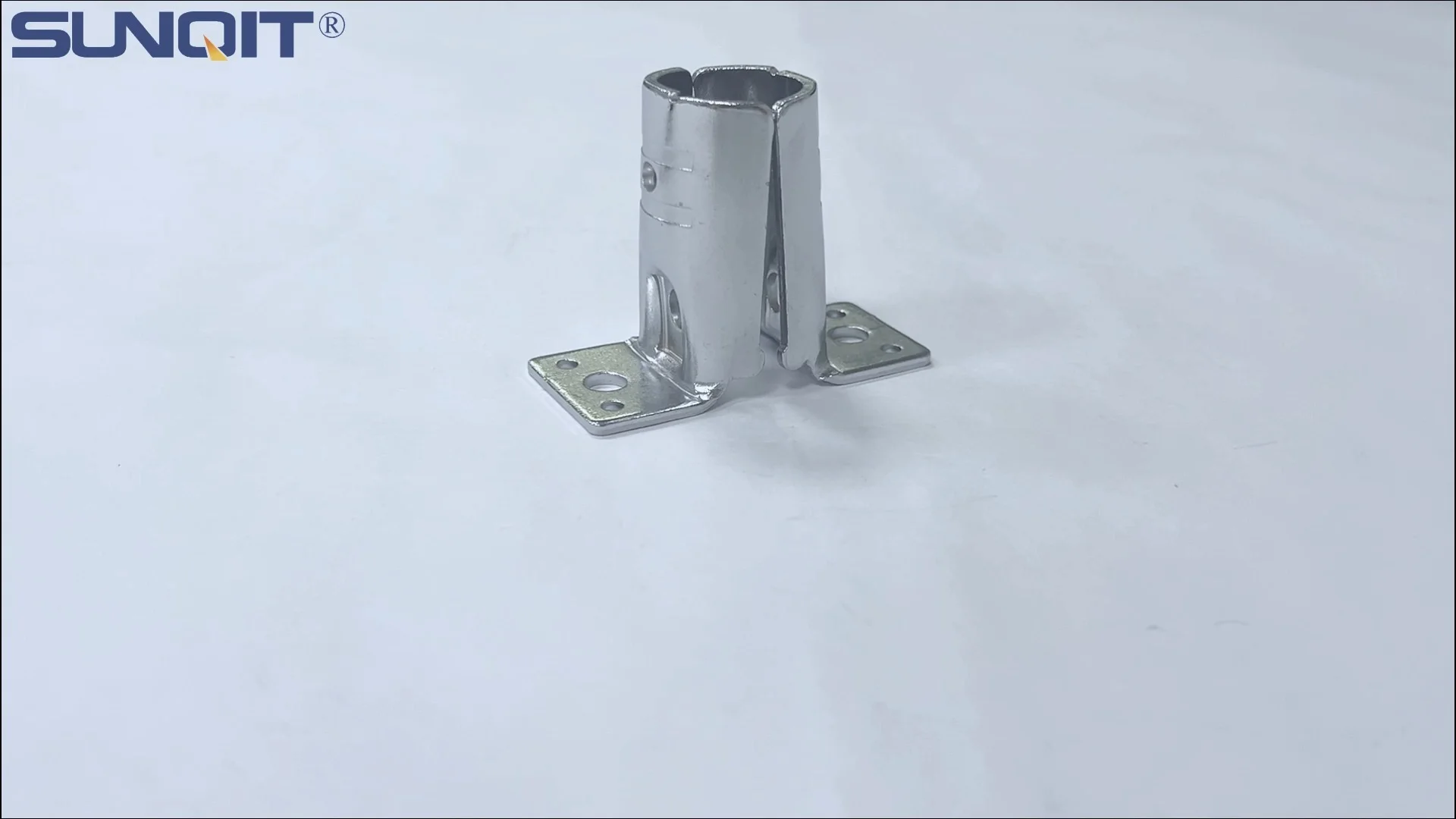
The factory floor hums with purpose: conveyor belts glide, tools clink, and teams move in synchronized rhythm to keep production flowing. In the heart of this organized chaos lies a silent hero of lean manufacturing: the vertical lean pipe joint. These unassuming connectors—small, unglamorous, yet critical—hold together the workbenches, flow racks, and material handling systems that turn raw materials into finished products. But here's the question that keeps plant managers up at night: aluminum or steel? Which material for vertical lean pipe joints will truly align with lean principles, boost efficiency, and stand the test of time? Let's dive in.
Understanding Vertical Lean Pipe Joints: The Backbone of Lean Systems
Before we compare materials, let's ground ourselves in what vertical lean pipe joints actually do. Think of them as the "building blocks" of your production line. They connect pipes (aluminum, steel, or other materials) at vertical angles, creating sturdy structures like workbenches, flow racks, and roller track systems. Whether you're assembling a lightweight ESD workstation for electronics or a heavy-duty material rack for automotive parts, these joints determine how well your setup handles daily wear, adapts to changes, and supports your team's workflow.
In lean manufacturing, every component must justify its existence by eliminating waste—be it time, effort, or resources. Vertical joints are no exception. A poorly chosen joint can slow down installation, corrode in humid environments, or make reconfiguration a nightmare. That's why choosing between aluminum and steel isn't just a material decision; it's a lean strategy.
Material Showdown: Aluminum vs. Steel
Let's start with the basics: what makes aluminum and steel different, and how do those differences play out on the factory floor?
| Feature | Aluminum Vertical Lean Pipe Joints | Steel Vertical Lean Pipe Joints |
|---|---|---|
| Weight | ~60% lighter than steel (e.g., a 4-inch aluminum joint weighs ~0.5 lbs vs. steel's ~1.2 lbs) | Heavier; requires more effort to handle and install |
| Corrosion Resistance | Natural oxide layer + anodization = resistant to rust, even in humid or washdown environments | Prone to rust without coatings (e.g., galvanization), which can chip over time |
| Strength-to-Weight Ratio | High: Strong enough for most manufacturing loads (e.g., supporting 200+ lbs per joint) while staying light | Strong, but excess weight adds unnecessary load to structures |
| Installation Ease | Lightweight design allows single-person installation; no need for heavy tools | Often requires two people or specialized lifting equipment |

Aluminum vs. Steel: The Lean Manufacturing Impact
Numbers tell part of the story, but let's walk through real-world scenarios where aluminum outshines steel in lean environments.
1. Lightweight = Faster, Safer Installation (Less Labor Waste)
Imagine a team tasked with assembling a new flow rack for incoming parts. With steel vertical joints, each connector weighs over a pound, and the pipes themselves add even more heft. Two workers strain to lift and align each joint, fumbling with wrenches as the clock ticks. An hour later, they've barely finished half the structure. Now swap those steel joints for aluminum: suddenly, one worker can carry 5-6 joints at a time, and alignment is a breeze—no straining, no second person needed. What took steel two hours now takes 45 minutes. That's 75 minutes of labor saved—time that can be redirected to other tasks, like optimizing the next workstation.
Lean manufacturing thrives on minimizing non-value-added work, and heavy steel joints create exactly that: wasted effort in lifting, adjusting, and installing. Aluminum's lightweight nature turns installation from a chore into a quick, one-person job, slashing labor costs and keeping projects on schedule.
2. Corrosion Resistance: Less Maintenance, More Uptime
Let's shift to a food processing plant, where daily washdowns with water and sanitizers are non-negotiable. Steel vertical joints here are a ticking time bomb. Even galvanized steel, which resists rust initially, will eventually chip—exposing bare metal to moisture. Within months, you'll spot orange streaks spreading across your flow rack, weakening joints and risking contamination. Now picture aluminum joints: their natural oxide layer acts as a built-in shield, and anodized finishes (common in industrial aluminum) make them virtually impervious to water, chemicals, and humidity. No rust, no repainting, no unexpected failures. Your team spends less time scrubbing corrosion and more time focused on production.
The same logic applies to electronics factories with ESD workstations. Steel joints, if corroded, can disrupt electrical grounding—a critical safety risk for sensitive components. Aluminum? It stays clean, conductive, and reliable, ensuring your ESD setup meets industry standards without constant maintenance checks.
3. Flexibility: Adapt Fast, Eliminate Downtime
Lean manufacturing isn't static. A production line that works today might need to shrink, expand, or reconfigure tomorrow—say, when a new product launches or demand spikes. This is where aluminum vertical joints truly shine, thanks to their compatibility with aluminum profiles and T-slot designs.
Aluminum profiles (think of them as pipes with built-in grooves) pair seamlessly with vertical joints, allowing you to add or remove components in minutes. Need to attach a caster wheel to make a workbench mobile? Slide a bracket into the T-slot, tighten a bolt, and you're done. Want to adjust the height of a roller track to align with a new conveyor? Loosen the joint, reposition, and retighten—no welding, no cutting, no waiting for a maintenance crew. Steel, by contrast, often requires welding or heavy bolts that make reconfiguration a days-long project. When your competitor can retool their line in 2 hours and you're stuck for a week, aluminum becomes the difference between seizing an opportunity and falling behind.
4. Durability: Strong Enough, Without the Overkill
Steel has a reputation for "toughness," but here's the truth: most manufacturing environments don't need "tank-level" strength. Aluminum vertical joints, when engineered correctly, offer more than enough durability for 90% of applications. Take a typical assembly workbench: it holds tools, parts bins, and a laptop—maybe 150 lbs total. An aluminum joint rated for 300 lbs is more than sufficient, with room to spare. Steel joints here would be overkill, adding unnecessary weight and cost without any real benefit.
What about heavier loads, like a material rack holding 500-lb pallets? Modern aluminum alloys (like 6061-T6) have a strength-to-weight ratio that rivals steel, meaning you get the same load capacity with less bulk. A steel joint for this rack might weigh 2 lbs; aluminum, just 0.8 lbs. Multiply that by 20 joints per rack, and you've shaved 24 lbs off the structure—easing strain on floors, reducing shipping costs, and making future relocations simpler.
5. Sustainability: Align with Green Lean Goals
Lean manufacturing and sustainability go hand in hand—both focus on reducing waste, after all. Aluminum vertical joints check the sustainability box in two big ways: recyclability and energy efficiency. Aluminum is 100% recyclable, and recycling it uses just 5% of the energy needed to produce new aluminum. Steel is recyclable too, but aluminum's lower melting point and higher scrap value make it easier to reclaim and reuse. When your plant upgrades its production line, those old aluminum joints won't end up in a landfill—they'll be melted down and turned into new components, closing the loop on waste.
Beyond recycling, aluminum's lightweight nature cuts down on transportation emissions. Shipping a pallet of steel joints requires more fuel than aluminum, and every mile saved adds up. For global lean system suppliers, this means lower carbon footprints and happier customers who prioritize eco-friendly practices.

The Cost Myth: Why Aluminum Pays Off Long-Term
Let's address the elephant in the room: upfront cost. Yes, aluminum vertical joints often cost more per unit than steel. A steel joint might run $5, while aluminum is $8. At first glance, steel seems cheaper—but lean manufacturing demands we look at the "total cost of ownership," not just the sticker price.
Consider a 5-year lifespan for your joints: steel requires periodic repainting ($200/year), rust repairs ($150/year), and replacement of corroded parts ($300/year). Aluminum? Maybe $50/year for occasional cleaning. Add in labor savings from faster installation (say, 10 hours/year at $30/hour = $300 saved) and lower shipping costs ($100/year). Over 5 years, steel costs $3,250, while aluminum costs $1,750—even with the higher upfront price. Aluminum isn't just an expense; it's an investment that pays dividends in lower maintenance, faster workflows, and fewer headaches.

Choosing the Right Partner: Why a Lean System Supplier Matters
Of course, not all aluminum vertical joints are created equal. To maximize these advantages, you need a lean system supplier who understands your unique needs—whether you're building ESD workstations for microchips or heavy-duty roller tracks for automotive parts. Look for suppliers who offer:
- Customization: Joints tailored to your pipe size (e.g., 28mm aluminum lean pipe) and load requirements.
- Quality Materials: Anodized or powder-coated aluminum to boost corrosion resistance.
- Accessory Compatibility: Joints that work seamlessly with caster wheels, roller track guides, and aluminum profile accessories.
A great supplier won't just sell you joints—they'll help you design a system that grows with your business, ensuring every component (from the joint to the caster wheel) contributes to lean efficiency.
Final Verdict: Aluminum for the Future of Lean Manufacturing
Steel vertical lean pipe joints have their place—for ultra-heavy loads in dry, controlled environments where reconfiguration is rare. But for most lean manufacturing setups, aluminum is the clear winner. It's lighter, faster to install, corrosion-resistant, flexible, and more sustainable—ticking every box of lean principles: eliminate waste, boost efficiency, and adapt quickly.
So the next time you're planning a workstation upgrade or building a new flow rack, think beyond the upfront cost. Think about the worker who won't strain to lift heavy joints, the maintenance team that won't battle rust, and the plant manager who can retool a line in hours, not days. Aluminum vertical lean pipe joints aren't just a choice—they're a commitment to making lean manufacturing work harder, smarter, and better for everyone on your team.