- Company Articles
- Products and Technology
- Product knowledge
- Aluminum vs. Chrome-Plated Lean Pipe Clamp B: Weight vs. Durability Comparison

Aluminum vs. Chrome-Plated Lean Pipe Clamp B: Weight vs. Durability Comparison
Related Product
Lean Pipe Clamp
Lean pipe clamp is used for rack system hang monitor or other panel for workbenck, flowrack in production daily use.
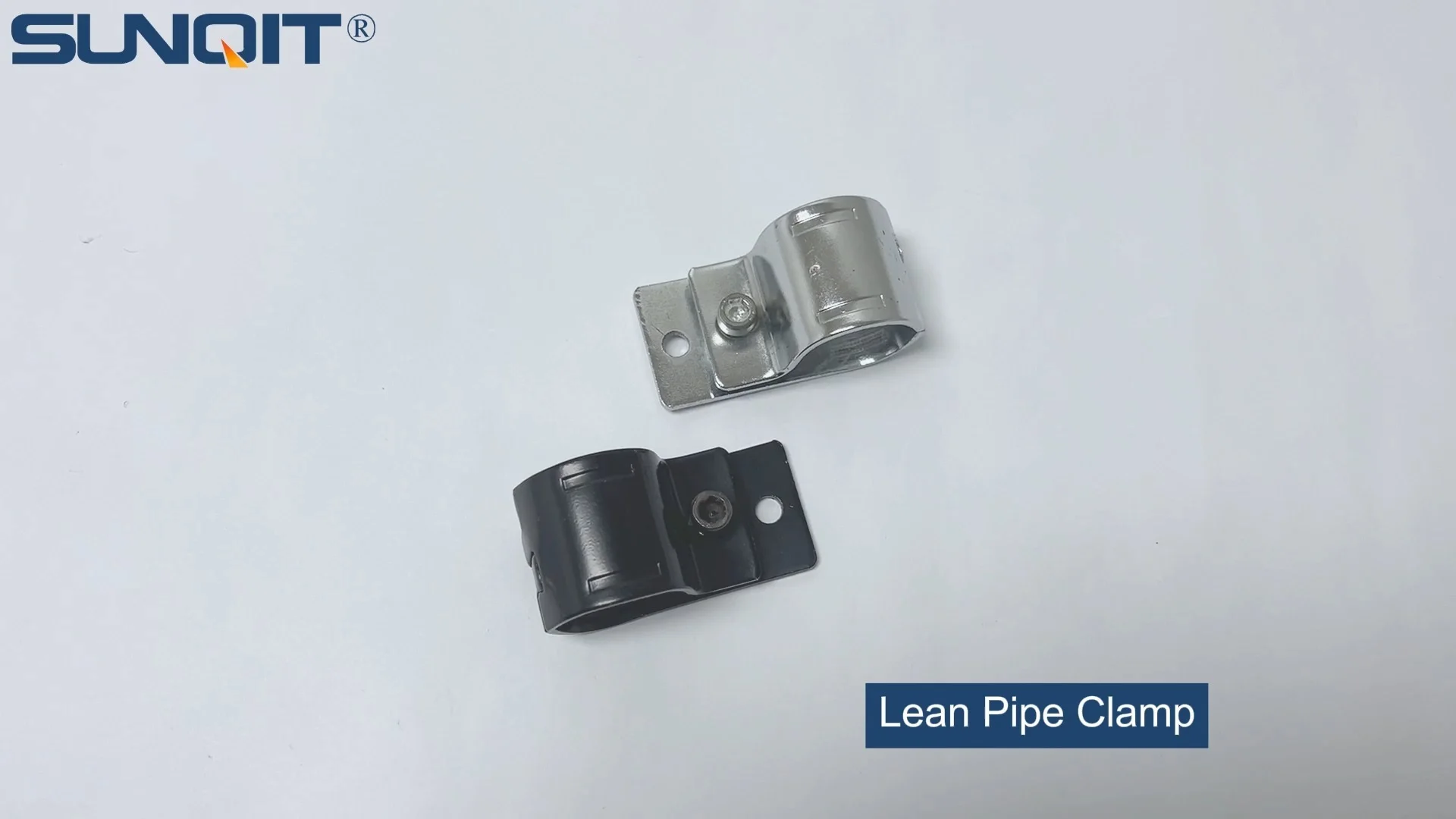
Walk into any modern manufacturing facility, warehouse, or assembly line, and you'll likely spot a network of sleek, modular structures holding tools, materials, or. These are lean pipe systems— the unsung heroes of efficient workflow design. From workbench setups that keep tools within arm's reach to material racks that streamline inventory access, lean pipe systems are all about flexibility, adaptability, and reducing waste. But here's the thing: none of that works without the right components. And when it comes to holding those systems together, few parts are as critical as the humble clamp. Today, we're zeroing in on one specific star player: lean pipe clamp b . More importantly, we're pitting two of its most popular variants against each other: aluminum and chrome-plated. It's a showdown of weight vs. durability, and by the end, you'll know exactly which one deserves a spot in your lean system .
First Things First: What Even Is a Lean Pipe Clamp B?
Before we dive into the aluminum vs. chrome-plated debate, let's make sure we're all on the same page about what a lean pipe clamp B actually does. Think of it as the "glue" of your lean pipe setup—though instead of sticky residue, it uses mechanical grip to connect pipes, joints, and accessories. Clamp B is a workhorse in the world of lean manufacturing because it's designed for versatility: it can fasten pipes at 90-degree angles, secure accessories like shelves or tool holders, and even adjust tension to accommodate different pipe diameters. Whether you're building a lightweight aluminum lean pipe workstation or a heavy-duty material transport rack, Clamp B is often the component that keeps everything from wobbling or coming apart mid-shift.
But not all Clamp Bs are created equal. The material they're made from dictates everything from how easy they are to install to how long they'll last in a busy shop. That's where aluminum and chrome-plated steel enter the ring. Let's start with the lightweight contender: aluminum.
Aluminum Lean Pipe Clamp B: The Lightweight Champion
Why Aluminum? It's All About the Featherweight Advantage
Aluminum has long been a favorite in industries where weight matters—think aerospace, automotive, and yes, lean manufacturing. When it comes to lean pipe clamp B, aluminum's biggest claim to fame is its lightness. A typical aluminum Clamp B weighs in at around 50-70 grams, compared to chrome-plated steel versions that can hit 120-150 grams. That might not sound like a lot on paper, but multiply that by the dozens (or hundreds) of clamps in a single system, and the difference adds up fast. Imagine assembling a 10-foot workbench with 20 clamps: aluminum would shave off nearly 2 pounds from the total weight. For workers who need to reconfigure setups frequently—say, switching from a morning assembly line to an afternoon packaging station—that extra weight savings translates to less fatigue, faster adjustments, and fewer strained backs at the end of the day.
But aluminum isn't just about being light. It's also naturally resistant to corrosion. Unlike steel, which rusts when exposed to moisture, aluminum forms a thin oxide layer on its surface that acts like a built-in shield. That makes aluminum Clamp Bs a no-brainer for environments where spills, humidity, or even occasional water exposure are part of the daily grind. Picture a food processing plant where sanitizing sprays are common, or a warehouse in a coastal area with salty air—aluminum clamps here won't develop the red, flaky rust that can weaken steel over time. They'll stay bright, clean, and functional for years, with minimal maintenance beyond a quick wipe-down.
The Perks: Flexibility and Ease of Use
Lightweight and corrosion-resistant are great, but aluminum Clamp Bs have another trick up their sleeve: they're a dream to work with. Anyone who's ever tried to tighten a heavy steel clamp overhead knows the struggle—your arms tire, your grip slips, and suddenly that "5-minute adjustment" turns into a 20-minute chore. Aluminum clamps? They're so light that even a new hire can hold one in place with one hand while tightening the bolt with the other. This isn't just about convenience; it's about efficiency. In a lean system, every second counts, and faster assembly means more time spent on value-adding tasks, not wrestling with hardware.
Aluminum's malleability is another hidden benefit. While Clamp Bs are designed to be rigid once installed, aluminum's slight flexibility allows for minor adjustments without cracking or warping. If you accidentally overtighten a bolt (we've all been there), an aluminum clamp is more likely to bend slightly and then retain its shape, whereas a brittle chrome-plated steel clamp might snap. This "forgiveness factor" makes aluminum a favorite among teams that frequently reconfigure their workspaces—no more replacing clamps because of a small installation mistake.
But Wait: Where Does Aluminum Fall Short?
Of course, no material is perfect, and aluminum has its limits. The biggest one? Tensile strength. Aluminum is strong for its weight, but it can't match the raw pulling power of steel. If you're building a lean pipe system that needs to support extremely heavy loads—think stacks of metal sheets, industrial machinery parts, or pallets of raw materials—aluminum Clamp Bs might start to show signs of strain over time. The clamp's jaws could flex under pressure, leading to a loosening connection or even a sagging structure. It's not that aluminum is "weak"; it's just that it's optimized for moderate loads, not industrial-grade heaviness.
Cost is another consideration. High-quality aluminum clamps often come with a higher price tag than their chrome-plated steel counterparts. This is because aluminum production involves more complex processes (like extrusion and anodizing) to enhance its durability. For small businesses or teams on a tight budget, the upfront cost might be a deterrent—even if aluminum saves money long-term in maintenance and labor. Finally, aluminum is softer than steel, which means it's more prone to scratches and dents. In a workshop where tools get dropped or carts bump into structures, an aluminum clamp might start looking beat up faster than a chrome-plated one—though, to be clear, the scratches are usually cosmetic and don't affect functionality.

Chrome-Plated Lean Pipe Clamp B: The Heavy-Duty Contender
Chrome-Plated Steel: When Durability Trumps Everything
Now, let's shift to the other corner: chrome-plated steel lean pipe clamp B. If aluminum is the featherweight, chrome-plated steel is the heavyweight champion—all muscle, no nonsense. The base material here is steel, which is then coated with a thin layer of chromium to boost corrosion resistance and give it that shiny, professional finish. This combo makes chrome-plated Clamp Bs the go-to for environments where "tough" is the name of the game.
Let's talk durability first. Steel is inherently strong—its tensile strength is roughly three times that of aluminum. That means a chrome-plated Clamp B can handle significantly heavier loads without bending, warping, or failing. Imagine a material rack in a automotive plant that holds 50-pound engine parts, or a conveyor system that transports loaded pallets all day long. Chrome-plated clamps here are non-negotiable; they'll grip the pipes tight, day in and day out, without showing signs of fatigue. In fact, in many industrial settings, chrome-plated Clamp Bs have been known to outlast the pipes they're holding together—often by years.
Scratch Resistance and Low Maintenance (When Plating Holds Up)
The chrome plating isn't just for looks—it's a protective barrier. Unlike bare steel, which rusts at the first sign of moisture, chrome-plated steel resists corrosion, stains, and scratches. This makes it ideal for environments where the clamp might come into contact with oils, chemicals, or abrasive materials. A quick wipe with a rag is usually all it takes to keep a chrome-plated clamp looking new, even in a greasy machine shop. And because steel is harder than aluminum, those accidental bumps from forklifts or tool carts are less likely to leave a mark—no more unsightly dents ruining the look of your lean system.
The Downside: Weight and Rigidity
Chrome-plated steel's biggest strength—its weight—is also its biggest drawback. A single chrome-plated Clamp B can weigh twice as much as an aluminum one, and when you multiply that by 50 or 100 clamps in a system, the total weight adds up fast. This makes installation more physically demanding: holding a steel clamp in place while tightening a bolt above your head is a workout, and over time, it can lead to worker fatigue or even injuries. It also limits portability. If you need a lean pipe system that's easy to move—like a mobile workstation or a temporary material cart—chrome-plated clamps will make the whole setup heavier and harder to maneuver, even with casters.
Another issue? Rigidity. Steel is strong, but it's also brittle compared to aluminum. If you bend a chrome-plated steel clamp too far, it won't flex back—it'll snap. This lack of flexibility means that installation mistakes are costly. Overtighten a bolt, and you might crack the clamp's jaw. drop a heavy tool on it, and it could shatter. For teams that aren't used to working with steel clamps, this can lead to frequent replacements and added expenses.

The Ultimate Showdown: Weight vs. Durability in Real-World Use
Okay, so we've covered the basics of aluminum and chrome-plated Clamp Bs. But how do they stack up in real life? Let's break it down with a side-by-side comparison of their key attributes, then look at two common scenarios where the choice between them really matters.
| Attribute | Aluminum Lean Pipe Clamp B | Chrome-Plated Lean Pipe Clamp B |
|---|---|---|
| Weight (per clamp) | 50-70 grams | 120-150 grams |
| Tensile Strength | Moderate (ideal for light to medium loads) | High (ideal for heavy loads) |
| Corrosion Resistance | Excellent (natural oxide layer) | Good (chrome plating; risk of rust if plating is damaged) |
| Scratch/Dent Resistance | Low (softer material) | High (hard steel + chrome plating) |
| Installation Ease | Easy (lightweight, forgiving) | Challenging (heavy, rigid) |
| Best For | Light to medium loads, frequent reconfigurations, mobile systems | Heavy loads, harsh environments, static systems |
Scenario 1: The Electronics Assembly Workbench
Let's say you're setting up a workbench for an electronics assembly line. The workbench needs to hold circuit boards, small tools, and bins of components—nothing extremely heavy, but it needs to be adjustable because different teams use it for different projects. Workers will reconfigure the shelves and tool holders weekly, and the bench might need to be moved across the shop floor occasionally. Which clamp do you choose?
Aluminum is the clear winner here. The lightweight clamps make the workbench easy to adjust and move, reducing worker fatigue during reconfigurations. Aluminum's corrosion resistance is a bonus, too, since electronics assembly often involves cleaning solvents or humidity-controlled environments. The moderate load capacity is more than enough for small components, and the clamps' flexibility means that if someone bumps a shelf, it won't snap. Plus, the lower weight makes the entire setup safer—no risk of the bench tipping over when moved.
Scenario 2: The Heavy-Duty Material Rack
Now, imagine you're building a material rack in a metal fabrication shop. This rack needs to hold stacks of 2x4 steel bars, each weighing 50 pounds, and it will stay in one place for years. The shop is dusty, oily, and tools frequently get dropped near the rack. Which clamp makes sense here?
Chrome-plated steel takes the crown. The high tensile strength ensures the clamps can handle the weight of the steel bars without bending or loosening. The chrome plating resists oil, dust, and scratches from dropped tools, so the rack will stay functional and looking decent for years. Since the rack is static, the extra weight of the clamps isn't a big issue—once it's installed, you won't need to move it. And while installation might be more labor-intensive, the durability means you won't be replacing clamps every few months.

Beyond Weight and Durability: Other Factors to Consider
Weight and durability are the big players, but they're not the only factors that should influence your choice. Here are a few more things to keep in mind:
Cost Over Time
Aluminum clamps are more expensive upfront, but they might save you money in the long run if you value flexibility and low maintenance. Chrome-plated clamps are cheaper initially, but their brittleness and weight could lead to higher replacement costs or increased labor for installations. It's all about your priorities: short-term savings vs. long-term efficiency.
Environmental Conditions
Humidity, chemicals, and temperature extremes can affect clamp performance. Aluminum is better for wet or humid environments (think food processing, pharmaceuticals), while chrome-plated steel handles oils and abrasives better (think automotive, machining).
Team Expertise
If your team is new to lean pipe systems, aluminum clamps are more forgiving of mistakes. If you have experienced installers who can handle steel's rigidity, chrome-plated might be a better fit.
Final Verdict: Which Clamp B Should You Choose?
At the end of the day, there's no "better" clamp—only the right clamp for your needs. Aluminum lean pipe clamp B is the way to go if you prioritize lightweight flexibility, easy installation, and corrosion resistance for moderate loads. Chrome-plated steel clamp B shines when you need raw strength, durability, and scratch resistance for heavy, static systems.
But here's a pro tip: you don't have to choose one or the other. Many lean systems mix and match materials based on the section. For example, use aluminum clamps on the upper shelves of a workbench (where weight matters) and chrome-plated clamps on the lower rack (where heavy tools are stored). This hybrid approach gives you the best of both worlds, ensuring your lean system is efficient, durable, and tailored to your unique workflow.
So, whether you're building a sleek aluminum workstation or a rugged steel material rack, remember: the right clamp isn't just a part—it's the foundation of your lean system's success. Choose wisely, and your team will thank you every time they adjust a shelf, move a cart, or simply get through a shift without wrestling with wobbly pipes. After all, in lean manufacturing, the smallest components often make the biggest difference.