- Company Articles
- Products and Technology
- Product knowledge
- Aluminum vs. Steel Parallel Lean Pipe Joints: One Side Rotatory Performance Analysis

Aluminum vs. Steel Parallel Lean Pipe Joints: One Side Rotatory Performance Analysis
Related Product
Parallel Lean Pipe Joint
Parallel lean pipe joint used for 2 pcs 28MM lean pipe connection in parallel direction to enhance frame structure, usually for heavy payload requirement for workbench. flow rack, hand trolley.
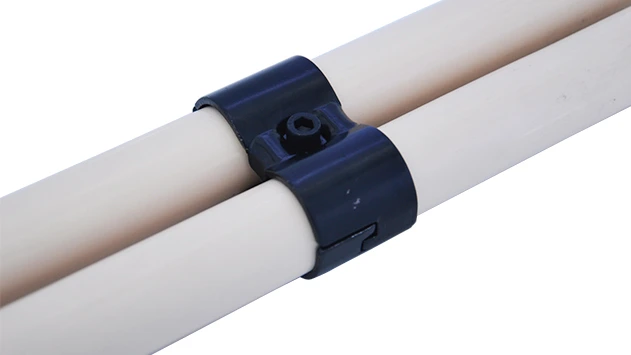
In the world of manufacturing and industrial workflow, where every second counts and efficiency is the name of the game, lean systems have emerged as the backbone of smart, adaptable operations. At the heart of these systems lies a seemingly small but critical component: the lean pipe joint. Among the many types of joints, parallel lean pipe joints with one side rotatory functionality stand out for their ability to add flexibility and movement to workstations, assembly lines, and material handling setups. But here's the question that keeps plant managers and operations teams up at night: aluminum or steel? Which material delivers better performance when it comes to one side rotatory movement, durability, and long-term value? Let's dive in and unpack the nuances of these two materials, their design differences, and how they stack up in real-world applications.
Understanding the Role of Parallel Lean Pipe Joints in Lean Systems
Before we compare aluminum and steel, let's take a step back and appreciate why these joints matter. A lean system thrives on minimizing waste—whether it's time, space, or effort. Parallel lean pipe joints, especially those with one side rotatory features, are the unsung heroes that make this possible. Imagine a workbench where a section needs to pivot to align with an assembly line, or a material rack where a shelf must rotate to feed parts to workers without them reaching across the table. That's where one side rotatory joints shine: they let sections of a structure move smoothly along a single axis, all while maintaining stability and load-bearing capacity.
These joints aren't just about movement, though. They're about adaptability. In today's fast-changing manufacturing landscape, where production lines might switch from assembling smartphones to tablets overnight, a rigid workstation is a liability. Parallel lean pipe joints—paired with aluminum or steel pipes—let teams reconfigure setups quickly, without welding or heavy tools. This flexibility is why they're found in everything from automotive plants to electronics factories, and even in warehouses managing e-commerce fulfillment.
Material Basics: Aluminum vs. Steel—What Sets Them Apart?
At their core, aluminum and steel parallel lean pipe joints differ in two key ways: their inherent material properties and how those properties translate into performance. Let's start with the basics.
Aluminum: Lightweight Precision
Aluminum is a go-to for applications where weight and corrosion resistance are priorities. It's about one-third the weight of steel, which makes aluminum lean pipe setups easier to move, reconfigure, and install. But don't let its lightness fool you—aluminum alloys (like those used in industrial lean pipes) are surprisingly strong, especially when paired with precision-engineered joints. What really sets aluminum apart, though, is its natural resistance to rust and corrosion. Unlike steel, it doesn't need coatings or paints to withstand moisture, making it ideal for environments like food processing plants, cleanrooms, or outdoor storage areas.
Steel: Raw Strength and Durability
Steel, on the other hand, is the heavyweight champion of the material world. Carbon steel, in particular, boasts high tensile strength, meaning it can handle heavier loads without bending or deforming. This makes steel parallel lean pipe joints a favorite for heavy-duty applications—think engine assembly lines where components weigh hundreds of pounds, or material racks storing metal parts. Steel's rigidity also means it's less likely to vibrate or shift under dynamic loads, which is crucial for precision work. The tradeoff? Steel is prone to corrosion if not treated, so most industrial steel joints come with galvanized coatings or powder finishes to fight rust.

Design Deep Dive: How One Side Rotatory Joints Work
Now, let's get into the mechanics. A one side rotatory parallel lean pipe joint is designed to let one section of a pipe structure rotate around a fixed axis while the other side stays anchored. For example, a workbench might have a rotating shelf attached to a fixed frame; the joint connects the two, allowing the shelf to swing 90 degrees to the left or right.
Aluminum Joint Design: Precision Machining for Smooth Movement
Aluminum joints often leverage T-slot aluminum profile designs, where the pipe has grooves (or "T-slots") that allow accessories like brackets, shelves, and—you guessed it—rotatory joints to slide into place and lock securely. This T-slot system is a game-changer for precision. Aluminum joints are typically CNC-machined, which means their internal components (like bearings, bushings, and locking mechanisms) fit together with tight tolerances. This precision translates to smoother rotation: less friction, fewer jerks, and a more consistent feel when moving the joint.
Many aluminum one side rotatory joints also feature integrated ball bearings or nylon bushings. These reduce friction even further, ensuring that the joint doesn't "stick" after repeated use. Plus, aluminum's lightweight nature means there's less mass to move, so even with a load on the rotating section, the movement feels effortless—great for workers who need to adjust setups multiple times a day.
Steel Joint Design: Robustness for Heavy Loads
Steel joints take a more rugged approach. Instead of T-slots, they often use welded or bolted connections, with thicker walls and heavier-duty components. The rotatory mechanism might rely on steel-on-steel contact (with lubrication) or brass bushings, which are tough enough to handle the weight of steel pipes and heavy loads. Steel joints also tend to have larger diameters and thicker flanges, which add stability but increase weight.
One downside of steel's robustness? It can lead to more friction in rotation. Without the precision machining of aluminum, steel joints may develop play (small gaps) over time as components wear, leading to slightly jerky movement. To counteract this, many steel joints use locknuts or set screws to tighten the rotation axis, but this requires regular maintenance to keep the movement smooth.

Performance Showdown: Key Metrics to Compare
Now, let's put aluminum and steel head-to-head across the metrics that matter most: rotation smoothness, load capacity, durability, corrosion resistance, and cost. We'll break down each category and see which material comes out on top.
1. Rotation Smoothness: The "Feel" Factor
When a worker needs to rotate a section of a workbench or rack, the last thing they want is a joint that sticks or requires excessive force. Smooth rotation isn't just about comfort—it's about efficiency. A sticky joint slows down adjustments, increases fatigue, and can even lead to mistakes if the movement isn't predictable.
Aluminum: Thanks to precision machining and low-friction components like ball bearings, aluminum joints typically offer smoother, more consistent rotation. In tests, operators often describe aluminum joints as "buttery" or "effortless" when moving, even after months of daily use. The lightweight nature of aluminum also helps here: there's less inertia to overcome, so the joint starts and stops moving with minimal force.
Steel: Steel joints can feel slightly "gritty" by comparison, especially if they're not properly lubricated. The heavier weight of steel pipes adds inertia, so rotating a loaded section requires more effort. Over time, steel-on-steel contact can lead to minor wear, which may cause the joint to "catch" occasionally. That said, high-quality steel joints with brass bushings or regular lubrication can still offer smooth movement—just not quite as seamless as aluminum.
2. Load Capacity: How Much Weight Can They Handle?
Here's where steel has long held the advantage. Steel is inherently stronger than aluminum, with a higher tensile strength (the amount of force it can withstand before breaking). This means steel joints can support heavier loads without bending or failing.
Steel: A typical steel parallel lean pipe joint (1.5mm wall thickness) can handle loads up to 500kg on the rotating side, depending on the design. This makes it ideal for heavy-duty applications, like supporting tool chests on a workbench or stacks of metal parts on a rotating shelf.
Aluminum: Aluminum joints max out around 300-400kg for similar designs. While this is more than enough for most light to medium-duty tasks (think electronics assembly, small parts storage, or lightweight workbenches), it falls short for heavy loads. However, aluminum alloys like 6061-T6 can boost load capacity closer to 450kg, narrowing the gap—though at a higher cost.
3. Durability: Wear and Tear Over Time
Durability is about more than just strength—it's about how well the joint holds up to daily use, environmental factors, and neglect. Let's break it down:
Corrosion Resistance: Aluminum wins hands down here. It forms a natural oxide layer when exposed to air, which prevents rust and corrosion. This makes aluminum joints perfect for humid environments (like food processing plants), areas with water exposure, or outdoor setups. Steel, on the other hand, will rust if its protective coating (galvanization, powder coating) is scratched or worn away. In damp or coastal facilities, steel joints often require regular repainting or anti-corrosion treatments to stay intact.
Wear Resistance: Steel has the edge here. Steel is harder than aluminum, so its components (like bushings and axles) are less likely to wear down from friction. Aluminum, while corrosion-resistant, can develop micro-scratches or dents over time, especially if used with heavy loads or abrasive materials. That said, aluminum joints with anodized finishes (a protective layer added via electrolysis) can improve wear resistance significantly.
4. Cost: Upfront vs. Long-Term Value
Cost is always a factor, but it's rarely black and white. Aluminum joints are generally more expensive upfront—sometimes by 30-50% compared to steel. But steel comes with hidden costs down the line, like corrosion treatment, replacement of rusted parts, and higher shipping/installation costs (thanks to its weight).
Aluminum: Higher initial price, but lower maintenance. No need for rust treatments, lighter shipping costs, and easier installation (since you don't need heavy equipment to move aluminum pipes). Over 5-10 years, the total cost of ownership often evens out or becomes lower than steel, especially in corrosive environments.
Steel: Cheaper to buy initially, but higher long-term costs. If you're in a dry, indoor environment (like a warehouse in the desert), steel might be a no-brainer—minimal corrosion risk, and the lower upfront cost saves money. But in a humid factory or coastal area? You'll be replacing rusted joints every 2-3 years, which adds up fast.
Real-World Applications: When to Choose Aluminum vs. Steel
The best way to understand performance is to look at how these joints perform in real settings. Let's explore two common scenarios:
Scenario 1: Electronics Assembly Workbench
An electronics plant assembles circuit boards, with workers sitting at workbenches all day. The workbenches have rotating shelves that hold small parts bins, and workers adjust these shelves 10-15 times per shift to access different components. Load per shelf? About 50kg (light, but frequent movement is key).
Aluminum Solution: The plant opts for aluminum lean pipe joints with ball bearings. Workers report that the shelves rotate smoothly with one hand, reducing fatigue. Over two years, there's zero rust, and the joints still feel like new. The lightweight workbench is also easy to reconfigure when the assembly line switches to a new product model.
Steel Alternative: Steel joints would handle the 50kg load easily, but the heavier shelves require two hands to rotate, slowing down workers. After six months in the plant's air-conditioned (but slightly humid) environment, some joints start showing rust spots, requiring the maintenance team to sand and repaint them—adding downtime.
Scenario 2: Automotive Engine Assembly Line
A car factory needs rotating racks to hold engine blocks (weighing 200kg each) during assembly. The racks must rotate to align the engine with different workstations, and they're used 24/7 in a dry, indoor setting.
Steel Solution: Steel joints are the clear choice here. They handle the 200kg load without flexing, and the heavy-duty design stands up to constant use. With monthly lubrication, the joints stay smooth, and since the environment is dry, rust isn't an issue. The upfront cost is lower, and the plant saves on replacement parts over time.
Aluminum Alternative: Aluminum joints would struggle with the 200kg load, leading to bending or premature wear. Even with a high-strength alloy, the cost would be significantly higher than steel, with no added benefit for this heavy-duty use case.
A Side-by-Side Comparison Table
| Metric | Aluminum Parallel Lean Pipe Joints | Steel Parallel Lean Pipe Joints |
|---|---|---|
| Weight (per joint) | 0.5-1.0kg (lightweight) | 1.5-2.5kg (heavy) |
| Rotation Smoothness | Excellent (CNC-machined, ball bearings) | Good (requires lubrication, more friction) |
| Max Load Capacity | 300-450kg (light to medium-duty) | 400-600kg (medium to heavy-duty) |
| Corrosion Resistance | High (natural oxide layer) | Low (needs coatings; prone to rust) |
| Upfront Cost | Higher ($25-$40 per joint) | Lower ($15-$25 per joint) |
| Maintenance Needs | Low (occasional lubrication) | High (rust checks, repainting, frequent lubrication) |
| Best For | Light/medium loads, humid environments, frequent reconfiguration | Heavy loads, dry environments, static setups |
Maintenance Tips to Extend Joint Life
No matter which material you choose, proper maintenance will extend the life of your one side rotatory joints. Here's what works:
For Aluminum Joints:
- Clean with a damp cloth monthly to remove dust and debris (avoid harsh chemicals that can damage the anodized finish).
- Lubricate ball bearings or bushings with silicone spray every 3-6 months (check the manufacturer's guidelines).
- Inspect for loose bolts quarterly—aluminum expands and contracts slightly with temperature changes, so bolts may need tightening.
For Steel Joints:
- Wipe down with a dry cloth weekly to prevent moisture buildup.
- Lubricate moving parts with lithium grease monthly (more often in high-use areas).
- Check for rust spots monthly—treat with anti-corrosion spray immediately if found.
- Tighten bolts monthly; steel's weight can cause bolts to loosen over time.
The Verdict: Aluminum or Steel?
At the end of the day, there's no "one-size-fits-all" answer—but there is a "right-for-your-needs" answer. Aluminum parallel lean pipe joints excel in light to medium-duty applications where rotation smoothness, corrosion resistance, and reconfigurability are priorities. They're a smart investment for workbenches, electronics assembly lines, and humid environments. Steel joints, on the other hand, are the workhorses of heavy-duty settings, offering unbeatable load capacity and durability in dry, static setups.
The key is to start with your specific needs: What's the load? How often will the joint rotate? What's the environment like? Once you answer those, the choice becomes clear. And remember: both aluminum and steel have their place in a well-designed lean system. The goal isn't to pick a winner, but to pick the material that makes your operation more efficient, your workers more comfortable, and your bottom line healthier.
So, whether you're building a new workbench or upgrading an old assembly line, take the time to test both aluminum and steel joints. Feel the rotation, check the load capacity, and imagine how they'll perform in your space. Your future self (and your maintenance team) will thank you.