- Company Articles
- Products and Technology
- Product knowledge
- Aluminum vs Steel Turning Angle Code 3030: Which Material Is Better?

Aluminum vs Steel Turning Angle Code 3030: Which Material Is Better?
Related Product
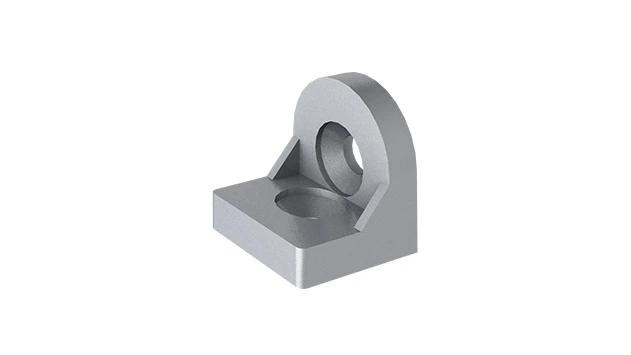
Turning Angle Code 3030
The turning angle aluminum profile connector provides a 90 degree hidden corner connection. 3030 it is means this size is used for 30 series aluminum profile.The corner code comes with set screws that allow for quick, easy connections.
In the world of manufacturing, workshops, and industrial setups, the smallest components often play the biggest roles in ensuring efficiency, stability, and adaptability. Take, for example, the turning angle code 3030—a humble yet critical connector that holds together frames, workbenches, and material racks. When it comes to choosing between aluminum and steel versions of this component, the decision isn't just about picking a piece of metal; it's about aligning your tools with your workflow, environment, and long-term goals. Let's dive into the details, break down the pros and cons, and help you figure out which material deserves a spot in your next project.
What Even Is a Turning Angle Code 3030?
Before we compare materials, let's make sure we're all on the same page. A turning angle code 3030 is a specialized connector designed to join two or more pieces of 30x30mm profiles—think of it as the "elbow" that gives structure to everything from workbenches to roller tracks. These codes are typically used at 90-degree angles, though some designs allow for adjustments, making them indispensable in modular systems. Whether you're building a lightweight assembly station or a heavy-duty material rack, the turning angle code 3030 is the unsung hero that keeps everything square, stable, and secure.
You'll find these connectors paired with aluminum profiles in electronics labs, where precision and clean aesthetics matter, or with steel profiles in automotive workshops, where brute strength takes priority. They're also common in lean manufacturing setups, working alongside lean pipe joints to create flexible, customizable workspaces. Simply put, if your project involves putting together 30mm profiles, you can't avoid choosing between aluminum and steel turning angle codes.
Aluminum Turning Angle Code 3030: Lightweight, Sleek, and Corrosion-Resistant
Aluminum has long been a favorite in industries where weight and appearance matter, and the turning angle code 3030 is no exception. Let's break down why you might lean (pun intended) toward aluminum:
1. Featherlight but Surprisingly Strong
Aluminum is about one-third the weight of steel, which might not sound like a big deal until you're assembling a workbench with a dozen angle codes or reconfiguring a roller track system. Lighter connectors mean easier installation—no need for a second pair of hands to hold parts in place—and more flexibility if you ever need to move or modify your setup. And don't let the weight fool you: modern aluminum alloys (like 6063 T5, a common choice for profiles) offer impressive tensile strength, often exceeding 180 MPa. For most workshop applications—think holding tools, small parts, or lightweight machinery—this is more than enough.
2. Corrosion Resistance: A Lifesaver in Damp or Clean Environments
Aluminum naturally forms a thin oxide layer that protects it from rust and corrosion, making it ideal for environments where moisture or chemicals are present. This is a game-changer in food processing plants, pharmaceutical labs, or even garages where humidity can wreak havoc on steel. Unlike steel, aluminum angle codes won't require regular painting or coating to stay intact, saving you time and maintenance costs down the line.
3. Aesthetics and Cleanliness
Let's face it: aluminum looks good. Its smooth, often anodized finish gives projects a professional, modern vibe that steel (even painted steel) struggles to match. This is especially important in customer-facing spaces or industries where cleanliness is paramount, like electronics manufacturing. Anodized aluminum also resists scratches and fingerprints, so your workbench or material rack will stay looking sharp even after months of use.
4. Compatibility with Aluminum Profiles
If you're already using aluminum profiles (a smart choice for lightweight, modular systems), an aluminum turning angle code is a no-brainer. The material expansion rates match, reducing stress on joints over time, and the connectors often come with pre-drilled holes that align perfectly with standard aluminum profile slots. This compatibility cuts down on installation time and ensures a snug, rattle-free fit—no more struggling with mismatched hardware.

Steel Turning Angle Code 3030: The Heavyweight Champion of Strength
Steel isn't here to win beauty contests; it's here to get the job done, even when the going gets tough. Let's explore why steel might be the right choice for your project:
1. Unbeatable Strength for Heavy Loads
When it comes to raw strength, steel reigns supreme. A typical carbon steel turning angle code 3030 has a tensile strength of 400-500 MPa—more than double that of aluminum. This makes steel the go-to for applications where heavy loads are the norm: think material racks holding engine blocks, roller tracks transporting metal sheets, or workbenches supporting industrial machinery. If you've ever seen a steel angle code bend under stress, you're probably looking at a cheap, low-carbon variant—quality steel codes can handle hundreds of kilograms without so much as a creak.
2. Cost-Effective for Large-Scale Projects
Steel is generally cheaper than aluminum, especially in bulk. If you're building a warehouse full of material racks or outfitting an entire production line, the cost savings add up fast. Even when factoring in potential maintenance (like painting to prevent rust), steel often comes out ahead for large projects. This affordability makes it a favorite among small businesses and startups looking to stretch their budgets without compromising on durability.
3. Magnetic Compatibility
Here's a niche but crucial advantage: steel is magnetic. This might not matter in most workshops, but in environments where magnetic tools or parts are used (like metal fabrication shops), a steel turning angle code can double as a handy storage spot for wrenches or screws. Aluminum, being non-magnetic, can't offer this extra utility—another small but practical win for steel.
4. Impact Resistance: Tough Enough for Rough Environments
Steel is tough. drop a heavy tool on an aluminum angle code, and you might dent it; do the same with steel, and it'll likely laugh it off. This resilience makes steel ideal for high-traffic areas, like loading docks or busy assembly lines, where accidental bumps and knocks are part of the daily grind. It also holds up better to extreme temperatures, making it a solid choice for outdoor use or facilities without climate control.

Head-to-Head: Aluminum vs. Steel Turning Angle Code 3030
To make the choice clearer, let's put these two materials side by side in a table. We'll compare key factors like weight, strength, cost, and more:
| Factor | Aluminum Turning Angle Code 3030 | Steel Turning Angle Code 3030 |
|---|---|---|
| Weight (per unit length) | ~0.15 kg (lightweight, easy to handle) | ~0.45 kg (heavier, requires more effort to install) |
| Tensile Strength | 180-250 MPa (sufficient for light to medium loads) | 400-550 MPa (ideal for heavy loads and impact) |
| Corrosion Resistance | Excellent (natural oxide layer; no painting needed) | Poor (prone to rust; requires coating/galvanizing) |
| Cost (per unit) | Higher (20-30% more than steel) | Lower (budget-friendly for bulk orders) |
| Aesthetics | Sleek, modern finish (anodized options available) | Industrial look (often requires painting for appearance) |
| Installation Ease | Easy (lightweight, compatible with aluminum profiles) | Moderate (heavier, may need tools for tight fitting) |
| Best For | Workbenches, clean rooms, lightweight roller tracks, electronics assembly | Heavy material racks, automotive workshops, outdoor setups, high-impact areas |
Applications: When to Choose Aluminum, When to Stick with Steel
Now that we've compared specs, let's look at real-world scenarios where one material clearly outperforms the other.
Choose Aluminum If…
- You're building a workbench with caster wheels. Workbenches on wheels need to be lightweight to move easily, and aluminum angle codes help keep the total weight down. Plus, if your workbench is in a lab or cleanroom, aluminum's corrosion resistance and sleek finish will fit right in.
- Your project is in a damp or humid environment. Think food processing plants, marine workshops, or basements. Aluminum won't rust, so you won't have to worry about the connectors weakening over time or leaving rust stains on your profiles.
- Aesthetics matter. If clients visit your workspace or you're proud of your setup (and why wouldn't you be?), aluminum's clean, modern look beats steel's industrial vibe. Anodized aluminum even comes in colors like silver, black, or gold, letting you match your brand or workspace theme.
- You need to reconfigure often. Lean manufacturing thrives on adaptability, and aluminum's light weight makes it easy to disassemble, move, and rebuild. Whether you're adding a new shelf to your workbench or rearranging roller tracks, aluminum angle codes save you time and effort.
Choose Steel If…
- You're supporting heavy loads. If your material rack is holding 50kg boxes or your roller track is moving engine parts, steel is non-negotiable. Its higher tensile strength ensures the angle codes won't bend or fail under pressure.
- Your setup is permanent. Steel is heavier, so it's not ideal for frequent moves, but if you're building something that will stay in place for years (like a fixed assembly line), the cost savings and durability make it worth the extra effort during installation.
- You're on a tight budget. For large projects—say, outfitting a warehouse with 50+ racks—steel's lower per-unit cost can save you hundreds of dollars. Just factor in the cost of painting or galvanizing if corrosion is a concern.
- Impact resistance is critical. In busy workshops where tools get dropped or forklifts occasionally bump into racks, steel's toughness is a lifesaver. It can take a hit without denting, ensuring your structure stays stable.
Real-World Stories: How Others Chose
Sometimes, hearing how others made the decision helps clarify things. Let's look at two short case studies:
Case Study 1: A Small Electronics Manufacturer Chooses Aluminum
GreenTech Circuits, a startup building circuit boards for smart home devices, needed 10 workbenches for their assembly line. They opted for aluminum profiles and aluminum turning angle codes 3030. Why? Their workbenches needed to be mobile (fitted with caster wheels) to accommodate shifting production needs, and their cleanroom required corrosion-resistant materials. "We considered steel, but the benches would have been too heavy to move," says Sarah, their operations manager. "Aluminum let us build sturdy workstations that two people can reposition in minutes. Plus, the silver anodized finish looks professional—important when investors visit!"
Case Study 2: A Automotive Repair Shop Goes with Steel
Speedy Motors, a busy auto repair shop, needed a set of material racks to store engine parts, tires, and tools. They chose steel turning angle codes 3030 with steel profiles. "Our racks hold up to 200kg per shelf, and we're not gentle with them—tools get dropped, parts get slammed down," explains Mike, the shop foreman. "Steel was a no-brainer for us. We painted the codes to prevent rust, and they've held up for three years with zero issues. Aluminum would have bent under the weight, and we couldn't afford to replace racks every year."
Common Misconceptions to Avoid
Even seasoned builders fall prey to myths about aluminum and steel. Let's debunk a few:
"Steel is Always Stronger Than Aluminum"
While steel has higher tensile strength, aluminum has a better strength-to-weight ratio. For example, a 1kg aluminum angle code can support roughly the same load as a 3kg steel code. So if weight is a factor, aluminum might actually be the "stronger" choice for your needs.
"Aluminum is Too Expensive"
Aluminum does cost more upfront, but its corrosion resistance and low maintenance can make it cheaper in the long run. Steel requires painting every 2-3 years (especially outdoors), and rusted connectors might need replacement. Over a decade, aluminum could save you money—and headaches.
"You Can Mix Aluminum and Steel Angle Codes"
Technically, yes, but we don't recommend it. Aluminum and steel react chemically when in contact (a process called galvanic corrosion), which can weaken both materials over time. Stick to one material for all connectors to avoid premature failure.
Final Thoughts: It's All About Your Specific Needs
At the end of the day, there's no "better" material—only the right material for your project. Aluminum turning angle code 3030 is perfect for lightweight, mobile, or aesthetically driven setups, while steel shines in heavy-duty, permanent, or budget-conscious applications. To decide, ask yourself:
- How much weight will the angle codes support?
- Will the setup be moved or stay in one place?
- Is corrosion a concern in my environment?
- What's my budget, and how does that balance with long-term maintenance costs?
Whether you choose aluminum for its sleekness or steel for its strength, remember that the turning angle code 3030 is just one piece of the puzzle. Pair it with quality profiles, lean pipe joints, and the right tools, and you'll have a setup that's not only functional but built to last. After all, in manufacturing and workshops, the smallest components often make the biggest difference.