- Company Articles
- Products and Technology
- Product knowledge
- Aluminum Workbench A Corrosion Resistance: Ideal for Humid or Harsh Environments

Aluminum Workbench A Corrosion Resistance: Ideal for Humid or Harsh Environments
Related Product
Aluminum Workbench A
Aluminum tube workbench is more flexible and durable, compared with traditional PE/ABS coated steel tube. It is easy to assemble, anti corrosion, rust protection, and recycle use after disassemble.
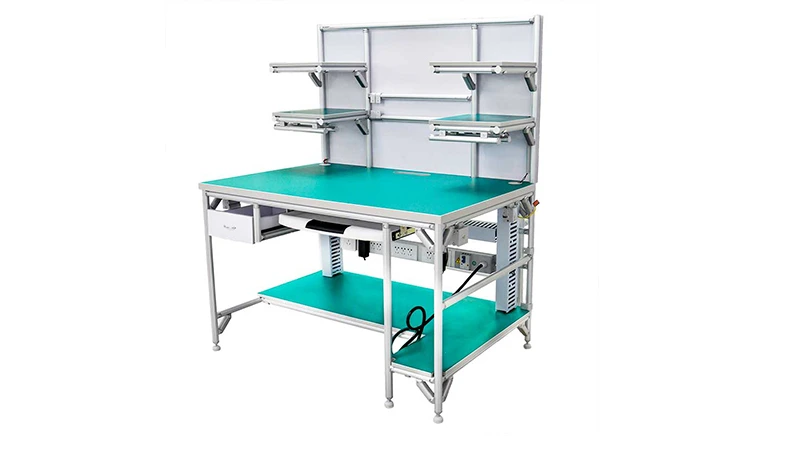
Walk into any busy workshop, factory, or processing plant, and you'll quickly realize that not all workbenches are created equal. In environments where moisture lingers, chemicals splash, or salt air hangs thick, the average workbench doesn't stand a chance. It starts with a small rust spot here, a warped edge there, and before you know it, you're replacing equipment that should have lasted years. But what if there was a workbench built to laugh in the face of these challenges? Enter the Aluminum Workbench A —a solution designed not just to handle tough conditions, but to thrive in them. Let's dive into why this workbench is becoming the go-to choice for anyone who refuses to let their workspace's environment dictate their productivity.
The Hidden Cost of Corrosion: Why Your Workbench Matters More Than You Think
Corrosion isn't just an aesthetic problem—it's a silent productivity killer. Think about it: a steel workbench in a humid auto shop might start to rust within months. That rust doesn't just look bad; it weakens the structure, making the bench less stable for heavy tools. Over time, the surface becomes pitted and uneven, scratching delicate parts or making it harder to clean. In food processing facilities, a corroded workbench can even harbor bacteria, putting product safety at risk. And let's not forget the cost of replacement: constantly swapping out workbenches eats into budgets and disrupts workflows. For businesses that operate in harsh environments—whether that's a coastal warehouse with salt-laden air, a commercial kitchen with daily steam and cleaning chemicals, or an outdoor research lab exposed to rain and humidity—finding a workbench that resists corrosion isn't a luxury; it's a necessity.
This is where the Aluminum Workbench A steps in. Unlike traditional materials that fight a losing battle against the elements, aluminum is naturally equipped to handle moisture, chemicals, and time. But what makes this specific workbench stand out? It starts with the materials it's made from: high-quality aluminum extrusion profile —a material chosen for its strength, versatility, and unbeatable resistance to corrosion.
Aluminum Extrusion Profile: The Secret to Unbeatable Durability
To understand why the Aluminum Workbench A is so tough, we need to talk about how its frame is made. The bench's skeleton is crafted from aluminum extrusion profile —a process where aluminum is heated and forced through a die to create custom cross-sectional shapes. This isn't just any manufacturing method; it's what gives the workbench its strength and consistency. Extruded aluminum profiles have uniform thickness and structural integrity, meaning there are no weak spots or seams where corrosion can sneak in. But the real magic is in the material itself: aluminum is naturally corrosion-resistant, thanks to a thin, invisible layer of aluminum oxide that forms on its surface when exposed to air. This layer acts like a shield, preventing further oxidation (the chemical reaction that causes rust in steel). Unlike steel, which requires coatings or paints to protect it (and even then, those coatings can chip), aluminum's defense mechanism is built-in and self-healing. Scratch the surface? The oxide layer reforms almost immediately, keeping corrosion at bay.
Compare that to other common workbench materials: Steel, while strong, is prone to rust without constant maintenance. Wooden workbenches, beloved for their warmth, absorb moisture like a sponge, warping and rotting over time. Plastic workbenches might resist moisture, but they lack the load-bearing capacity needed for heavy industrial use. Aluminum extrusion profile hits the sweet spot: it's lightweight enough to move (if needed) but strong enough to support hundreds of pounds of tools, parts, or equipment. And in corrosive environments, it outlasts them all.

Built to Last: The Design Features That Make Aluminum Workbench A a Game-Changer
The Aluminum Workbench A isn't just about the materials—it's how those materials are put together. Let's break down the design features that make this workbench a standout in harsh environments:
- Smooth, Non-Porous Surface: Unlike wood, which has pores that trap moisture and bacteria, or steel, which can develop cracks where corrosion starts, the aluminum top of the Workbench A is smooth and non-porous. This makes it incredibly easy to clean—just wipe it down with a damp cloth or mild cleaner, and it's ready for the next task. In settings like hospitals or food labs, where sanitation is critical, this feature alone is a game-changer.
- Modular Construction: The workbench is built using a modular system, meaning it can be customized with aluminum profile accessories to fit your exact needs. Need a shelf for extra storage? Add it. Want a tool rail along the back? No problem. This modularity doesn't just make it versatile; it also means if a part gets damaged (though that's rare), you can replace just that part instead of the whole bench.
- Reinforced Stability: The Workbench A features a sturdy base with aluminum foot base (a keyword from our list!) that keeps it grounded, even on uneven floors. No wobbling, no shifting—just a solid surface you can trust with your most delicate or heavy-duty tasks.
- No Sharp Edges: Safety matters, especially in busy environments. The extrusion process allows for rounded edges, reducing the risk of cuts or scrapes during daily use. This is a small detail, but it adds up to a workspace that feels intentional and worker-friendly.
One of the best things about this design is its adaptability. Whether you need a simple, single-deck bench (like the "workbench e (single deck-without caster)" from the keyword list, though the Workbench A offers more durability) or a customized setup with shelves, drawers, or tool holders, the modular system and aluminum profile accessories make it possible. And because all the accessories are designed to work with the aluminum extrusion profile, everything fits together seamlessly—no jury-rigging required.

Aluminum Profile Accessories: Customizing Your Workbench for Maximum Efficiency
What good is a tough workbench if it can't keep up with your workflow? That's where aluminum profile accessories come in. The Aluminum Workbench A is designed to be more than just a flat surface—it's a hub for productivity, and the right accessories turn it into a tailored workspace. Let's take a look at some of the most popular accessories and how they enhance the bench's functionality:
- Aluminum Profile End Caps: These simple but essential accessories snap onto the ends of the aluminum extrusion profiles, covering the open T-slots. Not only do they give the bench a clean, finished look, but they also prevent dust, debris, or liquids from getting inside the slots, where they could cause jams or corrosion (though with aluminum, corrosion is minimal!). Options like the 4040 aluminum profile end cap or 2020 aluminum profile end cap ensure a perfect fit for different profile sizes.
- Rubber Strips and Seal Covers: The aluminum profile rubber strip and t-slot rubber seal cover are must-haves for environments where spills are common. The rubber strip lines the edges of the workbench top, protecting both the bench and your tools from scratches. The seal cover, on the other hand, fits into the T-slots, keeping out liquids, dirt, and small parts that might otherwise get stuck. In a mechanic's shop, this means no more hunting for lost nuts or bolts in the bench's slots!
- Shelving and Racks: Need extra storage? Add a shelf above or below the workbench using aluminum profile brackets and connectors. For example, a material rack b (3 row and 3 floor) (adapted for the workbench) can hold parts, tools, or supplies, keeping them within arm's reach but off the main workspace. This is especially useful in crowded environments where space is at a premium.
- Tool Holders and Hooks: Keep your most-used tools organized with wall-mounted tool holders or hooks that attach directly to the aluminum profile. No more digging through drawers—your wrench set, screwdrivers, or measuring tools are always visible and accessible.
The beauty of these accessories is that they're built to last as long as the workbench itself. Since they're made from the same corrosion-resistant aluminum or compatible materials, they won't degrade in harsh environments. Whether you're adding a single shelf or a full suite of accessories, you can trust that your customized Aluminum Workbench A will keep up with your needs for years to come.
Real-World Performance: Where Aluminum Workbench A Thrives
Talk is cheap—let's look at how the Aluminum Workbench A performs in real, messy, humid, or corrosive environments. Here are just a few examples of where this workbench has proven its mettle:
Food Processing Plants: In facilities that handle meat, seafood, or produce, moisture is constant. Steam from cooking, daily hosing down, and exposure to acidic or salty ingredients can destroy other workbenches. The Aluminum Workbench A's non-porous surface and corrosion resistance make it easy to sanitize, and its smooth top won't trap bacteria. One seafood processor in coastal Maine reported using the Workbench A for over five years with zero signs of corrosion—even with daily exposure to salt water and cleaning chemicals.
Coastal Warehouses: Salt air is brutal on metal. A steel workbench in a warehouse near the ocean might start rusting in months, but the Aluminum Workbench A's oxide layer laughs off salt. A logistics company in Miami switched to these workbenches three years ago and hasn't replaced a single one since, saving thousands in replacement costs.
Outdoor Research Labs: Labs that conduct fieldwork—whether studying marine biology, environmental science, or agriculture—often need workbenches that can handle rain, humidity, and even occasional exposure to chemicals. The Workbench A's durability and resistance to the elements make it a staple in these settings, where equipment reliability can mean the difference between a successful experiment and a wasted day.
Automotive Repair Shops: Oils, greases, and cleaning solvents are part of daily life here. The Workbench A's smooth surface wipes clean easily, and the aluminum resists chemical damage. Mechanics love that they don't have to worry about oil stains permanently marking the bench or rust weakening the structure over time.
How Does It Stack Up? A Quick Comparison
Still not convinced? Let's put the Aluminum Workbench A head-to-head with other common workbench materials. The table below breaks down key factors like corrosion resistance, maintenance, lifespan, and cost:
| Workbench Type | Corrosion Resistance | Maintenance Required | Typical Lifespan | Best For |
|---|---|---|---|---|
| Aluminum Workbench A | Excellent (natural oxide layer) | Low (wipe clean; no coatings needed) | 10+ years | Humid, salty, or chemical-heavy environments |
| Steel Workbench | Poor (rusts without coating; coatings chip) | High (regular painting/coating; rust removal) | 2–5 years (in harsh environments) | Dry, indoor workshops with minimal moisture |
| Wooden Workbench | Very Poor (swells, warps, rots with moisture) | High (sealing, sanding, replacing warped boards) | 1–3 years (in humid environments) | Dry, low-moisture settings; hobbyists |
| Plastic Workbench | Good (resists moisture) | Low (wipe clean) | 3–5 years (prone to cracking under heavy loads) | Light-duty use; home garages |
As you can see, the Aluminum Workbench A outperforms the competition in corrosion resistance and lifespan, with maintenance needs that are minimal compared to steel or wood. While the initial cost might be slightly higher than a basic steel or plastic bench, the long-term savings in replacement and maintenance make it a smart investment for any business that can't afford downtime.
Caring for Your Aluminum Workbench A: Simple Tips for Lifelong Performance
Even the toughest workbench needs a little love to stay in top shape. Luckily, maintaining your Aluminum Workbench A is easy—no special tools or expensive cleaners required. Here's how to keep it looking and performing like new:
- Regular Cleaning: Wipe down the surface with a soft cloth and mild soap and water. For tougher stains (like oil or grease), use a non-abrasive cleaner—avoid steel wool or harsh chemicals, which can scratch the surface (though the oxide layer will still protect against corrosion).
- Check Accessories: Every few months, tighten any loose bolts or connectors in your aluminum profile accessories . This ensures stability and prevents parts from rattling or shifting.
- Inspect for Damage: While aluminum is tough, heavy impacts can dent it. If you notice a dent, check that it hasn't compromised the structural integrity (though the extrusion profile is designed to withstand heavy loads, even with minor dents).
- Protect the Surface (If Needed): For extra protection in extremely harsh environments (like constant exposure to industrial chemicals), you can apply a thin coat of clear, non-toxic sealant. This is optional, but it can add an extra layer of defense.
Follow these simple steps, and your Workbench A will you with decades of reliable service.
Conclusion: Invest in a Workbench That Works as Hard as You Do
In the end, the Aluminum Workbench A isn't just a piece of equipment—it's a statement. It says you value durability, efficiency, and long-term thinking. It says you refuse to let your workspace's environment limit what you can achieve. Whether you're running a busy factory, a small workshop, or a research lab, this workbench is built to stand by your side, through spills, humidity, salt air, and everything in between.
So, if you're tired of replacing corroded workbenches, dealing with unstable surfaces, or compromising on cleanliness and safety, it's time to make the switch. The Aluminum Workbench A , with its aluminum extrusion profile construction, versatile aluminum profile accessories , and unbeatable corrosion resistance, is more than a workbench—it's an investment in your productivity, your peace of mind, and the future of your workspace. Don't let corrosion slow you down. Choose a workbench that's as tough as the work you do.