- Company Articles
- Products and Technology
- Product knowledge
- Aluminum Workbench A's Lifespan: How Long Can You Expect It to Last?

Aluminum Workbench A's Lifespan: How Long Can You Expect It to Last?
Related Product
Aluminum Workbench A
Aluminum tube workbench is more flexible and durable, compared with traditional PE/ABS coated steel tube. It is easy to assemble, anti corrosion, rust protection, and recycle use after disassemble.
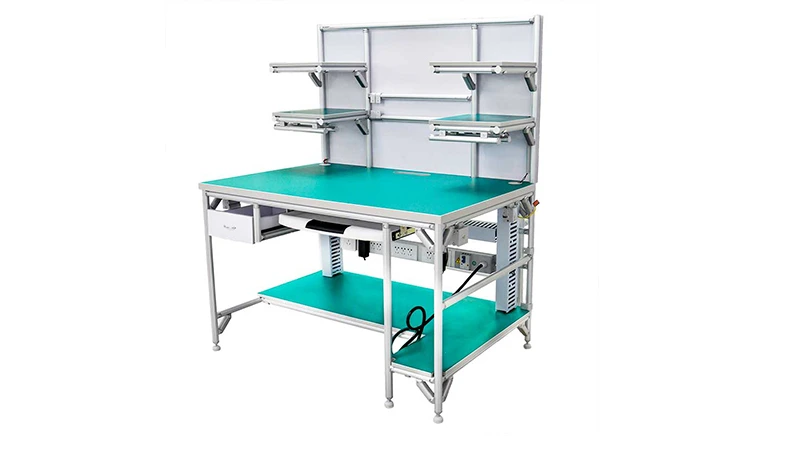
Walk into any manufacturing plant, electronics workshop, or small-scale assembly studio, and you'll likely spot a familiar workhorse: the workbench. It's where ideas take tangible form, where technicians spend hours soldering components, assembling parts, or testing prototypes. For many businesses, a workbench isn't just a piece of furniture—it's the backbone of daily operations. So when you invest in one, a critical question arises: How long will this tool last? Today, we're zeroing in on a popular choice for modern workshops: the Aluminum Workbench A. We'll explore what gives it longevity, the factors that influence its lifespan, and how to make sure it serves your team for years to come.
What Makes Aluminum Workbench A Stand Out?
Before diving into lifespan, let's get to know Aluminum Workbench A. Unlike generic workbenches cobbled together from plywood or heavy steel, this model is designed with precision—specifically for efficiency, adaptability, and durability. It's part of a broader lean system approach, where every component serves a purpose, minimizing waste and maximizing productivity. But what really sets it apart is its construction: built around aluminum extrusion profile , a material celebrated in industrial design for its unique blend of strength and lightness.
Aluminum extrusion profile isn't just any metal. It's created by forcing heated aluminum through a die, shaping it into consistent, hollow or solid cross-sections—think of it like squeezing toothpaste through a tube, but with industrial-grade precision. This process results in a material that's not only lightweight (easy to move and reconfigure) but also surprisingly rigid. For a workbench, that means it can handle the daily grind of tools, parts, and even the occasional heavy component without warping or bending.
But Aluminum Workbench A isn't just about the profile itself. It's the little things—the aluminum profile accessories that hold it all together. From end caps that protect edges and prevent snags, to connectors that lock the frame into place, to adjustable feet that keep the surface level on uneven floors, these accessories are the unsung heroes of durability. They're designed to withstand repeated use, resist corrosion, and maintain a tight fit over time—all critical for a workbench that needs to stay stable, even when subjected to the vibrations of power tools or the weight of stacked materials.
The Core Factors That Determine Lifespan
So, how long can you realistically expect Aluminum Workbench A to last? The short answer: It depends. But with proper care, most users report 7–15 years of reliable service. To understand why there's a range, let's break down the key factors that influence its longevity.
1. Material Quality: Not All Aluminum Is Created Equal
The foundation of Aluminum Workbench A's lifespan lies in the quality of its aluminum extrusion profile. Not all aluminum is the same—grades matter. Higher-grade aluminum alloys (like 6061 or 6063, common in industrial profiles) contain trace elements like magnesium and silicon, which boost strength and corrosion resistance. These alloys are less likely to dent, scratch, or degrade when exposed to moisture or chemicals, unlike lower-grade aluminum, which might start pitting or weakening after a few years in a humid workshop.
Thickness is another factor. A thicker extrusion (say, 2mm wall thickness vs. 1mm) will naturally be sturdier, better able to support heavy loads without flexing. When shopping for Aluminum Workbench A, check the specs: a reputable supplier will list the alloy grade and profile thickness. Cutting corners here might save money upfront, but it'll cost you in the long run when the workbench starts to sag or show signs of wear prematurely.
2. Usage Intensity: How Hard Do You Work It?
A workbench in a hobbyist's garage, used a few hours a week for small electronics projects, will last far longer than one in a 24/7 manufacturing facility, where it's loaded with 50kg+ of parts, subjected to constant tool use, and bumped by forklifts or trolleys. Aluminum Workbench A is built for industrial use, but even the toughest materials have limits.
Consider the daily load: Are you placing heavy machinery on it, like a drill press or soldering station? Or is it primarily for lightweight assembly, with tools hung on the side? Overloading the bench—putting more weight on it than the aluminum extrusion profile and accessories can handle—will strain joints and weaken the frame over time. Similarly, rough handling (dragging tools across the surface, dropping heavy objects) can scratch the aluminum, creating entry points for corrosion, or loosen connectors, leading to wobbling.
3. Environment: The Workshop's Impact
Aluminum is naturally resistant to rust, but it's not invincible. The environment where your workbench lives plays a big role in its lifespan. A dry, climate-controlled workshop is ideal—aluminum thrives here, with minimal risk of corrosion. But if your workspace is humid (like a coastal factory), or exposed to chemicals (oils, solvents, or cleaning agents), you'll need to take extra precautions.
For example, in a automotive repair shop where oil drips are common, aluminum can develop a dull, oxidized layer over time. While this layer isn't harmful (it's actually a form of natural protection, called passivation), heavy chemical exposure can eat away at it, leading to pitting. Similarly, salt air in coastal areas can accelerate corrosion, even on aluminum. The good news? Aluminum Workbench A often comes with a protective anodized coating—a thin layer applied during manufacturing that acts as a barrier against moisture and chemicals. This coating, when intact, can add years to the bench's life.
4. Maintenance: The Secret to Longevity
Even the best materials need a little TLC. Think of Aluminum Workbench A like a car: skip the oil changes, and you'll be looking at repairs sooner than later. Regular maintenance doesn't have to be complicated, but it does need to be consistent. Let's break down the essentials:
- Cleaning: Wipe down the surface weekly with a soft cloth and mild detergent to remove dust, oils, or chemicals. Avoid abrasive sponges or harsh cleaners (like bleach), which can scratch the anodized coating.
- Tightening Joints: Over time, the aluminum profile accessories—connectors, bolts, and brackets—can loosen from vibrations. Every few months, grab a hex key and gently tighten any wobbly parts. This prevents stress on the frame and keeps the bench stable.
- Inspecting for Damage: Check the edges and corners for dents or cracks, especially after heavy use. Small dents might seem minor, but they can weaken the profile's structural integrity over time. If you spot a damaged section, contact your supplier about replacement parts—aluminum extrusion profiles are modular, so repairs are often easier than replacing the entire bench.
- Lubricating Moving Parts: If your workbench has adjustable shelves or sliding components, apply a light machine oil to the tracks every 6 months to keep them moving smoothly and prevent rust on metal-on-metal contact points.

Real-World Examples: How Long Do Users Actually Get?
To put this in perspective, let's look at real stories from businesses using Aluminum Workbench A. Take "TechFlow," a mid-sized electronics manufacturer in Ohio. They installed 12 Aluminum Workbench A units in their assembly line back in 2018. Seven years later, plant manager Mark Wilson reports, "We've only had to replace a few end caps and tighten some connectors. The benches still look nearly new, and they're just as stable as the day we bought them. We run two shifts a day, so these things take a beating—solder irons, circuit boards, even the occasional dropped power tool. I'd say we'll get another 5–7 years out of them easily."
Then there's "CraftWorks," a small custom furniture workshop in Oregon. Owner Sarah Lopez opted for Aluminum Workbench A in 2020 for its lightweight design (easy to move when rearranging the shop) and resistance to wood glue and finishes. "I was worried aluminum might not hold up to clamps and heavy lumber, but it's been a champ," she says. "Three years in, there's a few scratches on the surface, but the frame is rock-solid. I clean it with a damp cloth every week, and that's it. For a small business, not having to replace equipment every few years is a game-changer for our budget."
Of course, not all experiences are perfect. A food processing plant in Florida reported issues after 4 years when they failed to maintain their benches in a high-humidity environment. "We didn't realize salt air could affect aluminum," admits maintenance supervisor Raj Patel. "The legs started pitting, and the surface got dull. We've since added a dehumidifier and started waxing the benches quarterly, and they're holding up better now—but we could have avoided the early wear with better care."

Aluminum vs. the Competition: How Does It Stack Up?
To truly appreciate Aluminum Workbench A's lifespan, it helps to compare it to other common workbench materials. Let's take a look at how it measures up against steel and wood, two traditional alternatives.
| Feature | Aluminum Workbench A | Steel Workbench | Wooden Workbench |
|---|---|---|---|
| Average Lifespan (with maintenance) | 7–15 years | 10–20 years (but prone to rust) | 5–10 years (prone to warping, rot) |
| Weight | Light (easy to move/reconfigure) | Heavy (hard to relocate) | Medium (heavier than aluminum, lighter than steel) |
| Corrosion Resistance | High (anodized coating + natural resistance) | Low (needs painting/coating to prevent rust) | Low (prone to rot in humid environments) |
| Maintenance Needs | Low (occasional cleaning, tightening joints) | Medium (rust checks, repainting every 2–3 years) | High (sanding, refinishing, water damage prevention) |
| Best For | Lean systems, clean workshops, humid environments | Heavy-duty industrial use (e.g., machine shops) | Low-budget, hobbyist, or temporary setups |
As the table shows, aluminum strikes a sweet spot: it outlasts wood, avoids steel's rust issues, and offers the flexibility modern workshops need. For businesses focused on lean system principles—where adaptability and minimal waste are key—aluminum's light weight and modular design make it easy to reconfigure as workflows change, extending its useful life even further. You won't need to replace it just because you're adding a new assembly step or rearranging your floor plan.
Maximizing Your Investment: Pro Tips for Longevity
Now that you know what influences Aluminum Workbench A's lifespan, let's wrap up with actionable tips to ensure it serves your team for the upper end of that 7–15 year range:
1. Start with Quality: Choose a Reputable Supplier
Not all aluminum workbenches are created equal. Cheap knockoffs might use thin, low-grade aluminum extrusion profile or flimsy accessories that fail quickly. Invest in a trusted supplier who specifies the alloy grade (look for 6061 or 6063) and offers warranties on parts. A little extra upfront cost pays off in decades of service.
2. Avoid Overloading
Check the manufacturer's weight limit (usually listed in the specs) and stick to it. Overloading can bend the aluminum extrusion profile or strain the connectors, leading to permanent damage. If you need to support heavy equipment, consider adding a reinforced shelf or a steel plate on top—distributing the weight evenly reduces stress on the frame.
3. Protect Against Chemicals
If your workshop uses oils, solvents, or acids, place a plastic or rubber mat on the workbench surface to catch spills. Wipe up any leaks immediately, and avoid leaving chemical-soaked rags on the aluminum for extended periods. For extra protection, apply a clear, food-safe wax (like car wax) every 6 months to seal the anodized coating.
4. Reconfigure, Don't replace
One of the perks of aluminum extrusion profile is its modularity. If your needs change—say, you need a longer surface or extra shelves—you can often extend or modify Aluminum Workbench A using compatible aluminum profile accessories. This not only saves money but also keeps the core frame in use, maximizing its lifespan.
Final Thoughts: A Long-Term Partner for Your Workshop
Aluminum Workbench A isn't just a piece of equipment—it's an investment in your team's productivity and your business's efficiency. With its durable aluminum extrusion profile, reliable accessories, and resistance to corrosion, it's built to go the distance. While its lifespan depends on factors like material quality, usage, and maintenance, most users find it serves them faithfully for 7–15 years—often longer with a little care.
So, can you expect Aluminum Workbench A to last? Absolutely—if you treat it right. Choose quality materials, keep up with simple maintenance, and respect its limits, and it will stand by your team through countless projects, prototypes, and products. In the world of workshops, where reliability is everything, that's not just a good investment—that's peace of mind.