- Company Articles
- Products and Technology
- Product knowledge
- Aluminum Workbench B 101: Essential Information for Manufacturing Professionals

Aluminum Workbench B 101: Essential Information for Manufacturing Professionals
Related Product
Aluminum Workbench B
Aluminum tube workbench is more flexible and durable, compared with traditional PE/ABS coated steel tube. It is easy to assemble, anti corrosion, rust protection, and recycle use after disassemble.
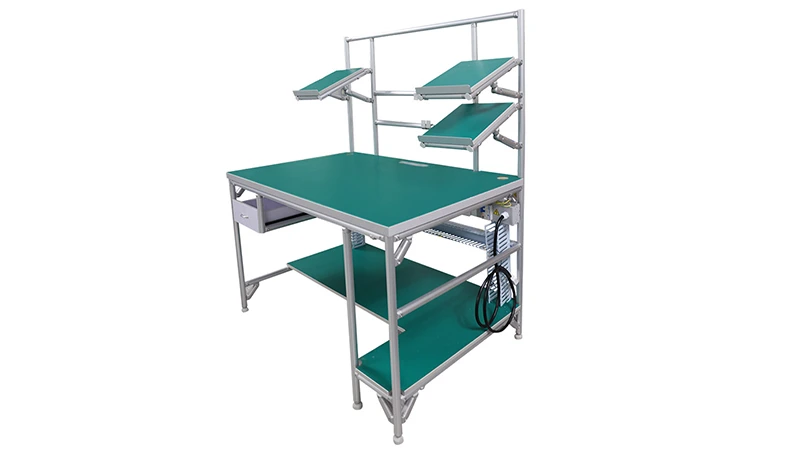
Walk into any manufacturing facility, and you'll quickly realize that the workbench isn't just a piece of furniture—it's the silent backbone of production. It's where components are assembled, tools are organized, and critical decisions about workflow are made. For professionals in the industry, a subpar workbench can mean wasted time, increased errors, and even safety risks. That's where the Aluminum Workbench B comes in. Designed with the unique demands of modern manufacturing in mind, this workbench isn't just a surface to work on; it's a strategic asset that aligns with lean system principles, adapts to evolving needs, and stands up to the daily grind of the factory floor.
In this guide, we'll dive deep into everything manufacturing professionals need to know about Aluminum Workbench B—from its core components and key benefits to how it integrates with lean manufacturing, installation best practices, and even common myths debunked. Whether you're upgrading your current workspace or designing a new production line, this 101 will equip you with the knowledge to make informed decisions that boost efficiency, durability, and ultimately, your bottom line.
What Exactly Is Aluminum Workbench B?
At first glance, Aluminum Workbench B might look like any other workbench, but its design tells a different story. Unlike traditional wood or steel workbenches, it's built using aluminum extrusion profiles —hollow, lightweight yet robust structures with T-slots along their length. These profiles are connected using specialized joints and accessories, creating a modular system that can be customized to fit almost any task. The "B" in its name refers to a specific configuration: typically a single-deck design without casters, though it's often paired with optional mobility kits (like caster wheels) or storage add-ons (such as material racks) depending on the factory's needs.
What sets it apart? Think of it as a "building block" system. The aluminum extrusion profiles are the foundation, but the real magic lies in how they interact with workbench accessories —everything from tool hooks and part bins to monitor mounts and ESD (Electrostatic Discharge) mats. This modularity means that if your production line shifts—say, you start assembling larger components or need to add more storage—you don't have to replace the entire workbench. You simply reconfigure the profiles and swap out accessories. It's this adaptability that makes Aluminum Workbench B a favorite in dynamic manufacturing environments.
Breaking Down the Key Components
To truly understand Aluminum Workbench B, let's break down its core components. Each part plays a critical role in its performance, durability, and flexibility:
1. Aluminum Extrusion Profiles
The star of the show, these profiles are made by forcing heated aluminum through a die to create specific cross-sectional shapes—common ones include 2020, 3030, or 4040 (referring to width and height in millimeters). The T-slots running along their length are key: they allow bolts, nuts, and accessories to slide in and lock into place, no drilling required. For Aluminum Workbench B, manufacturers often use high-strength aluminum alloys (like 6063-T5) that balance lightness with rigidity, capable of supporting hundreds of pounds without bending.
2. Joints and Connectors
These are the "glue" that holds the workbench together—literally. From 90° angle brackets to swivel joints and parallel connectors, these small but mighty parts ensure the frame stays stable even under heavy loads. Many are made from aluminum or reinforced plastic, resistant to corrosion and wear. For example, the "internal rotary aluminum joint" allows profiles to pivot, making it easy to adjust the workbench's height or angle for ergonomic purposes.
3. Worktop Surface
While the frame is aluminum, the worktop varies by application. Common options include aluminum honeycomb panels (lightweight and impact-resistant), plywood with a laminate finish (affordable and easy to replace), or ESD-safe surfaces (critical for electronics manufacturing, where static electricity can damage components). The "single deck" design of Aluminum Workbench B means the top is a single, continuous surface—no gaps, which helps prevent small parts from getting lost.
4. Workbench Accessories
This is where customization shines. Need to keep tools within arm's reach? Add a hanging rail with hooks. Assembling small parts? Attach a bin rack with labeled compartments. Working with heavy components? Install a roller track along the edge to slide parts onto the bench instead of lifting. Even lighting can be integrated via T-slot mounts. The best part? Most accessories are universal, so you can mix and match from different suppliers to fit your budget and needs.

Why Manufacturing Professionals Swear By It: Key Benefits
Aluminum Workbench B isn't just a trend—it's a solution to common manufacturing headaches. Let's compare it to traditional workbench materials to see why it's gaining traction:
| Feature | Aluminum Workbench B | Steel Workbench | Wood Workbench |
|---|---|---|---|
| Weight | Lightweight (easy to move when needed) | Heavy (difficult to reposition) | Moderate (varies by wood type) |
| Durability | Resistant to rust, dents, and warping | Strong but prone to rust without coating | Scratches easily; warps with moisture |
| Customization | High (modular accessories, reconfigurable) | Low (fixed design; welding needed for changes) | Limited (drilling required for add-ons) |
| Maintenance | Minimal (wipe clean; tighten joints occasionally) | High (coat with paint/primer to prevent rust) | Moderate (sand and refinish periodically) |
| Long-Term Cost | Lower (no replacement needed; adapt to changes) | Higher (replacement due to rust; fixed design) | Highest (frequent replacement due to wear) |
Beyond the Table: Real-World Advantages
Supports Lean System Goals: Lean manufacturing is all about eliminating waste—whether it's time, space, or resources. Aluminum Workbench B aligns perfectly with this philosophy. Its modular design means you only use the space you need, and accessories like roller tracks or material racks keep parts organized, reducing the time workers spend searching for tools. Plus, if your production line changes, you can reconfigure the workbench instead of buying a new one, cutting down on waste.
Ergonomic Flexibility: A one-size-fits-all workbench can lead to worker fatigue and injuries. Aluminum Workbench B solves this by letting you adjust height (via extendable legs or adjustable joints) and add ergonomic features like footrests or anti-fatigue mats. This isn't just about comfort—it's about productivity. Workers who are comfortable stay focused longer and make fewer mistakes.
Cleanroom and ESD Compatibility: In industries like electronics or pharmaceuticals, cleanliness and static control are non-negotiable. Aluminum Workbench B can be outfitted with ESD-safe worktops and grounding accessories, preventing static buildup that could damage sensitive components. Its smooth, non-porous surfaces also make it easy to sanitize, meeting strict cleanroom standards.

How to Choose the Right Aluminum Workbench B for Your Facility
Not all Aluminum Workbench B models are created equal. To find the best fit, start by asking these key questions:
1. What's the Maximum Load It Needs to Support?
Aluminum extrusion profiles come in different thicknesses and strengths. A workbench for small electronics might only need to support 50 lbs, while one for automotive parts could require 500 lbs or more. Check the manufacturer's load rating—this is usually listed per square foot or for the entire worktop.
2. Will It Stay Put or Need to Move?
Aluminum Workbench B is sold "without caster" by default, but you can add caster wheels (locking or swivel) for mobility. If your team needs to reposition the workbench daily (e.g., between assembly stations), opt for heavy-duty casters with brakes. For stationary use, adjustable leveling feet are better—they keep the workbench stable on uneven floors.
3. What Accessories Are Non-Negotiable?
Make a list of must-have workbench accessories . Do you need a bin rail for small parts? A monitor arm for digital work instructions? ESD mats? Most suppliers offer accessory bundles, which are often cheaper than buying items individually. Don't forget future needs—leave extra T-slots open for add-ons down the line.
4. What's the Environment Like?
Humid or corrosive environments (like near cleaning stations) call for aluminum profiles with anodized coatings, which corrosion resistance. For ESD-sensitive areas, ensure the worktop and accessories are ESD-certified. In dusty facilities, closed-top profiles (instead of open T-slots) can prevent debris buildup.
Installation and Setup: No Welding Required
One of the biggest perks of Aluminum Workbench B is how easy it is to assemble—no welding, no specialized tools, and no need to hire a contractor. Here's a step-by-step overview:
Step 1: Unpack and Sort Components
Lay out the aluminum extrusion profiles, joints, worktop, and accessories. Check the parts list to ensure nothing is missing—common items include bolts, T-nuts, and end caps for the profiles (to prevent sharp edges).
Step 2: Build the Frame
Start with the base frame: connect four vertical profiles (legs) to two horizontal profiles (front and back) using 90° joints. Tighten the bolts with a hex key—snug but not over-tightened (you can adjust later). Add cross-braces for stability, especially if the workbench will hold heavy loads.
Step 3: Attach the Worktop
Place the worktop on the frame. Use T-nuts and bolts to secure it through the T-slots in the horizontal profiles. If the worktop has pre-drilled holes (common for ESD models), align these with the frame for a snug fit.
Step 4: Add Accessories
Slide accessories into the T-slots and tighten. For example, bin rails snap into place, while monitor arms use clamping brackets. Test each accessory to ensure it's secure—wobbly tools or bins are a safety hazard.
Step 5: Level and Test
Adjust the leveling feet (or lock the casters) so the workbench doesn't rock. Place a level on the worktop to confirm it's flat. Finally, test the load capacity with weights similar to what you'll use daily—better to catch a weak joint now than during production.
Maintenance Tips to Maximize Lifespan
Aluminum Workbench B is built to last, but a little care goes a long way. Follow these tips to keep it in top shape for years:
- Clean Regularly: Wipe the worktop and profiles with a damp cloth to remove dust, oil, or debris. For tough stains, use mild soap and water—avoid harsh chemicals that can damage the aluminum finish.
- Tighten Joints Quarterly: Over time, vibrations from daily use can loosen bolts. Do a quick check every 3 months and tighten any wobbly joints with a hex key.
- replace Worn Accessories: Casters, bin rails, and hooks wear out faster than the frame. Keep spares on hand so you can swap them out without disrupting production.
- Protect T-Slots: When not using a T-slot, cover it with end caps or rubber strips to prevent dust and debris from clogging the channel. This makes adding new accessories easier later.
- Inspect for Damage: Dents or bent profiles can weaken the frame. If you notice damage, contact the supplier—many offer replacement parts for individual components, so you don't have to buy a whole new workbench.
Real-World Applications: Where It Shines
Aluminum Workbench B isn't limited to one industry—it's versatile enough to thrive in almost any manufacturing setting. Here are a few examples of how professionals are using it:
Electronics Assembly
In electronics plants, precision and static control are critical. Aluminum Workbench B with ESD worktops and grounding accessories protects sensitive components like circuit boards. Modular bin rails keep tiny parts (resistors, capacitors) organized, while monitor arms display assembly guides, reducing errors.
Automotive Parts Manufacturing
Heavy parts like engine components require a sturdy workbench. High-strength aluminum extrusion profiles handle the weight, while roller tracks along the edge let workers slide parts onto the bench instead of lifting. Add-ons like tool holders keep wrenches and sockets within reach, speeding up assembly.
Small-Batch Production Shops
For shops that switch between products weekly (e.g., custom machinery parts), Aluminum Workbench B's modularity is a game-changer. One week, it's set up with a drill press mount; the next, it's reconfigured with a sanding station. No more buying a new workbench for every job.
Warehouse Picking and Packing
In warehouses, Aluminum Workbench B serves as a packing station. Add a conveyor belt along one side to feed boxes, and bin racks for packing materials (tape, bubble wrap). Casters make it easy to move the station to different aisles, adapting to shifting order volumes.
Debunking Common Myths
Despite its benefits, Aluminum Workbench B still faces misconceptions. Let's set the record straight:
Myth: "Aluminum is Too Weak for Heavy Work"
False. High-grade aluminum extrusion profiles (like 6061-T6) have a tensile strength of 45,000 psi—stronger than many steels on a weight-to-strength ratio. For example, a 4040 profile (40mm x 40mm) can support over 1,000 lbs when properly braced. Manufacturers test load capacities rigorously, so trust the specs.
Myth: "It's Too Expensive Compared to Wood"
Wood workbenches have lower upfront costs, but they don't last. A wood bench might need replacement every 2–3 years, while Aluminum Workbench B can last 10+ years with proper care. Factor in maintenance (no sanding, painting, or rust treatment) and reusability (reconfigure instead of replace), and aluminum becomes the cheaper option long-term.
Myth: "Modular Means Flimsy"
Modular doesn't equal weak—it means adaptable. The joints and bolts used in Aluminum Workbench B are designed to lock tightly, creating a rigid frame. In fact, many manufacturers use the same aluminum extrusion profiles to build industrial machinery frames, which endure far more stress than a workbench ever would.
The Future of Workbenches: What's Next?
As manufacturing evolves, so does Aluminum Workbench B. Here are trends to watch:
Smart Integration
Expect to see workbenches with built-in IoT sensors that track usage (e.g., how often tools are accessed), monitor temperature/humidity, or even alert maintenance when joints loosen. This data helps optimize workflows and predict issues before they cause downtime.
Sustainable Materials
Suppliers are moving toward recycled aluminum for profiles, reducing carbon footprints. Accessories made from bio-based plastics (instead of traditional plastics) are also on the rise, aligning with green manufacturing goals.
AI-Driven Design Tools
Soon, you might design your Aluminum Workbench B using AI tools that suggest optimal layouts based on your workflow. Input your tasks, tools, and space, and the AI generates a 3D model with recommended accessories—saving time and ensuring you don't overlook critical features.
Final Thoughts: Why Aluminum Workbench B Belongs in Your Facility
At the end of the day, Aluminum Workbench B is more than a workspace—it's an investment in efficiency, durability, and adaptability. In a manufacturing world where change is constant, its modular design ensures it grows with your business. It supports lean system goals by reducing waste and streamlining workflows. And with its lightweight yet robust aluminum extrusion profiles, it balances portability and strength in a way no traditional workbench can.
If you're tired of workbenches that wear out, limit your flexibility, or slow down your team, it's time to make the switch. Aluminum Workbench B isn't just keeping up with modern manufacturing—it's helping to shape it. Your production line (and your bottom line) will thank you.